Planning a roof replacement touches far more than just picking shingles. For homeowners approaching it as part of a long-term home improvement project, the process involves a chain of interconnected decisions, each one shaping the cost, durability, and performance of the finished result.
Those decisions span eight core areas: choosing the right roofing materials, setting a realistic budget, evaluating structural needs, selecting a qualified roofing contractor, planning a project timeline, understanding permit and code requirements, reviewing warranties, and establishing a roof maintenance plan. Taken together, they form a planning framework rather than a simple checklist.
The sections that follow break down each decision in detail, explaining what homeowners should consider, what questions to ask, and where the most consequential trade-offs tend to appear.
The 8 Decisions at a Glance
Before diving into the details, here is a quick snapshot of the eight decision areas this article covers. Each one connects to the next, so understanding the full picture upfront makes the deeper sections easier to follow.
- Start with the roof you actually have — assess current condition before anything else.
- Choose materials for lifespan, not just price — durability and climate fit matter more than sticker price.
- Set a budget that accounts for the whole job — labor, tear-off, repairs, and contingency all belong in the number.
- Make timing part of the roofing decision — seasonal windows and project sequencing affect quality and availability.
- Know the permits, codes, and paperwork — local compliance requirements can affect scope, cost, and timeline.
- Choose the contractor as carefully as the roof — workmanship quality determines how long materials actually perform.
- Read the warranty details before you commit — material and workmanship warranties serve different purposes.
- Build in a roof maintenance plan — long-term ownership requires periodic attention to protect the investment.
Start with the Roof You Actually Have
Before any material gets selected or budget number gets set, the existing roof needs a clear-eyed evaluation. A roof inspection is the starting point because what is already up there determines everything that comes next, from repair scope to replacement urgency.
A qualified inspector will assess more than surface-level wear. Beyond shingle condition, they look for signs of moisture infiltration, poor ventilation, compromised decking, and any structural repairs that may be needed before new materials go down.
That distinction matters because not all roof damage looks the same on paper. Cosmetic aging, such as minor granule loss or surface discoloration, rarely justifies a full roof replacement. Sagging, rot, or widespread leaking usually does.
Inspection findings also set the boundaries for everything downstream. A homeowner who skips this step often discovers mid-project that the original scope was too narrow, and costs climb accordingly. Getting an honest picture of the roof’s condition early is what keeps planning grounded in reality rather than assumption.
Choose Materials for Lifespan, Not Just Price
Material selection shapes every other cost in a roofing project. Choosing based on upfront price alone often leads to a shorter roof lifespan, higher maintenance frequency, and premature replacement. With that in mind, it helps to understand how the most common options actually compare over time.
How Asphalt and Metal Compare Long Term
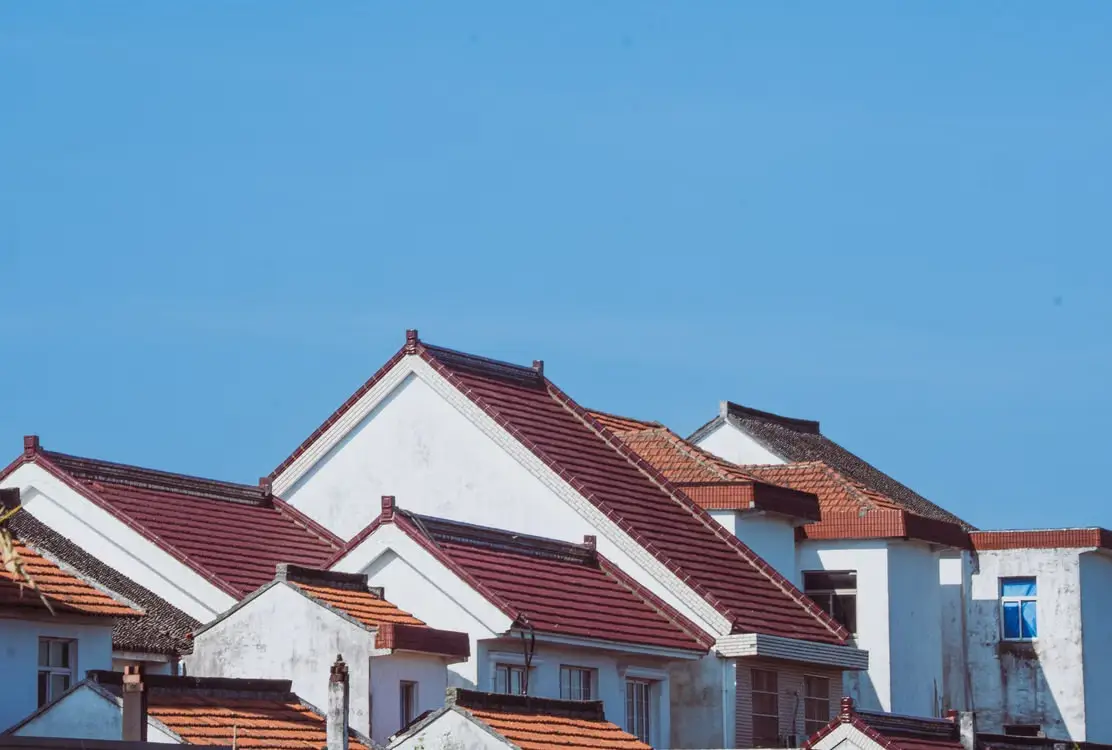
Asphalt shingles remain the most common choice for residential roofing. They carry a lower initial cost and are widely available, but their lifespan typically runs 20 to 30 years, and they tend to require more attention in climates with significant freeze-thaw cycling or heavy snowfall.
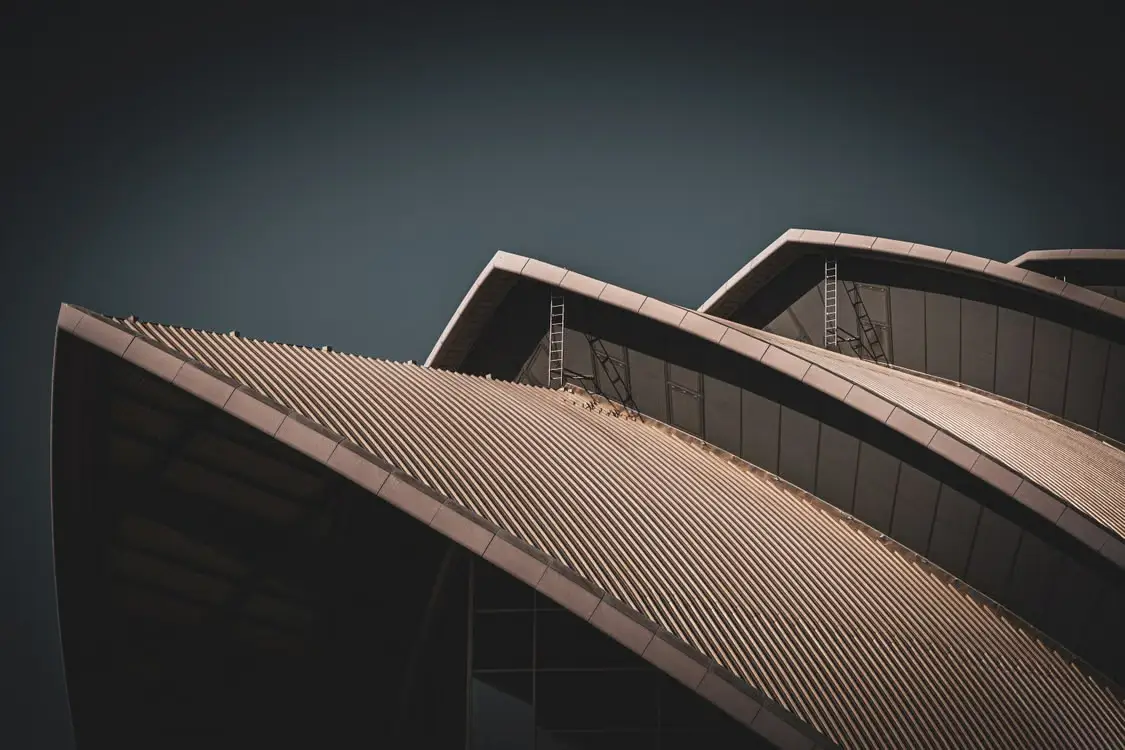
Metal roofing, by contrast, can last 40 to 70 years with minimal maintenance. It handles harsh weather conditions more reliably over time, resists moisture infiltration, and holds up better through the temperature extremes that Greater Toronto Area winters routinely produce. The higher upfront investment often balances out when spread across a longer service life.
For homeowners evaluating roofing materials built for harsh weather, durability under local climate conditions should weigh more heavily than sticker price alone. When comparing options by lifespan, maintenance demands, and weather resistance, long-life metal systems from contractors like seamroofing.ca naturally enter the conversation alongside asphalt shingles and other material considerations.
Where Insulation and Efficiency Fit In
Roofing materials do not work in isolation. The assembly beneath them, particularly insulation quality and attic ventilation, directly affects how a home manages heat loss and moisture year-round.
Proper insulation reduces heating and cooling demand, which is why EPA energy estimates treat it as one of the most cost-effective upgrades a homeowner can make. Roofing contractors in colder climates assess insulation and ventilation as part of the overall roofing system rather than separate line items. Energy efficiency gains depend on that whole-system thinking, not material choice alone.
Set a Budget That Accounts for the Whole Job
The cheapest quote rarely reflects the real cost of a roof replacement. When labor costs, tear-off, underlayment, flashing, and ventilation upgrades are excluded from an initial estimate, homeowners often find the final invoice looks very different from what they planned around.
A realistic budget covers the full scope of the job. That means accounting for disposal fees, new underlayment, flashing replacement, and any structural repairs that only become visible once the old roofing material comes off. These are not optional add-ons; they are standard parts of a complete installation.
Setting aside a contingency of 10 to 15 percent is also worth building in. Hidden rot, compromised decking, or inadequate ventilation discovered mid-project can add real costs quickly, and a homeowner without a buffer ends up making rushed decisions under financial pressure.
Budgeting with the full roof lifespan in mind shifts the frame from what the job costs today to what it delivers over 20 to 40 years. That perspective tends to produce better material choices, fewer compromises, and a more durable result.
Make Timing Part of the Roofing Decision
Timing is both a technical and a logistical consideration. The season in which a roof is installed affects material performance, and the point in a broader renovation cycle at which it is scheduled affects everything else that follows.
Weather conditions have a direct effect on how roofing materials perform during installation. Adhesives, sealants, and underlayment products all have temperature thresholds, and installations carried out outside those ranges can compromise the finished roof before it ever faces a real storm.
In the Greater Toronto Area, this means planning the project timeline carefully around seasonal windows. Late spring through early fall generally offers the most reliable conditions, though experienced roofing contractors can work through shoulder-season periods with the right materials and methods.
Timing also affects contractor availability. Demand typically peaks in late spring and summer, which can push wait times out by several weeks. Homeowners who book early secure better scheduling flexibility and often more attention from crews that are not stretched thin across multiple jobs.
The roof project should also connect to any other planned home improvements. If interior work, attic insulation, or exterior upgrades are part of the same renovation cycle, sequencing the roof first protects everything below it from weather exposure while other work proceeds. Homeowners planning new builds can review relevant roofing considerations for new builds to understand how this sequencing logic applies earlier in the construction process.
Know the Permits, Codes, and Paperwork
Building permits and building codes are not administrative afterthoughts. In the Greater Toronto Area, local municipalities require permits for certain roofing scopes, and overlooking that requirement early can delay a project or force work to be redone.
Code compliance reaches further than most homeowners expect. Beyond structural repairs, it can dictate requirements around insulation values, ventilation ratios, and how materials are fastened. A contractor who understands local code will flag these issues before work begins, not after a problem surfaces during an inspection.
What often catches homeowners off guard is the question of responsibility. Some contractors pull permits on the homeowner’s behalf; others leave it to the owner entirely. Before signing a contract, it is worth clarifying exactly who handles permit applications, who manages inspections, and who is accountable if something is found non-compliant.
Getting that clarity upfront protects the project timeline and ensures the finished roof meets the standards required for insurance claims, future sales, or any follow-on renovation work.
Choose the Contractor as Carefully as the Roof
Material quality only goes as far as the workmanship behind it. A homeowner can select the best roofing materials available and still end up with a roof that underperforms because the contractor who installed it cut corners on flashing, skipped proper underlayment, or rushed the job.
When evaluating a roofing contractor, experience, valid licensing, and insurance coverage are the baseline requirements. References from recent local projects add another layer of confidence, and a written scope of work protects both parties if disputes arise later.
Price comparison alone misses the most consequential variables. Two contractors quoting the same job can differ significantly in how they communicate, whether they explain trade-offs clearly, and how transparent they are about what the labor costs actually cover.
Those differences in professionalism tend to carry forward into the finished work. Warranties from roofing manufacturers often require certified installation to remain valid, meaning a poorly chosen contractor can quietly void the long-term durability a homeowner thought they were paying for.
Read the Warranty Details Before You Commit
Not all warranties offer the same protection, and the difference between a manufacturer’s material warranty and a workmanship warranty can significantly change the real value of a quote.
Manufacturer warranties cover defects in the roofing materials themselves, typically running 25 to 50 years depending on the product. Workmanship warranties cover installation quality and are issued by the roofing contractor, usually lasting between two and ten years. Both matter, and a gap in either can leave a homeowner exposed.
Coverage length is only part of the picture. Exclusions buried in the fine print, such as restrictions tied to ventilation requirements or approved installation methods, can limit what is actually recoverable when something goes wrong. Confirming which actions could void a warranty before the project starts is a straightforward step that protects roof lifespan over the long run.
Build a Roof Maintenance Plan
A new roof is not a set-it-and-forget-it upgrade. If you want it to reach its full lifespan, plan for basic maintenance from day one and treat it like part of your long-term home improvement project, not an afterthought.
Start with a simple schedule: a visual check each spring and fall, plus a quick look after major windstorms or heavy snow. Keep gutters clear, remove debris that traps moisture, and watch for early warning signs like lifted shingles, loose flashing, rust spots on metal, or water staining in the attic. Trimming back overhanging branches also reduces abrasion and helps prevent ice dam issues in winter.
It is also smart to keep records. Save photos, invoices, and inspection notes so you can track changes over time and support any future warranty claims. If your roof is steep or complex, budget for a professional inspection every couple of years to catch small problems before they turn into expensive repairs.
A Better Roof Plan Supports the Whole Project
Every roofing decision covered in this article connects to the others. Material choice shapes budget. Budget shapes timing. Timing affects contractor selection, permits, and warranty terms. When those decisions are made in the right order, they reinforce each other rather than create problems downstream.
Roof maintenance belongs to that same chain. Even the best-installed roof requires periodic attention to reach its full lifespan. A homeowner who builds maintenance into the long-term ownership plan protects the investment made at installation.
The clearest takeaway is straightforward: treat roofing as a system rather than a single purchase, and the budget holds, the roof lifespan extends, and the wider home improvement project benefits from a stronger foundation.