Owning a home comes with a quiet kind of pressure. Somewhere in the back of your mind, you know things can break. And when they do, the first thing most people imagine is a bill big enough to wipe out their savings. That fear is understandable, but it isn’t always accurate. Many of the problems homeowners dread most are far more affordable to address than the worst-case scenarios playing out in their heads.
The trick is timing. A small problem caught early stays small. Left alone, it grows roots, spreads, and eventually demands a much larger investment. Acting quickly often means the difference between a modest repair and a full-blown renovation. Below are seven common household disasters that tend to cost less than people expect, especially when handled before they spiral.
1. Burst and Leaking Pipes
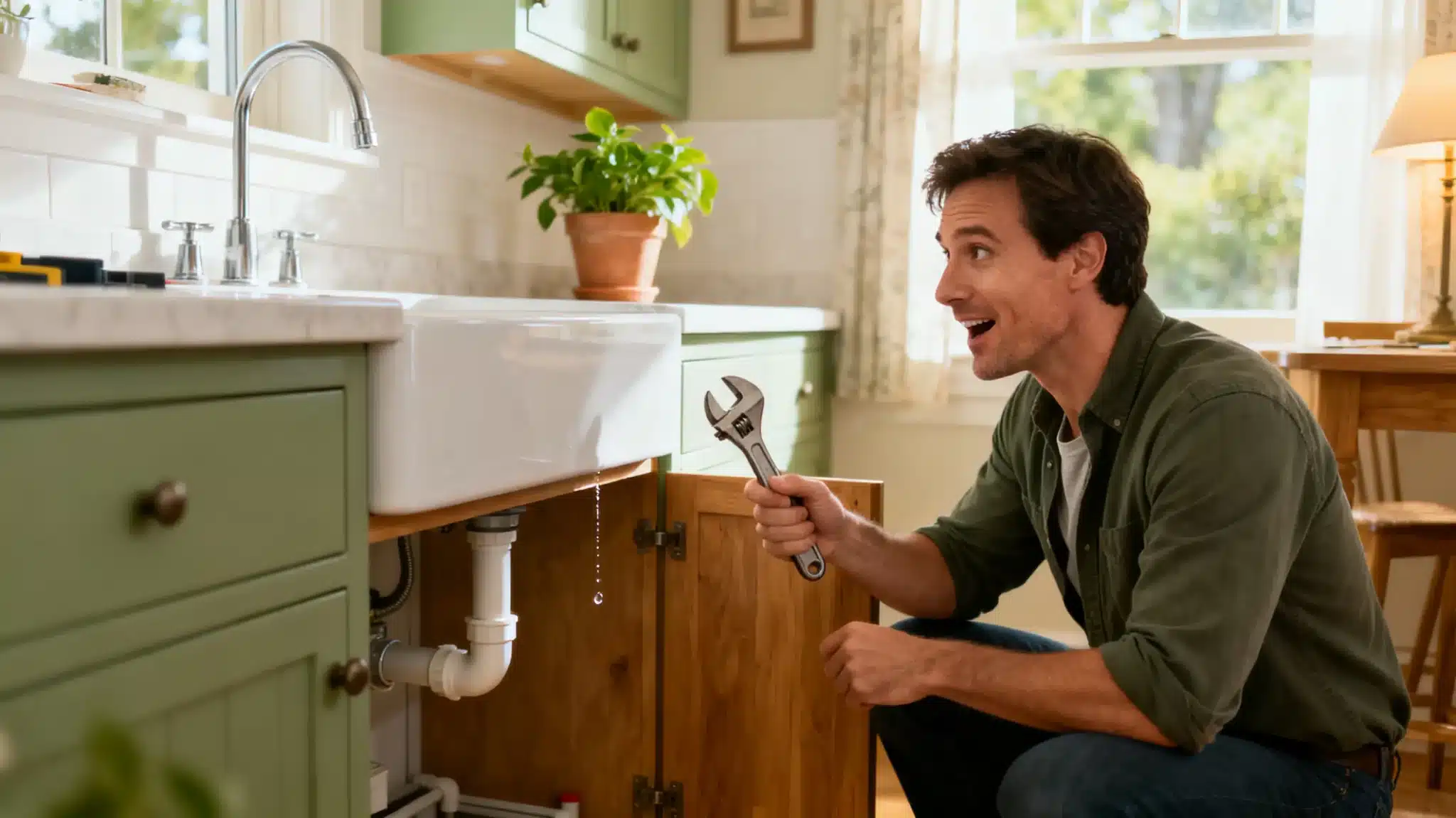
A leaking pipe sounds expensive. Water everywhere, ruined floors, a plumber’s invoice that makes you wince. Yet most leaks are caught at the small, drippy stage, and that’s where they’re cheap to fix.
A worn washer, a loose fitting, or a slow joint leak can usually be repaired in under an hour. The materials cost very little. The real expense only shows up when a leak hides behind a wall for months, quietly rotting wood and feeding mold. So the lesson is simple. Pay attention to water stains, musty smells, and unexplained jumps in your water bill. Catch the drip, skip the disaster.
2. Fire and Smoke Damage
A house fire is one of the most frightening things a homeowner can face. The aftermath looks devastating, and the instinct is to assume the property is beyond saving. In reality, the outcome depends heavily on how fast the cleanup begins.
Smoke and soot are acidic. They keep eating away at surfaces long after the flames are gone, etching glass, corroding metal, and staining walls more deeply with every passing day. This is why prompt fire damage repair matters so much. When professionals step in quickly, they can often salvage materials, neutralize odors, and stop secondary damage before it sets in permanently. Wait too long, and what could have been a focused restoration turns into a gut-and-rebuild project. The U.S. Fire Administration offers helpful guidance on what to do in those first crucial hours after a fire. Speed protects both your home and your wallet.
3. Mold Growth
Mold has a terrible reputation, and for good reason. It can affect your health and your home’s air quality. But here’s what many people miss: a small patch of mold is not a crisis. It’s a signal.
When mold covers less than about ten square feet, you can often treat it yourself with the right cleaning products and a little patience. The bigger issue is moisture. Mold is a symptom, not the disease. Fix the leak, dry the space, improve ventilation, and the problem usually stays gone. The Environmental Protection Agency provides clear standards on when a small cleanup is enough and when you need a specialist. Most of the time, early action keeps the cost low and the headache minor.
4. Roof Leaks
People hear “roof problem” and immediately picture a full replacement costing tens of thousands of dollars. Sometimes that’s true. Often it isn’t.
A surprising number of roof leaks come from a handful of missing shingles, cracked flashing around a chimney, or a clogged gutter pushing water where it doesn’t belong. These are targeted, affordable repairs. The danger is ignoring the small drip in the attic because the ceiling below still looks fine. Water is patient. It travels, pools, and weakens structures long before it shows itself in your living room. A quick inspection after a heavy storm can save you from a repair bill many times larger.
5. Foundation Cracks
Few words frighten homeowners like “foundation issue.” It sounds like the kind of problem that ends with bulldozers. Yet not every crack is a structural emergency.
Hairline cracks in concrete are extremely common and frequently harmless. They form as a house settles and materials cure over time. Many can be sealed cheaply to keep moisture out and prevent them from widening. The cracks worth worrying about are the wide, horizontal, or stair-step kind, especially when paired with sticking doors or uneven floors. The smart move is to have a professional tell you which category you’re in. More often than not, the answer is reassuring, and the fix is far smaller than your imagination suggested.
6. Pest Infestations
The sight of a pest scurrying across the floor can make anyone assume the worst. Visions of fumigation tents and emptied-out houses come quickly. But most infestations are caught long before they reach that point.
A few ants, a single mouse, or early signs of activity respond well to simple, inexpensive interventions. Sealing entry points, removing food sources, and using basic traps or treatments often solves the problem outright. The expensive infestations are the ones left to multiply for months. The earlier you act, the less you spend, and the less damage pests do to your insulation, wiring, and woodwork. Treat the first signs seriously and you rarely face the big bill.
7. Faulty Electrical Issues
Electrical trouble carries real risk, so it deserves respect. Flickering lights, a warm outlet, or a breaker that trips constantly should never be ignored. That said, the repair itself is frequently cheaper than people fear.
A worn outlet, a loose connection, or a single overloaded circuit can usually be corrected by a licensed electrician in a single visit. These are routine jobs for a professional. What turns affordable into alarming is neglect. Faulty wiring left unchecked can spark a fire or damage expensive appliances. So while you should always call a qualified electrician rather than poke around yourself, take comfort in this: addressing the warning signs early is almost always the budget-friendly path.
A Pattern Worth Remembering
Look across all seven of these problems and you’ll notice the same thread. None of them are inherently ruinous. They become expensive only when they’re ignored, hidden, or left to grow. The disaster isn’t usually the original issue. It’s the delay.
That’s actually good news. It means you have more control than you think. A homeowner who pays attention, responds quickly, and isn’t afraid to call a professional for an honest assessment will spend far less over the years than one who waits until small troubles become big ones.
Conclusion
The fear of catastrophic repair costs keeps a lot of people frozen, hoping problems will simply go away. They rarely do. But the reality is more forgiving than the worry. Most household disasters are smaller, slower, and cheaper to resolve than they first appear, provided you meet them head-on.
Treat your home like something that talks to you. The stains, the smells, the strange sounds, the small cracks, these are all messages. Listen early, act decisively, and you’ll find that the things you dreaded most were often the easiest to put right. Peace of mind, as it turns out, is one of the most affordable repairs of all.