These days, homeowners in Texas think beyond curb appeal when they upgrade a roof. They think about summer heat that pushes energy bills higher. They think about hailstorms that strike without warning. They think about how their choices affect their families and the planet.
A roof does more than cover a home. It shapes comfort, controls energy use, and protects everything inside. When you choose sustainable materials, you protect both your investment and your environment. And in a climate like Texas, that balance matters.
Many homeowners begin by researching roofing companies in Georgetown, Austin, Cedar Park, and surrounding areas in Central Texas to compare options, warranties, and certifications. The right contractor can explain which eco-friendly roofing materials Texas homeowners trust most and how those options perform in real weather conditions.
Sustainability sounds appealing. But what actually makes a roofing material both green and durable?
Why Sustainable Roofing Matters in Texas
Texas weather tests every roof. Long stretches of intense sun raise attic temperatures. Sudden hailstorms damage shingles. Heavy rains expose weak spots. If a roof cannot handle these extremes, it fails early.
Eco-friendly roofing does not mean fragile. In fact, the best roofing materials Texas residents choose often last longer than traditional options. They reflect heat, resist impact, and reduce waste.
Energy efficiency plays a major role. The U.S. Department of Energy reports that cool roofing systems can lower roof surface temperatures by up to 50 degrees Fahrenheit compared to conventional materials. That difference reduces strain on air conditioning systems and lowers monthly utility bills. For families managing household budgets, that matters.
Sustainable roofs also reduce landfill waste. Many modern shingles contain recycled content. Metal roofing panels can be fully recycled at the end of their lifespan. These details may seem small, but over decades they add up.
So how do you decide which materials truly qualify as the best roofing materials Texas homeowners can choose?
What Makes the Best Roofing Materials Texas Homeowners Can Choose?
Start with durability. Texas roofs must withstand heat, wind, and hail. A material that cracks or warps quickly will cost more in repairs.
Next, consider energy performance. Materials that reflect sunlight instead of absorbing it keep homes cooler. That cooling effect reduces energy consumption and extends HVAC lifespan.
Then evaluate longevity. A roof that lasts 40 to 70 years produces less waste and fewer replacement costs than one that needs replacement every 15 to 20 years.
Finally, think about environmental impact. Does the product use recycled materials? Can it be recycled later? Does it qualify as one of the leading green roofing solutions for homes?
When these factors align, you get strength and sustainability in one system.
Eco-Friendly Roofing Materials Texas Homeowners Should Consider
Metal Roofing: Recyclable and Long Lasting
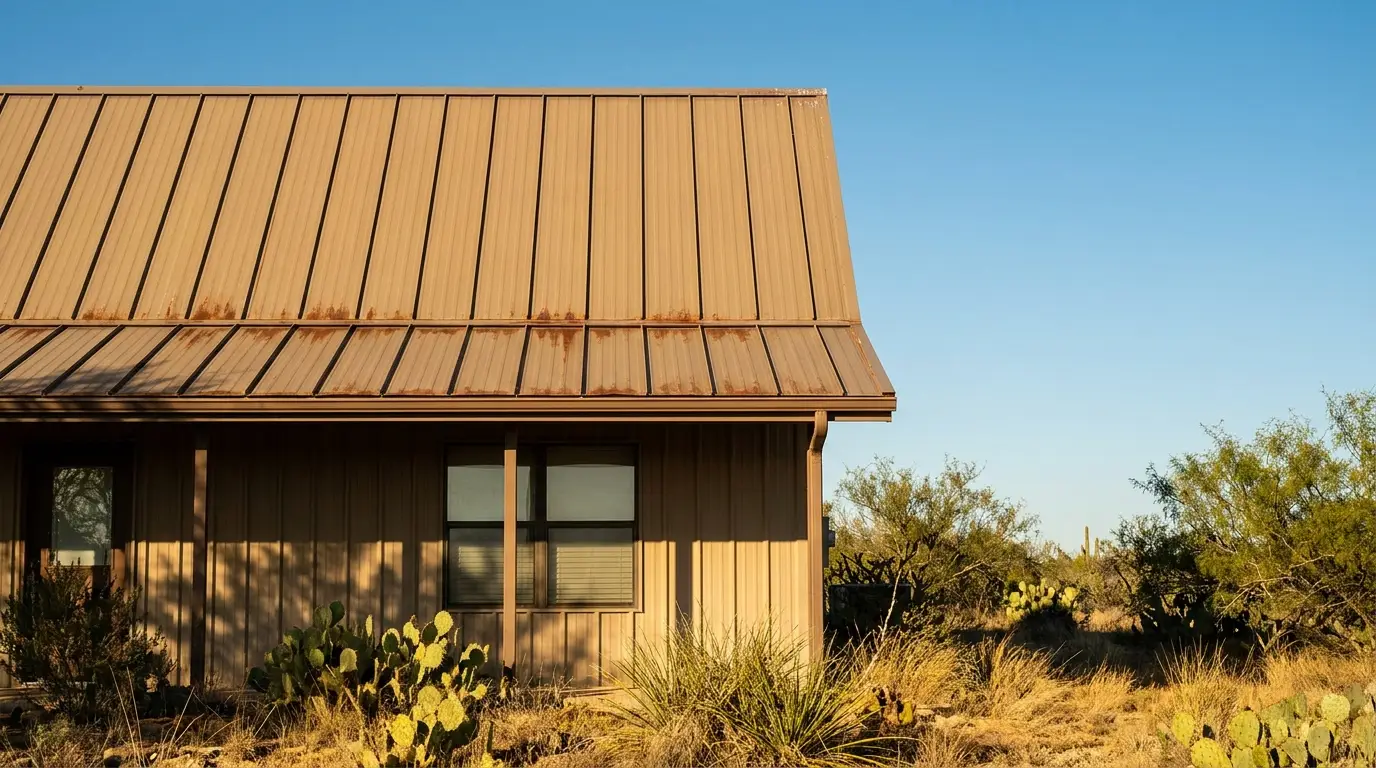
Metal roofing ranks high among eco-friendly roofing materials Texas families select. It reflects solar heat. It resists fire. It handles hail better than many traditional shingles.
Most metal roofs contain recycled materials. At the end of their service life, they can be recycled again. With lifespans that often exceed 50 years, they reduce long-term waste.
For homeowners who want durability without frequent maintenance, metal makes sense.
Cool Roofing Systems Texas Residents Use to Beat the Heat
Cool roofing systems Texas homeowners install are designed to reflect more sunlight and absorb less heat. Special coatings or light-colored surfaces improve reflectivity.
In Central Texas, attic temperatures can soar above 130 degrees during peak summer. Cool roofing lowers those numbers. The result is a more comfortable home and lower cooling costs.
If you plan a roof installation in Georgetown, TX, understanding how reflective materials perform in local conditions helps you make an informed choice.
Recycled Shingles and Sustainable Asphalt Options
Traditional asphalt shingles dominate the market. Yet modern versions now include recycled rubber and plastic. These materials increase durability and reduce landfill impact.
Some manufacturers also produce impact-resistant shingles that perform well during hailstorms. That added strength protects your home and may even qualify you for insurance discounts.
Clay and Concrete Tiles for Natural Durability
Clay and concrete tiles offer impressive longevity. They withstand heat exceptionally well. Their thermal mass slows heat transfer into the home.
These materials also resist fire and pests. Although they require strong structural support, their lifespan can exceed 50 years when installed properly.
For homeowners who love Mediterranean or Spanish-inspired aesthetics, tile delivers beauty and resilience together.
Living Roof Systems and Modern Green Designs
Green roofing solutions for homes sometimes include vegetative systems. These roofs support plant growth, which absorbs rainwater and insulates the structure below.
While more common in urban commercial settings, residential adaptations exist. They require specialized installation and structural planning. Yet they provide excellent insulation and environmental benefits.
Solar Roofing and Integrated Energy Systems
Solar roofing combines protection with energy production. Instead of mounting panels above shingles, integrated systems become part of the roof itself.
Homeowners reduce electricity bills while lowering carbon footprints. In sunny Texas, solar potential remains strong throughout the year.
Responsibly Sourced Wood Shakes
Wood shakes can qualify as eco-friendly when sourced from responsibly managed forests. They provide natural insulation and a classic appearance.
However, proper treatment and maintenance are essential in humid or storm-prone regions.
Benefits of Green Roofing Solutions for Homes in Central Texas
Lower cooling costs stand out first. When a roof reflects heat, your air conditioner works less. That means savings month after month.
Improved storm resistance comes next. Impact-resistant materials reduce the risk of leaks after hailstorms. Fewer repairs mean fewer unexpected expenses.
Environmental impact decreases over time. Long-lasting materials generate less waste. Recyclable components reduce landfill contributions.
Home value also improves. Buyers increasingly ask about energy efficiency. A sustainable roof signals lower future costs and thoughtful maintenance.
For women managing household budgets or planning long-term investments, these advantages provide both financial and practical reassurance.
How to Choose the Right System for Your Home
Start by assessing your home’s structure. Not every roof supports heavy tile or vegetative systems.
Review local building codes. Texas cities may require specific wind or impact ratings.
Compare warranties carefully. A long warranty often reflects manufacturer confidence in durability.
Consult certified professionals who understand local conditions. Experienced contractors explain how materials perform during Central Texas storms and summers.
When exploring options, many homeowners begin with trusted roofing companies in Georgetown, Austin, Cedar Park, and surrounding areas in Central Texas to evaluate certifications and product partnerships.
Ask questions. How does this material perform in hail? What maintenance does it require? Does it qualify as one of the best roofing materials Texas climate demands?
Clear answers guide confident decisions.
Are Eco-Friendly Options the Best Roofing Materials Texas Homes Need for Long-Term Value?
Sustainability and durability no longer compete. They work together. Modern materials prove that environmental responsibility can strengthen a home rather than weaken it.
When you choose eco-friendly roofing materials Texas weather can handle, you invest in comfort, savings, and protection. You reduce energy costs. You minimize repairs. You support greener living.
If you are planning your next upgrade, explore the best roofing materials Texas climate requires and partner with professionals who understand both performance and sustainability. Request a detailed roofing evaluation, compare energy-efficient options, and choose a system that protects your home and your budget for decades to come.