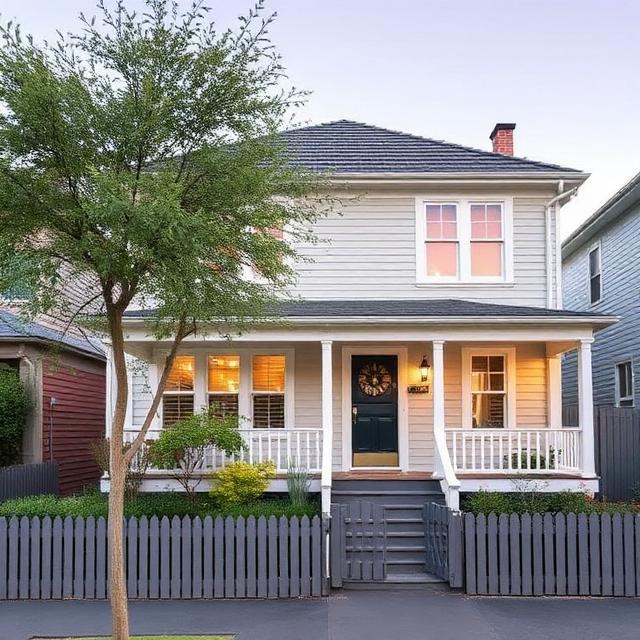
Step into older homes across New Zealand and you’ll notice a sense of history in the timber, the structure, and even the way the light falls through the windows. These homes carry a presence that newer builds often struggle to replicate. At the same time, living in them can come with trade-offs, from colder rooms to outdated layouts that no longer suit how you live today.
Fortunately, with the right approach, you can enjoy modern comfort without forgoing the details that make your home feel special. In other words, you don’t have to choose between charm and function. You can shape a home that honours both.
This article will walk you through how to make thoughtful updates that respect your home’s character while quietly improving how it works for you.
1. Work with Professionals Who Understand Heritage Homes
Transforming an older home calls for more than general building knowledge. It requires an understanding of traditional construction methods, local conditions, and the subtle details that define heritage properties. This means working with master builders NZ residents trust is essential. They know the unique structural needs of Dunedin’s houses that a general builder might overlook. They’re also familiar with local conditions, ensuring that restoration work remains consistent with the original design while meeting modern building standards. Moreover, these experts understand how to integrate necessary upgrades, such as modern insulation or updated wiring, without damaging historic materials.
In addition, partnering with master builders provides a guarantee for quality and accountability for your project. After all, they are known to deliver value to clients across the country. With their expertise, you can see quality results in a renovation that remains structurally sound and visually authentic for years to come.
2. Preserve What Makes Your Home Unique
Before making any changes, look closely at your home’s outstanding historical features. In Dunedin, that often includes original timber floors, sash windows, decorative ceiling roses, and detailed joinery. These elements aren’t just remnants of the past. Rather, they’re the architectural soul of the property that shapes your home’s character and long-term value.
Instead of replacing these features, work with your master builder on the best way to restore them where possible. For example, sanding and refinishing Rimu floorboards can bring warmth back into an old floor, while repairing window frames preserves both function and appearance. Even small efforts, such as restoring original doors or trims, can strengthen the overall character of your space.
3. Upgrade What You Don’t Immediately See
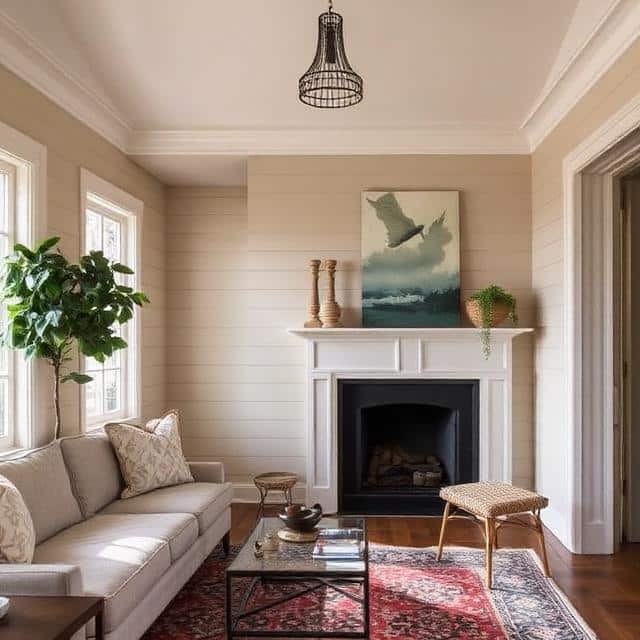
Older homes often hide their biggest challenges behind the walls. For instance, wiring may no longer meet modern safety standards, insulation can be minimal, and plumbing systems may struggle to keep up with daily use. Fortunately, a master builder will know how to maintain your home’s aesthetic when adding new wiring, modern PVC plumbing, and mains-pressure cylinders. Moreover, addressing these core utilities during renovation prevents the need to cut into heritage surfaces later, ensuring the home operates with the reliability of a modern build.
In particular, Dunedin’s damp, coastal climate makes thermal performance a priority. Effective moisture barriers and high-spec underfloor or ceiling insulation significantly reduce rising damp and heat loss. To combat draughts without removing historic joinery, consider discreet weather-stripping or secondary glazing, which maintains the original facade while mimicking the performance of double glazing. High-efficiency heat pumps or ducted systems can also be tucked into roof cavities or floor voids, providing consistent warmth that protects the building fabric from mould and condensation. This integrated approach ensures the home remains dry and healthy without compromising its traditional silhouette.
4. Blend Contemporary Updates with Existing Details
Modern upgrades can sit comfortably within an older home when they’re handled with care. You achieve this when you aim for a cohesive look instead of creating sharp contrasts. For example, your kitchen can feature updated appliances while still using cabinetry styles that reflect the home’s era. Bathrooms can also introduce new fixtures without losing their original tiles.
Colour choices play a significant role in anchoring these changes. When you select a palette of soft neutrals or heritage-inspired tones, you provide a backdrop that supports original features rather than competing with them. This approach allows the rich textures of native timber, the intricate patterns of stained glass, and the depth of ornate plasterwork to remain the focal points of the room. You then create a seamless transition between the historic structure and your contemporary additions.
5. Choose Materials That Respect the Original Build
Material choices can either support or disrupt the character of your home. Therefore, when replacing worn finishes, look for textures that mirror the original construction, such as reclaimed native timbers or lime-based mortars that allow old brickwork to breathe. Period-appropriate encaustic tiles in entryways or kitchens also provide a durable surface while referencing the geometric patterns common in Victorian and Edwardian Dunedin homes.
You don’t need to find an exact replica to achieve a cohesive result. What you need is consistent quality. For example, solid brass or forged iron hardware develops a natural patina, which modern plated plastics can’t replicate. This makes plastics feel out of place against heavy timber doors. Instead of choosing this material, pick natural materials like stone, wood, and wool so you create a tactile transition between old and new sections. This approach ensures that contemporary additions feel like a deliberate extension of the original craftsmanship rather than a disjointed afterthought.
Refresh Your Dunedin Home without Erasing Its History
Transforming an older Dunedin home is less about changing what’s there and more about understanding and enhancing what makes it beautiful. When each update respects the home’s original character, the result feels natural rather than forced. Moreover, you ensure that your home functions for a modern lifestyle while retaining the unique atmosphere that only an older building can provide.