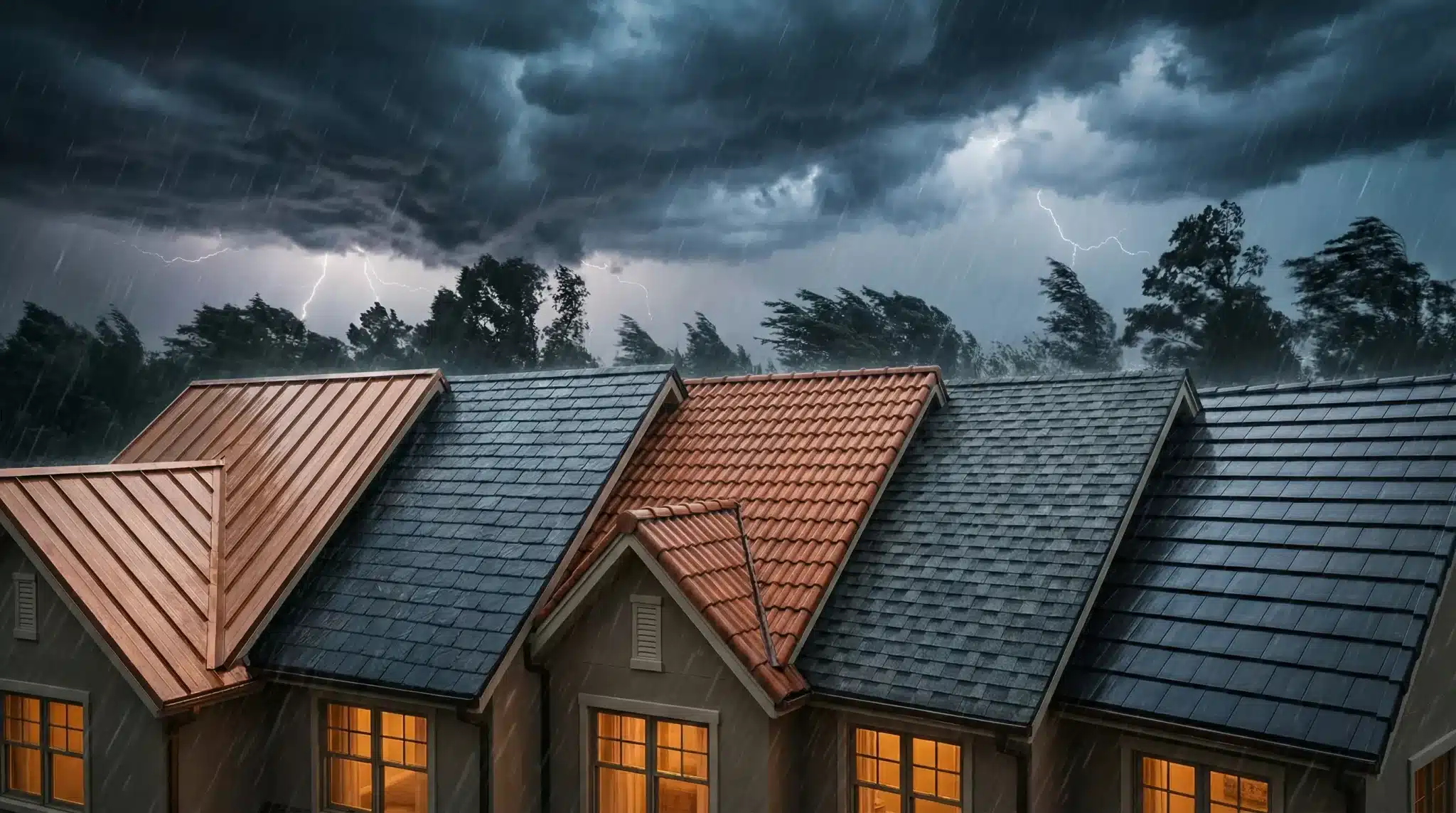
Roof failure shows up in small ways that aren’t always visible—until the roof suddenly fails completely. A few loose shingles, a minor leak, and a section that lifts slightly during strong winds could be all the warning you get. In areas with harsh weather conditions, these small problems grow faster than expected, especially if quality materials were not used for roofing.
Material choice plays a big role here. Roofing metal supplies are ideal for environments with heavy snow and wind, while slate and clay tiles are more ideal for areas facing higher heat. The right roofing material for you depends heavily on your environment and climate.
Why Material Choice Matters in Harsh Weather
The weather doesn’t affect roofs the same way. Some materials handle heat but might struggle with wind, and others can resist impact but wear down faster due to moisture exposure. Many people don’t realize that they’ve chosen the wrong materials during the installation, and that means they’re likely going to deal with future problems.
To avoid this, you should consider the location and weather conditions in which the house is built. Snow adds weight, while heavy rain sneaks through gaps in the material. Choosing the right material means you’re reducing damage, lowering long-term costs, and bringing down the chances of future repairs and maintenance.
What Makes a Roofing Material Weather-Resistant?
Many have a misconception that durable materials are weather-resistant, but that’s not always the case. A weather-resistant roof handles pressure from different conditions without failing quickly. It comes down to a few aspects:
- Strength against wind uplift
- Resistance to water penetration
- Ability to contract and expand in fluctuating weather and temperature
- Weight and how well the structure supports it
No material checks the box perfectly, but some perform better in specific climates. Understanding this helps you choose based on your environment, not just trends.
Metal Roofing
Metal roofing has become more common in areas that deal with strong weather shifts, as it performs well across varying weather conditions when installed correctly.
Strength in High Wind and Snow
Metal panels lock into place. This reduces the chance of different sections lifting during heavy storms. Metal roofs are often preferred as they:
- Handle high wind speeds better than traditional materials
- Allow snow to slide off instead of building up
- Reduce pressure on the structure during winter
The metal surface does not absorb water easily, which also helps during heavy rain.
Longevity and Maintenance
Metal roofs last longer than most options. They don’t crack the same way shingles do, and they resist mold and moisture damage. These roofs also require less frequent repair, hold shape in the long run, and perform consistently in changing climates. While maintenance is still required, it is less frequent compared to other materials.
Asphalt Shingles (High-Quality Variants)
Asphalt shingles are widely used as roofing materials, but not all of them perform the same in extreme conditions.
Cost vs. Performance Balance
High-quality variants offer better resistance than basic ones. They are:
- More affordable in comparison to other materials
- Easier to install and replace
- Works well in moderate weather conditions
They are chosen because they balance cost and performance.
Limitations in Extreme Conditions
Asphalt shingles have limitations that should not be overlooked. They:
- Last shorter in comparison to other materials
- Can be damaged due to strong wind, hail, or extreme heat
- Are easily affected by mold or algae growth (in humid climates)
While they are more affordable in the long run, the need for frequent repair and replacement may add up over time. These are suitable for homeowners looking for a budget-friendly option in areas without severe climate conditions or weather shifts.
Clay and Concrete Tiles
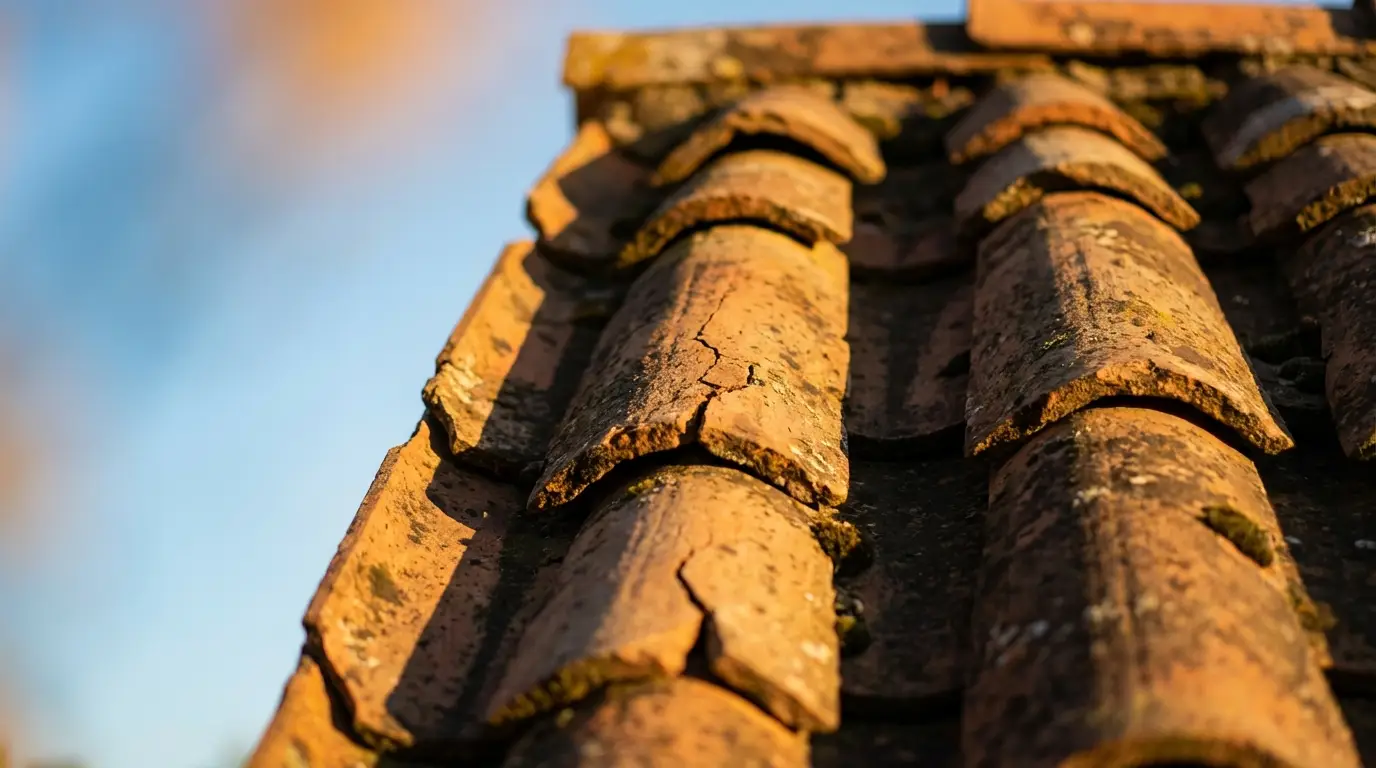
Clay and concrete tiles are durable and ideal for hot climates as they can withstand heat better than many other roofing materials.
Heat Resistance
These materials do not absorb heat in the same way as other roofing materials do. These tiles:
- Keep indoor temperatures stable
- Reduce heat transfer into the home
- Perform well in areas with strong sunlight
They’re also fire-resistant, which adds an extra layer of protection.
Weight and Cost Considerations
Clay and concrete tiles can be beneficial, but they’re both heavy and brittle, so they often require reinforcement to support the underlying structure. They also tend to have a higher upfront cost in comparison to other materials, but they have a longer lifespan of up to 50 years, which makes them cost-effective in the long run. These tiles are best for homes built in hot areas and areas with fire concerns.
Slate Roofing
Slate is a natural stone that is known for its durability. It is found in high-end properties and historic houses because of its premium appearance.
Durability Over Decades
Slate can last for decades with proper maintenance. Some have even lasted for over 100 years. These materials are:
- Resistant to weather damage
- Long-lasting and durable
- Resistant to fire and water damage
- Naturally aesthetically pleasing and have high resale value
- Able to handle both heat and cold conditions
Slate is one of the few materials that maintains its structure over long periods of time.
Cost and Structural Needs
These materials are very heavy and need reinforced roof structures. This comes at a cost of.
- A higher upfront expense
- Heavy materials that need structural support
- It requires skilled workers to install
It’s not the most common choice for every home, but it performs well, and its longevity and low maintenance requirement makes it a good investment for some homeowners.
Synthetic Roofing Materials
Synthetic roofing materials are designed to replicate traditional roofing products such as slate, cedar shakes, or tile, but they’re man-made components.
Engineering for Weather Resistance
Synthetic roofing materials, such as composite slate, are designed to mimic the appearance of other materials. However, they’re specifically designed to resist impact and moisture. They’re also less prone to cracking or breaking and can perform consistently across different climates. They are tested for durability, which makes them more predictable.
Lightweight Alternatives
These are lightweight and easier to install, especially when compared to materials like natural stone or tile. The weight also puts less pressure on the structure, so it works well as a replacement. This makes them useful for homes that cannot support heavier materials.
How to Choose the Right Material for Your Climate
Climate can affect the performance of the roofing material. What might work in one region may not work in another. Homeowners need to consider the weather conditions that the roof will have to face more often.
High wind areas need strong fastening and resistance, while snow-heavy regions need materials that shed weight. Meanwhile, hotter climates need roofing with heat-resistant qualities. If you’re confused about what material is right for you, reach out to a local roofing company for an inspection; they can assess the current roof and recommend what fits your environment.
When to Consider Repair vs. Replacement
Not every issue needs a full roof replacement. Sometimes, small problems can be handled by minor repairs. But if the damage is severe, replacement might make more sense. This is where roof repair and replacement decisions come in. Replacement is ideal if:
- Minor leaks or isolated damage can’t be repaired
- Widespread wear and tear has caused structural damage
- Your roof is more than 15+ years old and has been repaired before
If repairs need to be made repeatedly, it is a sign that replacement should be considered. Getting an inspection helps you to understand which option makes more sense.
Final Thoughts
Foundation repair fixes the damage, especially when handled by a team of experienced foundation repair contractors. Proper preparation is the key to helping the process go smoothly after it starts. Carefully protect your belongings, clean the space, and remove furniture that may create friction during work. A prepared home keeps the process steady and easier to manage from beginning to end.