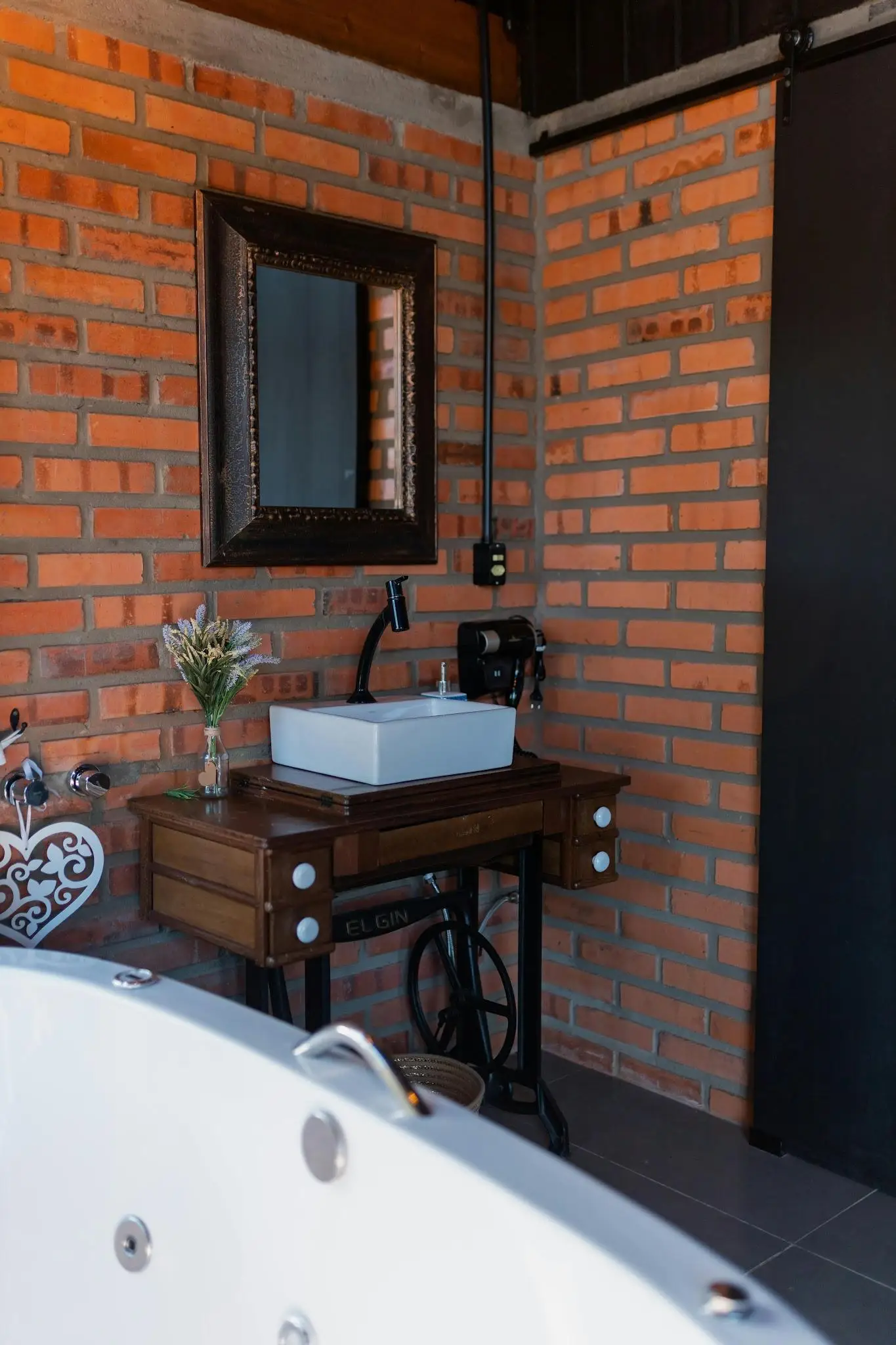
The three most effective ways to style bold decor effortlessly are selecting a single dramatic focal piece, grounding the room with heavy functional furniture, and matching metal finishes to create a cohesive visual anchor.
This approach transforms overwhelming spaces into curated conversation corners that feel both intentional and relaxed. Eclectic home style thrives on this exact balance, allowing a room’s statement décor to breathe rather than competing with crowded shelves or busy themes.
1. Choose One Statement Piece and Let It Lead the Room
The single biggest mistake decorators make is trying to feature too many elements at once. Bold decor earns its power from contrast, not competition. Every building needs at least one place for the eye to naturally fall on and rest. Without at least one focal point, the eye will wander, resulting in an agitated, visually unbalanced space.
One of the most striking ways to establish this hierarchy is through unexpected historical elements. Picture a narrow entryway featuring whitewashed plaster walls, a slim raw oak console table, and a plain ceramic vessel holding dried stems.
Mounted on the wall above it all is a striking suit of medieval armor from Medieval Collectibles, catching the light from an overhead fixture. For pieces like this, historical replicas provide centuries of visual weight without requiring competing artwork.
Keep a few spatial rules in mind when selecting a focal piece to ensure it commands the room properly.
- Scale to the wall, not the room. A piece that is too small for its backdrop disappears, while a proportional element commands attention. Traditionally, fireplaces are one of the most common focal points used in a room, but bold wall pieces serve the exact same structural purpose.
- Dramatic does not always require massive scale. A single helmet, well-lit on a pedestal at eye level, anchors a corner just as powerfully as a full wall installation. Additionally, focal points can easily be created with art or mirrors if historical artifacts are unavailable.
- Keep the surrounding palette neutral. Warm whites, raw wood tones, charcoal, and aged linen give the focal piece room to read clearly without visual noise.
|
Important: Giving the eye too many places to land immediately dissolves a room’s drama. Resist the urge to clutter; bold focal points require breathing room and neutral surroundings to truly command attention. |
2. Ground Your Space With an Industrial Dining Table That Works as Hard as It Looks
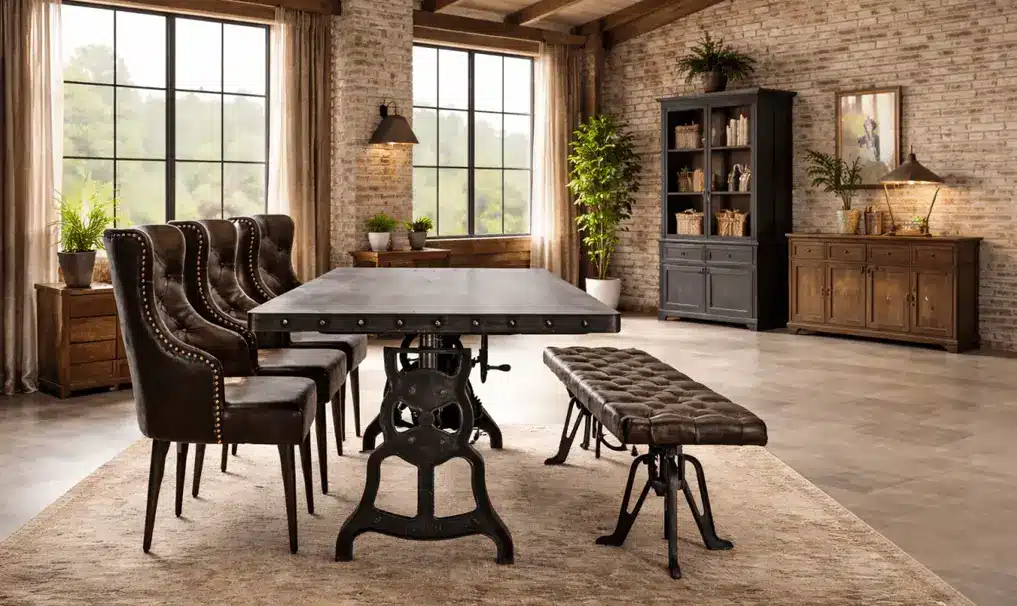
A bold focal piece needs a counterpart on the floor that is equally confident but heavily functional. This is exactly where the industrial dining room concept proves its value in styling.
Raw materials, honest construction, and mechanical character make the perfect modern foil to historical statement pieces. Where antique metalwork speaks to heritage, an industrial table speaks the same language in a contemporary dialect.
In an adjacent dining space, a solid, substantial surface provides necessary visual grounding. Overhead, a cluster of Edison bulb pendants casts a warm amber glow over a heavy reclaimed hardwood top with a cast-iron base.
Finding the right balance of rugged and refined materials often leads designers to Knox Deco’s vintage-style industrial dining tables, which utilize mechanical hand cranks and heavy-duty steel to anchor a room permanently. These adjustable-height mechanisms borrow engineering logic from early American factories, serving as quiet conversation pieces in their own right.
When evaluating what makes a strong room anchor, look for specific traits that balance the surrounding decor.
- Weight and visual solidity. A heavy, well-built table grounds the energy of a dramatic wall piece. Lightweight furniture beneath bold wall art creates visual instability.
- Natural materials that bridge eras. Reclaimed wood, cast iron, and stone connect to historical aesthetics without directly mimicking them.
- A function that earns daily use. The most effective room anchors are pieces you actually use. A table that adjusts, serves dinner, and survives heavy daily wear justifies its presence entirely.
|
Key Insight: Lightweight furniture placed beneath striking wall art creates immediate visual instability. A heavy, industrial-style table serves as the perfect structural counterweight to dramatic historical pieces. |
3. Tie It Together With Three Simple Unifying Touches
The gap between a bold historical display and a modern functional anchor is narrower than it appears. Both rely on raw materials, showcase evidence of skilled hands, and reward a closer look. The right finishing details close the remaining distance entirely through three specific choices.
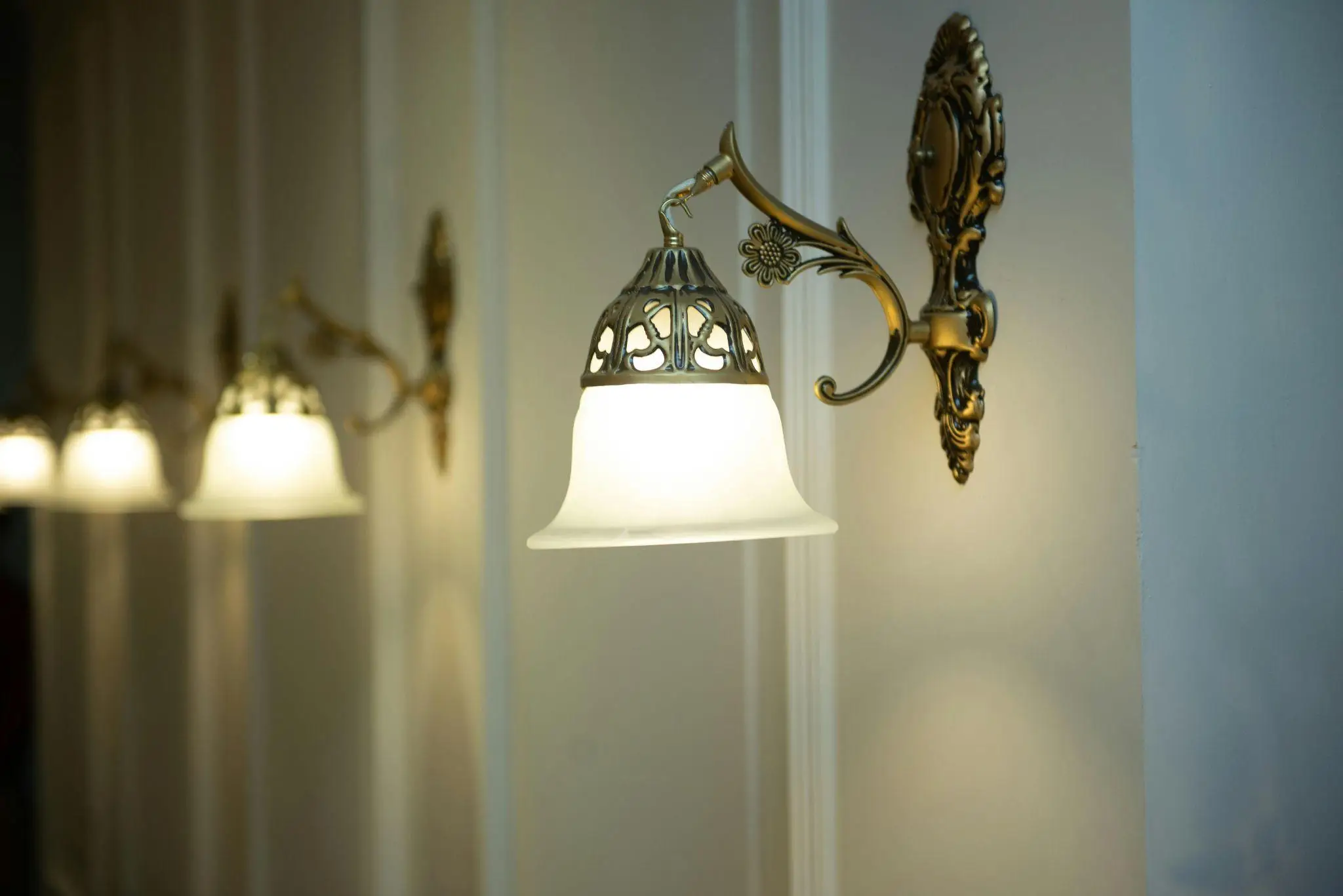
First, match your metal finishes. Pull the same metal tone, whether aged iron, blackened steel, or brushed bronze, from the statement piece and the table base, then repeat it in small accessories.
When drawer pulls, picture frames, and wall sconces share a finish, the room transitions from a collection of isolated purchases into a considered whole.
Second, layer neutral textiles. Introduce texture through natural, undyed fabrics like a jute rug, linen curtains pooling slightly at the floor, or a wool throw draped over a bench. Neutral textiles absorb visual noise, giving the eye somewhere to rest between bold elements.
Third, warm the lighting. Ambient, low-wattage warmth softens the harshness of metal and stone. Edison bulb pendants, taper candles, or warm LEDs in wall sconces act as invisible decor, making every element feel highly considered without drawing attention to the fixtures themselves.
These unifying touches hold across all combinations, whether styling a sculptural plant stand, a vintage map, or commanding metalwork.
|
Quote: Bold décor earns its place when everything around it is calm enough to listen. Ensure your textiles and lighting absorb visual noise rather than adding to it. |
Now, It’s Your Turn
Redesigning an entire room is rarely necessary to achieve a highly curated aesthetic. The process simply requires one bold piece that sparks genuine visual interest and the restraint to keep surrounding elements quiet.
Choose a singular focal point, ground the layout with heavily built functional furniture, and thread three unifying textures or finishes throughout the space.
Start by selecting the element that draws the most attention, whether that is a commanding piece of historical metalwork in the entryway or a massive reclaimed wood surface that finally anchors an unfinished dining area.
Let the architecture of the room build itself around that single anchor. The most compelling and memorable spaces always begin with one unapologetic, honest design choice.