The smell hits you first as that sharp exhale of freshly mowed grass bakes under a Saturday afternoon sun. Then come the sounds of kids calling out positions, the satisfying thud of a soccer ball, and laughter echoing over well-maintained garden beds.
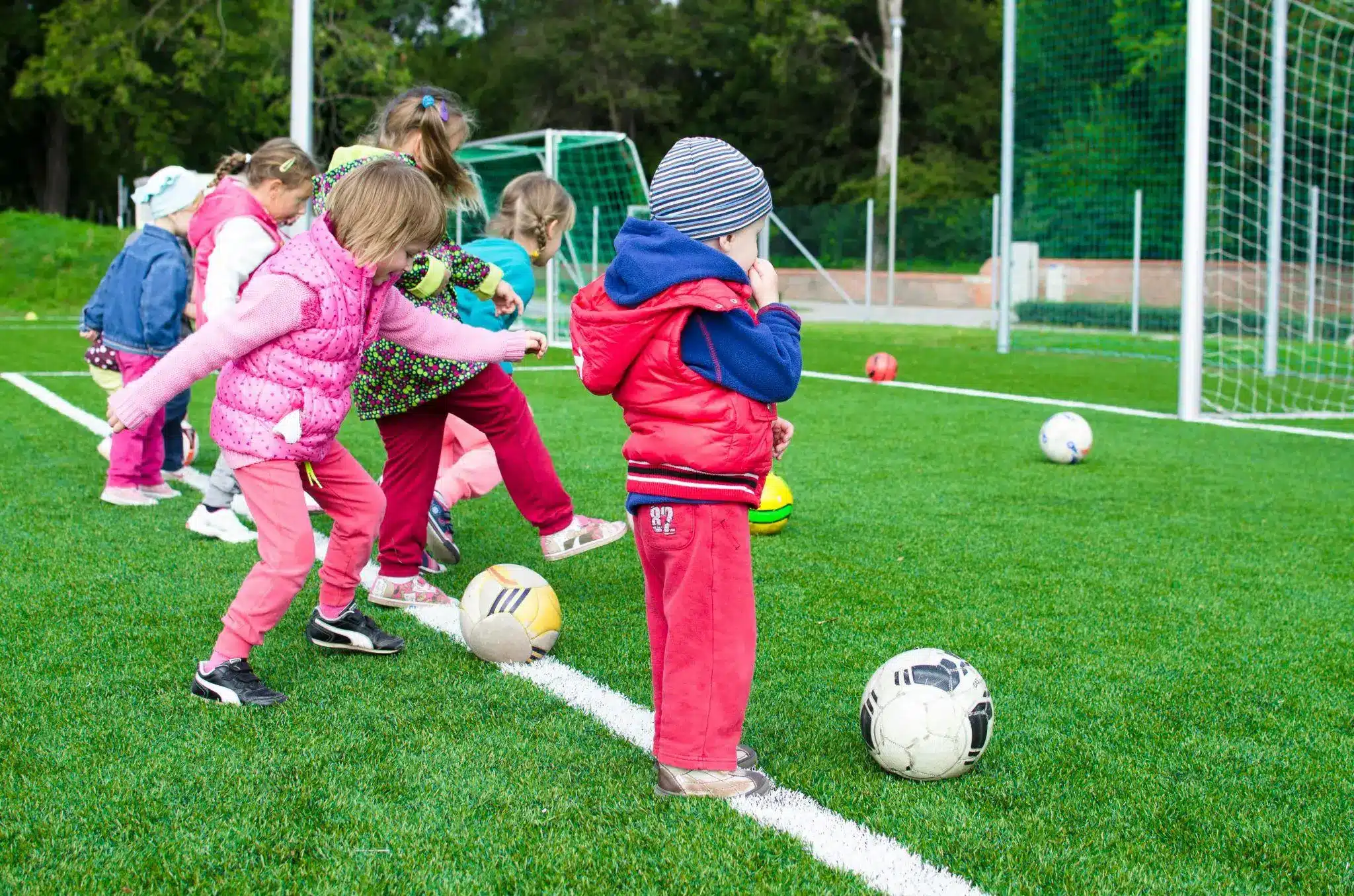
According to experts, play is serious business for your child because it helps their brains and bodies to develop, and provides a fun way for children to learn about themselves and the world around them.
By blending the beauty of a garden with structured play, hosts can easily organize outdoor activities that keep everyone engaged.
Whether organizing a neighborhood scrimmage or simply turning an outdoor space into a functional arena, the goal is maximum energy on the field and minimum effort off it. Draped over the fence hangs a row of bright sublimated jerseys, making the whole scene look intentional and unified.
Ordering Sports Gear Swag’s custom team soccer uniforms offers a stylish and practical option for these informal games without hassle. These three tricks cut the prep time down to minutes, focusing on creating boundaries, organizing gear, and structuring the fun.
1. The 10 Minute Micro Court Makeover
The single biggest barrier to a great backyard game is an undefined field, as players stand around unsure of boundaries. The fix requires ten minutes and zero construction to create a dedicated play area.
Walk the yard and find the flattest stretch, utilizing existing garden borders, fence lines, and patio edges as natural sidelines. A scaled 20-by-15-yard area plays perfectly for small groups and keeps the action tight.
Mark boundaries without tools by using a single stick of sidewalk chalk, colorful rope pegged with garden stakes, or bright cones. Doing a quick safety sweep to clear rocks, garden tools, and hoses ensures a safe environment for everyone.
If the surface is natural grass, standard molded cleats are ideal, but for a paved patio section, flat-soled trainers keep things safe. For evening play, repositioned patio flood lamps or outdoor string lights easily extend the game well past dusk.
|
Important: Always perform a quick safety sweep before play. Hidden rocks, misplaced garden tools, or coiled hoses can quickly turn a fun backyard game into an unexpected injury. |
2. The Gear Cheat Sheet for One Bag Every Game
A pre-packed gear bag eliminates the pre-game scramble and keeps outdoor activities instantly accessible. The core kit should include a quality soccer ball, six to eight boundary cones, a hand pump, a small first-aid pouch, and a set of matching kits.
Providing identical apparel instantly removes the debate over teams, allowing players to move with a shared sense of identity.
Establishing this team identity requires minimal effort when keeping a dedicated bag packed and ready by the door.
Round out the kit with a glow-in-the-dark soccer ball for dusk games, a reusable chalkboard painted plank for scorekeeping, and a small cooler tucked alongside. Self-serve refreshments ensure the host stays in the game instead of constantly playing caterer for the neighborhood.
|
Key Insight: Providing matching custom jerseys does more than just elevate the aesthetic. It instantly eliminates pre-game arguments over team divisions and creates a unified, shared identity among players. |
3. The Effortless Game Rotation
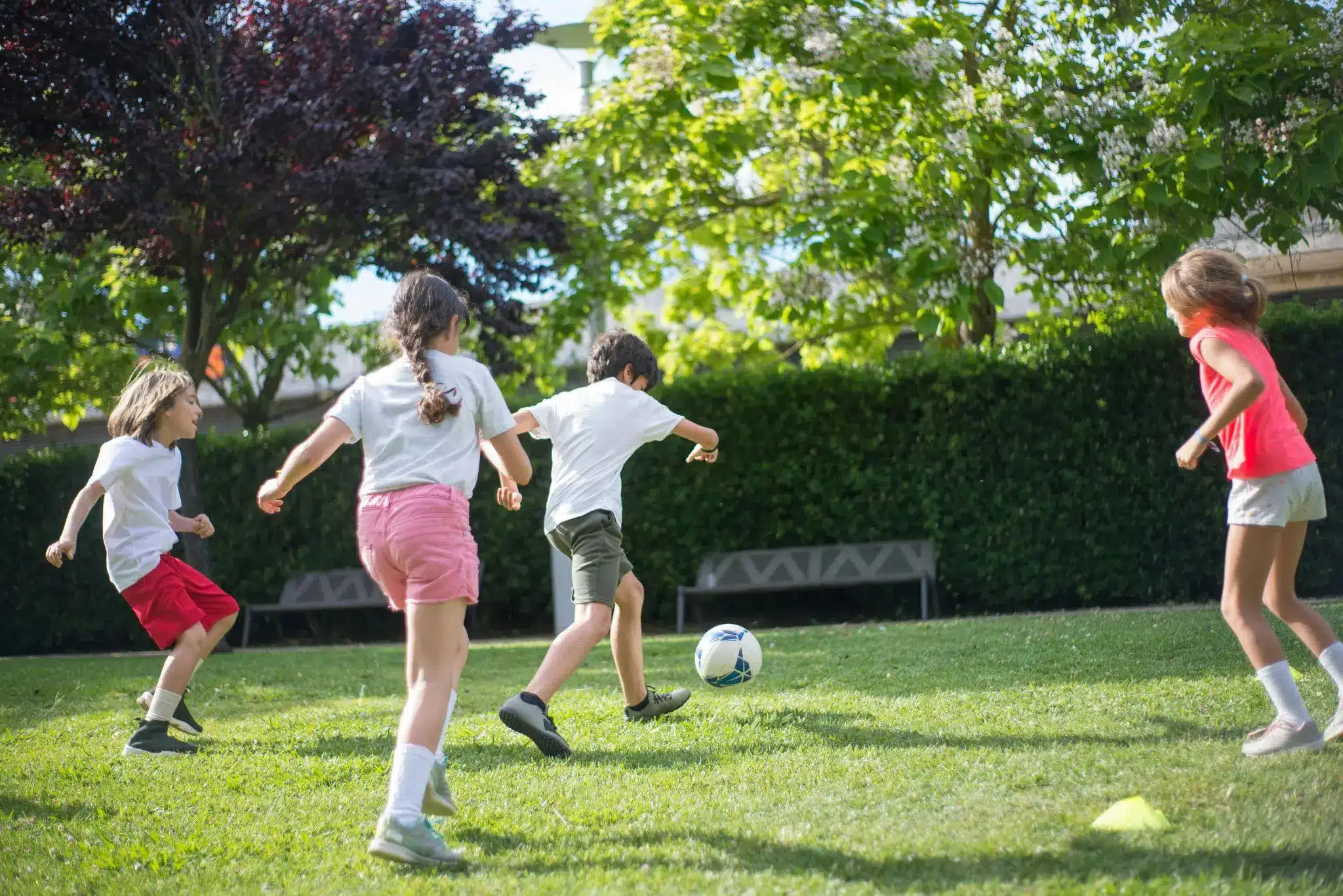
The enemy of a successful outdoor event is activity fatigue, which happens when one game drags on too long. A self-running rotation system allows the host to participate rather than manage the entire afternoon.
Build a rotation scorecard on a clipboard listing the game order, team names, and a simple point-per-win system. This simple structure helps maintain focus, as play encourages children’s brain development, allows them to use their senses, and promotes exploration and curiosity.
A four-game rotation accommodates all energy levels and maximizes the use of your backyard space. Start with a mini soccer scrimmage to utilize the team kits and anchor the event before moving to secondary activities.
Follow this with four-square using the chalk boundaries already in place, then transition to a bean-bag toss for lower-impact socialization. Finish with an obstacle course relay utilizing garden elements like pool noodles, hula hoops, and stepping stones.
Set a phone timer for ten minutes per station, and when it rings, ensure everyone rotates immediately. Structured play also helps children learn how to communicate and cooperate with others, building skills needed to be successful in school and relationships.
Pre-assigning teams on the scorecard turns the event into an official competition rather than a logistical chore. With a self-serve snack station stationed at the sideline, these game transitions happen naturally and effortlessly.
|
Pro Tip: Use a loud, distinct wireless speaker for your 10-minute rotation alarm. Making an automated timer the absolute authority removes host bias and prevents arguments when transitioning between games. |
Now, It’s Your Turn
Backyard game day does not require a perfect lawn or a weekend of stressful preparation. It simply requires a flat patch of grass, a gear bag packed the night before, and a rotation card that organizes the afternoon automatically. These three easy tricks yield hours of memorable gameplay with just ten minutes of setup.
Every backyard setup is different, influenced by unique garden borders and individual player rosters. Readers are encouraged to share their own outdoor activities, custom sports gear setups, and game day stories in the comments below.
Dropping a photo or tagging best moments with #BackyardGameDay helps the entire community discover new ways to make these weekend afternoons count.
|
Author Profile: Sports Gear Swag is the leading online retailer of custom sports apparel and gear for teams, schools, and organizations of all sizes. Specializing in team jerseys, uniforms, and athletic apparel with a wide range of customization options. |