It doesn’t matter if your are strolling through a local nursery, flipping through a seed catalog, or chatting with a neighbor about their thriving tomato plants, gardening has a language all its own.
And one of the most fantastic things about gardening is the opportunity it gives you to connect to different perspectives, foods, and even cultures outside your own. So, if you have ever walked into a Spanish-speaking garden center or would simply like to connect more deeply with the rich horticultural heritage of Latin America and Spain, knowing a few key Spanish gardening terms can go a very long way.
Picking up gardening vocabulary in Spanish is easier than you think, and it opens up a whole new world of cultural appreciation, practical know-how, and even a few surprising etymological stories along the way. Of which I will share a few in this piece, are you ready?
Getting to Know Your Garden in Spanish
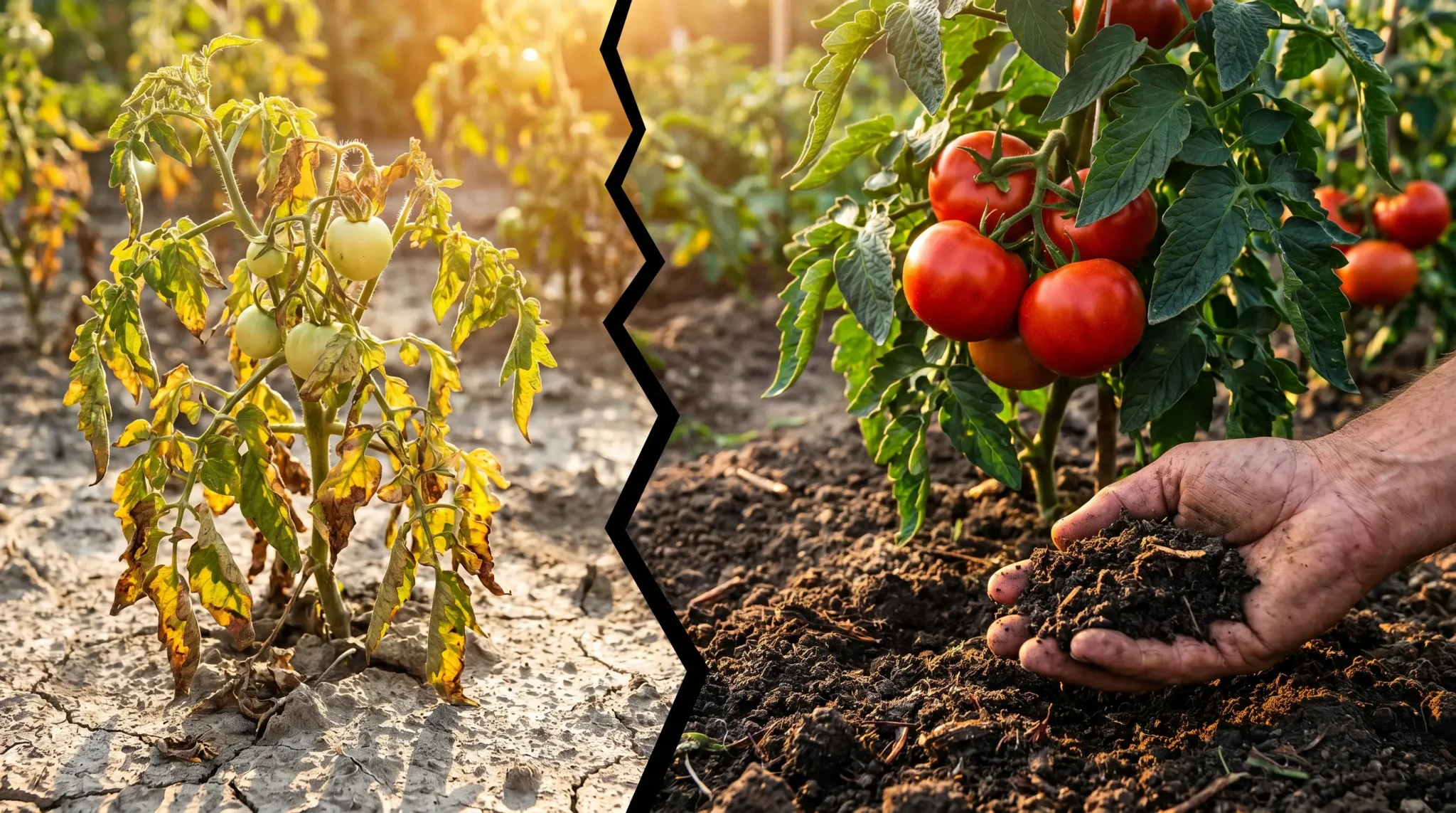
Every garden starts with the ground beneath your feet. In Spanish, the world for soil or earth is tierra, a word so deeply embedded in Latin American culture it appears in everything from folksongs to revolutionary slogans. And a common phrase for gardeners is buena tierra, which means rich fertile soil that’s ready to support life.
Your Basics
- Semilla: seed. The starting point of everything.
- Planta: plant. Simple, but I think you will agree with me, essential.
- Raíz: root. A word that has deep connections to indigenous cultures.
- Hoja: leaf. If there are many: hojas.
- Flor: flower. One of the most recognizable Spanish words, and one of the most important in any garden.
- Fruta: fruit. It can also be fruto, which can refer to the botanical fruit of any plant, not just the sweet kind that we eat.
It is very important to get comfortable with the basics which will help you navigate plant tags, care instructions, and conversations at any Spanish-language nursery.
But you also need to know about las herramientas: the tools.
It is often said that a gardener is only as good as their tools and knowing what to ask for makes all the difference.
Pala: shovel or spade.
Rastrillo: rake. Perfect for clearing leaves (hojas! Good! You are already getting it!).
Manguera: garden hose.
Maceta: flowerpot or planter. This is one of the most used words.
Tijeras para poder: pruning shears. Tijeras means scissors, and podar means to prune, so put together “pruning scissors.”
Carretilla: wheelbarrow. A fun word to say out loud, and an indispensable tool in any serious garden.
Other key words that you need to know are definitely the ones around actions and techniques, as you know, gardening is about doing. And Spanish has a rich set of verbs to describe the work:
Regar: to water. Probably the one gardening verb to learn first. Along with the phrase: “Ya regaste las plantas?” (Have you watered the plants).
Plantar: to plant. Easy to use. Phrases like “Hay que plantar las plantas” (We need to plant the plants.”
Podar: to prune or strim. One of the marks of an experienced gardener is knowing when to do this.
Trasplantar: to transplant. Moving seedlings from a small maceta to the open tierra or a bigger pot. Which can be one of the most exciting parts of gardening.
Cosechar: to harvest. Perhaps the most rewarding verb in the entire gardening vocabulary.
Why These Words Run Deep
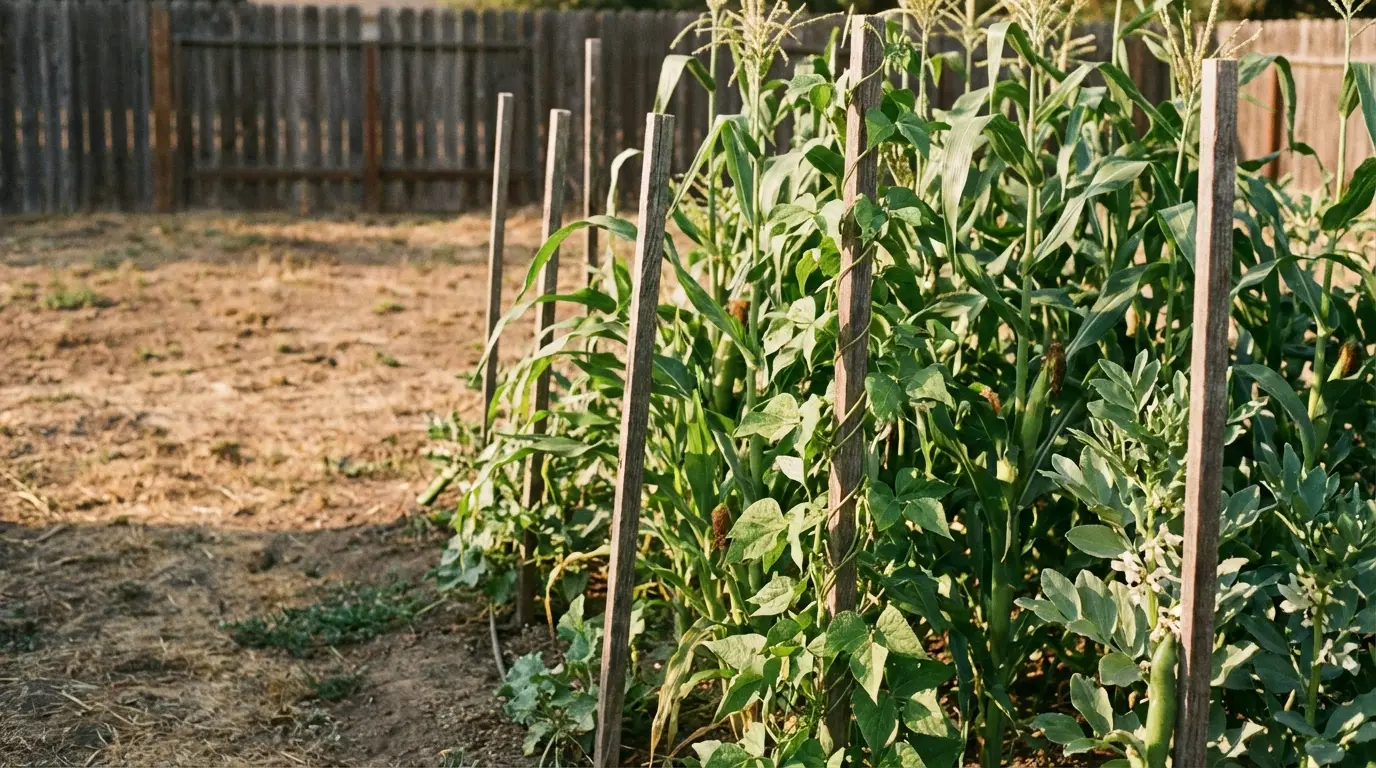
Language and land are inseparable in many Spanish speaking cultures. The indigenous communities of Mesoamerica developed some of the most sophisticated agricultural systems in human history, and many of their techniques, like the milpa, a companion planting method combining corn (maíz), beans (frijoles), and squash (calabaza), are still practiced today.
The Spanish language that arrived in the Americas blended with the indigenous languages like Náhuatl and Quechua, giving us words that gardeners still use. Like Aguacate (avocado), chile, tomate, and cacao all trace back to Náhuatl. When you say these words, you’re carrying thousands of years of agricultural history with you.
And in Spain, the tradition of the huerta (which can also be found in many places in Latin America) which is a kitchen garden or a market garden, dates back to Moorish influence and is still central to the culture of regions like Valencia and Murcia. The word huerta evokes not just a plot of land, but a whole way of life tied to seasonal eating, family labor, and community.
Huerto Urbano, a more modern term, means city garden. Huerto comes from the word huerta and urbano means urban or city. So talking about a Huerto Urbano refers to a huerta that is kept in a city.
Understanding these roots doesn’t just make you an informed garden that can talk their way in a Spanish speaking garden but it connects you too. Learning Spanish gardening terms is more than a linguist exercise, it is an invitation to see your garden through a different cultural lens. Full of the ancient wisdom of the milpa, to the more modern Huerto Urbano, to the everyday rhythm of regar and cosechar. These words connect us to a rich global tradition of growing and nurturing life.
And while being able to communicate efficiently or understand in a much deeper way, a different gardening culture, it is also a beautiful opportunity to expose kids to a foreign language.
One of the things most people love about gardening is that it is inherently hands-on, which makes it one of the best environments for language learning, especially for kids. When a child holds a semilla in their hand, plants it in la tierra, and eventually watches a flor bloom, those words and phrases stick in a way that no flashcard ever could.
But what happens when the gardening hour is done? And your kid is already loving speaking bits and pieces of a new language you have no idea how to speak properly yourself… that’s where programs like TruFluency Kids Spanish comes in to offer a structured way to support your child’s Spanish language journey beyond the garden. With immersive, conversational lessons that build real fluency in a fun and engaging way. Pairing outdoor learning with consistent language instruction is definitely an effective and enjoyable approach to raise a bilingual child.