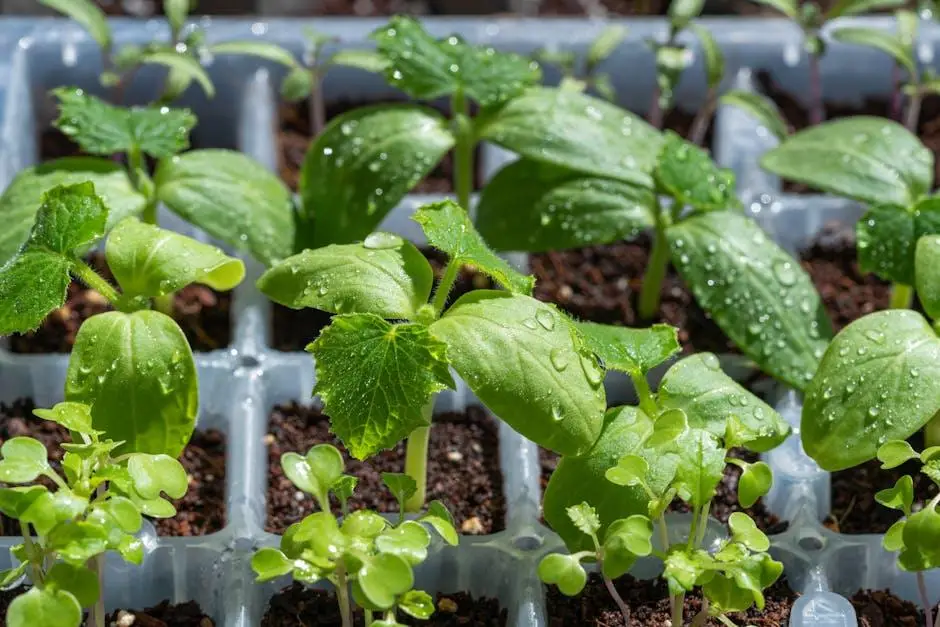
Some plants, they guard.
I didn’t believe it at first either. But once I noticed fewer bites and buzzing after planting a few herbs near my porch, I paid attention.
Learning what plants keep bugs away changed how I saw my yard. These plants quietly do the work for you.
I’ll walk you through the best bug-repelling plants and what kinds of bugs they actually keep away.
You’ll see how to place them in the right spots, what makes them work, and how to keep them healthy.
If you’re tired of itchy skin and flying pests, these natural bug blockers might be what your space needs.
Why People Use Plants Instead of Chemical Bug Control
Many gardeners and homeowners now use plants instead of chemical bug sprays for one big reason: they want fewer harsh products around their homes.
Using plants feels safer, especially for kids, pets, and the soil.
These plants don’t just help keep bugs away; they also look good and often smell nice. Some can even be used for cooking or tea.
Plant-based bug control is low effort once set up. You don’t need to spray often or worry about reapplying anything.
But it’s important to be real, plants don’t get rid of all bugs. They help reduce the number of insects around certain areas, not fully remove them.
Plants work best when you place them where bugs enter or hang out, like doorways, patios, or garden beds.
If bugs are already heavy in an area, though, you might need extra help. Still, these plants can be a smart first step.
What Plants Keep Bugs Away Most Effectively
Not all bugs hate the same plants, and not all plants work the same in every spot.
To really see results, you need to match the plant with the type of insect you’re dealing with. Placement matters too.
Some plants do best right near where people sit. Others help more when planted along the edges of your garden or near your vegetables.
Let’s see by insect type so you can pick what works best for you:
Plants That Help Repel Mosquitoes
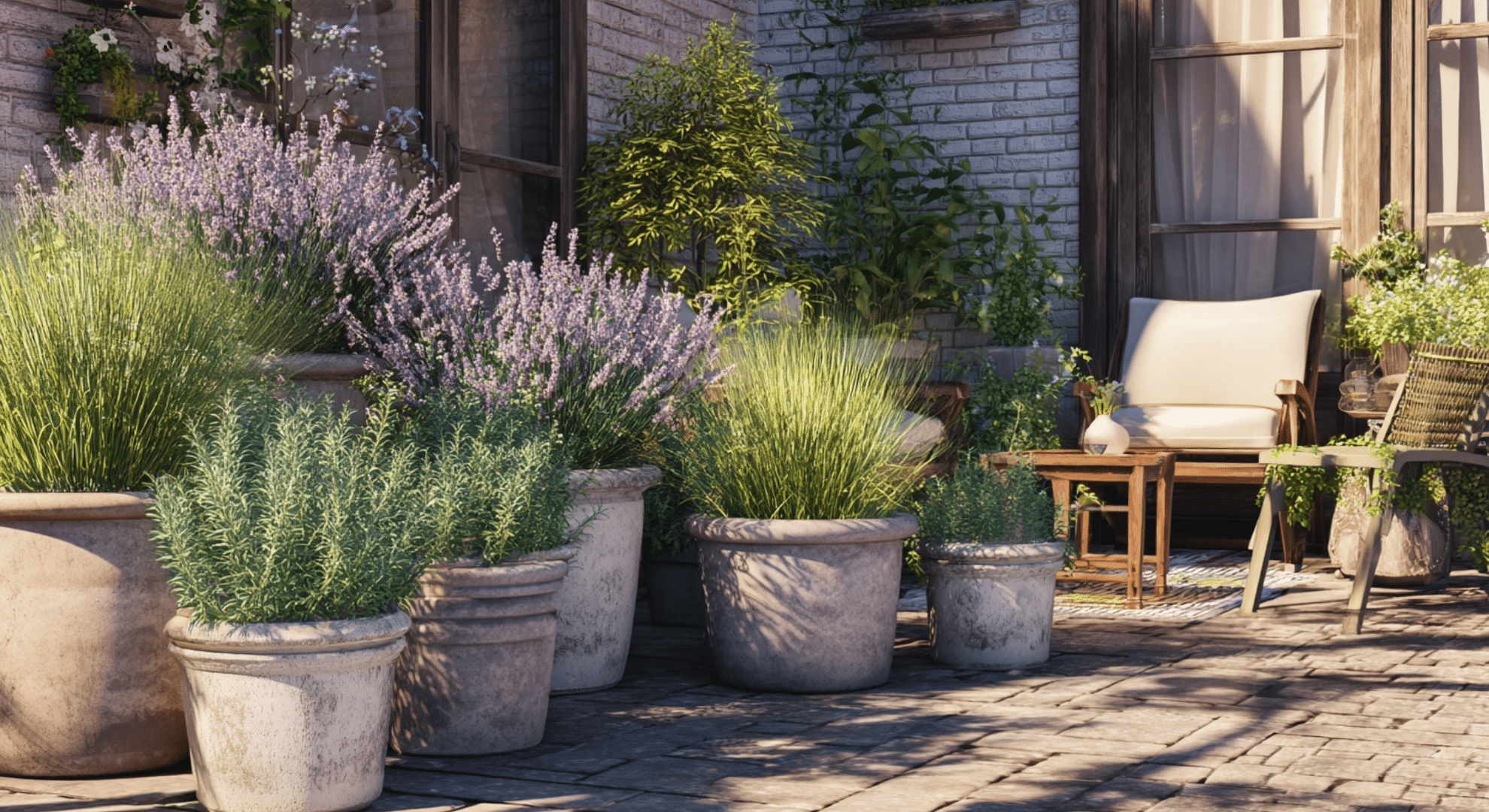
Lavender
Why it works: Lavender has a strong scent that mosquitoes don’t like. The oils in the leaves and flowers throw off their sense of smell.
Where to place it: Great for garden beds, walkway edges, or big pots on porches.
Best location: Works best outdoors near doors, windows, or seating areas where mosquitoes like to sneak in.
Lemongrass / Citronella Grass
Why it works: This plant is a natural source of citronella oil, often used in bug-repelling candles.
Where to place it: Needs a warm, sunny spot in large pots or straight in the ground.
Best location: Strongest effect near patios or decks where people gather.
Catnip
Why it works: Contains a compound called nepetalactone, which repels mosquitoes even better than DEET in some cases.
Where to place it: In pots or garden edges. It spreads fast, so pots help keep it in check.
Best location: Close to outdoor seating for better mosquito control.
Basil
Why it works: Basil’s oils repel mosquitoes and flies. It gives off a sharp scent that insects avoid.
Where to place it: In pots near doors, windows, or patio tables.
Best location: Right next to where you eat or sit outside.
Rosemary
Why it works: Its woody smell and natural oils help repel biting bugs.
Where to place it: In garden beds or pots near outdoor grills or tables.
Best location: Works best outdoors, especially when crushed or burned as part of cooking.
Plants That Help Repel Flies
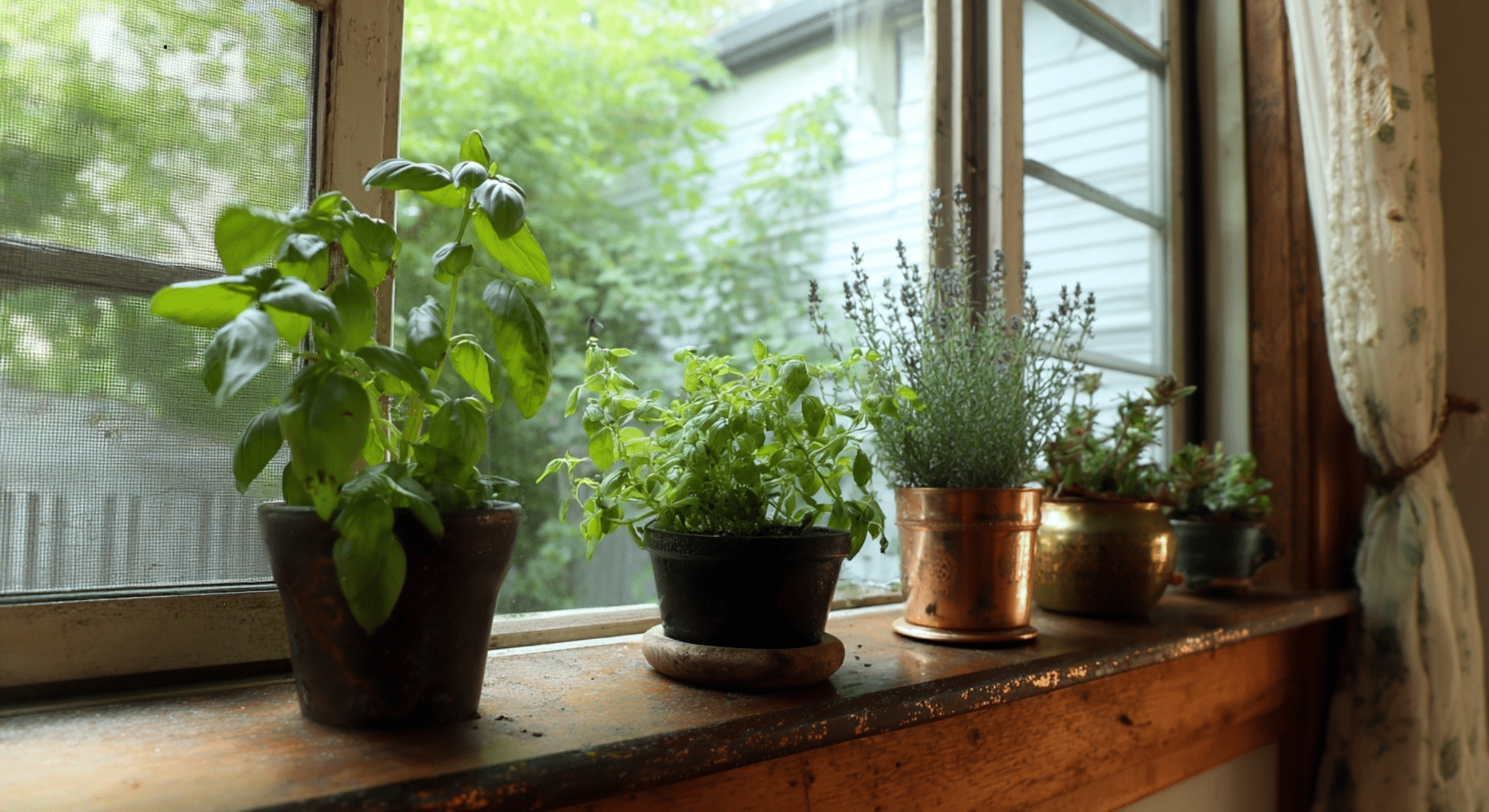
Basil
Indoor vs. outdoor: Works well in both.
Best placement: Keep pots near kitchen doors, windows, or your outdoor dining spot. The scent helps keep flies out of your home and away from food.
Mint
Indoor vs. outdoor: Mostly outdoor, it spreads fast and needs space.
Best placement: Great for planting around patios, garbage bins, or near entryways. Grow in pots to control it.
Lavender
Indoor vs. outdoor: Works in both places, but is stronger outdoors.
Best placement: Place near windows, porch railings, or by doorways. Flies don’t like the smell.
Bay Laurel (Bay Leaf Plant)
Indoor vs. outdoor: Good for both.
Best placement: Keep a pot near your kitchen or entry points. You can also hang dried bay leaves near food prep areas to help stop flies from coming near.
Plants That Help Repel Ants, Aphids, and Soft-Bodied Pests
Mint
Companion use: Grows well near cabbage and broccoli to keep aphids away.
Where to plant: Around garden edges or in pots near plants you want to protect.
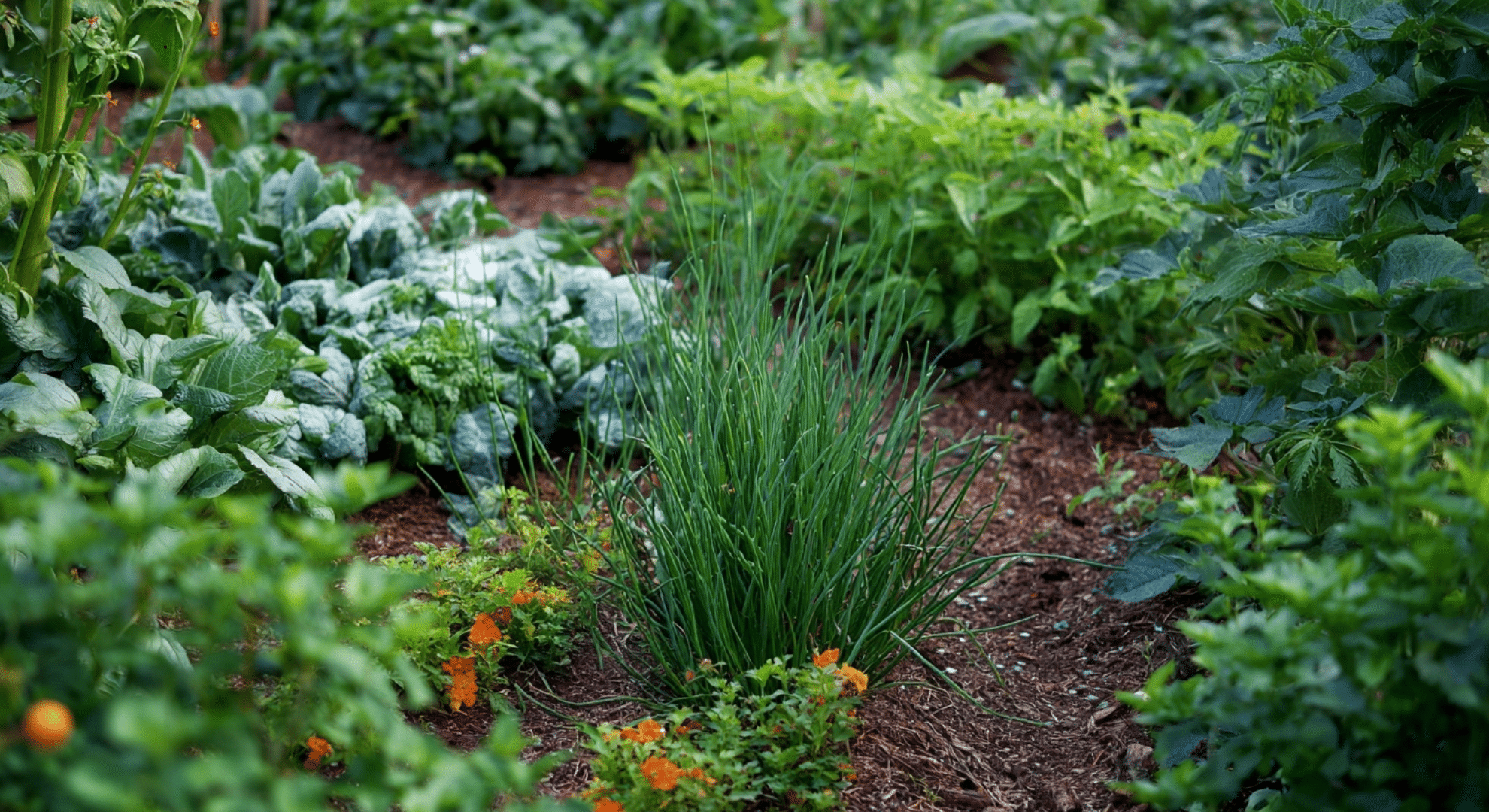
Chives
Companion use: Works well planted near carrots, tomatoes, and roses.
Where to plant: Right in garden beds to help keep aphids, ants, and other soft-bodied bugs away.
Garlic
Companion use: Grows well with tomatoes, peppers, and fruit trees.
Where to plant: In rows between vegetables or as a border. Keeps away aphids, spider mites, and some beetles.
Marigolds
Companion use: Excellent near tomatoes, beans, squash, and lettuce.
Where to plant: All around vegetable garden borders. Helps repel aphids and also keeps nematodes out of the soil.
Plants That Help Repel Beetles, Moths, and Common Garden Pests
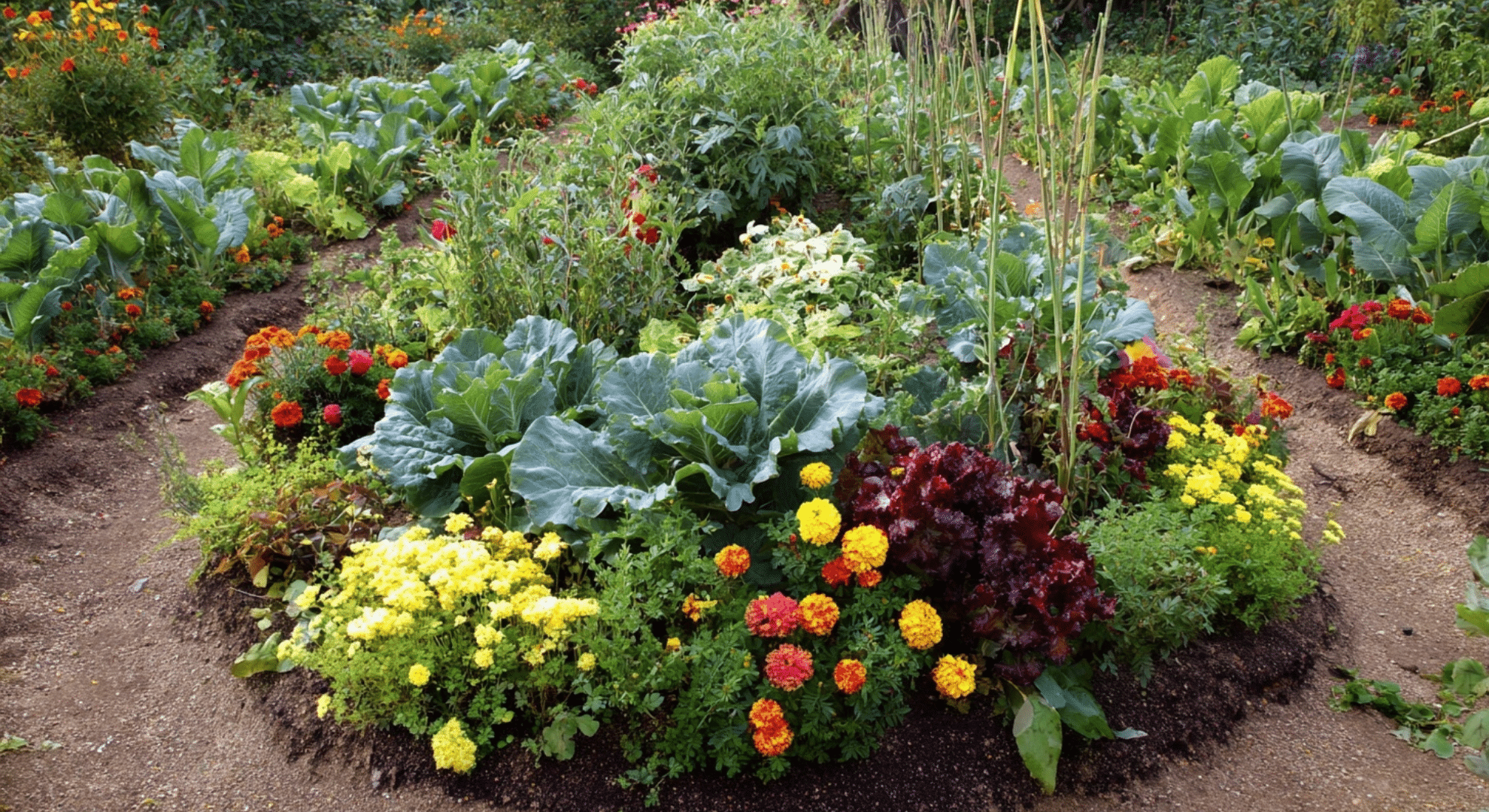
Marigolds
Which crops benefit: Tomatoes, beans, squash, and even some fruit plants.
How it works: Gives off a smell that drives away beetles and some moths. Also traps some pests like whiteflies.
Chrysanthemums
Which crops benefit: Good for all garden beds.
How it works: Contains pyrethrum, a natural pest fighter. Helps control beetles, ticks, and moths. Grows well around the edges of most vegetables.
Nasturtiums
Which crops benefit: Great for beans, tomatoes, and cucumbers.
How it works: Attracts pests like aphids and beetles away from other crops. Works as a “trap plant.”
Thyme
Which crops benefit: Cabbage, eggplants, and strawberries.
How it works: Repels cabbage worms and whiteflies. Best when crushed a bit to release scent oils.
Best Bug-Repelling Plants by Location
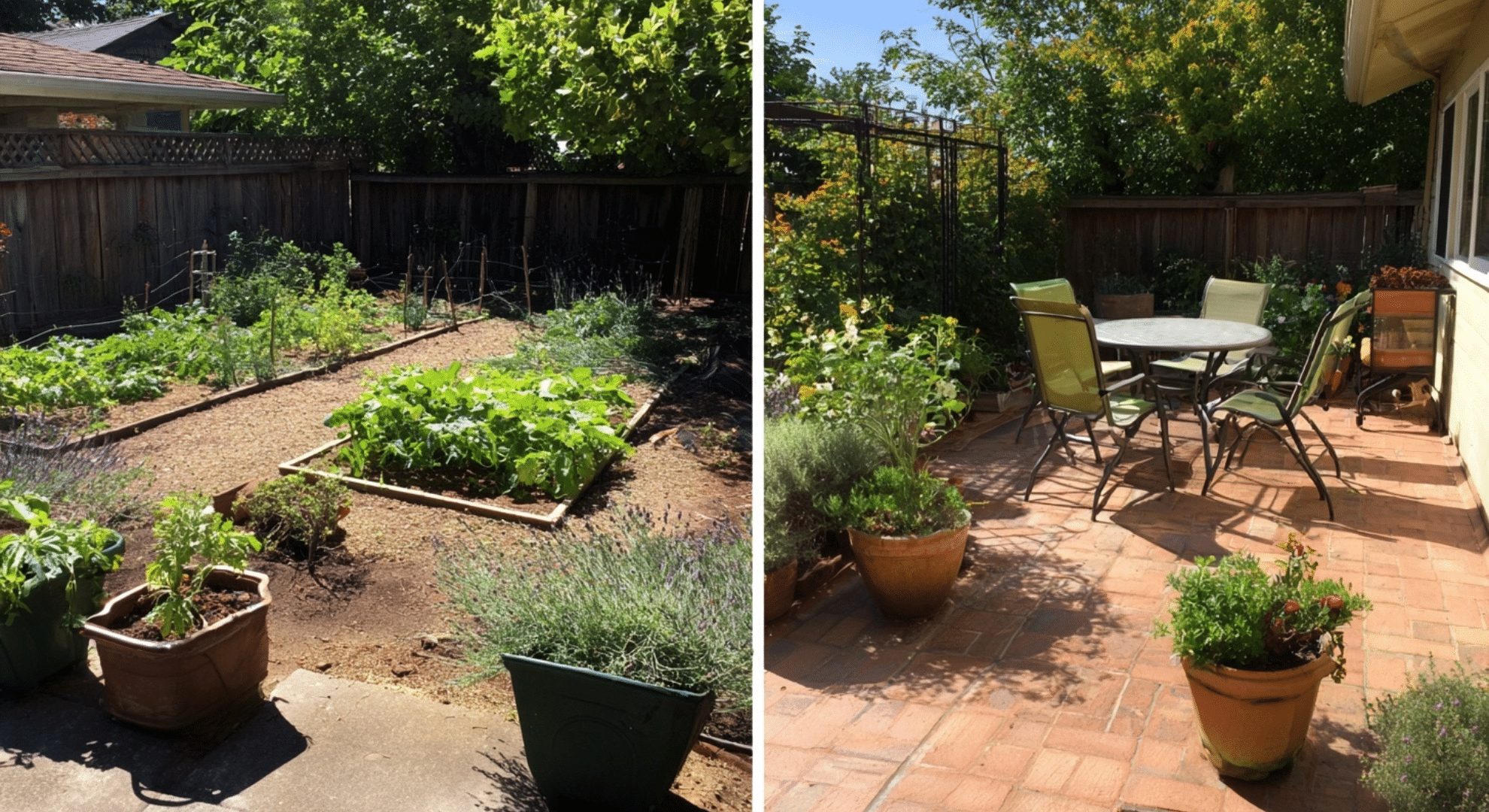
Different places around your home attract different bugs. That’s why some plants do better in one spot than another. Here’s how to place them based on where you need the most help:
Plants for Vegetable Gardens
- Tomatoes: Use basil, marigolds, and chives nearby. These help with mosquitoes, aphids, and whiteflies.
- Carrots: Plant chives and garlic near them. These help chase away aphids and root flies.
- Cabbage: Add thyme, mint, or marigolds. They can help with cabbage worms and moths.
- Beans: Surround with marigolds and nasturtiums to reduce beetles and aphids.
Where to plant: Put bug-repelling plants in between rows or around the border of the vegetable patch.
Use taller plants on the sunny side so they don’t block light.
Plants for Patios, Decks, and Outdoor Seating Areas
Best potted plants: Lavender, lemongrass, basil, and rosemary work well in containers.
These plants help with mosquitoes and flies.
How many plants you need: For a small sitting area, 3–4 medium-sized pots spread around the space usually help. For larger patios, use 6 or more.
How to group them: Place different plants together in one pot to boost the scent. For example, pair rosemary, lavender, and basil in a wide container.
Spread these around corners, steps, or next to tables for the best coverage.
How Bug-Repelling Plants Actually Work
Bug-repelling plants work mainly through their smell. The scent comes from natural oils in the leaves, flowers, or stems.
These oils confuse or bother insects, making it hard for them to find you or your food. Some oils even keep bugs from landing or laying eggs nearby.
Crushing the leaves or brushing against the plant releases more of these oils into the air. That’s why moving or trimming the plants sometimes makes them work better.
Wind and spacing also matter. If plants are too far apart, the scent gets lost. If they’re packed too tightly, airflow drops and the oils don’t spread well.
Placement near doorways, seating, and windows helps block the spots bugs like to sneak through.
But one plant alone often isn’t enough. You need several of them, placed close together, to build a strong scent wall that bugs will actually avoid.
Think of it as building a team, not using a single guard.
How to Use Bug-Repelling Plants So They Actually Help
Bug-repelling plants can be useful, but they only help when used the right way. A common mistake is planting just one or two and expecting all the bugs to disappear. That won’t work. The number of plants you need depends on the size of the space.
In small areas like a patio or balcony, three to four medium-sized potted plants placed around where you sit or eat is usually enough. For bigger spaces like gardens or yards, you’ll need six or more to create stronger coverage.
Where you place the plants matters just as much. They should be close to places where bugs try to enter, like doorways, windows, and seating areas.
Grouping a few different types of plants together in one wide container can also boost their scent and make them more effective.
It’s also easy to make placement mistakes. If plants are too far apart, too low, or hidden behind furniture, the smell won’t spread well. Dry plants don’t release as much scent either, so watering regularly is key.
Even with good placement and care, these plants only reduce bugs; they won’t wipe them out.
If bugs are still a problem, combine the plants with simple fixes like fans, citronella candles, removing standing water, and using screens.
These steps work better together, giving you stronger protection and fewer bites.
Plants That Trap Bugs Instead of Repelling Them
Some plants don’t just keep bugs away, they catch them. These are called carnivorous plants, and they survive by trapping and digesting insects. Two well-known examples are pitcher plants and Venus flytraps.
They work in a different way than other bug-repelling plants, and they can be useful in the right spots.
Pitcher plants have deep, tube-like leaves filled with liquid. Insects fall in and can’t crawl back out. They’re especially good at catching flies, ants, and even wasps.
Venus flytraps use fast-moving leaves that snap shut when triggered by a bug, usually small flies or gnats.
These plants are helpful in small, humid areas like porches, greenhouses, or indoor spots where bugs gather. But they aren’t strong enough to protect larger outdoor areas.
They don’t give off strong scents to push bugs away, so they work best when placed where bugs already show up, not to stop them from coming in.
Conclusion
Using plants to deal with bugs made my space feel calmer and cleaner, without all the harsh sprays.
I learned that knowing what plants keep bugs away comes down to matching the right plant with the right place. Once I did that, I noticed a real difference.
You can do the same by picking a few plants that fit your space and your needs. Keep them close to where bugs usually show up.
Don’t forget to use enough of them and group them smartly. That’s how they work best.
It also helps to mix in a few other simple fixes for stronger results. If you found this helpful, there’s more where this came from. Take a look at my other blogs for more ways to keep your home bug-free, naturally!