Around 12% of the US population moves each year, which is 41 million people.
A sudden move can hit like a fire drill. Maybe your lease ended early, you got a job transfer, a family emergency came up, or the house sold faster than expected. Either way, you’re staring at your stuff and thinking, “How is this possible in 24 to 72 hours?”
Here’s the good news: packing and relocating fast isn’t about perfect boxes and color-coded labels. Speed comes from smart triage. You decide what matters first, keep your essentials close, and make a simple plan you can actually follow.
This guide gives you a calm, practical path for the next few days, what to pack first, how to stay organized (even when you’re not), and how to get help quickly.
First 30 Minutes: Stabilize the Situation and Make a Simple Game Plan
When you’re rushing, chaos doesn’t start with the boxes. It starts with decisions you keep postponing. So take 30 minutes and get “good enough” clarity.
First, set your timer for 10 minutes and walk through the home. You’re not packing yet. You’re spotting the problem areas: the junk drawer, the bathroom shelves, the “I’ll deal with it later” closet. Next, pick your move method: friends, same day movers, a rental truck, or a mix. Then choose a simple rule: you’re labeling by room only, not by category.
Now do a quick, sentence-style checklist to prevent a spiral. Put your phone on the charger, grab a marker and tape, clear one flat surface as a packing table, and pick one “no packing” zone for items that must stay with you. After that, text the people who can help, even if you’re not sure you’ll need them. You can always cancel, but you can’t always book last-minute help.
Pack an Essentials Bag You Never Put on The Truck
The average person moves 11.7 times in their life. You need a designated do-not-lose bag. Use a backpack or small suitcase, and keep it with you or in your car the whole time. If everything else goes sideways, this bag keeps you functional.
Include:
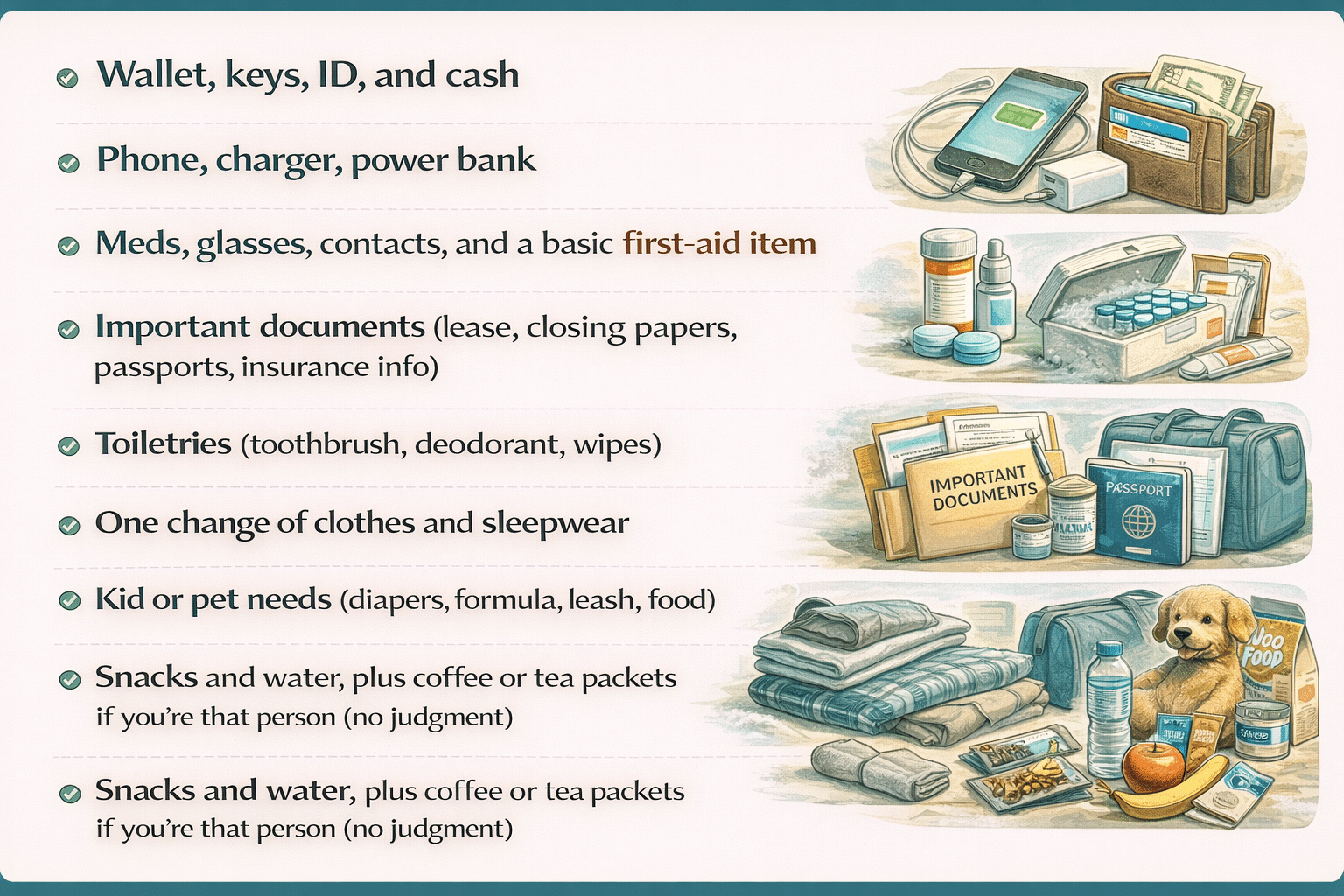
Keep adding as you think of “must-have” items, but don’t turn it into a suitcase of everything. If you can’t carry it easily, it’s too much.
Do a 10-Minute Home Scan: What Must Go, What Can Go, What Should Not Go
Fast packing gets easier when you stop treating every object the same. Do a quick triage by room using three outcomes: must go, can go, should not go (trash or donate).
Start with obvious trash. Old mail, empty bottles, broken hangers, expired pantry stuff. Toss it now, because packing garbage costs time and money. Next, place one open box or bag near the exit for donations. If you haven’t used it in a year and it’s easy to replace, it’s a strong donation candidate today.
Then protect your future self. Put valuables and paperwork in one small container that stays with your essentials bag. Before you unplug electronics, snap a photo of the back panel so you remember what goes where. After that, drop screws, remotes, and small parts into a zip bag, then tape the bag to the device or furniture.
Fast Packing that Still Keeps You Organized
A rushed move needs a workflow, not motivation. Think of it like cooking on a busy night. You don’t make a five-course meal, you set up one counter, grab the tools, and keep moving.
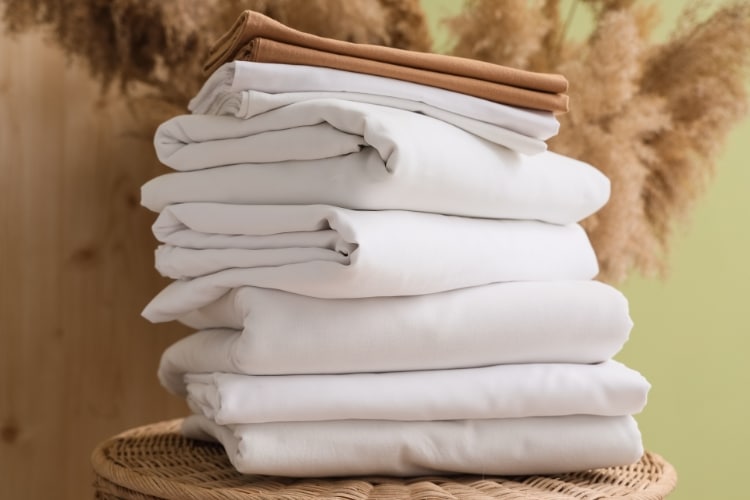
Start with the least-used spaces first. Guest room, storage closet, off-season clothes, extra linens. That also includes decor or spare items tied to older bedroom styles that you may not want to carry into the new place unless you truly use them. Those areas pack fast and give you early wins. Save the kitchen and bathroom for later because you’ll need them until the end.
Label boxes with two things only: room name and a quick note if it’s fragile. “Kitchen, FRAGILE” beats a paragraph. Also, keep box sizes sensible. Big boxes feel efficient until they’re too heavy to lift.
When it comes to breakables, padding matters more than fancy packing paper.
Get Supplies Quickly, Then Build a One Spot Packing Station
If time is tight, buying a pre-packed moving kit can be easier than hunting supplies one by one. Still, you can pack a whole apartment with regular boxes and household backups.
Use what’s around you:
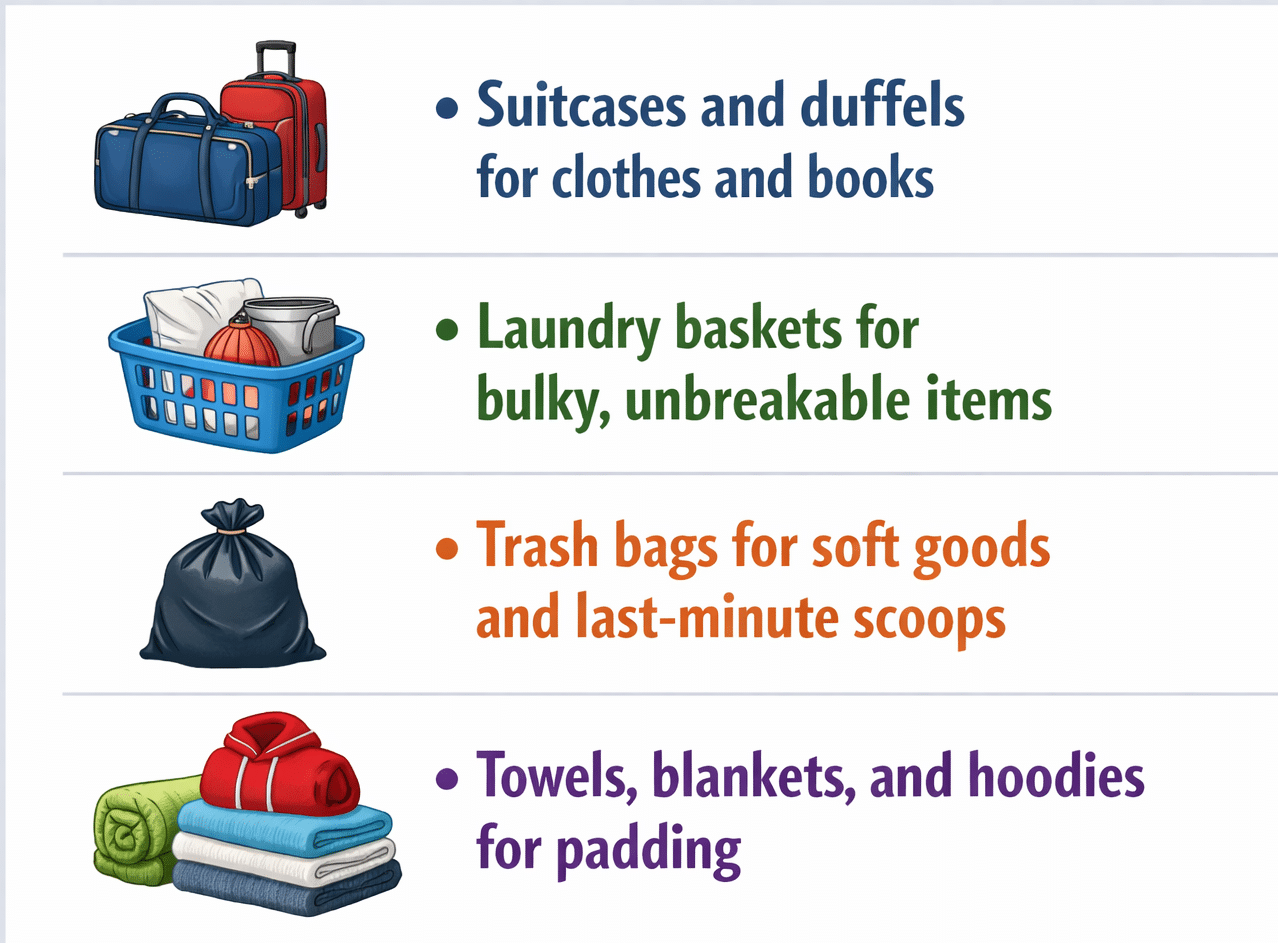
Then set up one packing station in the center of the home. If your place has a game room, avoid turning it into a dumping zone, because that usually makes the final packing push slower and more chaotic.
Keep tape, markers, scissors, and zip bags there. This matters because “walking to find tape” becomes your main workout during an emergency move. A single station cuts wasted steps, and those minutes add up fast.
Speed Hacks that Work: Clothes, Drawers, and Heavy Stuff
Clothes can be either your fastest category or your biggest time sink. Keep hanging clothes on hangers, then slide a trash bag over them from the bottom up, tie the handles near the hooks. Now you’ve got an instant garment bundle.
Dressers also help you cheat (in a good way). Leave clothes in drawers, then wrap the drawer with stretch wrap or tape the drawer shut. For a short local move, you can sometimes move a light dresser with drawers inside, but don’t overload it, and remove drawers for stairs if it feels risky.
Books and heavy items need a different rule: small containers only. Put books in rolling suitcases when possible. If you use boxes, pack them half full, then top with lighter items like towels. Keep heavy stuff low in every box, and fill gaps so nothing shifts.
Mark fragile clearly, but don’t overthink it. Wrap glasses in socks. Use towels between plates. Place a final layer of soft items on top. “Good protection, fast” beats “perfect protection, never finished.”