Grey has enjoyed remarkable power in interior design. While colour trends come and go, this understated shade continues to appear in homes of every style, from contemporary apartments to traditional country cottages. Its popularity goes beyond aesthetics. Grey influences how a space feels, creating an atmosphere that many homeowners find calming, balanced, and adaptable.
Understanding the psychology behind grey can help explain why it remains a favourite choice for interiors year after year. More importantly, it can help you use the colour more effectively when designing comfortable and stylish living spaces.
Grey Helps Create Visual Harmony
Colour psychology often focuses on emotional responses, but visual balance plays an important role too. Grey naturally softens contrasts and helps different design elements work together.
Rooms often contain multiple textures, materials, and finishes. Wood, glass, metal, stone, and fabric can compete for attention if not carefully balanced. Grey acts as a bridge between these materials, creating cohesion throughout the space.
This explains why grey walls, furnishings, and window treatments remain popular choices among interior designers. They provide structure without dominating the room.
When choosing soft furnishings, many homeowners look for options that contribute to this sense of harmony. Reputable brands such as Terrys Fabrics offer a wide range of window treatments that work well within contemporary and traditional interiors. Their grey curtains for modern interiors can help tie together furniture, flooring, and decorative accents while maintaining a clean and balanced appearance.
Grey Creates a Sense of Balance and Calm
One of the main reasons grey remains so popular is its ability to create emotional balance within a room. Unlike brighter colours that demand attention, grey sits quietly in the background, allowing a space to feel settled and composed.
Many people associate grey with stability, maturity, and sophistication. It doesn’t carry the energetic qualities of red or the intensity of black. Instead, it offers a middle ground that feels comfortable and easy to live with over the long term.
This makes grey particularly effective in spaces designed for relaxation. Living rooms, bedrooms, and reading areas often benefit from softer grey tones because they encourage a sense of calm without feeling dull or lifeless.
The versatility of grey also allows homeowners to adjust the mood of a room. Warmer greys can make a space feel cosy and welcoming, while cooler greys create a cleaner and more contemporary atmosphere.
A Flexible Foundation for Every Design Style
Another reason grey has remained relevant is its incredible adaptability. Few colours work as effortlessly across different interior styles.
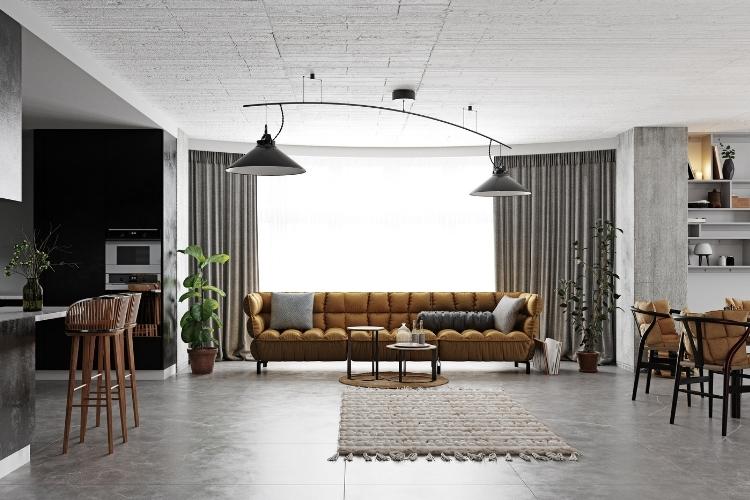
In modern homes, grey complements minimalist furniture, sleek finishes, and open-plan layouts. In traditional settings, it pairs beautifully with natural woods, classic textiles, and decorative details. Industrial spaces often rely on grey tones to echo concrete, metal, and exposed architectural features.
This flexibility gives you more freedom when updating their interiors. Rather than redecorating an entire room, you can simply introduce new accessories, artwork, or furniture while keeping a grey backdrop in place.
Designers frequently use grey as a neutral canvas because it supports both bold and subtle colour palettes. Deep blues, forest greens, mustard yellows, blush pinks, and even rich burgundy tones can sit comfortably alongside grey without creating visual conflict.
Different Shades of Grey Create Different Moods
Not all greys produce the same psychological effect. The undertones within a shade can significantly influence how a room feels. Warm greys often contain subtle beige, taupe, or brown undertones. These colours create inviting environments and work particularly well in family spaces where comfort is a priority.
Cool greys include hints of blue, green, or violet. These shades tend to feel more modern and sophisticated, making them popular choices for kitchens, bathrooms, and contemporary living spaces.
Light greys can make smaller rooms feel more spacious by reflecting natural light throughout the space. Darker greys add depth and drama, creating a more intimate atmosphere when used thoughtfully.
Understanding these distinctions allows you to choose grey shades that support the purpose of each room rather than treating grey as a single, uniform colour.
Grey Works Well With Natural Materials
Modern interior design increasingly focuses on bringing natural elements into the home. Wood, stone, linen, wool, and houseplants help create spaces that feel grounded and comfortable. Grey serves as an ideal companion to these materials because it doesn’t compete with their natural beauty. Instead, it highlights their textures and colours.
A grey backdrop can make wooden furniture appear richer and more inviting. Natural stone surfaces often look more refined when paired with complementary grey tones. Greenery stands out beautifully against soft grey walls, creating a fresh and balanced look.
Terrys Fabrics understands this relationship between colour and texture, which is why grey remains a popular choice among homeowners seeking timeless window dressing solutions that work alongside natural design elements.
This connection to nature is another reason grey continues to resonate with modern lifestyles, where comfort and simplicity often take precedence over fleeting trends.
Why Grey Continues to Outlast Trends
Many colours enjoy periods of popularity before fading into the background. Grey has proven different because it fulfils both practical and psychological needs.
It adapts to changing design styles and supports a wide range of colour schemes. It also creates emotional balance while providing visual flexibility. Moreover, it allows you to personalise your spaces without constantly redecorating.
Rather than dictating a particular look, grey provides a framework that accommodates individual tastes. This makes it a safer long-term choice than many trend-driven colours. As interior design continues to evolve, grey remains relevant for its comfort, balance, and versatility.
Final Thoughts
Grey’s enduring popularity is no accident. Its psychological associations with calmness, stability, and sophistication make it an appealing choice for modern living. At the same time, its remarkable versatility allows it to complement virtually any design style or colour palette.
Whether used on walls, furnishings, or decorative accents, grey provides a balanced foundation that helps create harmonious and inviting spaces. By understanding the subtle effects different shades can have on mood and atmosphere, you can use grey more intentionally and create interiors that remain stylish and comfortable for years to come.