Creating a campus garden is more than a trend – it’s a practical, rewarding way to improve well-being, build community, and promote sustainability. Whether you’re interested in growing fresh vegetables, creating a relaxing green space, or launching an environmental initiative, starting a garden on campus is an achievable goal with lasting benefits. This guide walks you through the essential steps, from planning to planting, with a focus on what works best in U.S. college environments.
Why Start a Campus Garden?
Campus gardens offer a unique combination of educational, environmental, and social advantages. They provide access to fresh, organic produce, encourage healthier eating habits, and serve as hands-on learning spaces for subjects like biology, ecology, and nutrition. Beyond academics, gardens also create a peaceful retreat from busy schedules and help reduce stress.
From a sustainability perspective, campus gardens can lower food waste, reduce carbon footprints, and promote eco-friendly practices. Many universities across the U.S. have already embraced gardening initiatives as part of their green campus programs.
Balancing academics, extracurriculars, and personal well-being can feel overwhelming, which is why campus gardens often become a valuable support system beyond their environmental benefits. Spending time in a garden encourages mindfulness, reduces stress, and helps improve focus – something especially useful during demanding academic periods. At the same time, managing assignments remains a priority, and many turn to paper writing help at PapersOwl when deadlines pile up. This balance between mental relaxation and academic productivity is what makes campus gardens so impactful. While the garden offers a physical space to recharge and reconnect with nature, having access to academic support ensures responsibilities stay on track. Together, these elements create a healthier, more sustainable college experience. Instead of feeling burned out, individuals can maintain both their academic performance and personal well-being. In this way, a campus garden is not just about growing plants – it’s about cultivating a lifestyle that supports success, reduces stress, and promotes a more balanced daily routine.
Step 1: Define Your Purpose and Goals
Before digging into the soil, it’s important to clarify why you want to start a garden. Are you focusing on food production, mental wellness, community building, or environmental education? Your goals will influence every decision – from location to plant selection.
For example:
- A food-focused garden might prioritize vegetables like tomatoes, lettuce, and peppers.
- A pollinator garden could feature flowers that attract bees and butterflies.
- A community garden might include a mix of crops and shared spaces.
Clear goals help you communicate your vision when seeking support from campus administration or student organizations.
Step 2: Get Approval and Build Support
Most campus projects require approval, so be prepared to present your idea. Reach out to:
- Campus facilities or grounds departments
- Sustainability offices
- Student government or clubs
Create a simple proposal outlining your goals, benefits, budget, and maintenance plan. Highlight how the garden aligns with campus values such as sustainability, wellness, or student engagement.
Building a team is equally important. Recruit volunteers from environmental clubs, residence halls, or even faculty members. A committed group ensures the garden thrives beyond its initial setup.
Step 3: Choose the Right Location
Location can make or break your garden. Look for a space that gets at least 6–8 hours of sunlight per day. Accessibility is also key – choose a spot that’s easy for volunteers to reach and maintain.
Other factors to consider:
- Water access: Nearby faucets or irrigation systems
- Soil quality: Test for nutrients and contaminants
- Visibility: A central location can attract more participants
If ground space is limited, consider alternatives like raised beds, container gardens, or rooftop gardens.
Step 4: Plan Your Garden Layout
A well-designed layout improves both productivity and aesthetics. Sketch out your garden before planting, considering pathways, plant spacing, and accessibility.
Key tips:
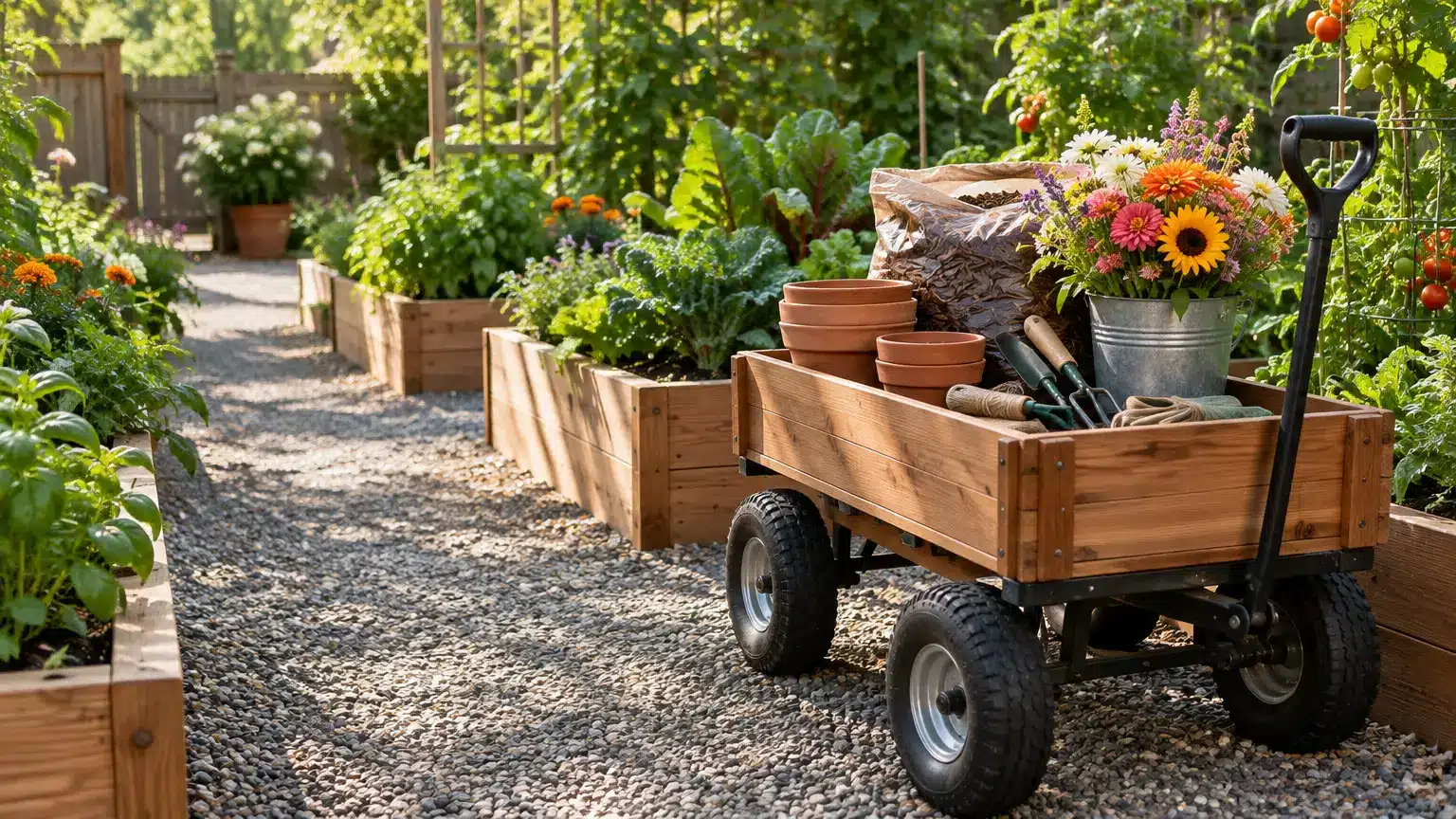
- Use raised beds for better soil control and easier maintenance
- Group plants with similar water and sunlight needs
- Leave space for tools, compost bins, and seating areas
Incorporating signs or labels can also turn your garden into an educational resource.
Step 5: Select the Right Plants
Choosing the right plants depends on your climate, season, and goals. In most parts of the U.S., you’ll want to consider both cool-season and warm-season crops.
Popular beginner-friendly options include:
- Vegetables: lettuce, spinach, carrots, tomatoes, zucchini
- Herbs: basil, mint, parsley, cilantro
- Flowers: marigolds, sunflowers, lavender
Native plants are especially valuable because they require less maintenance and support local ecosystems. Be mindful of your region’s growing zone to ensure success.
Step 6: Gather Tools and Materials
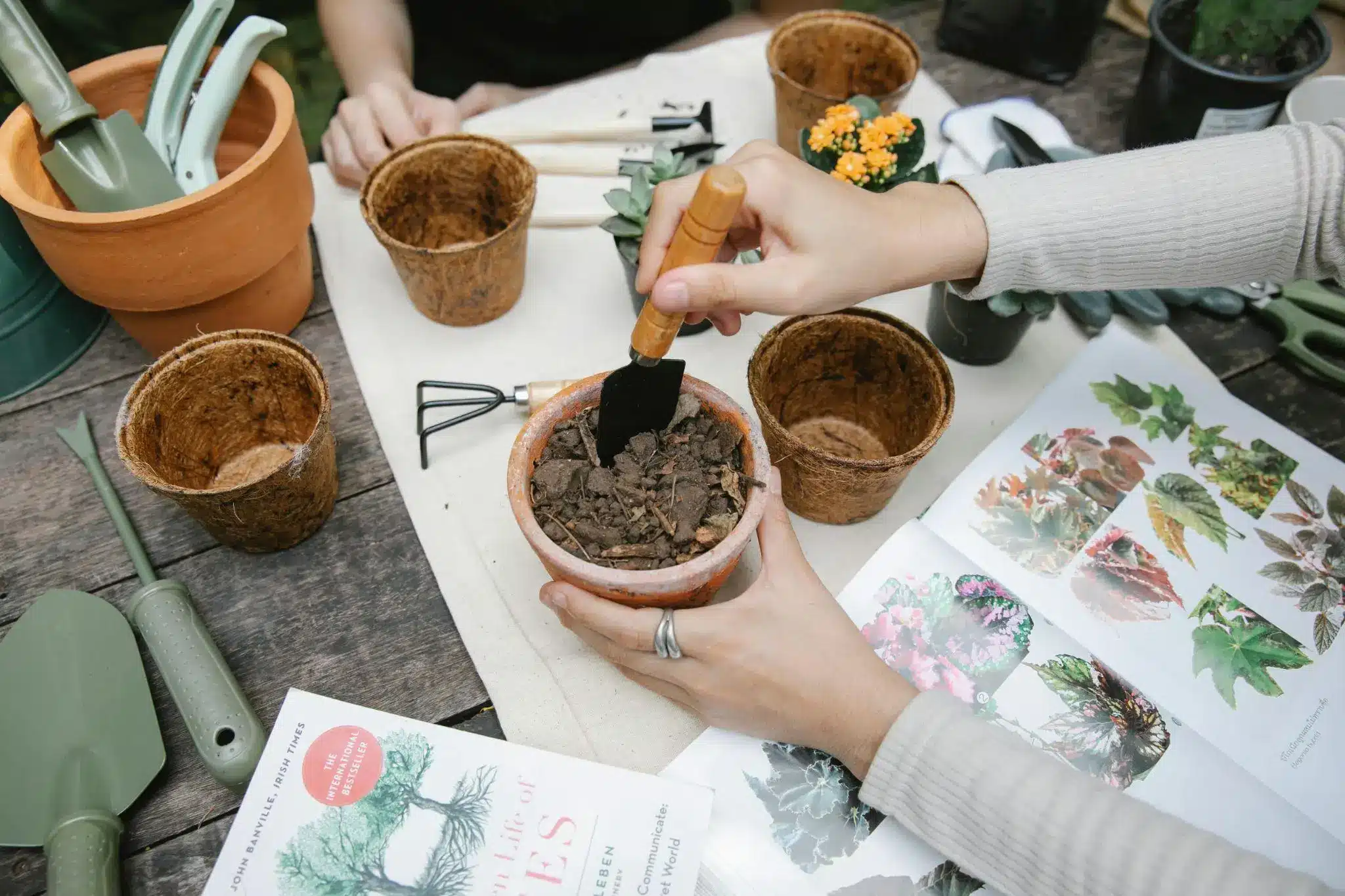
You don’t need expensive equipment to start a campus garden. Basic tools include:
- Shovels and trowels
- Watering cans or hoses
- Gardening gloves
- Compost or fertilizer
Many campuses offer funding opportunities or grants for sustainability projects. You can also partner with local businesses or garden centers for donations.
Reusing materials – like wooden pallets for raised beds – can help keep costs low and align with eco-friendly practices.
Step 7: Start Planting
Once everything is ready, it’s time to plant. Follow the instructions for each plant regarding depth, spacing, and watering. Starting with seedlings can be easier for beginners, but seeds are more affordable and offer a wider variety.
Water consistently, especially during the early stages. Mulching can help retain moisture and prevent weeds. Keep a simple schedule for watering, weeding, and monitoring plant health.
Step 8: Maintain and Manage the Garden
A successful garden requires ongoing care. Assign responsibilities among your team to ensure consistency. Regular tasks include:
- Watering and weeding
- Checking for pests or diseases
- Harvesting crops at the right time
Creating a shared calendar or using apps can help organize maintenance duties. Hosting weekly or monthly gardening sessions can also keep participants engaged.
Step 9: Build Community Engagement
One of the biggest advantages of a campus garden is its ability to bring people together. Consider hosting events such as:
- Gardening workshops
- Harvest celebrations
- Volunteer days
Collaborate with dining services to use garden produce in campus meals, or donate surplus food to local shelters. These initiatives increase visibility and demonstrate the garden’s impact.
Step 10: Evaluate and Grow
After your garden is established, take time to evaluate what’s working and what isn’t. Gather feedback from participants and track your progress.
Questions to consider:
- Are plants thriving in their current location?
- Is the workload manageable for volunteers?
- How can you expand or improve the garden?
Over time, you might add new features like composting systems, greenhouses, or educational programs.
Final Thoughts
Starting a campus garden may seem like a big project, but with careful planning and teamwork, it becomes a manageable and deeply rewarding experience. It’s an opportunity to create a lasting impact – not just on the environment, but on the people who participate.
By following these steps, you can transform a simple idea into a thriving green space that supports sustainability, learning, and community. Whether you’re planting your first seed or expanding an existing garden, every effort contributes to a healthier, more connected campus environment.