
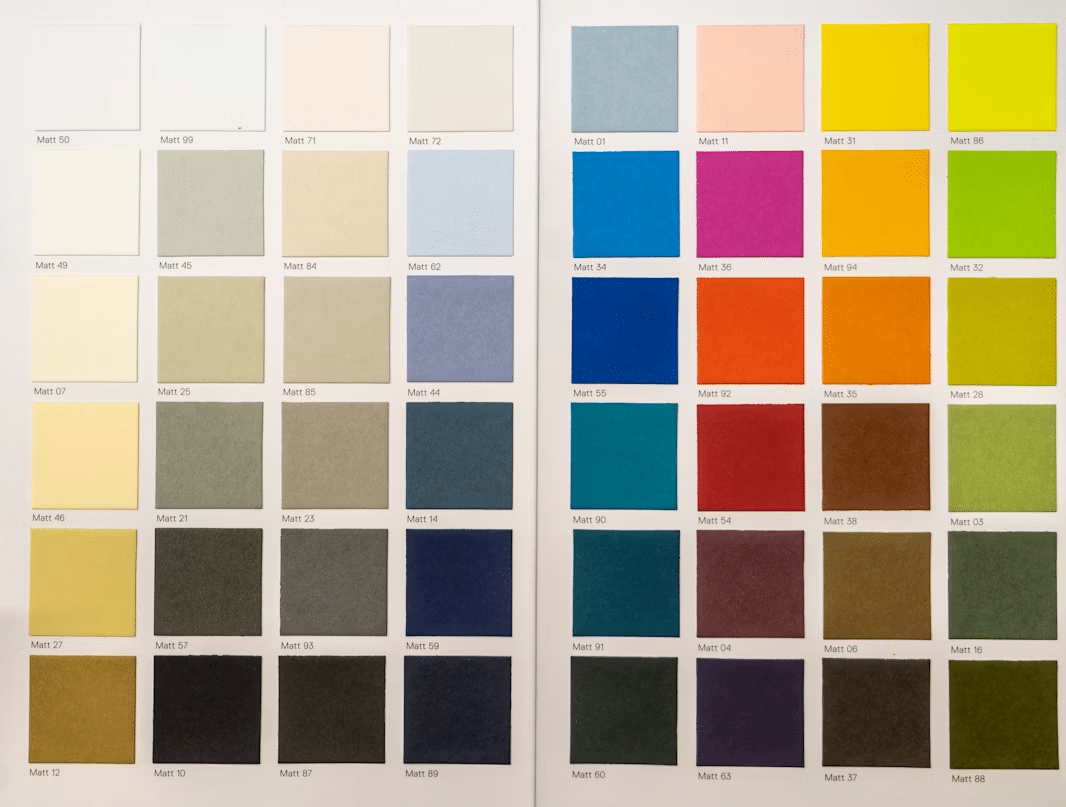
Have you ever walked into a bright yellow kitchen and suddenly felt like you could conquer the world, or stepped into a deep navy bedroom and felt your stress melt away? It is not just your imagination playing tricks on you – there is actually a deep, biological reason why the shades on your walls change the way you think and feel.
Color psychology is a legitimate field of study that looks at how different wavelengths of light hit our retinas and trigger specific chemical reactions in our brains. Research suggests that the right color scheme can actually boost your mood by up to 20%, making your home decor one of the most powerful tools for your mental well-being.
Cool colors like greens and blues have a shorter wavelength, which our brains perceive as calming and restful, helping to lower blood pressure after a hectic day. By understanding these invisible triggers, you can stop decorating based on random trends and start designing a space that supports your specific lifestyle needs.
Setting up a home office or a dedicated study nook requires a very different approach than a living room, as the goal is to keep your brain sharp without causing sensory overload. If you are currently staring at a mountain of assignments and thinking, “I really need someone to do my homework for me,” it might actually be your room’s color palette that is draining your energy. A dull, beige environment can lead to feelings of stagnation, while a pop of soft green can enhance concentration and reading speed by providing a refreshing visual anchor.
Exploring How Warm Tones Can Ignite Your Social Energy And Creativity
Warm colors are the extroverts of the color wheel, demanding attention and creating a sense of intimacy and heat within a large, open space. If you want a living room that feels like a warm hug, reaching for shades of terracotta, gold, or soft peach can make the room feel physically warmer than it actually is.
Studies have shown that people in red-toned rooms often perceive the temperature to be about six degrees higher than those in blue rooms, even when the thermostat is identical. This psychological warmth encourages conversation and social interaction, making it the perfect choice for areas where you host friends or family gatherings.
However, you have to be careful not to overdo it, as too much high-intensity red can lead to feelings of irritability or even physical fatigue over long periods. The key is to use these energetic hues as accents or in rooms where you don’t spend the entire day, such as a hallway or a creative studio.
When you use warm tones correctly, they act as a natural stimulant, keeping your brain engaged and preventing the mental “fog” that often sets in during long afternoon sessions. It is all about finding that sweet spot where the color inspires you to say, “I can finally do my homework!” or tackle a project without making you feel vibrating with excess energy.
To help you choose, here are the top calming shades for rest:
- Sage Green: Known for being the most restful color for the eye, it promotes growth and a sense of safety.
- Deep Navy: Excellent for bedrooms as it signals to the brain that it is time to shut down and enter deep rest.
- Soft Lavender: A sophisticated alternative to blue that provides a sense of spiritual calm and helps reduce anxiety.
The Role Of Cool Hues In Enhancing Productivity And Mental Clarity
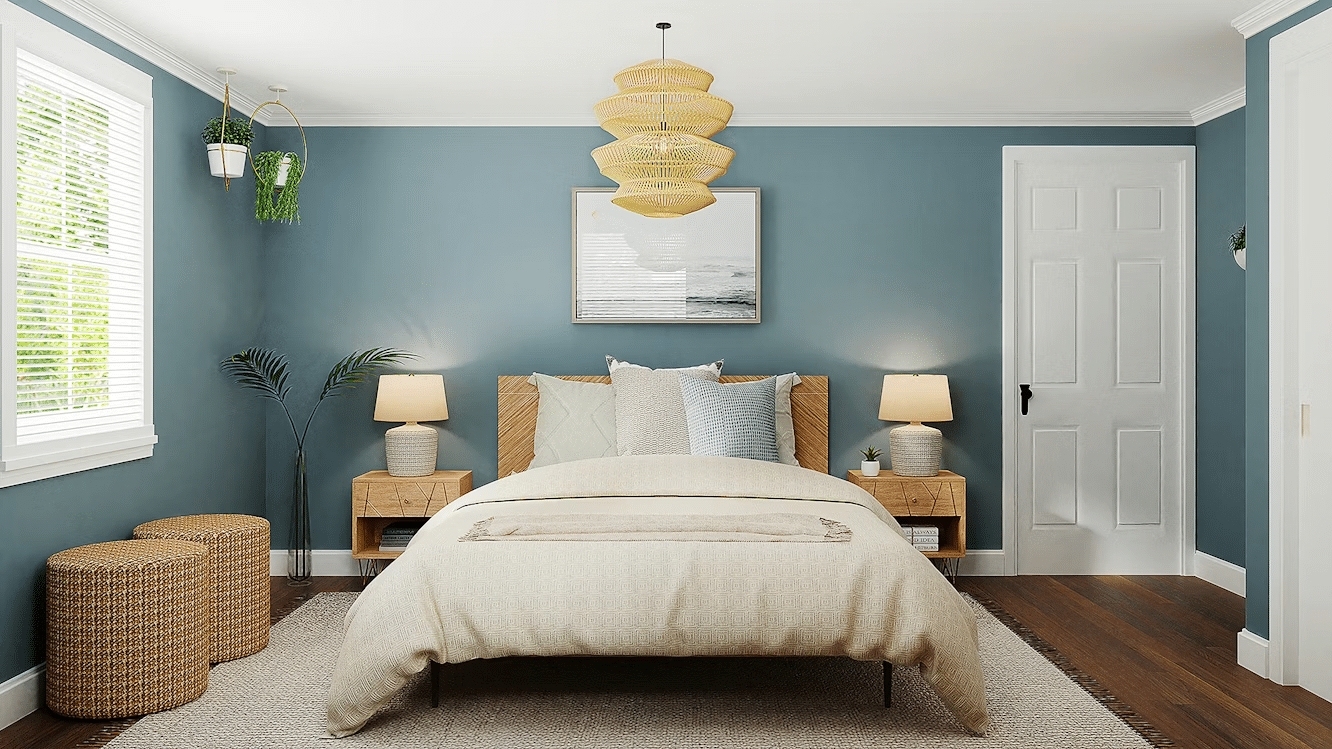
Cooler tones are essentially the “brain food” of the interior design world, known for their ability to broaden a room and provide a sense of expansive, open air. Blues and teals are particularly effective in workspaces because they mimic the sky and the sea, which historically signaled a lack of immediate physical threats.
This allows the brain to relax its “fight or flight” response and dedicate more resources to high-level cognitive tasks and complex problem-solving. Annie Lambert, a senior strategist at a reputable essay writing service, notes that students often report a significant shift in their productivity levels by changing their study area’s color.
She explains that an organized, cool-toned environment creates a professional atmosphere that makes it much easier to transition into a “work mode” mindset. When your surroundings feel orderly and serene, your internal thoughts often follow suit, leading to clearer writing and more logical arguments in your academic papers.
This is the same principle used by a professional homework writer who must maintain a high level of accuracy and speed while working on diverse topics. By treating your decor as a functional part of your academic toolkit, you are setting yourself up for a much smoother path to success.
Finding The Perfect Balance Through Lighting And Texture Integration
Science shows that color does not exist in a vacuum; it changes constantly based on the type of light hitting the surface throughout the day. A beautiful gray paint that looks modern in the morning sun might turn into a depressing, muddy purple once the evening shadows begin to crawl across the floor.
This is why it is so important to test your colors under both natural daylight and warm artificial bulbs to see how they affect your mood. Roughly 80% of our sensory input is visual, so even a slight shift in the undertone of your paint can have a massive impact on your daily stress levels.
To make your design truly work, consider these practical tips:
- Layer Your Lighting: Use a mix of overhead lights, task lamps, and candles to control how your colors feel at various times of the day.
- Add Natural Textures: Combine your color choices with wood, stone, or plants to ground the room and prevent it from feeling too sterile or artificial.
Wrapping Up
Ultimately, the goal of understanding the science of color is to give you total control over your domestic narrative. You are the architect of your own experience, and the colors you choose are the foundation upon which your daily habits are built.
Whether you need a sanctuary to hide away or a vibrant hub that sparks your best ideas, the right palette is waiting to be discovered. Don’t be afraid to experiment with bold choices – after all, it is just paint, and the potential boost to your happiness is well worth the effort.