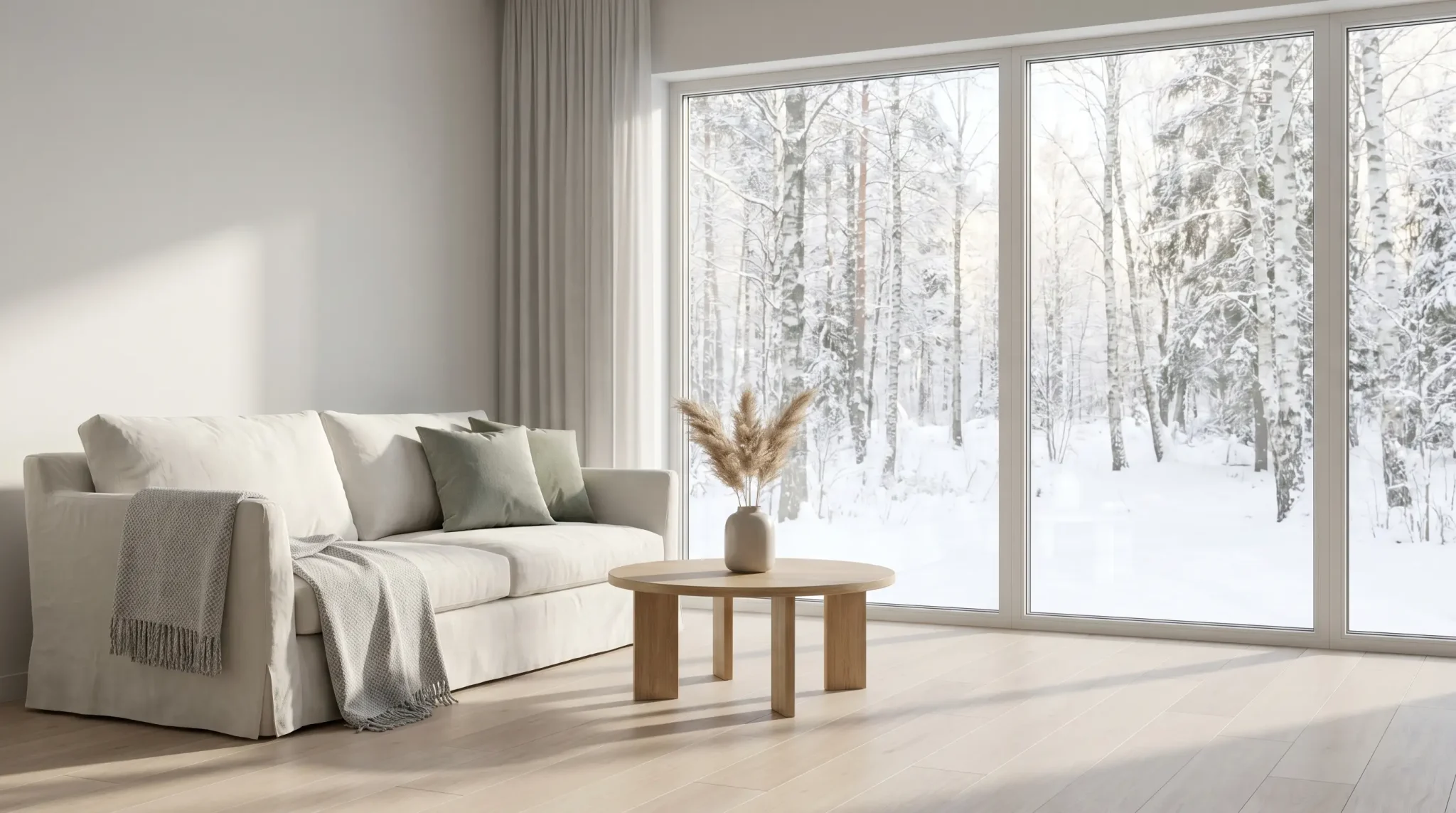
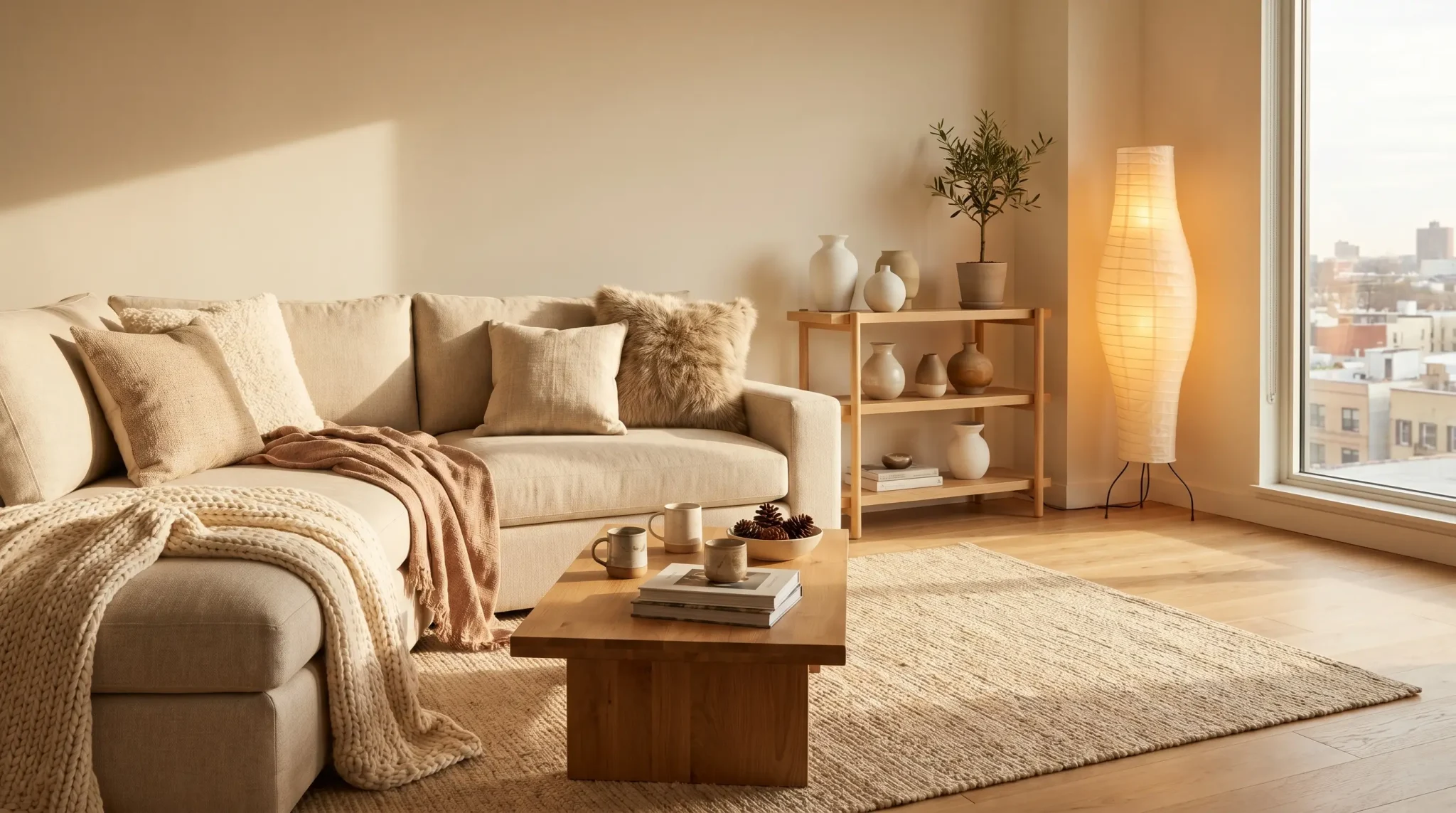
The color of the spaces in our homes has an undeniable impact on how we feel. Living rooms should be places of relaxation, while our kids’ bedrooms should be a blend of calm and study-focused.
Visual stimuli can have different impacts on children. Too bright or overwhelming colors can be distracting and even overstimulating, while muted tones in the right colors can be the right kind of stimulating, helping kids settle into a flow state.
Here, with education provider Brighterly, we’ll cover how to improve kids focus using bedroom colors — without the colors being too engaging for them to sleep deeply.
The Psychological Impact of Color on Learning
Color plays a key role in how well children learn. Studies show that certain colors can enhance concentration and memory — two key skills needed for effective study. School environments are often designed with this color theory in mind; young children’s play areas are often bright colors to stimulate energy and creativity. Other areas feature muted colors to enhance study capabilities.
How Visual Stimuli Affect the Developing Brain
The impact of color on the brain is particularly profound for children. Different wavelengths of light — aka colors — affect the nervous system in different ways. Blue-green wavelengths stimulate more arousal than other colors, but they also have a vastly different impact. Red can have a negative impact on cognitive performance, and it can also trigger feelings of anger and frustration by increasing cortisol. Other colors, like blue, for example, promote alpha brain waves, which instill a feeling of calm and focus.
The Top 3 Focus-Enhancing Colors
Now, let’s take a look at the three best colors for enhancing focus in children. These colors are not only great for study, but they’re not so stimulating that they could prevent your child from getting a good night’s sleep in their bedroom. They’ll provide you with kids room paint ideas if you’re redecorating their space.
Soft Blues for Logical Thinking
Blue is one of the most well-known colors associated with cognitive abilities and focus. When exposed to blue, people perform better on both cognitive and creative tasks, with a particularly noticeable effect on complex educational activities for kids. This makes it a great color for kids studying subjects like math with an online math tutor.

Platforms like Brighterly also widely apply color theory to ensure children learn in the best way possible. Tutors adjust lesson designs based on children’s needs to ensure all the material they engage with supports their concentration and critical thinking skills.
Keep blues muted to ensure they aren’t too stimulating for relaxation time. This means you can create the perfect study and rest environment in your child’s room.
Sage Greens for Reading and Stress Reduction
We know about the importance of greenery like spider plants to our well-being and feelings of calm. And it turns out that just the color green can have similar effects. Green is the color most proven to reduce stress, making it a great option for children who may be anxious about their schoolwork or upcoming exams.
It’s also a color proven to reduce eye strain and reduce the risk of myopia when it appears in or around school environments. So, by making your child’s room sage green, you can both boost your child’s academic performance and protect their eyes!
Muted Yellows for Memory and Creativity
Yellow is a color that can work really well in a study space — if done correctly. Bright yellows can be distracting and stimulate energy, which isn’t what you want when trying to implement good study habits for kids.
Instead, opt for a buttery yellow that both inspires positivity and enhances memory recall. Yellow accents in a classroom can boost memory recall by 8%, highlighting the benefits of paler yellows on the learning experience.
Designing a Concentration-Friendly Zone
Now that you know the best colors for creating an optimized study area in your child’s room, it’s important to know how to implement them for the best results. Here are some ways you can use color to good effect in your child’s study space:
- Focus on a muted color for the main walls: Your child’s bedroom needs to be suitable for rest and study, so choose a muted blue or green for the main wall.
- Make use of accent walls: An accent wall is a great addition to your child’s wall, as you can paint it in a colour like pale yellow to get the benefits without it being too bright or overwhelming.
- Use colored accessories: You can also implement colors using accessories, like bookshelves and desks, for a more subtle touch.
- Make the most of natural lighting: Bright artificial lights can be overwhelming and change the tone of your decor; focus on natural light where possible for best results.
<
Now, It’s Over to You
w, you know everything there is to know about using color to enhance your child’s study space with our educational resources for parents. Color is one factor in creating a holistic learning environment; you should consider it alongside other actions like limiting distractions, creating comfortable areas, and using quality resources like Brighterly. Now, go forth and create the perfect study space for your child!