When you’re out planting seeds or pulling weeds, have you ever taken a fall? While gardening can be relaxing, tromping across uneven soil or slippery surfaces can lead to tripping and falling.
The steps you take following a gardening accident are key to a timely recovery. Keep reading to learn what you should do to stay healthy and safe.
Know What Leads to Garden Injuries
Gardening can be a messy process. Planting seeds, digging into dirt, and adding landscaping features can contribute to slippery and uneven terrain. You might have mulch, loose gravel, or pavers that become tripping hazards.
With one wrong step, you can endure an ankle sprain or hurt your knee. Even after a seemingly minor injury, don’t neglect to care for it.
Prioritize Your Health
Take stock of your injury before doing anything else. Did you twist an ankle or hurt your elbow? Maybe you’ve fallen and hit your head or feel like you can’t move easily.
Reach out to emergency services right away when you sustain a severe injury. You could feel nauseous, dizzy, or foggy. Otherwise, you may be able to use Band-Aids and ice packets to help treat less severe injuries, like scrapes and bruises.
Don’t take chances with your health. Concussions may not reveal symptoms right after an accident, for instance, and it’s best to have a medical professional conduct an exam. Collect all reports from your medical visit, too, to help validate their severity.
Take Photos of the Accident Scene
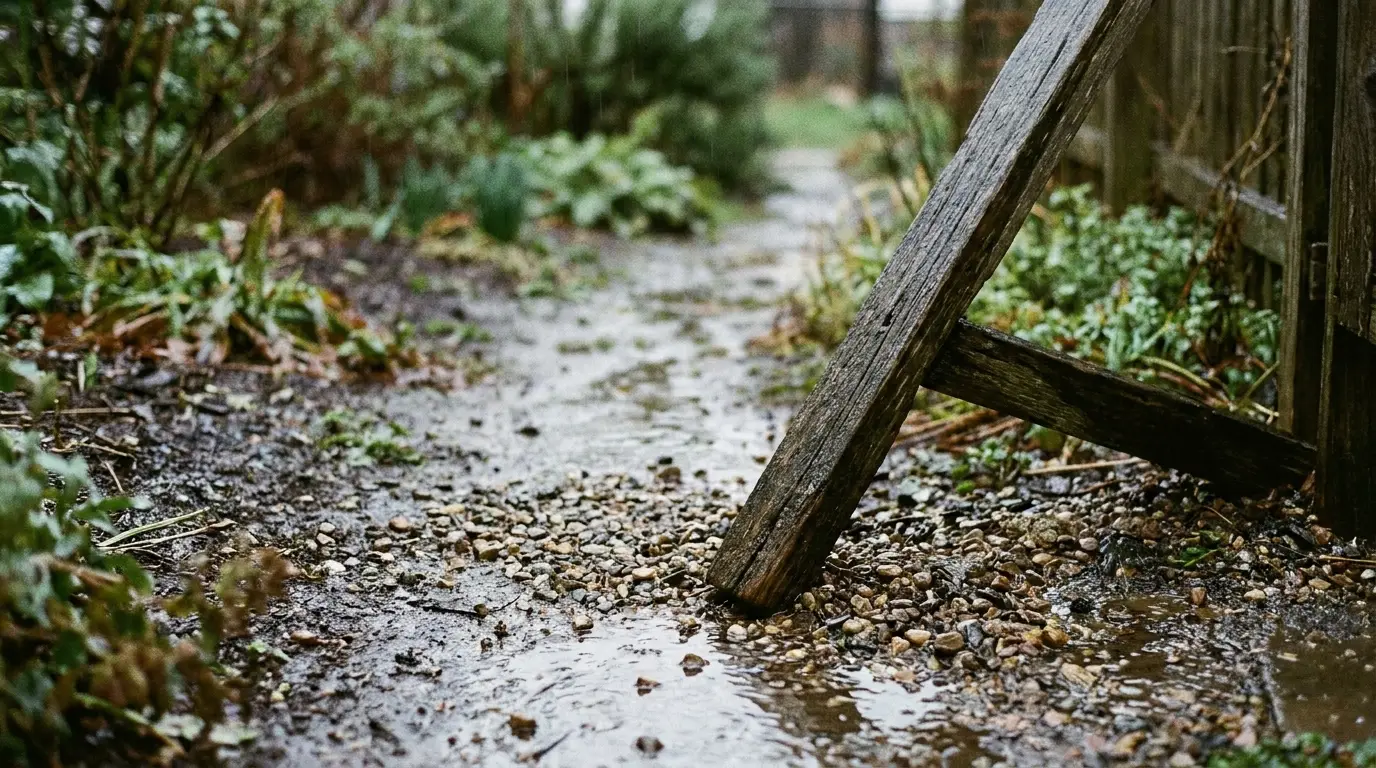
Always take pictures of the scene where the accident occurred. If the soil is especially wet, capture accurate images. Similarly, if there is a broken fence post or other tripping hazard, take a picture of it.
At the same time, jot down pertinent details from the experience. Document the weather, as strong winds or a sudden downpour could have contributed to the accident. And if someone witnessed the accident, ask them for their contact information.
If you need to file an insurance claim, documentation matters. Ask someone near you to get pictures or video if you’re unable to move easily.
Reach Out for Legal Help
While a few loose stones may have been the culprit behind a tripping accident, sometimes, the cause is more serious. In those instances, you’ll want an attorney to be at your side.
Perhaps you were tending to a flower bed near an area where a contractor just completed work. If the contractor failed to let you know about loose boards or left the job unfinished, they could be liable.
It’s always best to work with a local attorney who knows the legal landscape. If you’re in Wichita, for instance, liability may depend on whether a property owner, contractor, or other party failed to keep the area reasonably safe. Get personal injury help from someone who can help you collect evidence and negotiate with the insurance companies on your behalf. A local attorney can help you collect evidence, understand how these laws apply to your situation, and negotiate with insurance companies on your behalf.
Take Action After a Gardening Injury
Sometimes, even the most attentive gardeners slip and fall outside. Don’t delay in seeking medical care and documenting the scene if you’re involved in a gardening accident. And contact a local attorney to help navigate the claims process.
When you take a careful approach, you can get the help you need and, most importantly, get back in the garden.