

Watching a pumpkin grow is honestly one of those slow, satisfying joys that makes you fall in love with gardening all over again.
What starts as a small seed tucked into warm soil slowly unfolds into sprawling vines, cheerful yellow blooms, and eventually that iconic round fruit you have been waiting for all season.
Every stage looks a little different, and knowing what to expect makes the whole process so much more exciting.
Think of this as your friendly, visual guide through every pumpkin growth stage, start to finish.
Sneak-Peek into the Pumpkin Growth Stages
Before we get into each stage, here is a quick look at the full cycle so you always know where your plant stands.
| Growth Stage | What to Watch For |
|---|---|
| Germination | Soil cracking, first sprout pushing through |
| Seedling | Small leaves unfurling above the surface |
| Vegetative (Vine Growth) | Rapid stem and leaf growth |
| Flowering | Yellow blooms are opening on the vine |
| Fruit Development | A tiny green pumpkin is forming at the base of the flower |
| Maturation & Harvest | Skin deepening in color and hardening to the touch |
Simple, right? Now, let’s get into each stage up close.
Stage 1: Seed Germination
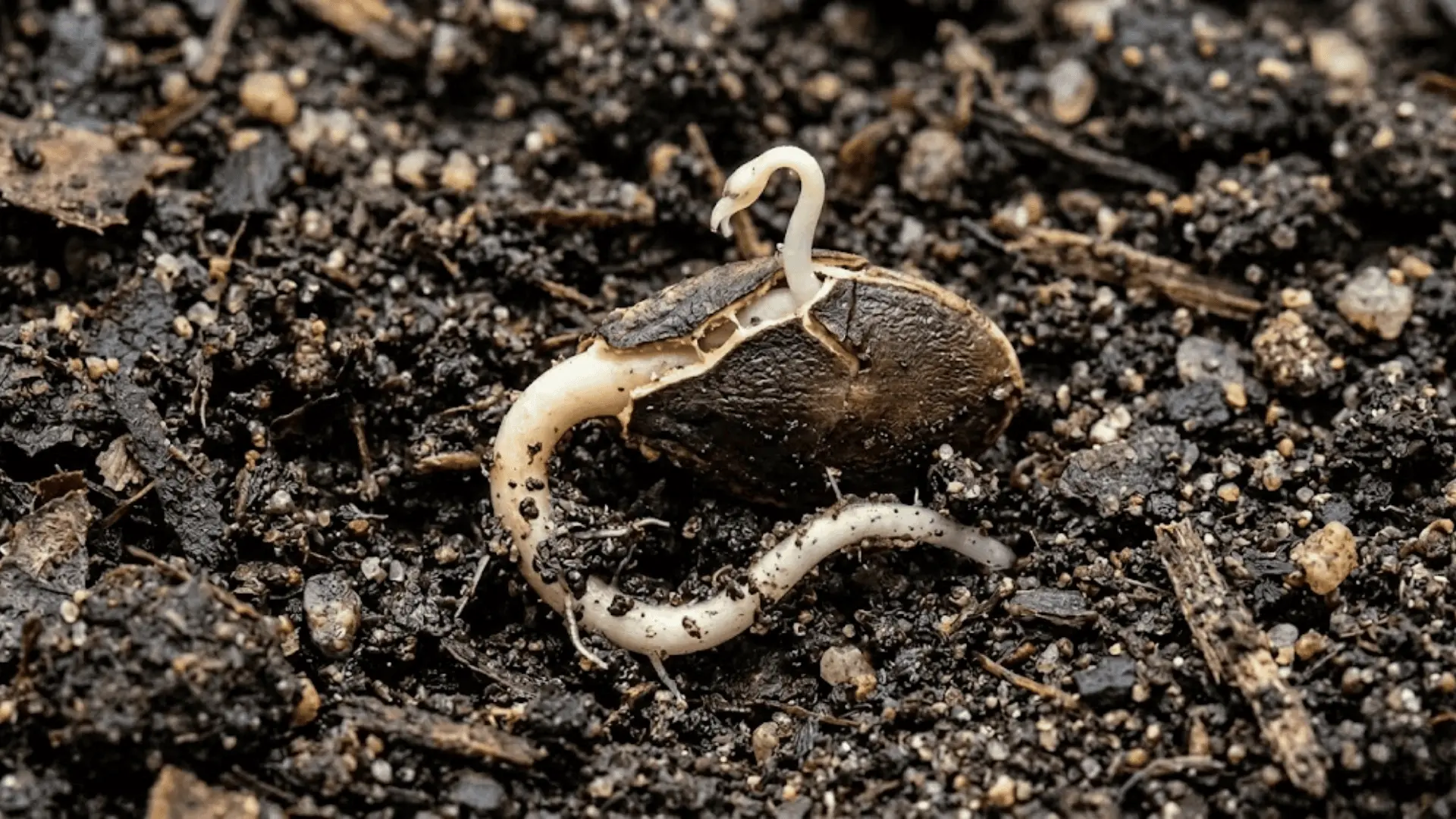
- Time Period: Days 1 to 10
- Watering: Keep soil consistently moist, not waterlogged
- Light Requirement: Indirect light until sprout emerges
This is where it all begins. Tuck your seed into warm soil and let moisture and warmth do their work quietly beneath the surface.
The first thing to emerge is the radicle, the seed’s initial root, anchoring itself downward while a small shoot slowly pushes upward.
At this stage, soil temperature matters more than sunlight, so focus on keeping things warm and evenly moist. Within a week or so, that first sprout will crack through the soil, and the plant officially comes to life.
Stage 2: Seedling Stage
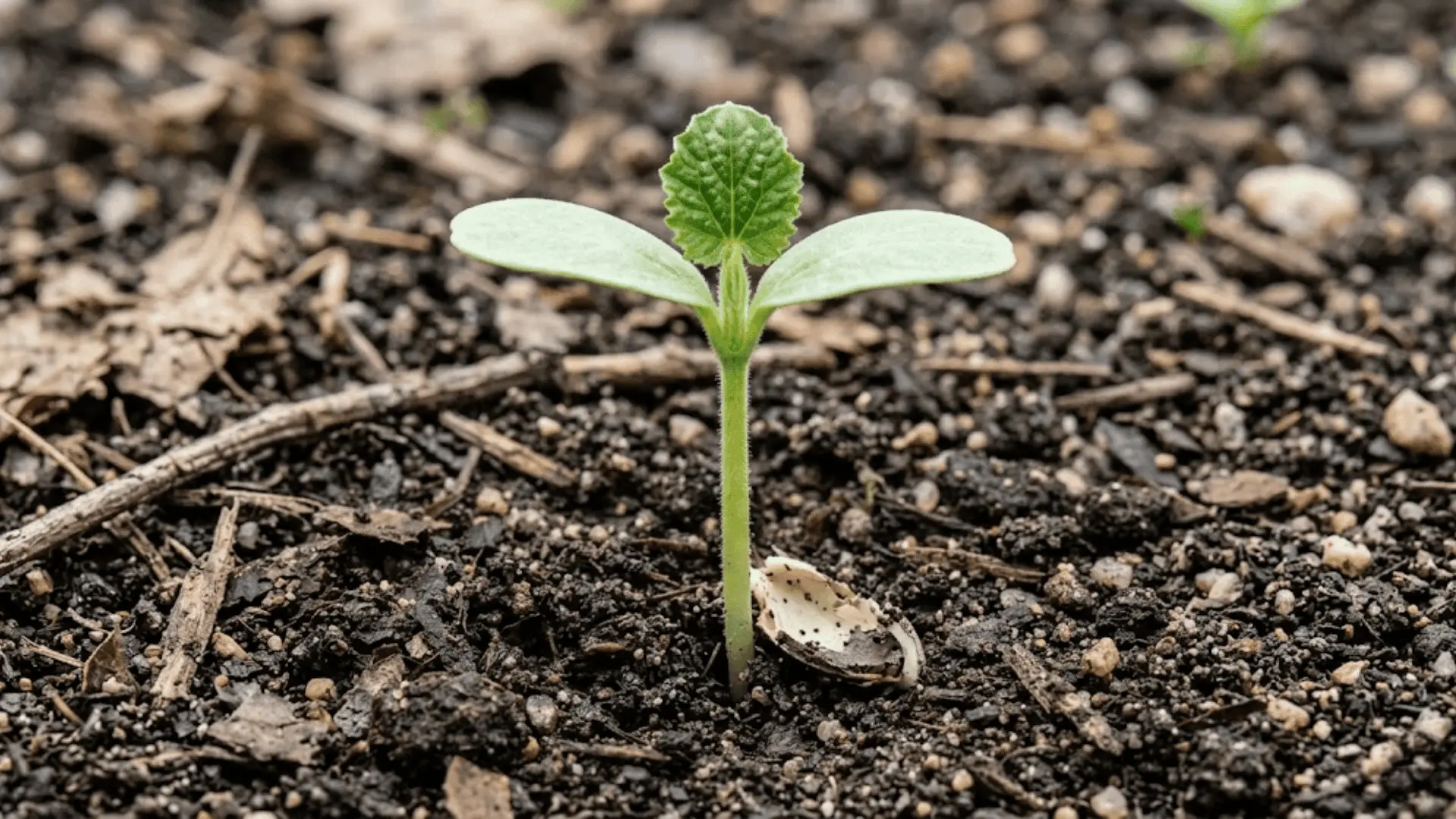
- Time Period: Days 10 to 20
- Watering: Light, consistent watering close to the base
- Light Requirement: Full sun, at least 6 to 8 hours daily
This is the most delicate phase of the whole process, so a little extra attention goes a long way here.
The first leaves you will see are the cotyledons, the seed’s initial energy reserve, round and smooth in appearance.
Shortly after, the true leaves emerge, broader and slightly rough to the touch, signaling that the plant has begun photosynthesizing on its own. Avoid overwatering at this stage as the roots are still shallow and vulnerable to rot.
Stage 3: Vegetative Growth
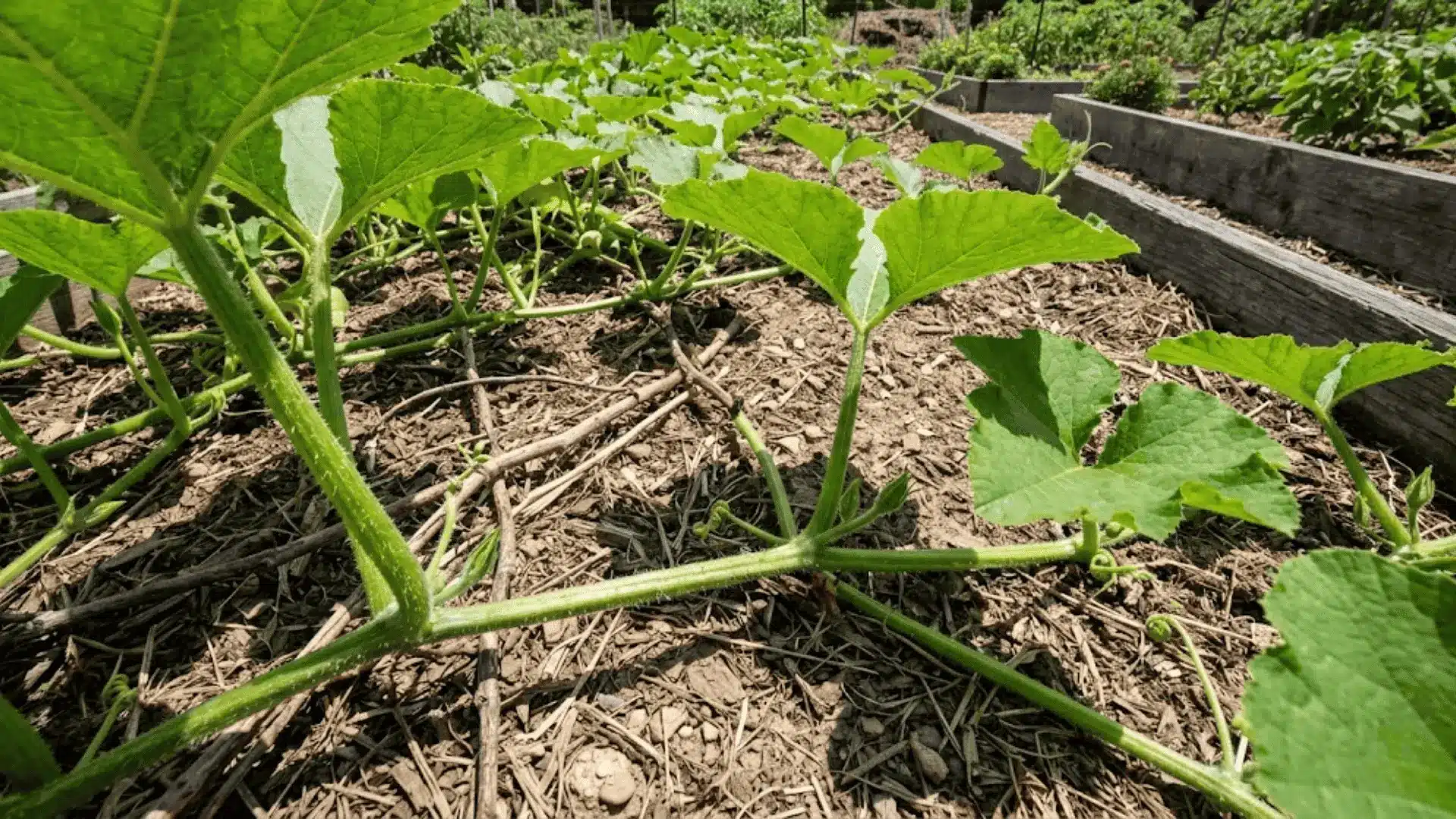
- Time Period: Weeks 3 to 6
- Watering: Deep, infrequent watering to encourage root growth
- Light Requirement: Full sun throughout the day
This is where your pumpkin plant really starts to take up space. Vines begin stretching outward rapidly, leaves grow large and bold, and the root system quietly expands underground.
Everything happening above the soil is essentially the plant building the energy reserves it will need for fruit production later.
Let the vines spread naturally and resist the urge to trim them back too soon. The bigger and healthier this growth phase is, the better your harvest will be.
Stage 4: Flowering Stage
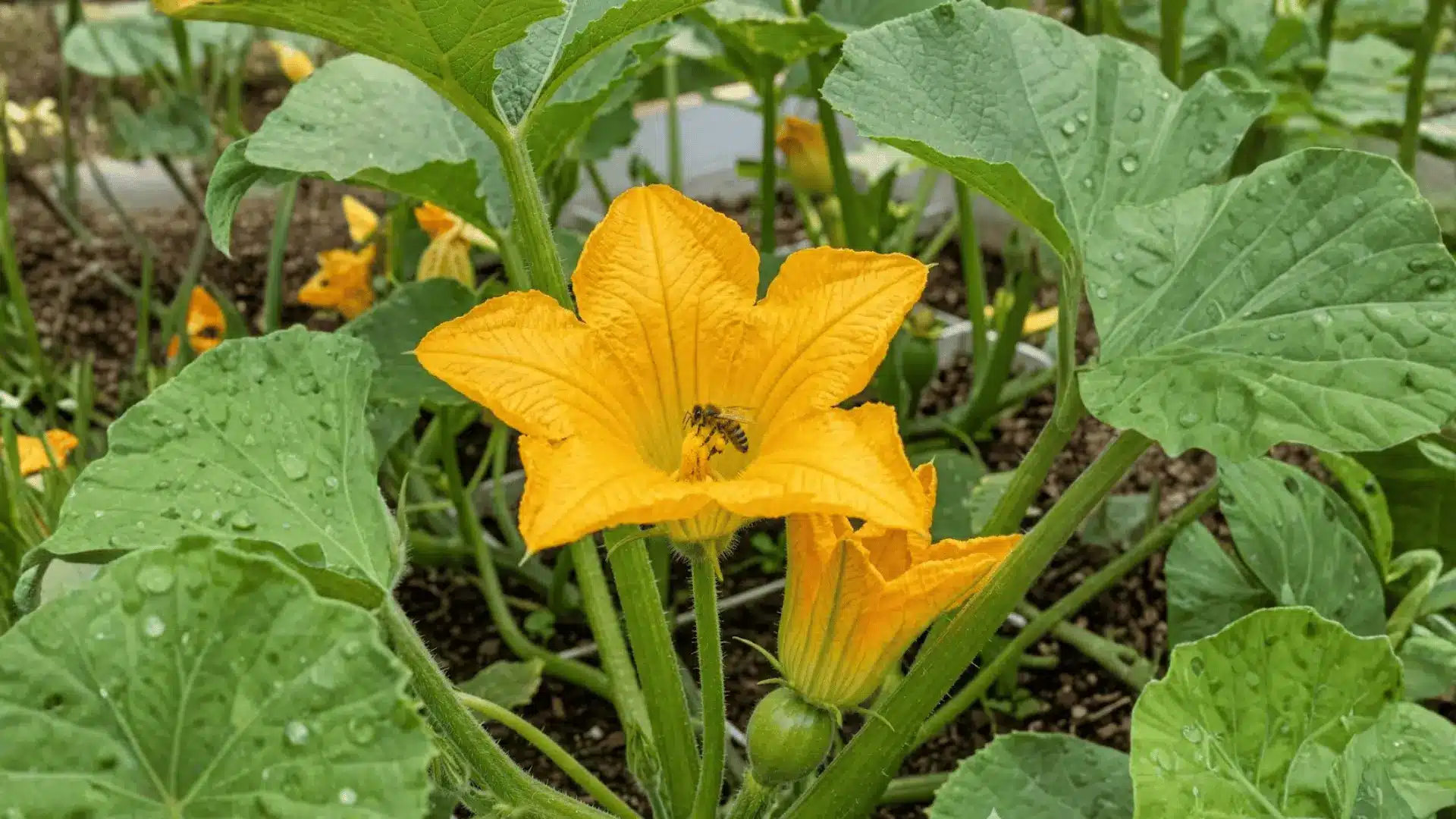
- Time Period: Weeks 6 to 8
- Watering: Steady and consistent, avoid wetting the flowers
- Light Requirement: Full sun to encourage pollinator activity
Bright yellow blooms opening along the vine are one of the prettiest sights in a pumpkin patch.
Male flowers appear first, often by a week or two, followed by the female flowers, which you can identify by the tiny bulge at the base of the bloom. That little bulge is the future pumpkin.
Pollination typically happens through bees, so a garden that welcomes pollinators at this stage makes all the difference between a fruit forming or a flower simply dropping off.
Stage 5: Fruit Development
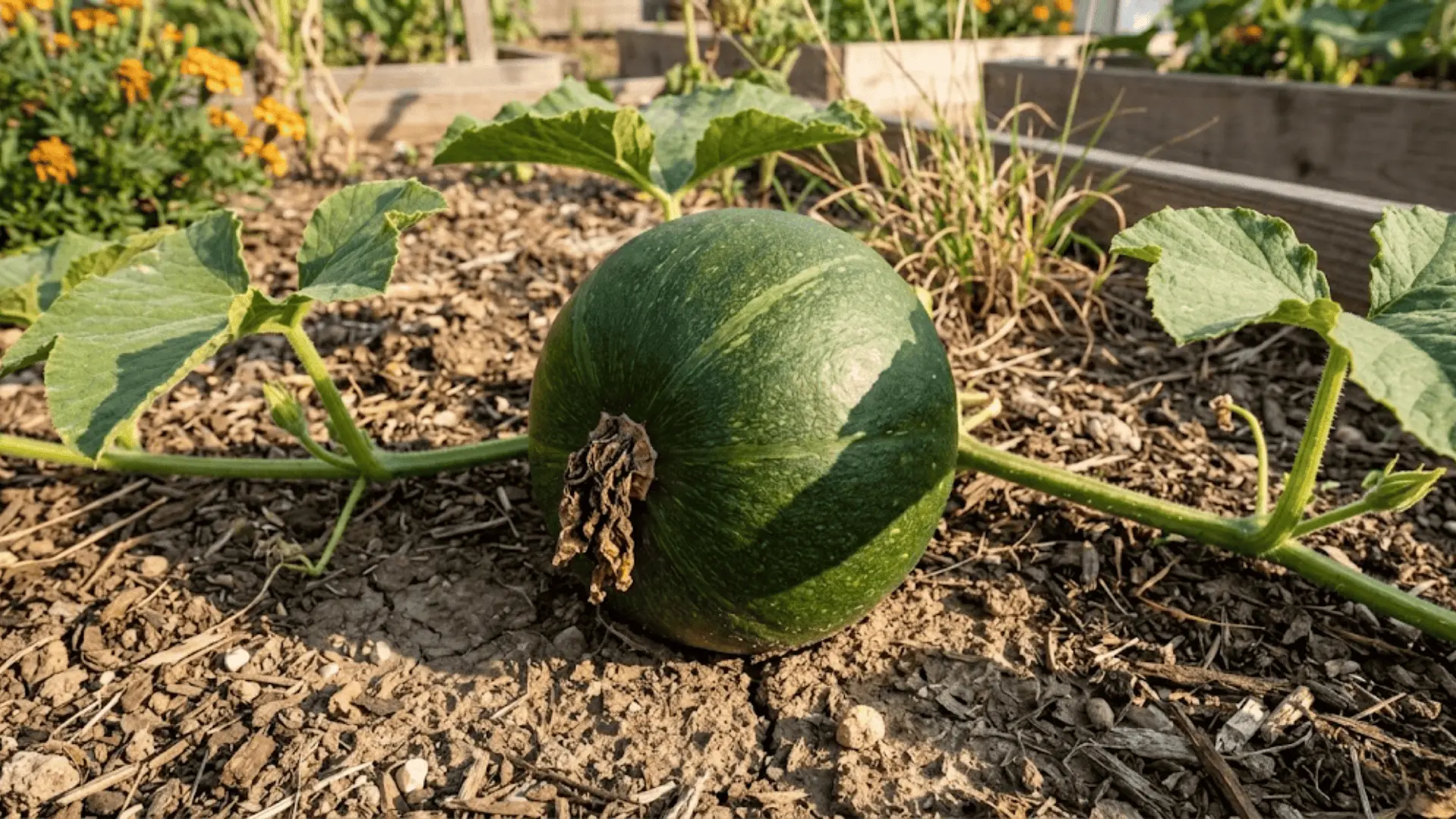
- Time Period: Weeks 8 to 12
- Watering: Deep and consistent, especially during active growth
- Light Requirement: Full sun to support fruit sizing
Once pollination is successful, that small bulge behind the female flower begins to swell into something recognizable.
The pumpkin starts off green and small but grows surprisingly fast under the right conditions. This stage demands the most from your plant, so consistent watering and soil nutrition are non-negotiable right now.
Uneven watering can cause the fruit to crack or develop unevenly, so keep things steady. You will notice the pumpkin gaining both size and weight week by week.
Stage 6: Maturation & Harvest
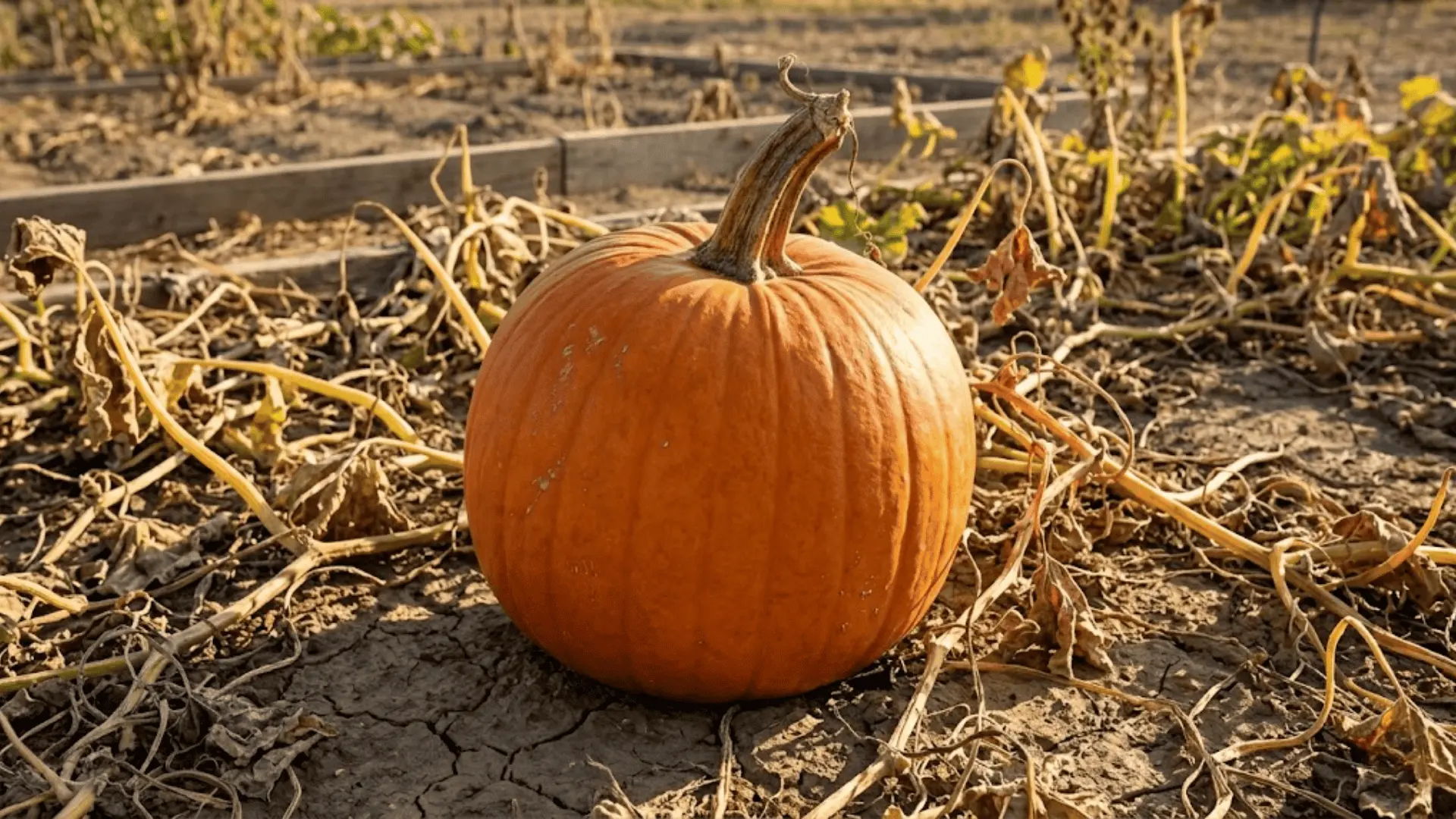
- Time Period: Weeks 12 to 16 and beyond
- Watering: Reduce watering as harvest approaches
- Light Requirement: Full sun to support final color development
This is the stage every gardener looks forward to.
The pumpkin gradually transitions from green to its final color, the rind firms up and resists puncture, and the stem turns dry and cork-like, which is one of the most reliable signs of true maturity.
Do not rush the harvest. Let the color develop fully, and once that stem looks woody and the skin feels genuinely hard, your pumpkin is ready to come off the vine.
Pumpkin Growth Timeline
Growing pumpkins is a waiting game, and knowing what is happening each week makes that wait a whole lot more enjoyable.
Here is a simple breakdown of what to expect and when.
| Week | Stage | Key Activity | What to Watch For |
|---|---|---|---|
| 1 to 2 | Germination | Seed sprouting | First shoot breaking through the soil |
| 3 to 4 | Seedling | Leaf emergence | Cotyledons, then true leaves appear |
| 5 to 6 | Vegetative | Vine spreading | Rapid stem and leaf growth |
| 7 to 8 | Flowering | Bloom opening | Male then female flowers on the vine |
| 9 to 12 | Fruit Development | Pumpkin forming | Small green fruit swelling steadily |
| 12 to 16+ | Harvest | Maturation | Hardened rind, dried stem, full color |
Watch the entire cycle unfold in minutes with this satisfying time-lapse of pumpkin growth stages from first sprout to full harvest.
Factors That Affect Pumpkin Growth
Even with the best care, a few key conditions can make or break your pumpkin patch. Keep these in mind throughout the growing season.
- Temperature: Warm soil accelerates germination and supports healthy growth at every stage.
- Sunlight: Pumpkins need a solid stretch of direct sun each day to thrive and fruit well.
- Watering: Consistent moisture, without overdoing it, keeps the plant steady and stress-free.
- Soil Quality: Nutrient-rich, well-draining soil gives roots the foundation they need to support vigorous growth.
- Pollination: Without successful pollination, flowers drop and no fruit forms, making this a stage worth paying close attention to.
Think of these as the five pillars your pumpkin patch quietly depends on all season long.
Common Problems at Each Stage
Even the most attentive gardeners run into hiccups along the way. Here is what might be going wrong and how to fix it quickly.
Problem 1: My Pumpkin Seeds are Not Sprouting at All
The Fix: Cold soil is usually the culprit. Wait until soil temperature is consistently warm before planting, or use a seedling heat mat to give germination the head start it needs.
Problem 2: My Seedlings Keep Wilting and Dying off
The Fix: Overwatering is most likely the issue here. Pull back on watering frequency, ensure the soil drains well, and let the top layer dry out slightly between waterings.
Problem 3: My Plant is Growing Well, But There are No Flowers
The Fix: Insufficient sunlight is holding your plant back. Move container plants to a sunnier spot or trim back anything shading your garden bed to give the plant the full sun it needs.
Problem 4: My Plant Has Plenty of Flowers, But No Pumpkins are Forming
The Fix: Poor pollination is the most common reason for this. Try hand pollinating by transferring pollen from a male flower to a female flower using a small brush, especially in gardens with low bee activity.
Problem 5: My Pumpkins are Growing, But Staying Very Small
The Fix: Inconsistent watering is likely stressing the fruit. Set a steady watering schedule, mulch around the base to retain moisture, and make sure the plant is getting adequate nutrition through the fruit development stage.
Tips to Speed Up Pumpkin Growth
A few small adjustments to your routine can meaningfully push things along.
Here is what actually makes a difference.
- Start Seeds Indoors: Getting seeds going inside before the last frost gives your plant a head start before it even hits the ground.
- Mulch Generously: A good layer of mulch around the base locks in moisture and keeps soil temperature stable between waterings.
- Welcome Pollinators: Planting flowers nearby attracts bees and speeds up fruit set significantly during the flowering stage.
- Fertilize Strategically: A nitrogen-rich feed during vine growth, followed by a phosphorus boost at flowering, keeps the plant well-fueled at every stage.
Small habits, tended consistently, add up to a noticeably stronger and faster-growing plant.
The Closing Note
Every pumpkin growth stage has something worth pausing over, a sprout breaking through soil, the first yellow bloom, a small green fruit that was not there yesterday.
The more you observe, the more connected you feel to the whole process. Give your plant the basics, stay consistent, and it will rarely disappoint.
Growing pumpkins has a way of making even the most patient gardener a little eager, and honestly, that feeling never gets old.
What stage is your pumpkin at right now? Drop it in the comments!



One Response
What if it is suppose to rain for a week straight and be cloudy but it already has a little pumpkin started? Will it kill my plant 😭