I’ll never forget the morning I found a trail of ants marching across my kitchen counter; it felt like they appeared out of nowhere overnight.
If you’re dealing with the same frustration, the good news is that effective pest control for ants doesn’t have to be complicated or expensive. You don’t need to call an exterminator right away or dump harsh chemicals everywhere to get results.
In this guide, you’ll find practical methods that actually work, from identifying what’s attracting these tiny invaders to simple solutions you can start using today.
I’ll walk you through prevention tips, natural remedies, and when it’s time to bring in professional help so you can reclaim your space.
What Most People Get Wrong About Ant Problems
Here’s what I learned the hard way: spraying the ants you see doesn’t actually fix anything.
Those workers are just scouts, and when you kill them, the colony simply sends more. The real problem is hidden, somewhere behind your walls or under your floor, there’s a queen pumping out thousands of eggs.
That’s why your ant problem feels like a loop. You wipe them out, things look clear for a few days, then boom, they’re back. It’s frustrating because it feels like nothing works.
Quick fixes like store-bought sprays might scatter the ants temporarily, but they often make things worse by splitting the colony into multiple nests. Now you’ve got several problems instead of one.
Understanding how ant colonies actually work changes everything. Once you know what you’re really up against, you can target the source instead of just chasing symptoms around your house.
Why Ant Infestations Are Hard to Eliminate
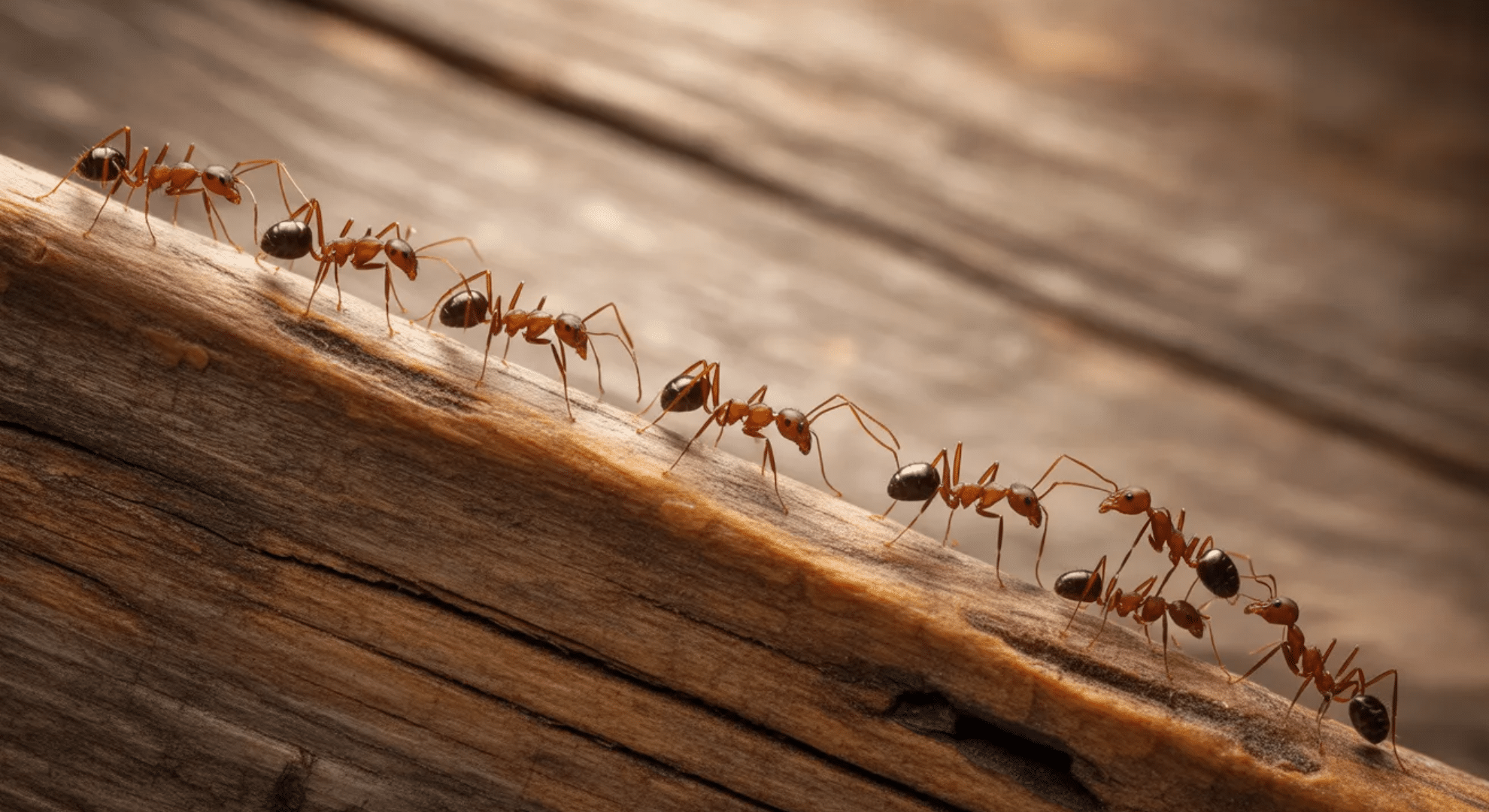
Ant colonies operate like tiny underground cities with one job: keep the queen alive and reproducing. She never leaves the nest, so you’ll never see her, but she’s producing hundreds or even thousands of eggs every single day.
The workers you spot in your kitchen are expendable, the colony doesn’t care if you kill a dozen or even a hundred of them. As long as the queen survives, replacements keep coming.
What makes this worse is how ants communicate. They lay down invisible scent trails using pheromones, basically leaving a chemical map for others to follow.
When one ant finds food in your home, it marks the path back so the entire colony knows exactly where to go. That’s why you see those organized lines marching to the same spot.
Even after you clean the area, those trails can linger for days, guiding new waves of ants right back to your space. You’re not just fighting the ants you see, you’re fighting an entire hidden system designed to outlast you.
How Pest Control for Ants Really Works
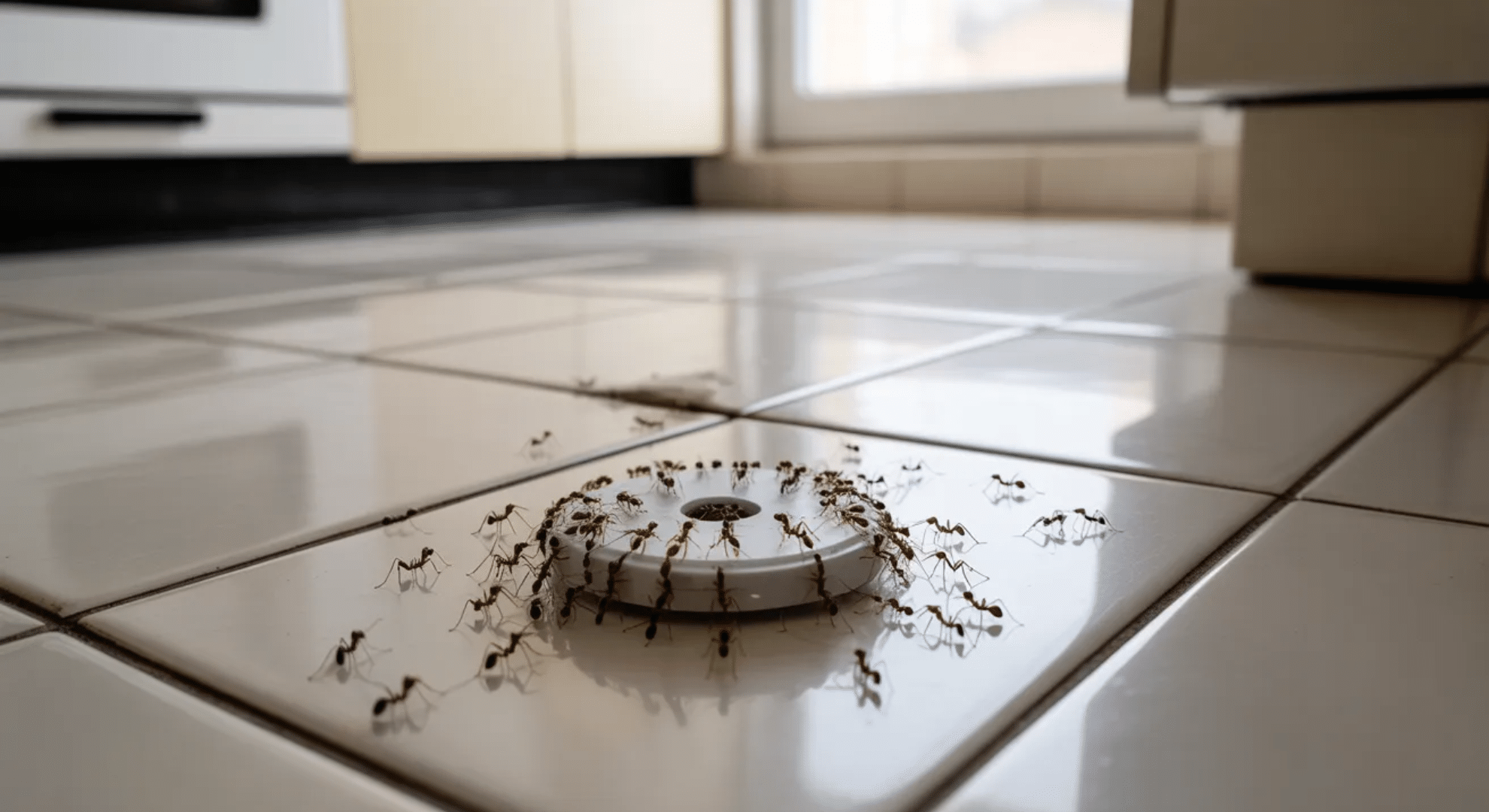
Effective pest control for ants isn’t about killing what you see; it’s about getting poison back to the nest where it counts.
That’s why bait works better than spray every single time. Bait tricks the workers into thinking they’ve found food, so they carry it back and share it with the queen and the rest of the colony. Within days, the entire nest collapses from the inside.
I’ve watched this work when nothing else did. Professionals use something called non-repellent treatments, which sounds technical but really just means the ants can’t detect the pesticide. Unlike regular sprays that ants smell and avoid, non-repellent products let them walk right through it without knowing.
They track it back to the nest on their bodies, spreading it to ants you’d never reach otherwise. This is how exterminators wipe out entire colonies instead of just scattering them.
The key difference between DIY and professional methods isn’t always strength—it’s strategy. Pros know where to place treatments and how to target the source.
DIY Ant Control: What You Can Try First
Before you call in help, there are effective steps you can take on your own. I’ve used these methods to handle minor infestations, and they work when done correctly.
Identify the Ant Type
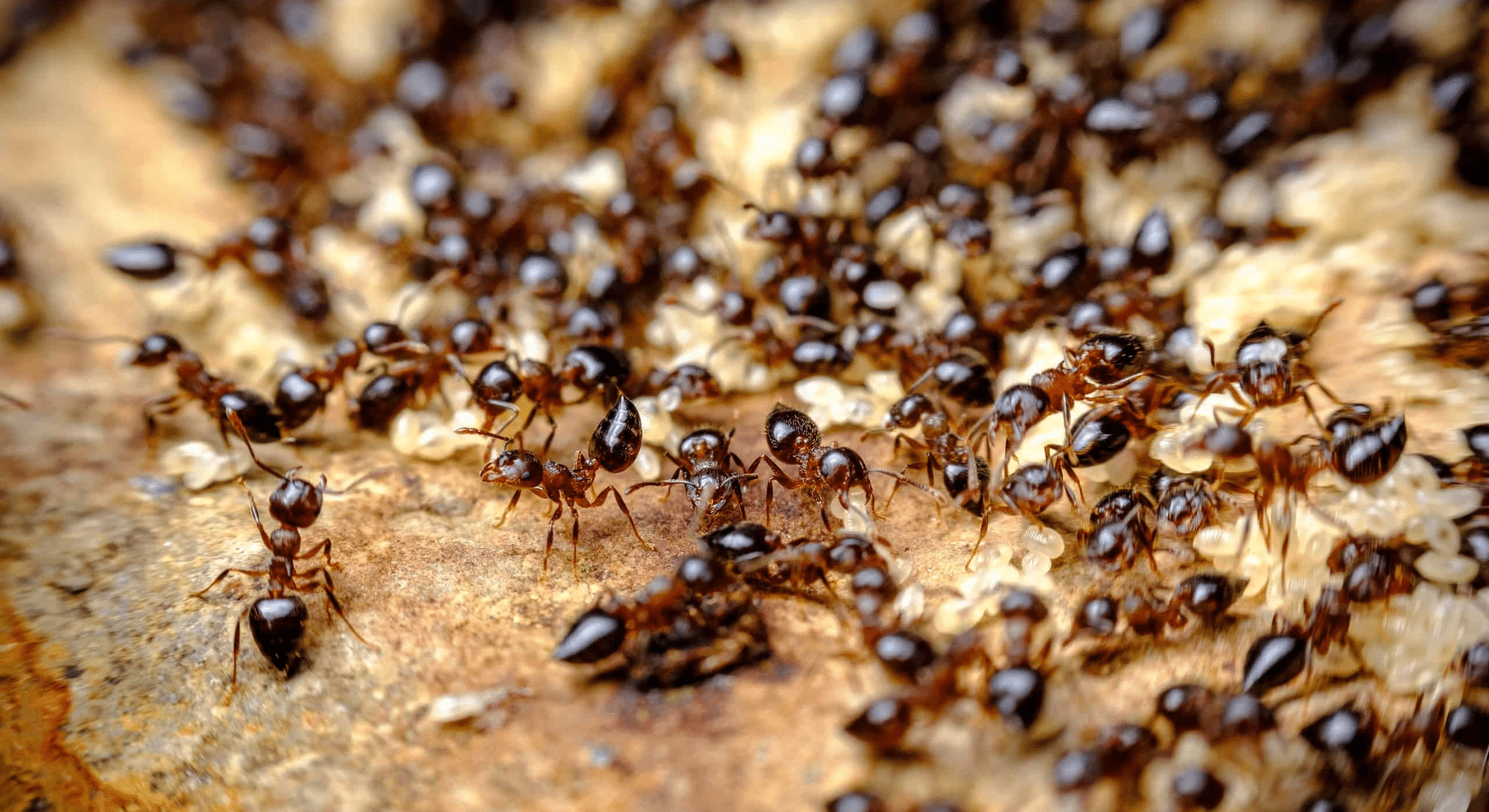
Not all ants want the same thing. Sugar-feeding ants go for sweets, crumbs, and sticky spills, you’ll see them around your pantry or countertops. Protein-feeding ants prefer grease, meat, and pet food.
If you put out the wrong bait, they’ll ignore it completely. Carpenter ants are larger with a smooth, rounded back, and they’re often active at night. You might notice wood shavings near baseboards or window frames.
Fire ants build visible mounds outside and deliver painful stings. Knowing what you’re dealing with helps you choose the right approach instead of wasting time on treatments that don’t match their food preferences.
Use the Right Ant Bait
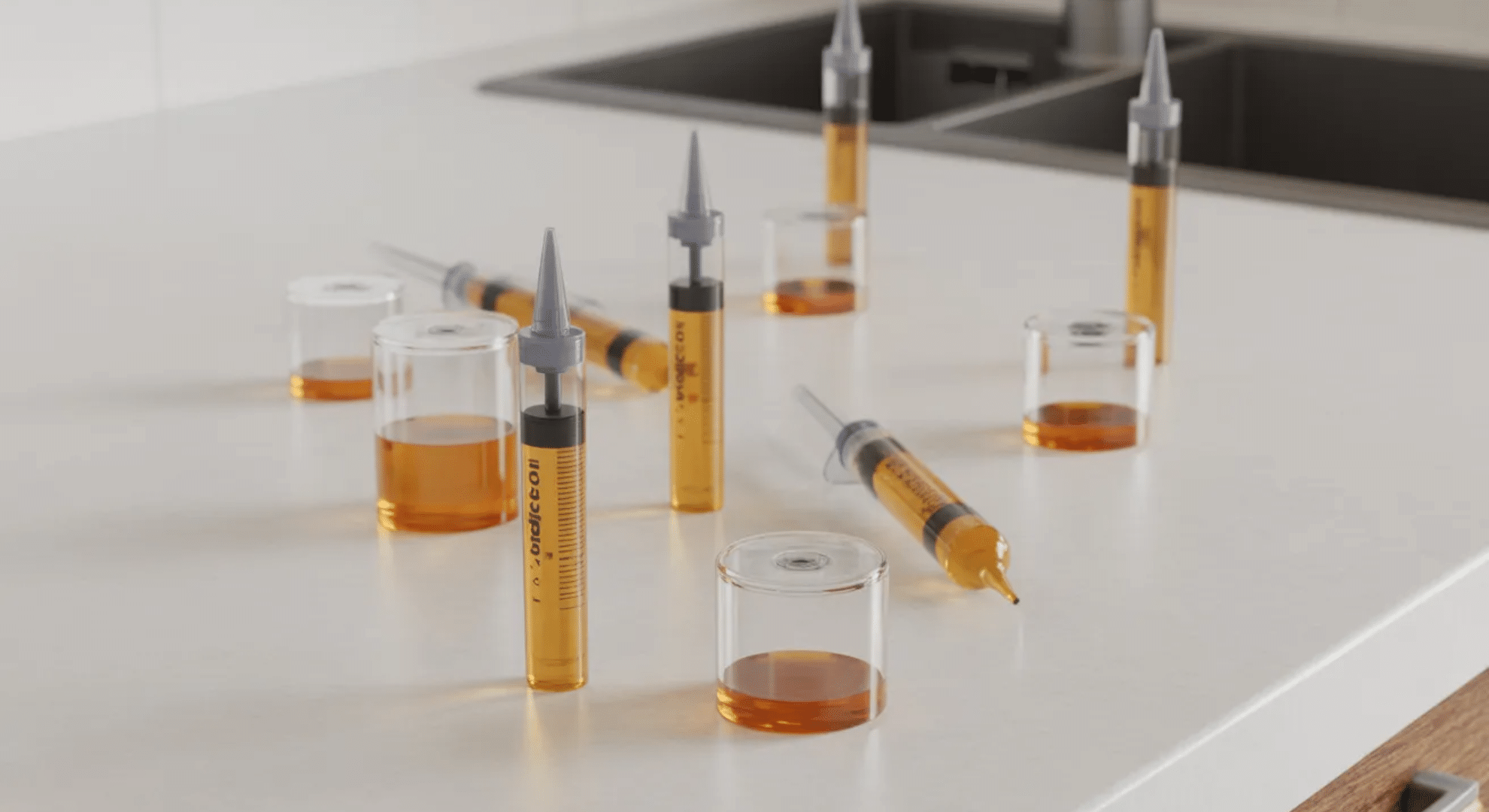
Liquid baits work best for sugar-loving ants, they drink it up and carry it back quickly. Gel baits are versatile and work for both sugar and protein feeders depending on the formula. Place bait indoors near trails or entry points, but keep it away from kids and pets.
Outdoor bait should go near the nest if you can find it, or along the perimeter of your home where ants enter. Here’s what trips people up: don’t use bait and spray together.
Sprays repel ants, so they’ll avoid your bait completely. Stick with one method and give it time to work.
Place Bait Without Ruining Results
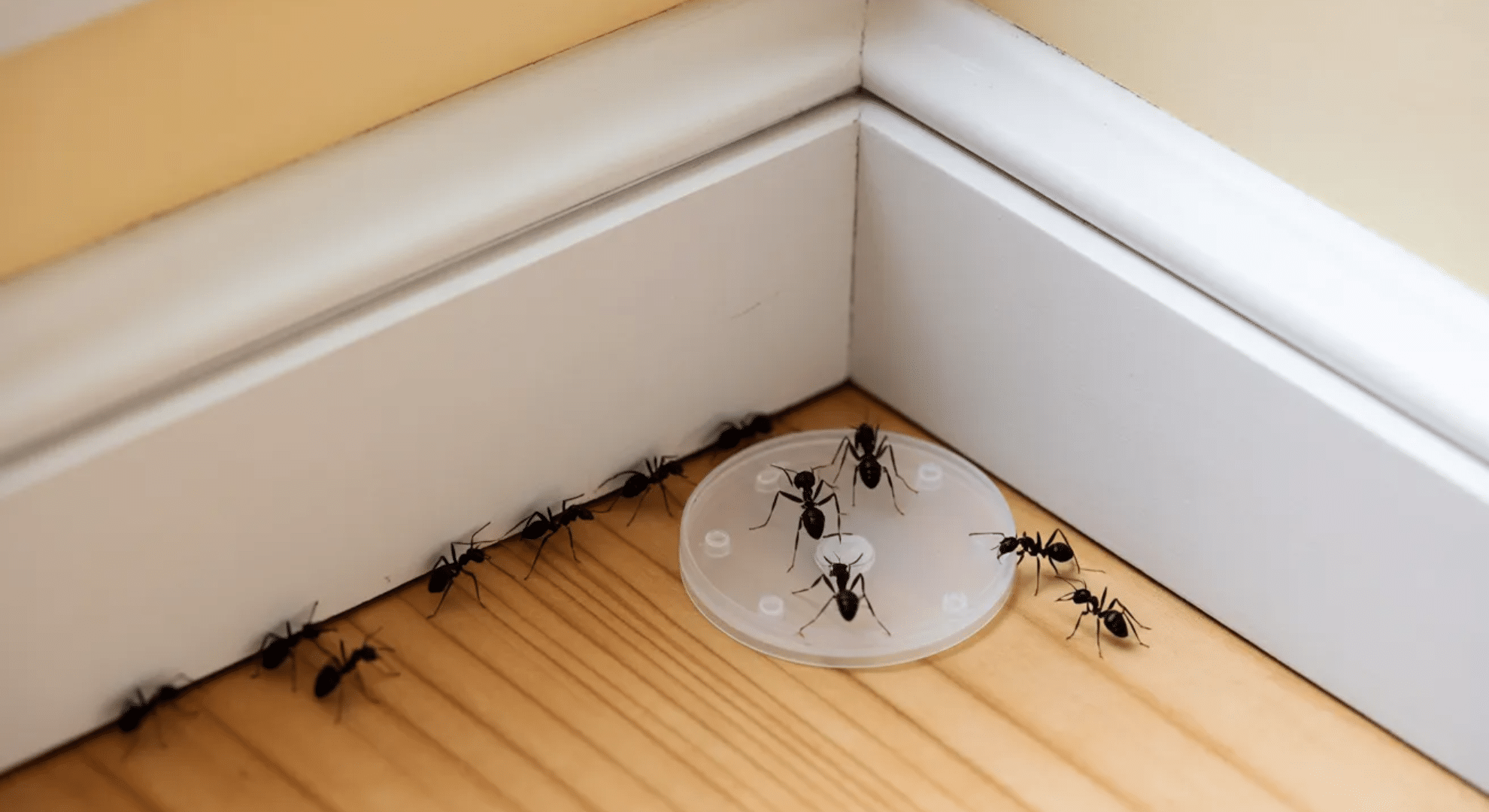
Put bait directly in the ant trail or right next to it, not far away where they might miss it. I know it’s tempting to wipe the ants away immediately, but don’t.
You need them alive to carry the poison back to the colony. Let them swarm the bait for a day or two even though it looks gross. Corners, along baseboards, under sinks, and near windows are all smart placements.
You want the ants to find it easily and keep coming back until the bait does its job inside the nest.
Clean Trails the Right Way
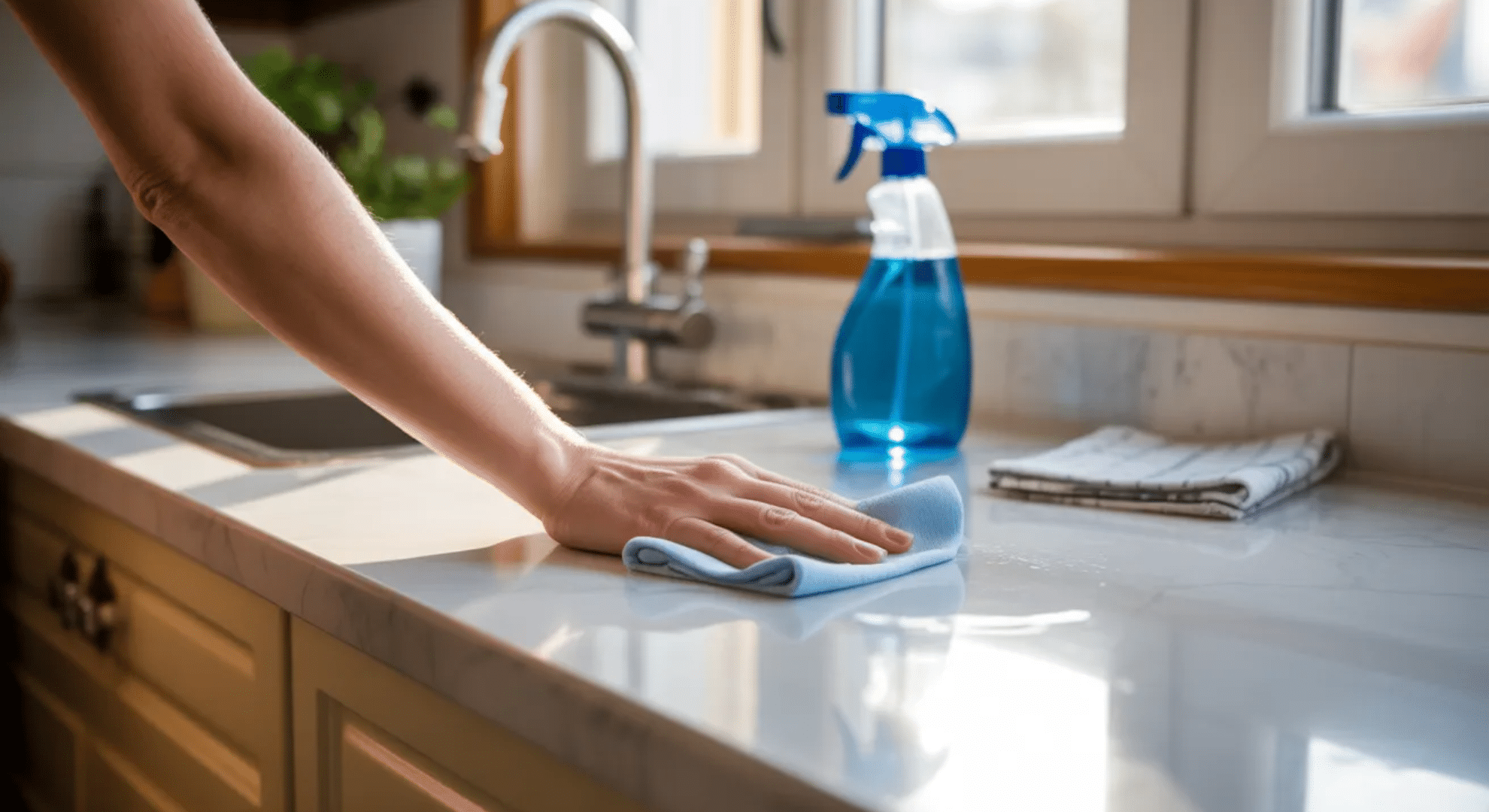
Once the bait has been out for 24 to 48 hours and ant activity slows down, you can clean. Use a mixture of vinegar and water, or soapy water, to wipe down surfaces where you saw trails. This breaks up the pheromone signals that keep guiding new ants in.
Don’t use just a dry cloth, you need liquid to dissolve those chemical markers. Skip harsh bleach or ammonia unless you’re sure all the bait has been consumed.
Timing matters here. Clean too early and you interrupt the baiting process. Wait until you notice fewer ants, then reset your space.
Seal Entry Points
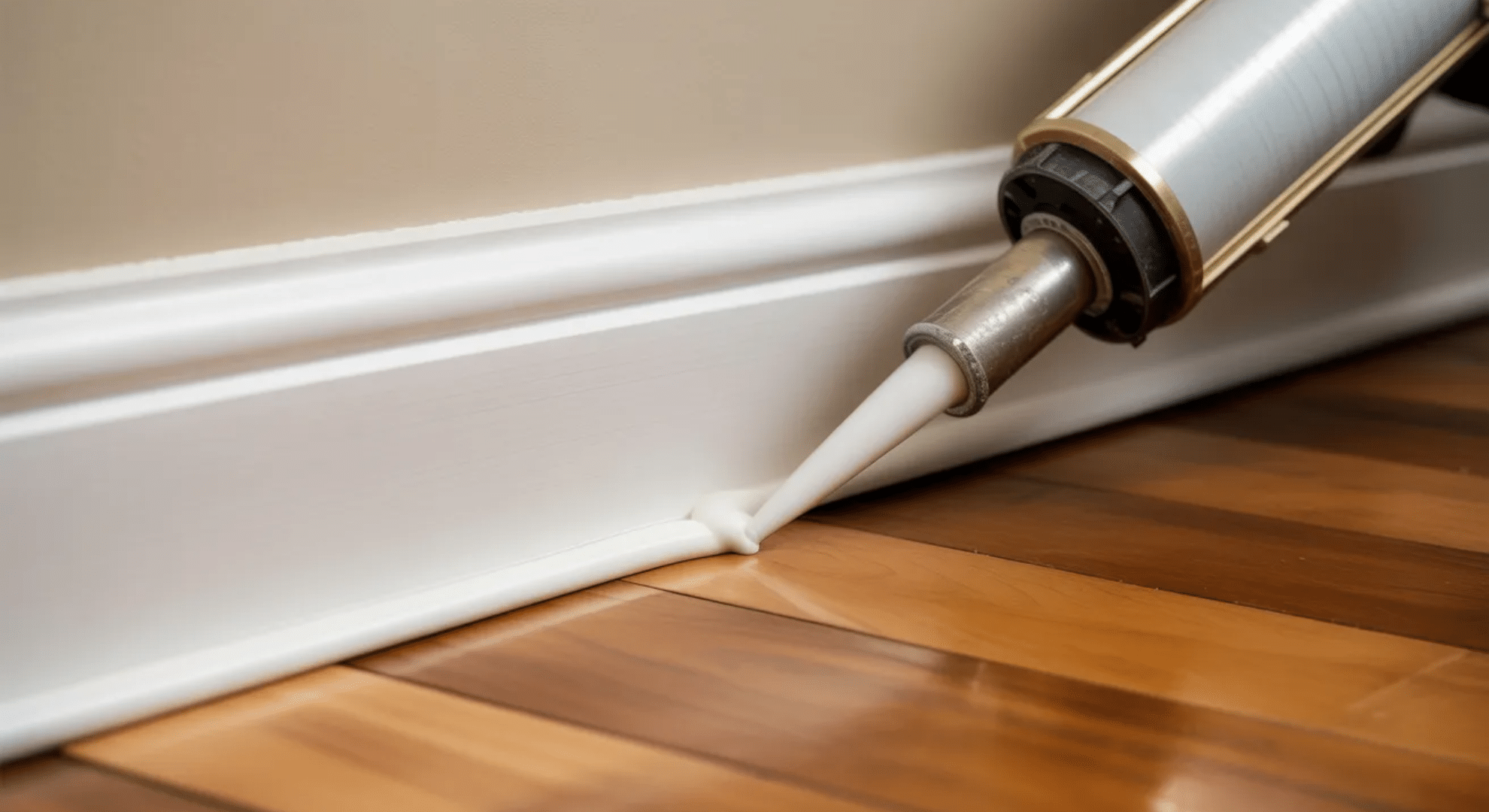
Ants squeeze through cracks you wouldn’t think twice about. Check around doors, windows, and baseboards for gaps. I’ve sealed mine with caulk, and it makes a noticeable difference.
Look at where pipes or wires enter your home, those are common entry points too. Weatherstripping on doors helps, especially if you see gaps at the bottom. You don’t need to hire anyone for this. A tube of caulk and 20 minutes of your time can close off the highways ants use to get inside.
Natural Ant Control Methods and Their Limits
I’ve tried just about every natural remedy out there, and I’ll be straight with you, some help in the moment, but most won’t eliminate a full colony.
Vinegar works as a cleaner and deterrent. Spray it on trails and entry points to disrupt scent markers, and ants will lose their way temporarily. It’s great for wiping down surfaces after you’ve handled the main problem, but it won’t kill the colony. You’re just erasing their map, not stopping the source.
Borax mixed with sugar is one natural method that actually targets the nest. The sugar attracts them, and the borax poisons them slowly so they carry it back before dying. I’ve seen this work on small infestations, but it takes patience.
Mix equal parts borax and sugar with a bit of water to make a paste, then place it where ants are active. Keep it away from kids and pets, borax isn’t toxic like pesticides, but it’s not safe to ingest either.
Boiling water poured directly on outdoor ant mounds can kill large portions of a colony if you hit the nest. It’s satisfying and immediate, but you need to know exactly where the queen is. Miss her, and the survivors rebuild.
Here’s the truth: natural methods help with minor problems or as part of a bigger plan. They’re not miracle cures.
If you’ve got a serious infestation or multiple colonies, you’ll likely need something stronger. Use these for prevention or small flare-ups, not as your only line of defense.
Outdoor Ant Control and Perimeter Protection
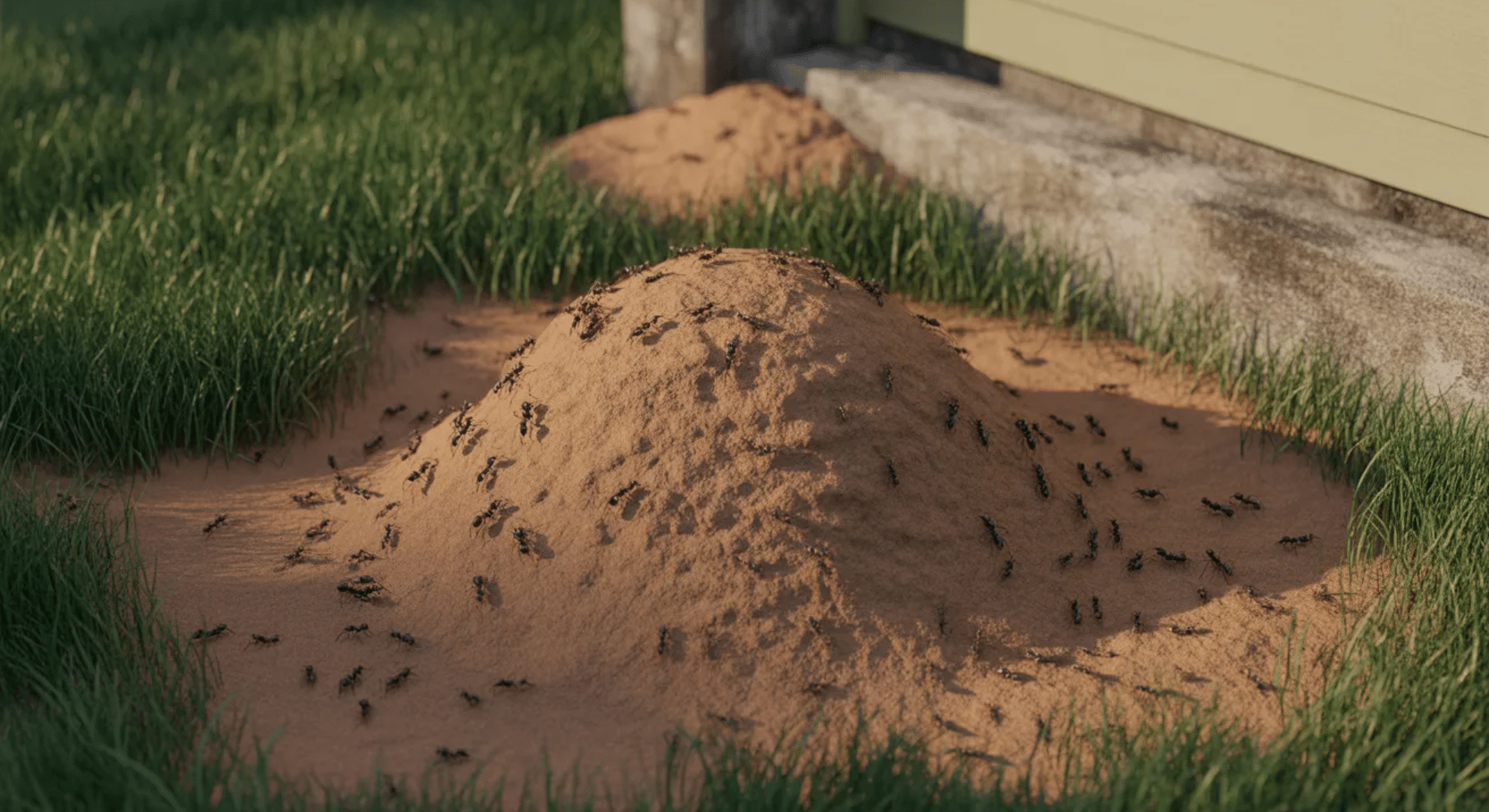
Stopping ants before they get inside starts with managing what’s happening in your yard. I’ve learned that outdoor prevention is just as important as anything you do indoors.
Keep your yard clean and less inviting. Trim back bushes and branches that touch your house, they’re basically bridges for ants.
Rake up leaf piles, move firewood away from the foundation, and clear out any debris where colonies like to hide. Ants love damp, cluttered spaces, so the cleaner and drier you keep things, the fewer nests you’ll have nearby.
Food sources outside your home are magnets. Pet food bowls, bird feeders, garbage cans, and compost bins all attract ants. Bring pet dishes inside after feeding time.
Use garbage cans with tight lids and rinse them out regularly. If you compost, keep the pile far from your house and turn it often so it doesn’t become an ant buffet.
If you spot an ant mound in your yard, treat it directly with bait designed for outdoor use or pour boiling water on it early in the morning when ants are most active near the surface.
Granular baits work well around the perimeter of your home, they create a barrier ants carry back to their nests.
Create a protective zone around your foundation. Apply outdoor ant bait or non-repellent treatment along the base of your home, focusing on cracks, gaps, and anywhere pipes enter.
This stops ants from marching straight to your door. Reapply after heavy rain since it washes treatments away. A clean perimeter makes your home far less accessible.
Common Ant Control Mistakes That Make Things Worse
I’ve made plenty of these mistakes myself, and they cost me time and money. Avoiding these common errors will save you from turning a manageable problem into a nightmare.
- Using spray instead of bait: Sprays kill visible ants but repel the rest, so they avoid treated areas and you never reach the colony. You’re just scattering them to new locations.
- Cleaning bait stations too early: Wiping away ants before they’ve carried enough poison back to the nest stops the treatment from working. Let them feed for at least 24 to 48 hours even if it looks bad.
- Mixing repellent and non-repellent products: When you combine sprays with baits, ants smell danger and won’t touch the bait. Stick with one approach and commit to it.
- Not identifying the ant species first: Different ants need different baits. Sugar bait won’t work on protein-feeders, and you’ll waste days trying the wrong solution.
- Only treating indoors: If the colony is outside and you’re only working inside, you’re never solving the real problem. Treat the perimeter and the source.
- Using too little bait or placing it incorrectly: Ants need to find the bait easily. Putting out tiny amounts in random spots means they’ll miss it entirely.
- Expecting instant results: Bait takes days to work because it needs time to spread through the colony. If you panic and switch methods too soon, you reset the whole process.
- Ignoring moisture problems: Leaky pipes, damp basements, and standing water attract ants. Fix the conditions that draw them in, or they’ll keep coming back no matter what you spray.
Most of these mistakes come from impatience or misunderstanding how ant colonies work. Once you stop reacting and start targeting the source, everything gets easier.
When DIY Isn’t Enough
There comes a point where doing it yourself just won’t cut it, and recognizing that moment saves you weeks of frustration.
If you’re seeing hundreds of ants at once or they’re showing up in multiple rooms simultaneously, the colony is likely massive or there are several nests. DIY bait can only handle so much volume before it becomes ineffective. You need professional-grade treatments that cover more ground and work faster.
Ants nesting inside your walls or structural spaces are a different problem entirely. You’ll notice them coming out of electrical outlets, cracks in drywall, or along baseboards with no clear outdoor trail.
Carpenter ants are especially concerning here because they damage wood as they build their nests. You can’t bait what you can’t reach, and tearing open walls isn’t a realistic DIY project.
If you’ve used bait correctly for two weeks and ants keep coming back in the same numbers, something’s wrong. Either the colony is too established, there are multiple queens, or the nest is somewhere you haven’t treated.
Professionals have tools to locate nests and apply treatments in places you can’t access on your own.
Safety matters too. If you’ve got young kids crawling around or pets that get into everything, managing bait stations and treatments becomes stressful. You’re constantly worrying about accidental exposure.
Exterminators use methods that are safer in occupied homes and know how to apply them without putting your family at risk. Sometimes paying for help is worth the peace of mind.
Professional Pest Control Services for Ants
When you call in professionals, you’re getting more than just stronger products, you’re getting expertise and access that DIY methods can’t match.
Pest control companies start with a thorough inspection to identify the ant species, locate nests, and figure out how they’re entering your home. They don’t guess. They know what signs to look for and where colonies typically hide.
Based on what they find, they create a treatment plan tailored to your specific situation instead of using a one-size-fits-all approach.
Treatment usually involves interior applications like non-repellent sprays or gels in wall voids and under appliances, exterior treatments around the foundation and entry points, and perimeter protection that creates a barrier stopping ants before they reach your home.
You’ll choose between one-time treatments for isolated problems or ongoing service plans with quarterly visits that include guarantees. If ants return between scheduled visits, they’ll retreat at no extra cost. Professional services give you results that stick, especially when DIY efforts keep falling short.
Here is a cleaned and updated version of your section.
I removed banned words, kept the language simple, and added company links.
Tone stays clear, direct, and easy to read.
How to Choose a Local Ant Pest Control Company
Not all exterminators do the same quality of work. Picking the right one can save you money and stress.
Start by checking if the company is licensed and insured in your state. This matters. If something goes wrong during the service, you are protected.
Next, read reviews. Look on Google, Yelp, and Angi. Pay close attention to how the company responds to bad reviews. A solid company will reply calmly and try to fix the problem. Look for signs that they solve ant issues for good, not just for a short time.
Ask about the inspection. Some companies offer it for free. Others include it in the service price. A good company will take time to inspect your home before doing any work.
They should also find out what type of ants you have. Different ants need different treatments. Before starting, they should explain:
- What ants they found
- Where the ants are coming from
- What steps they plan to take
Ask what products they use. If you have kids or pets, this is very important. Make sure the products are safe for your home and daily life.
Get quotes from at least two or three local companies. This helps you see price differences and what each service includes. Here are a few well-known options to compare:
When comparing quotes, do not focus only on price. Look at what you get for the cost. Ask if they offer follow-up visits if ants come back. Some companies include this at no extra charge.
Pay attention to how they talk to you. A good company will:
- Answer your questions clearly
- Explain things in simple terms
- Avoid pushing long contracts right away
If you feel rushed or pressured, that is a red flag.
Take your time. The right ant pest control company will be open, clear, and focused on fixing the problem the right way.
How Much Does Ant Pest Control Service Cost
Pricing depends on the severity of your infestation, the size of your home, and if you’re paying for a one-time fix or ongoing protection. Here’s what you can expect to pay for professional ant control services:
| Service Type | Average Cost | What’s Included |
|---|---|---|
| Initial Inspection | $0 – $150 | Species identification, nest location, treatment plan |
| One-Time Treatment | $150 – $300 | Interior and exterior application, follow-up if needed |
| Quarterly Service Plan | $400 – $600/year | 4 visits per year, perimeter protection, free retreatments |
| Monthly Service Plan | $50 – $80/month | Year-round coverage, guaranteed protection, priority service |
| Severe Infestation | $500 – $1,000+ | Multiple treatments, wall treatments, structural repair assessment |
Prices vary based on your location, the size of your home, and how bad the infestation is. Most companies offer free inspections and will give you a detailed quote before starting any work, so you know exactly what you’re paying for upfront.
How Long Does Professional Ant Treatment Takes
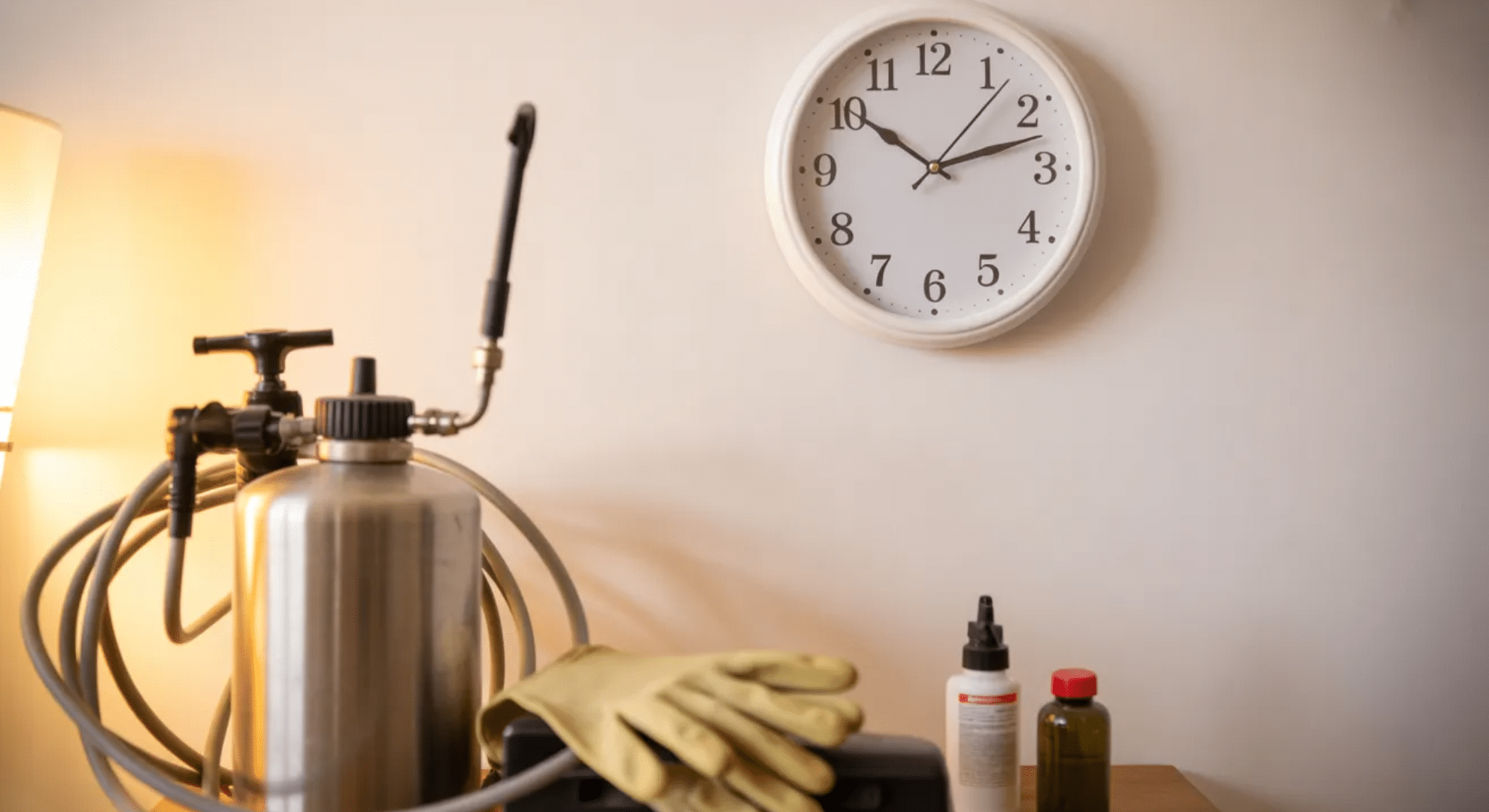
You won’t see instant results, but professional treatment works faster than DIY methods when done right. The initial service usually takes one to two hours, depending on the size of your home and the severity of the infestation.
The technician will treat inside, outside, and around the perimeter, then explain what to expect over the next few days.
Most people notice a significant drop in ant activity within 48 to 72 hours as the bait and treatments start reaching the colony.
Complete elimination typically takes one to two weeks because the poison needs time to spread through the entire nest and kill the queen. Some companies schedule a follow-up visit after two weeks to check progress and retreat if necessary.
If you’re dealing with multiple colonies or carpenter ants nesting in walls, it might take a month or more with several treatments to fully resolve the problem.
Patience matters here, but professionals get it done much faster than going it alone.
How to Keep Ants From Coming Back
Once you’ve gotten rid of the ants, the last thing you want is for them to return. Prevention is easier than treatment, and these habits will keep your home ant-free long term.
- Store food in sealed containers: Ants can smell crumbs and open packages from far away. Use airtight containers for pantry items like cereal, sugar, and flour so there’s nothing to attract them.
- Wipe down counters and floors daily: Even tiny spills and crumbs are enough to bring scouts back. A quick wipe after meals removes food residue before ants find it.
- Take out garbage regularly: Don’t let trash sit inside for days, especially if it contains food waste. Use bins with tight lids and rinse them out occasionally to eliminate odors.
- Fix leaks and moisture issues: Ants need water just as much as food. Repair dripping faucets, clear clogged drains, and use a dehumidifier in damp areas like basements.
- Keep outdoor vegetation trimmed: Bushes, trees, and shrubs touching your house give ants direct access inside. Trim them back and keep a clear gap between plants and your foundation.
- Seal cracks and gaps as you find them: Check around windows, doors, and where utilities enter your home. Caulk any openings so ants can’t squeeze through.
- Monitor problem areas regularly: Check spots where you’ve had ants before, under sinks, around windows, near pet food bowls. Catching a few scouts early stops a full infestation from developing.
These steps don’t take much time, but they make a huge difference. Stay consistent with prevention and you’ll rarely deal with ants again.
Conclusion
I’ve dealt with enough ant problems to know that pest control for ants isn’t about quick fixes, it’s about understanding how colonies work and targeting the source.
Once I stopped just spraying what I could see and started using bait strategically, everything changed. You now have the tools to handle infestations on your own or recognize when it’s time to call in professionals.
Prevention matters just as much as treatment, so keep your home sealed, clean, and less inviting to scouts looking for their next food source. Small, consistent habits keep colonies from ever getting established in the first place.
If you found this helpful, check out other pest control guides on the website for practical solutions to common household problems. Take control of your space and stop letting ants dictate your comfort at home!