Most people who try cold plunging for the first time are surprised by how much they like it. The few minutes after you get out: that sharp clarity, the warmth flooding back, the sense that you have already done something genuinely hard before 8am. It is addictive in the best way.
The harder part is doing it consistently for months rather than weeks. That is where most cold plunge habits break down, and usually not because people stop caring. It breaks down because the setup gets in the way.
The Benefits Are Real but Dose-Dependent
Cold water immersion works through repeated exposure. The body and mind adapt over time, not from a single session. What the research and practical experience both suggest is that the benefits: reduced inflammation and muscle soreness, better circulation, improved mood, sharper focus, and stronger stress tolerance, compound with consistency.
This means the most important factor in getting value from cold plunging is not temperature, duration, or technique. It is showing up regularly enough for the practice to become a normal part of your week.
Early morning is the most common time people choose, and for good reason. A cold plunge first thing sets a particular tone for the day. You have already done something uncomfortable. You have already made a choice that most people would not make. Everything else feels a little more manageable after that.
Why the Equipment Matters More Than It Seems
There is a gap between people who plunge once a week and people who plunge five or six times a week. That gap is almost always explained by access and convenience, not motivation.
A quality home Ice bath removes the decision-making from the equation. The water is cold. The tub is ready. You just have to get in.
But the equipment has to actually hold up its end of the deal. The most common complaint among people who buy cheaper cold plunge tubs is that the water is never quite cold enough, especially in summer, and the electricity costs are higher than expected. Both problems have the same root cause: poor insulation.
When a tub does not hold temperature well, the chiller is constantly playing catch-up. More run time, more noise, more electricity, and still often falling short of the target temperature when ambient conditions are warm. It is the same problem you would have trying to cool a room with the windows open.
The Rhone Ice Bath by Theralpine
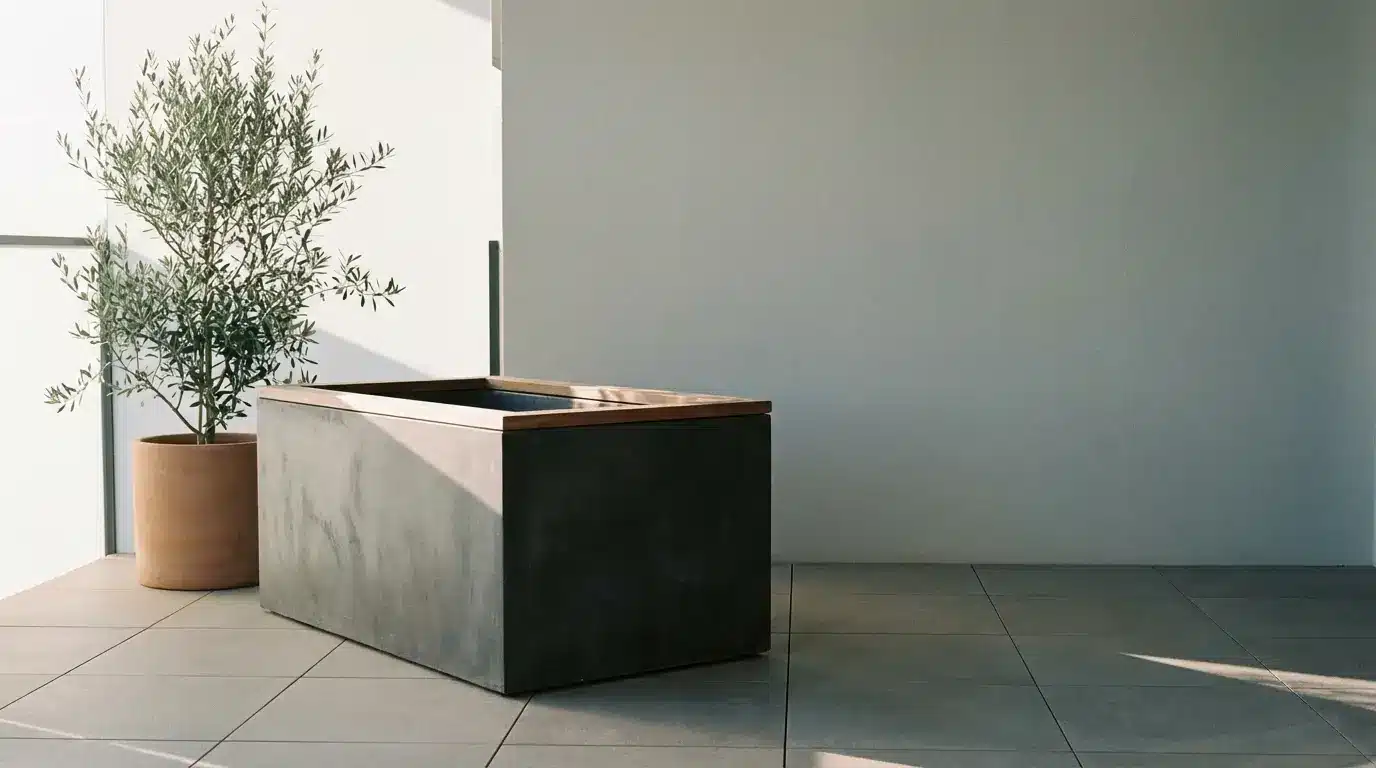
The Rhone is Theralpine’s answer to what a serious home cold plunge should look like. The design is compact enough for real home spaces, balconies included, while still accommodating users up to 2 metres tall. Ground-level entry and an anti-slip floor make it practical and safe for daily use.
What sets it apart is the insulation technology. Theralpine’s tubs keep water cold up to 16 times longer than poorly insulated alternatives, and their system reduces energy consumption by up to 14.6 times. In practical terms: the chiller runs far less, your electricity bill is lower, and the water is at the right temperature when you need it.
For warmer seasons or warmer climates, this matters enormously. Systems with weak insulation often hit their operational limit as temperatures rise: the chiller runs non-stop, the noise becomes intrusive, and the water may still not reach target temperature. With Theralpine’s insulation, the same chiller does far more work, and a more powerful chiller operates far less often.
The design works with standard chiller connections and is built for both indoor and outdoor conditions. It is a product clearly designed around long-term daily use rather than short-term appeal.
The Habit Is Worth Building
Cold plunging has moved well past trend territory. For people who have made it a consistent part of their routine, the reasons for continuing are usually straightforward: they feel better, recover faster, and handle stress more easily than before.
Getting to that point takes a few weeks of regular practice. The first week or two, the cold feels genuinely shocking. By week three or four, the body starts adapting and the breathing comes easier. By week six or seven, getting in stops feeling like a battle and starts feeling like a reset.
What makes those weeks possible is having a setup that is reliable and simple to use. You do not want to be managing technical problems or waiting for the water to cool down while trying to build a new habit. The equipment should be an invisible part of the process, not an obstacle in it.
What Long-Term Ownership Actually Looks Like
People who have owned a cold plunge at home for a year or more tend to talk about it differently from people who are a few weeks in. The novelty fades, and what remains is a tool they genuinely rely on. The language shifts from excitement to something more matter-of-fact: it is just part of the morning, the way coffee or a shower is part of the morning.
That shift only happens with equipment that consistently works. A tub that struggles to hold temperature in summer, runs noisily through the night, or drives up the electricity bill by a noticeable amount tends to become a frustration rather than a fixture. The habit erodes.
Investing in a well-made product from the start is the straightforward way to avoid that outcome. The right ice bath at home is not a luxury purchase. For anyone serious about building this habit, it is what makes the whole thing viable.