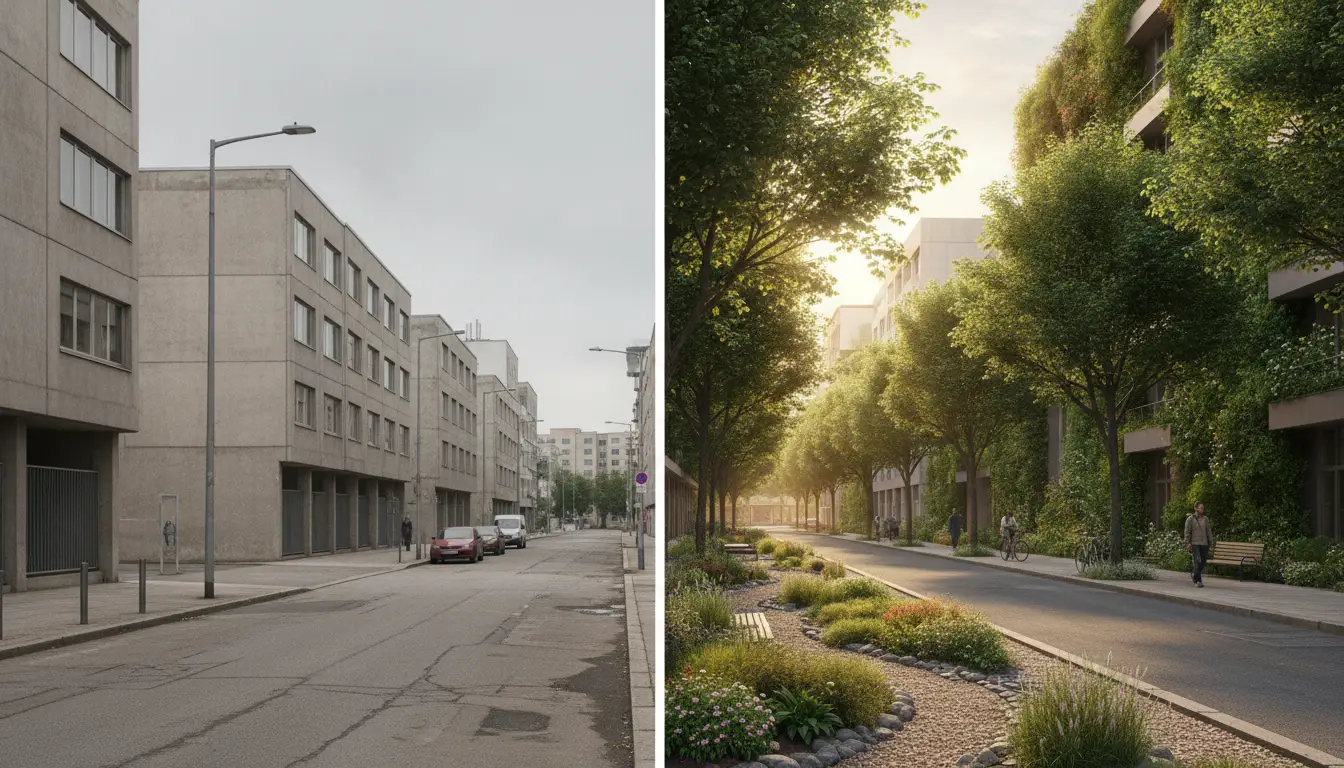
Walk through almost any growing city, and you’ll notice the same tension playing out block by block. Concrete keeps winning. Green space keeps losing ground to parking lots, strip malls, and infrastructure that was never designed with people in mind. And yet, in the middle of that, you’ll occasionally stumble onto a pocket park, a tree-lined median, or a courtyard that completely changes how a block feels to walk through.
That contrast is exactly why landscaping has become such a serious conversation in urban planning circles over the last decade. It’s not just about making a city prettier, though it does that too. It’s about function. Stormwater management, heat reduction, mental health, property values, and even crime rates have all been tied back to how much thoughtful green space a neighbourhood actually has.
This piece looks at how cities and developers are actually pulling that off, what tends to work, what gets overlooked, and why getting professional guidance early in a project tends to save everyone a lot of headaches down the line.
Why Urban Landscaping Matters More Than It Used To
A few decades ago, landscaping in cities was treated as decorative. Plant some shrubs around a building entrance, throw in a few street trees, call it done. That mindset has shifted considerably, and for good reason.
Cities are getting hotter. The urban heat island effect, where concrete and asphalt absorb and radiate heat back into the air, can push city temperatures five to ten degrees higher than surrounding rural areas during summer months. Trees and green cover are one of the most effective, low-cost tools available to counter that.
There’s also the stormwater piece, which doesn’t get talked about enough outside of engineering circles. Hard surfaces don’t absorb rain; they funnel it, fast, often straight into systems that weren’t built for the volume modern development creates. Landscaped areas like rain gardens and bioswales slow that water down and take real pressure off ageing municipal infrastructure.
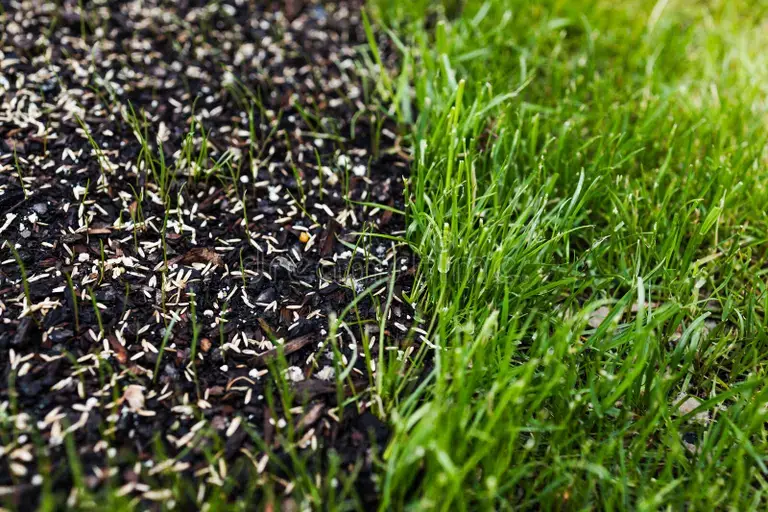
And then there’s the human side of it, which is harder to put a number on but just as real. People linger longer in green spaces. They sit, they talk, they bring their kids. Foot traffic in commercial districts with quality landscaping tends to run higher than in comparable areas without it, which has a direct effect on local business revenue. It’s one of those rare planning investments that pays off on almost every metric you’d care to measure.
Starting With the Right Foundation
Here’s where a lot of urban landscaping projects go sideways before they even get off the ground: the planning stage gets rushed. Someone decides a plaza needs more greenery, picks a few trees that look nice in a catalogue, and moves straight to planting without thinking through soil conditions, drainage, or how the space will actually be used five years down the road.
Good landscaping in dense urban environments is genuinely complex work. You’re dealing with compacted soil, underground utilities, limited root space, reflected heat off nearby buildings, and pedestrian traffic patterns that change throughout the day. A tree species that thrives in an open suburban yard might struggle badly when it’s boxed into a narrow sidewalk planter with restricted root volume and constant foot traffic brushing against its trunk.
That’s exactly why working with experienced landscape architecture services early in a project makes such a measurable difference. Getting the site analysis, plant selection, and drainage planning right from the start avoids the expensive cycle of replanting, regrading, or retrofitting drainage systems after a space has already failed to perform the way it was supposed to.
It’s not just about picking attractive plants. It’s about designing a system, soil, water, plant selection, hardscape, and human movement that actually functions together over the long term.
What Successful Urban Landscaping Actually Looks Like
Pocket Parks and Small-Lot Transformations
Not every urban green space needs to be a sprawling municipal park. Some of the most effective transformations happen on lots barely bigger than a single building footprint, a vacant corner that’s been sitting empty, an underused alley, a gap between two buildings that never had a clear purpose.
Pocket parks work because they meet people where they already are. A small, well-designed green space tucked into a dense commercial block gives office workers somewhere to eat lunch outside, gives residents a place to walk a dog without driving across town, and gives a neighbourhood a visual break from unbroken concrete and glass.
Green Roofs and Vertical Landscaping
Where ground-level space simply isn’t available, cities have increasingly turned upward. Green roofs have moved from a niche sustainability feature to a fairly standard request on new commercial and mixed-use developments in dense urban cores.
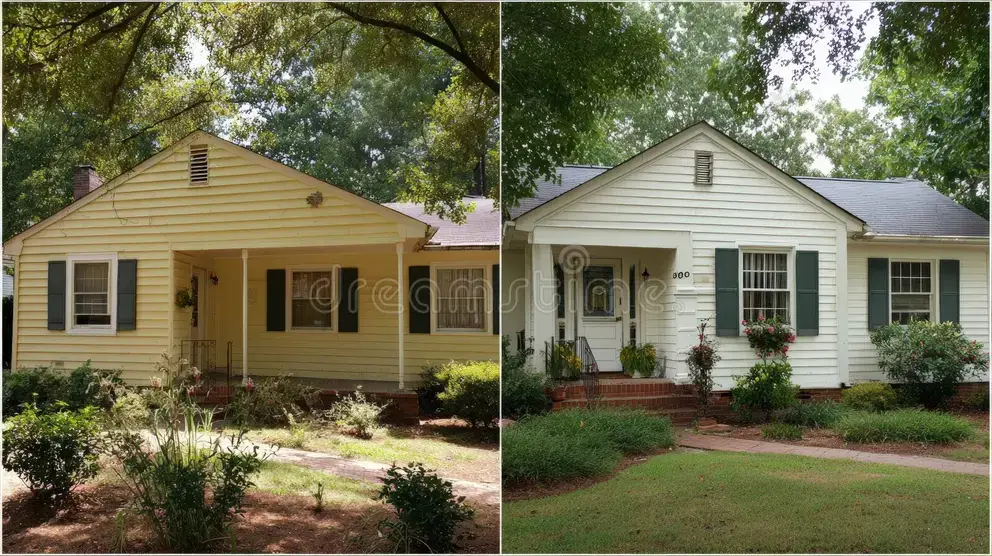
Beyond the obvious aesthetic benefit, green roofs reduce building energy costs through natural insulation, extend the lifespan of roofing membranes by protecting them from UV exposure, and capture a meaningful percentage of rainfall before it ever reaches the storm drain system. Vertical gardens on building facades accomplish something similar on walls instead of rooftops.
Streetscapes That Actually Get Used
A street lined with trees isn’t automatically a successful streetscape. The trees need to be species that tolerate the specific stress of an urban planting strip, compacted soil, road salt exposure, limited water, and pollution. Pair that with proper tree grates, adequate planting pits, and seating that encourages people to actually stop, and you get a street that functions as public space rather than just a corridor between destinations.
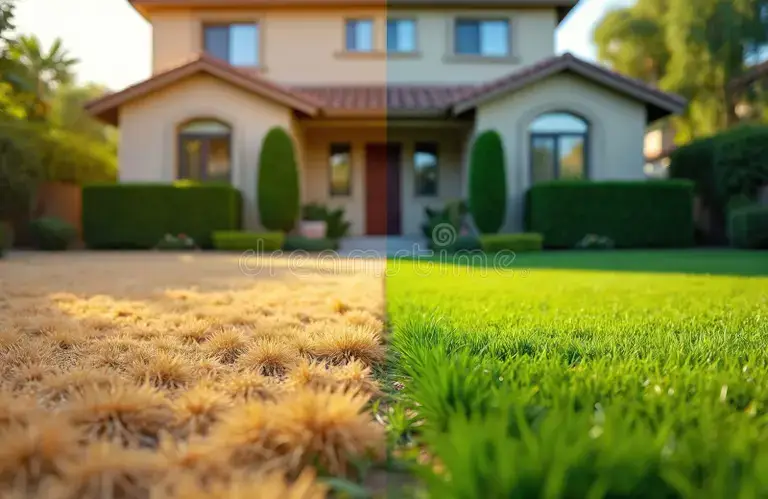
Cities that have invested seriously in streetscape design, wider planting strips, native and climate-adapted species, and intentional shade coverage along high-traffic pedestrian routes tend to see those streets used far more heavily for walking and outdoor dining than streets that treat trees as an afterthought, squeezed into leftover sidewalk space.
Common Mistakes That Undermine Urban Landscaping Projects
Choosing the wrong plant species for the conditions. This is the single most common failure point. A species selected because it looked good in a design rendering, without accounting for actual soil volume, sun exposure, and urban stress factors, often dies within a few years and has to be replaced, sometimes more than once.
Underestimating long-term maintenance needs. A landscaped space that looks fantastic at ribbon-cutting but has no realistic maintenance plan behind it tends to decline fast. Irrigation systems fail, mulch isn’t replenished, and overgrowth or dieback sets in within a couple of seasons. Maintenance planning needs to happen at the design stage, not as an afterthought once the budget’s already spent.
Ignoring how people actually move through a space. Designers sometimes plan landscaping based on how a space should look from above rather than how people will actually walk through it at ground level. Desire paths, the worn dirt trails that show up where people cut across grass instead of using a paved walkway, are a pretty clear signal that the original design didn’t account for real human behaviour.
Treating stormwater as a separate problem. Landscaping and drainage are not two different projects. They need to be designed together. A beautifully planted median that floods every time it rains hasn’t solved anything; it’s just moved the problem somewhere more visible.
The Economic Case Cities Keep Rediscovering. Sceptics of urban greening initiatives often frame landscaping as a cost rather than an investment, and on paper, the upfront expense can look significant. But the data on commercial corridors with quality landscaping consistently shows higher retail sales and increased property values for adjacent buildings compared to comparable areas without it.
Cities have also started quantifying the avoided costs, reduced stormwater infrastructure strain, lower cooling costs from shade coverage, and measurable public health savings tied to heat mitigation. Add those savings to the increased commercial activity that well-designed green spaces tend to generate, and the original price tag starts looking a lot more reasonable.
Where This Is Headed
Urban landscaping is moving in a direction that treats green infrastructure as load-bearing, not decorative, but functional in the same way a city treats its roads or its sewer system. Native and climate-adapted plant palettes are becoming the default rather than the exception, partly out of necessity as water restrictions tighten in many regions. Stormwater-integrated designs, where landscaping and drainage systems are planned as a single unit, are becoming standard practice on new development rather than as a speciality add-on.
The cities getting this right aren’t necessarily the ones spending the most money. They’re the ones bringing in the right expertise early, designing for how the space will actually be used and maintained over decades, and treating green infrastructure as a core part of how a city functions rather than something layered on at the end.
Final Thoughts
Transforming an urban space with landscaping isn’t about adding a few trees and calling it green. It’s a layered process involving soil science, hydrology, plant biology, and an honest read of how people actually move through and use public space. Done well, it changes how a block feels to walk through, how a building performs, and how neighbourhoodod functions during a heat wave or a heavy rainstorm.
The cities and developers who get the best results tend to be the ones who treat landscaping as infrastructure from day one, not as a finishing touch applied once everything else is already built. That shift in thinking from decoration to design is really what separates the urban green spaces people actually use from the ones that just look good in a rendering.