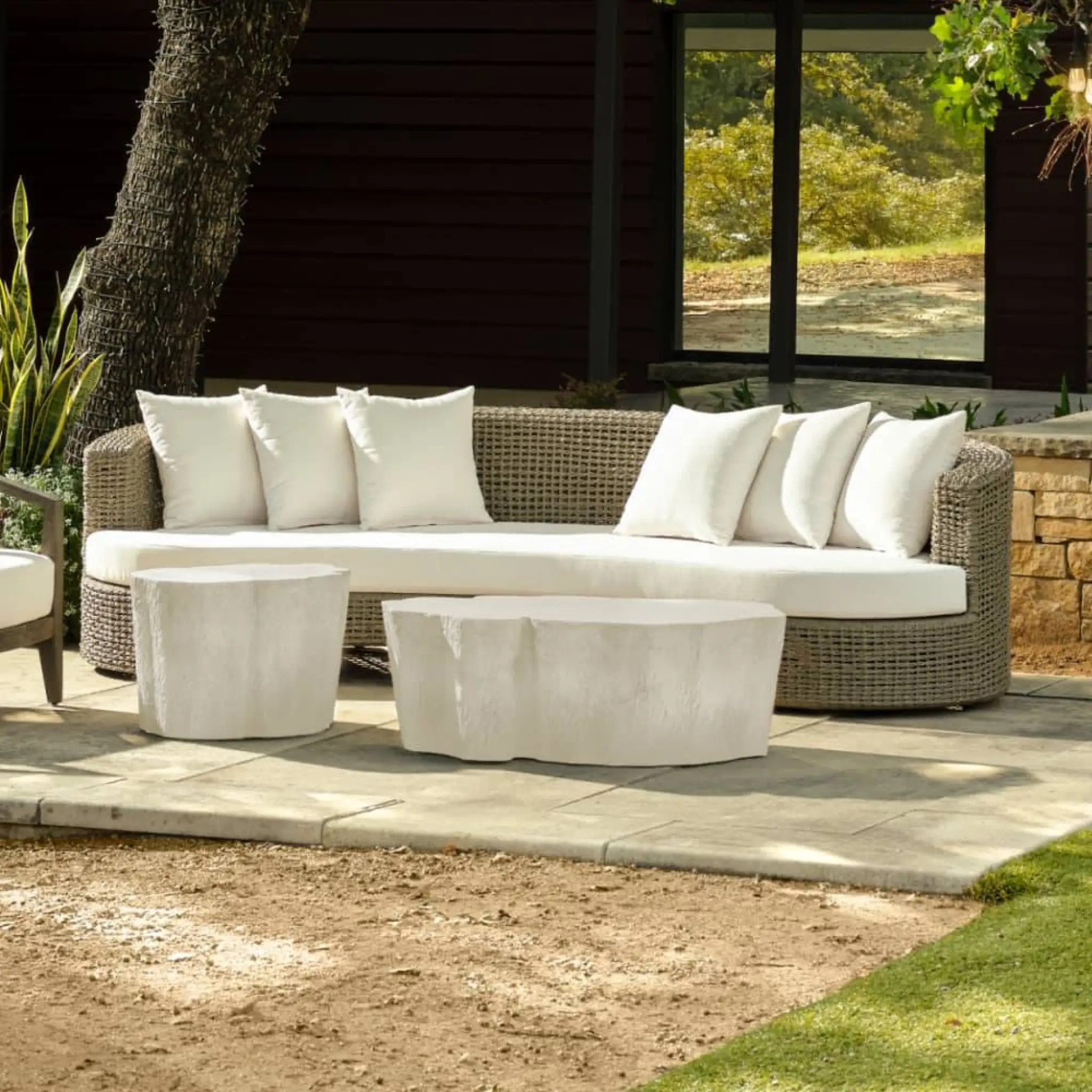
Outdoor spaces have become an important extension of the home. Patios, decks, gardens, and small backyard retreats now serve as places to relax, entertain, enjoy meals, and spend time with family. Creating a comfortable outdoor environment does not always require a major renovation. Thoughtful choices in seating, layout, plants, and décor can make a significant difference. Homeowners looking for inspiration often explore options such as high-end outdoor furniture when creating outdoor spaces that feel welcoming, functional, and beautifully designed.
Start With How You Want to Use the Space
Every outdoor area serves a different purpose. Some people want a place to enjoy morning coffee. Others need a comfortable setting for family gatherings or evening meals. Some simply want a quiet spot to unwind after a busy day.
Before making design decisions, think about how the space will be used most often. A dining area may require larger seating arrangements and table space. A relaxation zone may benefit from lounge seating, side tables, and soft accents.
When the design supports daily habits, the space becomes easier to enjoy throughout the year.
Create Comfortable Seating Areas
Seating often becomes the foundation of an outdoor space. It encourages people to spend more time outside and creates natural gathering areas.
Comfort should guide furniture choices. Deep seating, supportive cushions, and durable materials can make outdoor areas feel more inviting. The goal is to create an environment where people want to sit, talk, read, or simply enjoy the surroundings.
Arrangement matters as much as the furniture itself. Seating that faces inward encourages conversation. A chair placed near a garden view can create a peaceful retreat. Small adjustments can improve both comfort and functionality.
Think Beyond the Patio
Outdoor living does not have to remain limited to a single patio or deck. Gardens, pathways, and quiet corners often offer opportunities to create additional seating areas.
A bench beneath a tree can become a favorite reading spot. A pair of chairs tucked into a garden corner can provide a peaceful escape. Even a small balcony can feel more welcoming with carefully chosen furniture and simple decorative touches.
Using different areas of the yard helps create variety while making the entire property feel more connected.
Use Plants to Define the Space

Plants bring life and character to outdoor environments. They soften hard surfaces, add color, and help create a sense of privacy.
Large planters can define seating areas and guide movement throughout the space. Flowering plants add seasonal interest, while evergreen varieties provide year-round structure. Climbing plants and trellises can help create natural boundaries without making the space feel closed off.
The combination of greenery and comfortable seating often creates the most inviting outdoor environments.
Add Layers of Texture
Outdoor spaces benefit from the same design principles used indoors. Texture helps create warmth and visual interest.
Cushions, outdoor rugs, planters, woven accents, and natural materials can all contribute to a layered look. These elements help transform an outdoor area from a simple patio into a space that feels complete.
Texture also creates contrast among plants, furniture, and architectural features. This balance helps the environment feel comfortable and thoughtfully designed.
Create Shade Where Needed
Comfort often depends on protection from direct sunlight. Even beautiful outdoor spaces may see limited use if they become too hot during the day.
Umbrellas, pergolas, covered patios, and shade trees can all improve usability. The right solution depends on the size and layout of the space.
Shade encourages longer outdoor gatherings and allows people to enjoy the area throughout different seasons. It also helps protect furniture and decorative elements from excessive exposure.
Focus on Flow and Movement
A successful outdoor space should feel easy to navigate. Paths between seating areas, dining spaces, gardens, and entrances should remain clear and comfortable.
Furniture placement plays an important role. Avoid crowding walkways or creating obstacles that make movement difficult. Open pathways help the space feel larger and more welcoming.
When guests can move naturally through the area, the entire environment feels more relaxed and functional.
Bring Indoor Comfort Outside
One reason outdoor spaces feel inviting is that they borrow elements from interior design. Soft textiles, layered lighting, decorative accessories, and comfortable furniture all contribute to a more residential atmosphere.
Outdoor rugs can help define gathering areas. Accent tables provide convenience. Decorative planters add personality. These small details make the space feel less temporary and more connected to the rest of the home.
The goal is not to recreate an indoor room outside. Instead, it is to create an environment that offers similar comfort while embracing the outdoors.
Support Day and Evening Use
An outdoor space should feel enjoyable at different times of day. Morning light creates one atmosphere, while evening gatherings create another.
Lighting helps extend usability after sunset. Soft ambient lighting can create warmth without overpowering the natural setting. Path lights improve visibility, while table lamps and decorative fixtures add character.
Combining seating, greenery, and thoughtful lighting allows the space to remain functional long after daylight fades.
Let the Space Evolve Naturally
Outdoor spaces do not need to feel finished all at once. Many of the most welcoming environments develop over time.
Plants grow and mature. Furniture arrangements change. New decorative elements find their place. This gradual approach often leads to a more personal and authentic result.
Pay attention to how the space is used and make adjustments as needed. Small improvements can have a lasting impact on comfort and enjoyment.
Final Thoughts
Creating an outdoor space that feels like home starts with understanding how people want to use it. Comfortable seating, thoughtful furniture choices, greenery, texture, shade, and lighting all contribute to an environment that encourages relaxation and connection. By focusing on comfort and everyday functionality, homeowners can transform patios, gardens, and backyard spaces into welcoming retreats that support both quiet moments and memorable gatherings.