
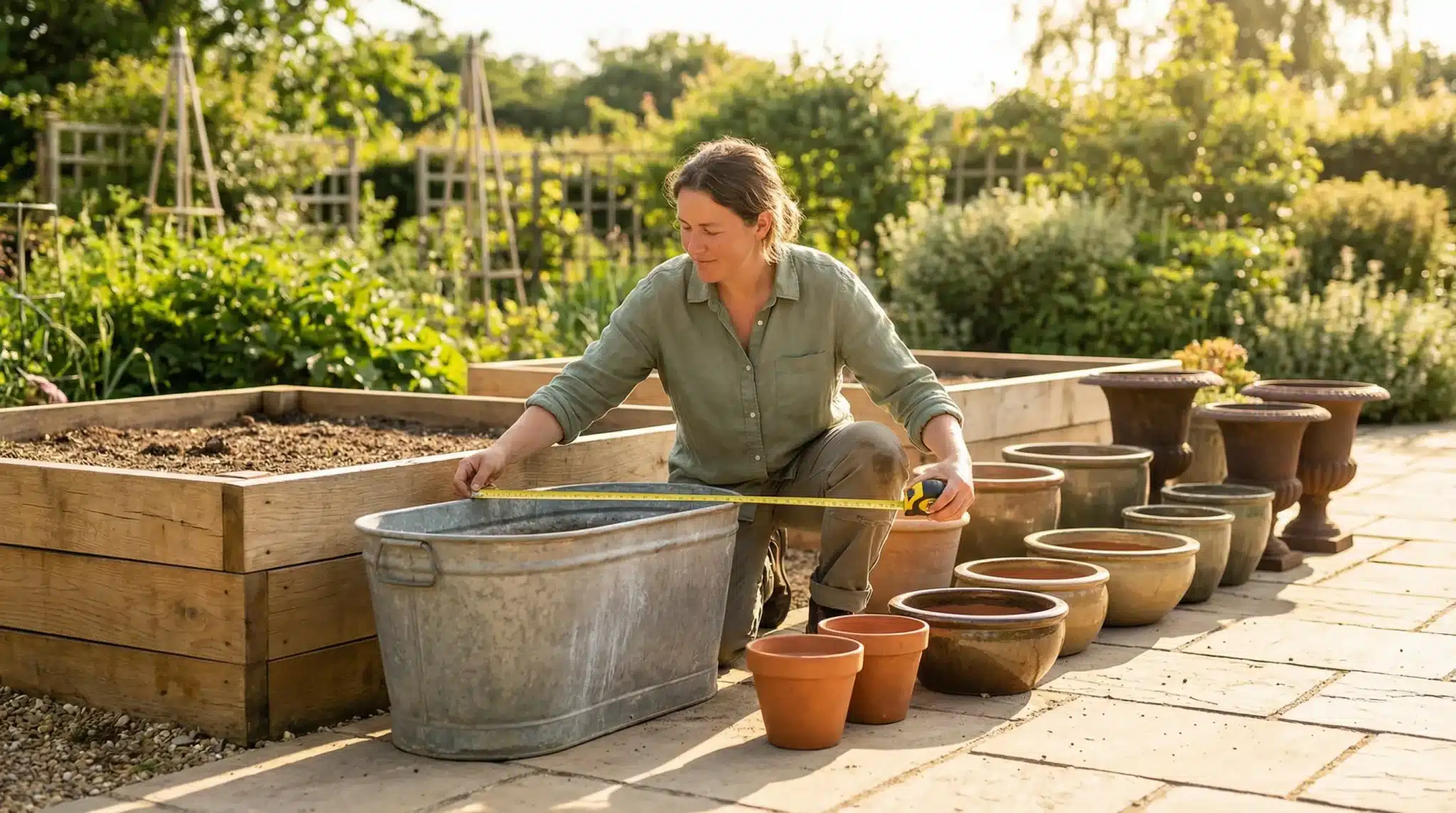
I ordered a raised bed planter last spring that looked perfectly proportioned in the photos. Medium-sized, clean lines, good depth. When the box arrived and I put it together on the patio, it was enormous. Not wrong — I’d technically read the dimensions — but somehow the image had communicated “compact” and the reality was closer to “taking up a third of the patio.”
It’s a common thing with garden products. The styling choices that make a product look good in a photo also make it harder to judge realistically. A planter photographed alone against a white wall gives you almost nothing to compare it to. A raised bed surrounded by lush tomato plants in full summer sun looks inspiring but tells you nothing about how it handles winter.
Before you click “add to cart,” there are a few things worth checking more carefully.
Why Garden Products Are Easy to Misjudge Online
Planters are probably the worst offenders. A well-photographed ceramic pot with interesting texture can look substantial and solid when it’s actually quite small — or quite large. Without anything familiar in the frame for scale, your brain fills in the gap with whatever assumption feels right, and that assumption is often wrong.
Raised beds create a different kind of confusion. Most product images show them fully built and filled with soil, which makes the walls look thick and the construction look solid. What you often can’t see is the actual wall thickness, the quality of the corner joints, or how the material holds up once it’s been sitting outside through a few seasons of weather.
Smaller things — watering cans, grow kits, plant stands, trellises — can look sturdier or flimsier than they actually are depending on the photographer’s choices around angle and lighting. A soft focus or a styled background does a lot of work to make something look premium.
When you’re comparing planters, raised beds, or compact garden tools online, 360 view product photography can make it easier to judge shape, depth, handles, and overall build before ordering. Being able to spin a planter and check the drainage holes underneath, or look at the corner construction of a raised bed from behind, answers questions that a single front-facing shot never will.
What to Actually Check Before You Buy
Dimensions and Depth
The listed dimensions are there, but they require a bit of interpretation. For a planter, height and diameter matter — but so does the internal depth, which determines what you can grow. Root vegetables need at least ten inches of soil depth to do much. Most herbs are fine with six. A container that looks deep in a photo might actually have walls that taper or a false bottom that reduces the usable soil volume.
For raised beds, external dimensions and internal growing space are different things. If the walls are a few inches thick, that’s floor space and growing room you won’t have. Worth checking before you plan the layout.
Material and Finish
Material descriptions like “rust-resistant steel,” “natural wood,” or “BPA-free plastic” tell you something but not everything. Galvanized steel will hold up to rain and temperature changes in a way that powder-coated mild steel won’t. Untreated cedar ages differently than treated pine. These distinctions affect both how long the product lasts and how much maintenance it’ll need.
When a listing just says “wood” without specifying the species, it’s reasonable to ask — or to assume it’s a less durable choice than something labeled specifically.
Drainage, Assembly, and Weather Resistance
Drainage is non-negotiable. A sealed container looks tidy but will drown most vegetables. Look specifically for drainage holes — and check the size and positioning, because a single small hole in the center of a large container isn’t the same as adequate drainage across the bottom.
For anything that assembles, product listings that include close-up shots of the hardware and connection points are usually the better-described products. If a raised bed’s assembly instructions aren’t included in the listing and can’t be found anywhere, that’s worth knowing before you commit.
Why Clean Product Images Help as Much as Styled Ones
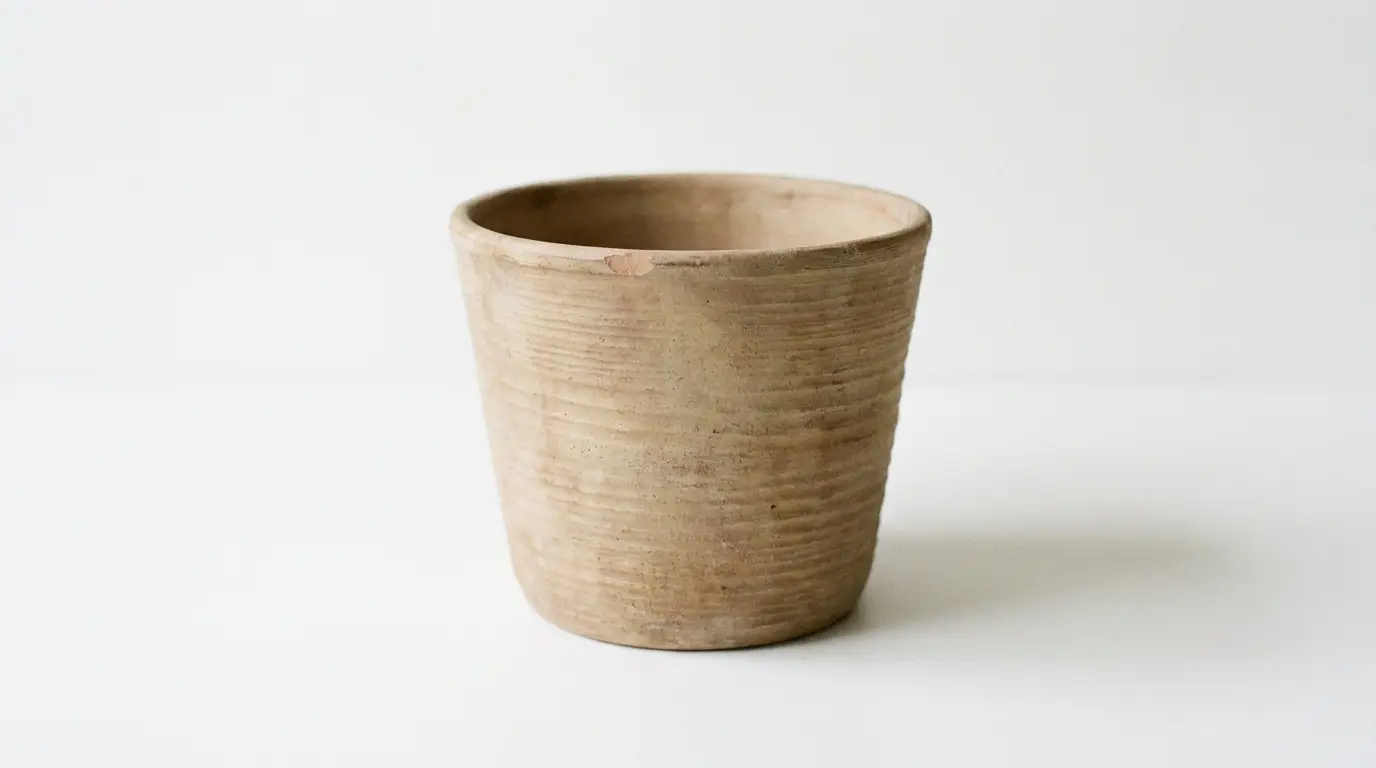
Lifestyle shots are genuinely useful. A planter photographed on a sunny balcony with herbs growing in it tells you how it might look when it’s doing its job. But that kind of image also tends to soften the product — the styling does work that the product itself might not.
A clean silo product image on a white background is also useful because it strips away styling distractions and helps you focus on the product’s exact outline, size cues, and structure. When you’re comparing two raised beds of similar price and size, white-background shots side by side show you which one has thicker walls, better corner joinery, and a more substantial overall construction — things the lifestyle images were designed to make irrelevant.
A good product listing will include both. The lifestyle image gives you context and aspiration. The clean catalog image gives you the actual object to evaluate.
Shopping for Small Garden Spaces
Balconies and Patios
Small outdoor spaces need products that earn their floor space. A planter that takes up three square feet and produces a modest herb harvest might be worth it — or it might just be in the way. Measuring your actual usable space before shopping helps a lot. Most balconies have a clear footprint of maybe sixty to a hundred square feet, a chunk of which is already occupied by furniture or pathways.
Vertical options — wall planters, tiered stands, trellis systems — tend to be underestimated in listings because they’re hard to photograph in a way that communicates their height efficiently. If you’re looking at a wall planter, check the mounting hardware carefully. Some are designed for outdoor masonry, some are really meant for interior use, and the listings don’t always make that distinction obvious.
Indoor Corners and Kitchen Gardens
Grow lights, herb planters, seed-starting kits — anything for indoor growing needs to be sized for the actual counter or windowsill it’s going to live on. A grow light system that works beautifully in a kitchen photo with a long stretch of counter might not fit above a small windowsill.
Cord length and power requirements are details that listings often bury. For a product that plugs in, knowing where the nearest outlet is matters before you decide on placement.
Raised Beds and Compact Storage Solutions
Raised bed sizing is one of the most common areas where expectations and reality diverge. A “4×8 bed” sounds like a standard option until it’s sitting in a garden that’s smaller than you remembered. Marking out the footprint on your actual ground before ordering is the single most useful thing you can do for a raised bed purchase.
Storage for garden tools — potting benches, outdoor cabinets, wall-mounted organizers — suffers from the same photography problem as planters. The image shows a tidy, curated storage setup. The dimensions usually reveal something that won’t hold what you’re expecting, or that sits deeper off the wall than the image suggested.
Putting It Together Before You Order
Once you’ve got the dimensions written down and you’ve looked at the product from multiple angles where possible, a few practical checks tend to catch most remaining surprises.
Read the one-star reviews. Not because you’re looking for dealbreakers necessarily, but because they’ll surface any consistent issues with assembly difficulty, material disappointment, or size misrepresentation that the listing didn’t flag.
Check whether the product is shown with scale references in any of the images — a hand, a common object, anything to anchor the size. Products that include these tend to be more honestly presented.
And if you’re ordering something that ships flat-packed, look for videos of the assembly process. A well-made raised bed goes together cleanly in under an hour. One with poorly described hardware or imprecise joinery shows that in the assembly video before it shows up in your backyard.
Garden shopping gets easier once you stop letting the pretty images do all the persuading and start asking the product to explain itself.