There is a growing movement toward homes that feel connected to nature without sacrificing polish or structure. Hardwood floors sit at the center of that movement because they bring organic warmth indoors while pairing effortlessly with the greens, terracottas, and natural textures that define plant-forward living.
If you are refreshing your home’s interior, exploring solid hardwood floor options at Really Cheap Floors is a smart starting point. Pairing the right flooring with a few intentional garden elements creates a cohesive indoor-outdoor aesthetic that feels inviting and grounded.
Why Do Hardwood Floors Complement Indoor Gardens So Well?
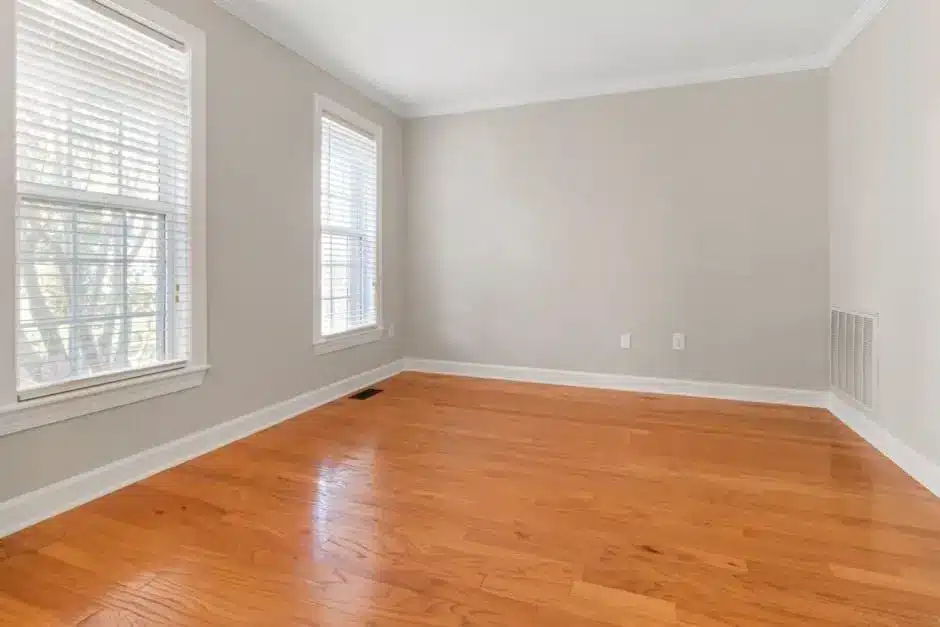
Hardwood provides a natural backdrop that lets plants stand out without competing for visual attention. The warm grain patterns and earthy tones of oak, walnut, and hickory create a foundation that makes greenery look intentional rather than cluttered.
Other flooring materials struggle to create this effect. Cool-toned tiles can make plant displays feel sterile. Carpet absorbs moisture and stains from watering. Vinyl mimics the look of wood but lacks the tactile warmth that makes a room feel genuinely connected to natural materials.
According to the American Society of Interior Designers, biophilic design, which integrates natural elements into interior spaces, continues to grow as one of the strongest residential trends in 2026. Hardwood floors are a core element of biophilic interiors because they provide the organic material connection that makes plant-filled rooms feel harmonious rather than forced.
How Should You Protect Hardwood Floors Around Indoor Plants?
Indoor plants and hardwood floors share a space beautifully, but moisture is the one risk you need to manage. Follow these steps to prevent water damage.
- Always place a waterproof saucer or tray under every potted plant. Cork-bottomed trays add a layer of protection and prevent scratching.
- Use plant stands or risers to create airflow between the pot and the floor. This prevents moisture from collecting underneath and staining the wood.
- Wipe up any spills or overflow immediately after watering. Standing water damages hardwood finishes within hours.
- Group large plant collections on a waterproof mat or tray table rather than placing individual pots directly on the floor.
- Choose self-watering planters for floor-level displays. These contain water internally and eliminate the risk of overflow reaching the floor.
- Monitor humidity levels in rooms with many plants. Keep indoor humidity between 35 and 55 percent to prevent hardwood boards from swelling.
With the right precautions, you can fill a room with plants without worrying about your floor. The two work together when you plan for both.
What Flooring Species Work Best for Plant-Forward Homes?
Not all hardwood species handle the humidity fluctuations of plant-heavy rooms equally. Some species are more dimensionally stable, meaning they expand and contract less with changes in moisture levels.
White oak is the strongest choice for rooms with multiple plants. Its tighter grain structure resists moisture penetration better than red oak. Hickory also performs well because of its extreme hardness and density, which make it more resistant to dents from heavy ceramic pots.
Walnut offers a stunning dark backdrop for lighter green plants but is softer and more susceptible to denting. Use it in bedrooms or studies where plant displays are smaller and foot traffic is lighter. For high-traffic areas like living rooms and kitchens with large plant collections, stick with oak or hickory for the best long-term results.
Prefinished hardwood with a factory-applied polyurethane coating offers better moisture resistance than site-finished floors. The factory finish seals the wood more consistently, giving you an extra layer of protection in rooms where watering happens regularly.
How Can You Design an Indoor-Outdoor Living Space?
The best indoor-outdoor spaces blur the boundary between the house and the garden. Hardwood flooring running up to glass doors or large windows creates visual continuity between interior and exterior spaces.
- Sightline continuity: Position tall plants near windows where they overlap visually with outdoor landscaping. This creates depth and makes smaller rooms feel larger.
- Color coordination: Match indoor pot colors and plant choices to your outdoor garden layout. Consistent palettes across both spaces create a unified feel.
- Texture layering: Combine the smooth grain of hardwood floors with woven baskets, clay pots, and natural fiber rugs. These textures echo the organic materials found outdoors.
- Seasonal rotation: Swap outdoor container plants indoors during colder months. Herbs, small citrus trees, and succulents transition well between garden and home.
- Lighting: Place plants in spots that receive natural light from windows. The combination of sunlight on hardwood and green foliage creates the warm, alive feeling that biophilic design aims for.
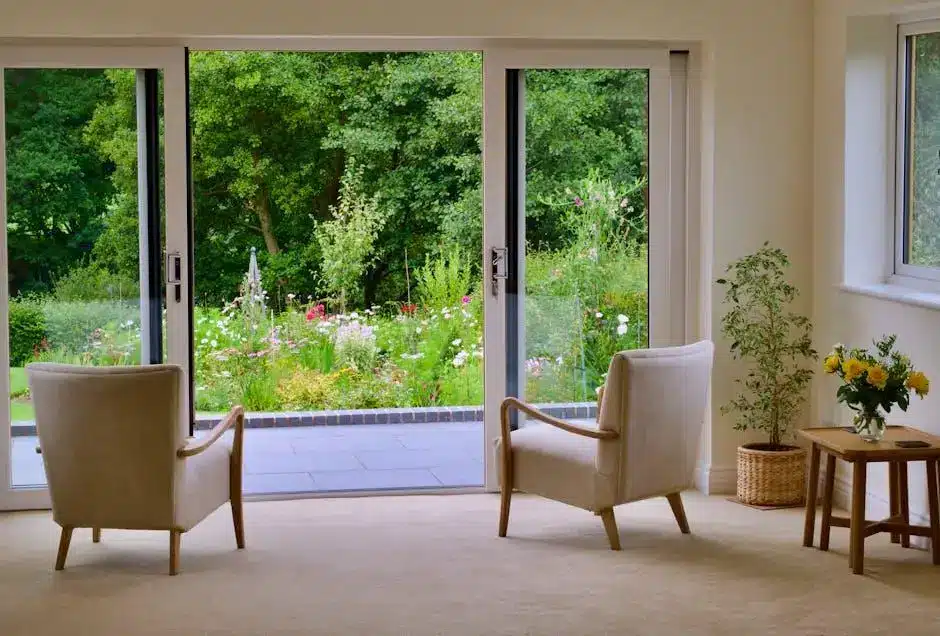
Even small vertical garden setups on a hardwood-floored wall bring this aesthetic to apartments and smaller homes where outdoor space is limited.
What Budget Should You Plan for a Home and Garden Refresh?
A combined flooring and garden refresh does not require a luxury budget. Smart material choices and DIY touches make it accessible.
Hardwood flooring materials range from $4 to $10 per square foot for popular species like oak and hickory. Installation adds $3 to $8 per square foot depending on your region. A 300-square-foot living room upgrade costs $2,100 to $5,400 total, materials and labor included.
Indoor garden setup costs are even more flexible. A collection of five to eight potted plants with decorative containers runs $100 to $300. Vertical garden kits, wall-mounted planters, and hanging setups cost $50 to $200 depending on size and material. According to the National Gardening Association, the average American household spent $503 on lawn and garden activities in recent years, much of which went toward indoor plants and containers.
The combined investment in flooring and plants delivers one of the highest-impact visual transformations available at any budget level.
Home and Garden Refresh Checklist
- Choose hardwood species based on room traffic and humidity exposure from indoor plants.
- Use waterproof trays, plant stands, and self-watering planters to protect floors from moisture.
- White oak and hickory handle plant-heavy rooms best due to their moisture resistance and hardness.
- Design indoor-outdoor continuity through sightlines, matching color palettes, and natural textures.
- Prefinished hardwood with factory-applied polyurethane offers the best moisture protection.
- Budget $2,100 to $5,700 total for a living room flooring upgrade plus a curated indoor garden.
Bringing the Outside In
The best homes in 2026 feel alive. They combine the durability and warmth of natural wood underfoot with the color and energy that plants bring to every room. When your flooring and your garden work together, the result is a space that feels both polished and genuinely connected to nature.
FAQ
Can indoor plants damage hardwood floors?
Only if moisture is left unmanaged. Using waterproof trays, plant stands, and self-watering containers prevents water damage. Wipe up spills immediately and keep humidity between 35 and 55 percent.
What is the best hardwood floor for a room with lots of plants?
White oak and hickory are the strongest choices. Both resist moisture and denting better than softer species like walnut or pine, making them ideal for rooms with active watering.
How much does it cost to install hardwood floors in a living room?
For a 300-square-foot room, expect $2,100 to $5,400 total including materials and professional installation. Prefinished solid hardwood in oak is the most cost-effective option for most homeowners.
Do hardwood floors increase home value?
Yes. Hardwood flooring typically recoups 70 to 80 percent of its cost at resale. It is consistently listed among the top home improvements that buyers prioritize when shopping for properties.