Homeowners often invest effort and cash into what happens inside the house. New flooring, paint, and furniture. After that, they go outside, look at the front door and the garden, and tell themselves they will do it eventually. But eventually never arrives.
The exterior of a house is not a design afterthought. It’s the framing, the very first impression, one which everything else inside is judged against.
In 2026, two upgrades can change that look without needing a major project and without significantly disrupting daily life: the exterior door and the garden. When you get these choices right the whole home feels more considered.
Why Your Home Needs Smart Upgrades
The cost isn’t what truly makes a smart upgrade. The worth of something is defined by how much it returns relative to how little it takes. The finest home enhancements will improve the look of your home immediately, will remain looking excellent for a long time, and do not take constant effort from you to keep performing well.
Many homeowners fall into one of two patterns. Some spend too much on upgrades that photograph well but require upkeep as they fall apart. Others cut corners on repairs which means that the repeat of the same job is necessary every year. Neither method creates lasting value in a house.
Upgrades that will do the work themselves once installed are the upgrades worth prioritizing. The appearance of your home from the outside will be better. You will have reduced the amount of time you spend maintaining them.
That perception counts in the long run. Its impact is on visitor experience and it also has real weight when valuing the property at resale.
Upgrade One: The Exterior Door
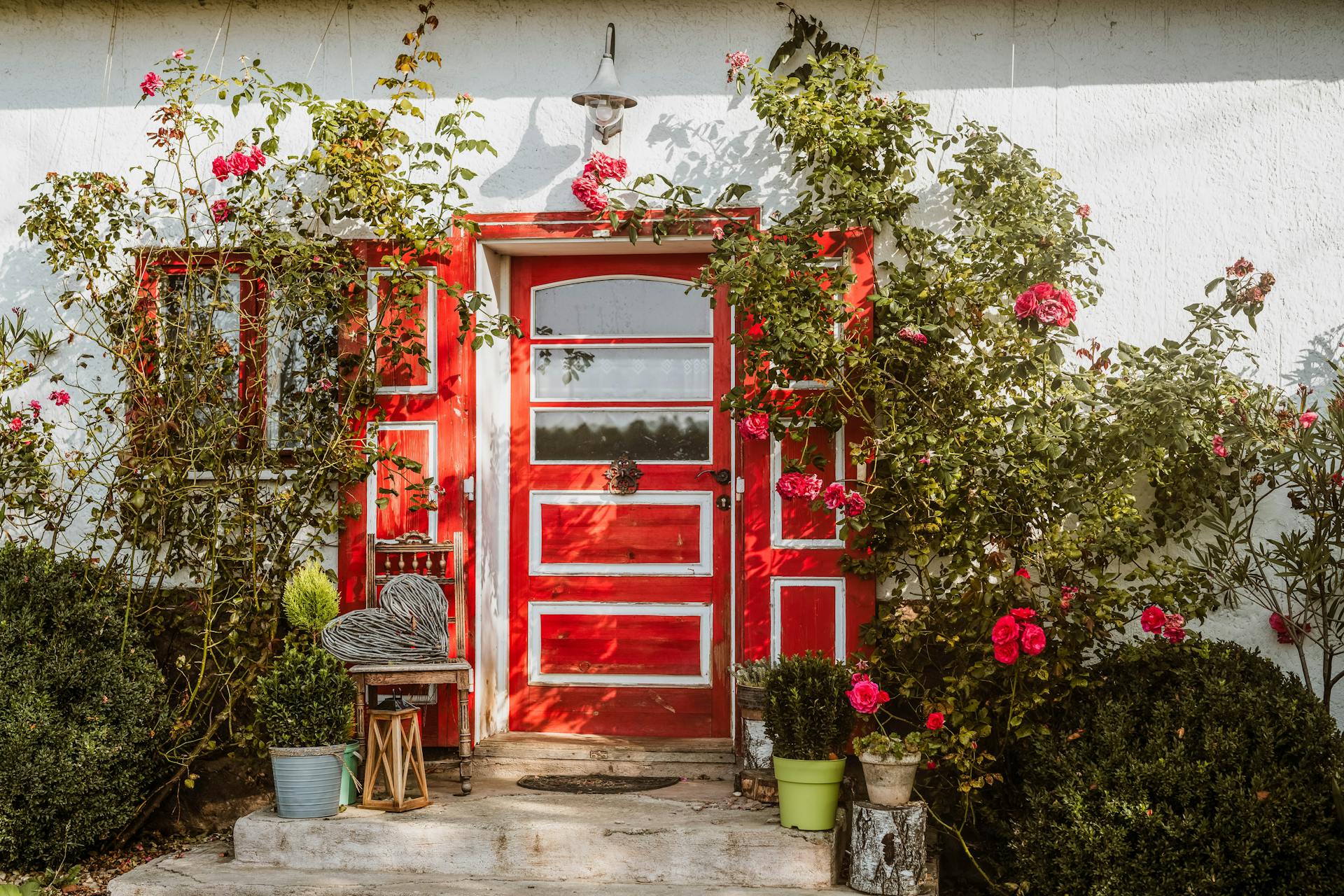
Most homeowners do not give the front door as much credit as it deserves. Upgrading a single front door delivers more curb appeal return on investment than almost anything else. The centerpiece of the entire façade, it’s what the visitor sees before anything else and the one detail that indicates whether a house has been given thought, or left to its own devices to age.
In the year 2026, exterior doors are becoming eye-catching features rather than solely functional objects. Gone are the days of plain white and builder beige. The trend is going in the direction of comfort, quiet luxury and nature.
Colors inspired by the forest and nature that are best for your interiors. These are hues that only get better over time and actually appear deliberate against a variety of exterior materials.
The choice of material is important too. Fiberglass is the ideal door choice for homeowners who prefer the look of a painted timber door but do not want the warping and repainting demands that timber requires with a changing climate.
Steel provides good security and thermal performance at low entry price. Both do better than the solid wood on practicality after years.
Hardware modifies the everyday experience of a door. Handlesets are getting larger; clean modern lines are more common; and finishes are more integrated with the rest of the exterior. The applications of matte black and brushed brass finishes are consistently paired with the deeper, more considered door colors.
Each time you return home, it feels different because you close the door behind you, and the door closes solidly, seals tight, and the hardware looks deliberate.
How to Find the Right Exterior Door
Choosing wisely involves considering three elements together: the door’s aesthetic, seasonal performance, and its durability.
In style, the architecture of the home is always the starting point. A warm and earthy color palette with panel detailing works best for a craftsman-style build. The contemporary home is better suited to taller proportions, narrower sightlines, and deeper color palettes with dark metal fixtures. The entrance must feel native to the home, not appearing as if taken from other catalogues.
Energy efficiency is now an expectation in performance instead of a premium feature. The best exterior door manufacturers offer you choices of low U-value rating, robust weatherstripping, and multi-point locking system.
As of 2026, modern doors often include smart locks and other security features. This practical enhancement is more enduring than a mere cosmetic upgrade or detail.
Upgrade Two: Artificial Trees for the Garden
Garden Upgrade: Artificial Trees for Outdoor Spaces
Artificial trees have been unfairly treated for years. People presumed that they looked unconvincing, faded within a mere season, and were essentially a quick-fix. By 2026, that assumption is a long way out of date.
Artificial plants have evolved from simple decor accents into important design elements that help define both indoor and outdoor spaces. Artificial plants can offer the calming and grounding effect of nature in any environment without the maintenance required by live plants. In a garden setting, that makes a difference.
It’s worthwhile comparing them with real trees honestly. A true tree takes time to settle down, must be watered during dry periods, pruned from time to time and needs professional help when it outgrows its position.
A properly selected and positioned artificial tree holds its form and colour throughout every season without any hassle. With quality products containing built-in UV treatment, there is no fading concern even when exposed to the harshest, longest sunlight.
The best garden styles currently are structured, architectural ones. These work well in outdoor settings. Premium zero-maintenance artificial olive trees bring Mediterranean warmth and suit entranceways, patios, and courtyard spaces equally well.
Pairs of artificial cypress trees create a clean line when placed on a path or entry. Topiary sculptures, whether in ball or cone shapes, give the English garden character and only demand occasional wipe down a couple times a year.
Choosing the Right Artificial Trees
You can easily see the difference between a well-made artificial tree and a cheap one in an outdoor setting. A shoddy product will fade in a summer. The wind will destroy its structure. And from a distance, it will look fake. A good one will do none of those things.
UV resistance is the key specification to look for outdoor usage. This tells us how the product retains its color across years of sun rather than just one season.
Look for outdoor furniture that has a weighted base. Or a design that can accommodate a planter with ballast. In the same way that wind affects most outdoor placements.
On size, proportion matters more than absolute height. A tree that’s too small for its position looks like it got overlooked. A tree that is too large attracts the wrong kind of eyes. The correct size is the one that feels like it is in the exact place it belongs.
Small Decisions, Lasting Impressions
These upgrades do not need a contractor, a big budget, or weeks of disruption. A carefully chosen front door and strategically positioned artificial garden trees are the changes that work quietly and settle into a house and make it feel more complete every day.
The homes that hold their appeal across years are rarely the ones where the most was spent. They are the ones in which well-made choices were made in the right spots. The door outside and the garden are among those places. When done right, the home benefits from the confidence they create, and everything else falls in place.