I’ve always believed that inviting butterflies into your garden is like welcoming tiny pieces of living art.
These delicate pollinators do so much more than flutter through our flower beds; they’re essential to our ecosystem’s health and biodiversity.
Creating a butterfly haven isn’t complicated, but it does require understanding what they truly need: nectar-rich blooms for the adults and specific host plants where they can lay their eggs.
I’m excited to share my carefully curated collection of butterfly-attracting plants with you, along with practical tips to turn your outdoor space into a sanctuary that butterflies simply can’t resist visiting.
How to Use This List?
Before you begin selecting plants, here are a few key strategies to make your butterfly garden truly successful:
- Mix Host Plants and Nectar Sources: Adult butterflies need nectar-rich flowers, while caterpillars require specific host plants to survive and grow.
- Plan for Continuous Blooms: Choose plants that flower at different times throughout the season so butterflies always have a food source available.
- Choose Sunny, Well-Drained Spots: Most butterfly favorites thrive in full sun, though some herbs and annuals can tolerate partial shade.
Planting in clusters rather than scattering individual plants helps butterflies spot your garden more easily. Also, consider skipping pesticides entirely, as chemicals that target pests will harm butterflies and their caterpillars, too.
Natural pest management keeps your garden safe for these delicate pollinators while maintaining a healthy, thriving ecosystem that welcomes butterflies back season after season.
The 29 Best Flowers & Plants That Attract Butterflies
I’ve gathered a beautiful collection of plants that butterflies absolutely adore. Each one brings something special to your garden, whether it’s nectar for adult butterflies or a nurturing home for caterpillars.
Let’s look at what makes each of these plants a must-have for your butterfly sanctuary.
1. Milkweed
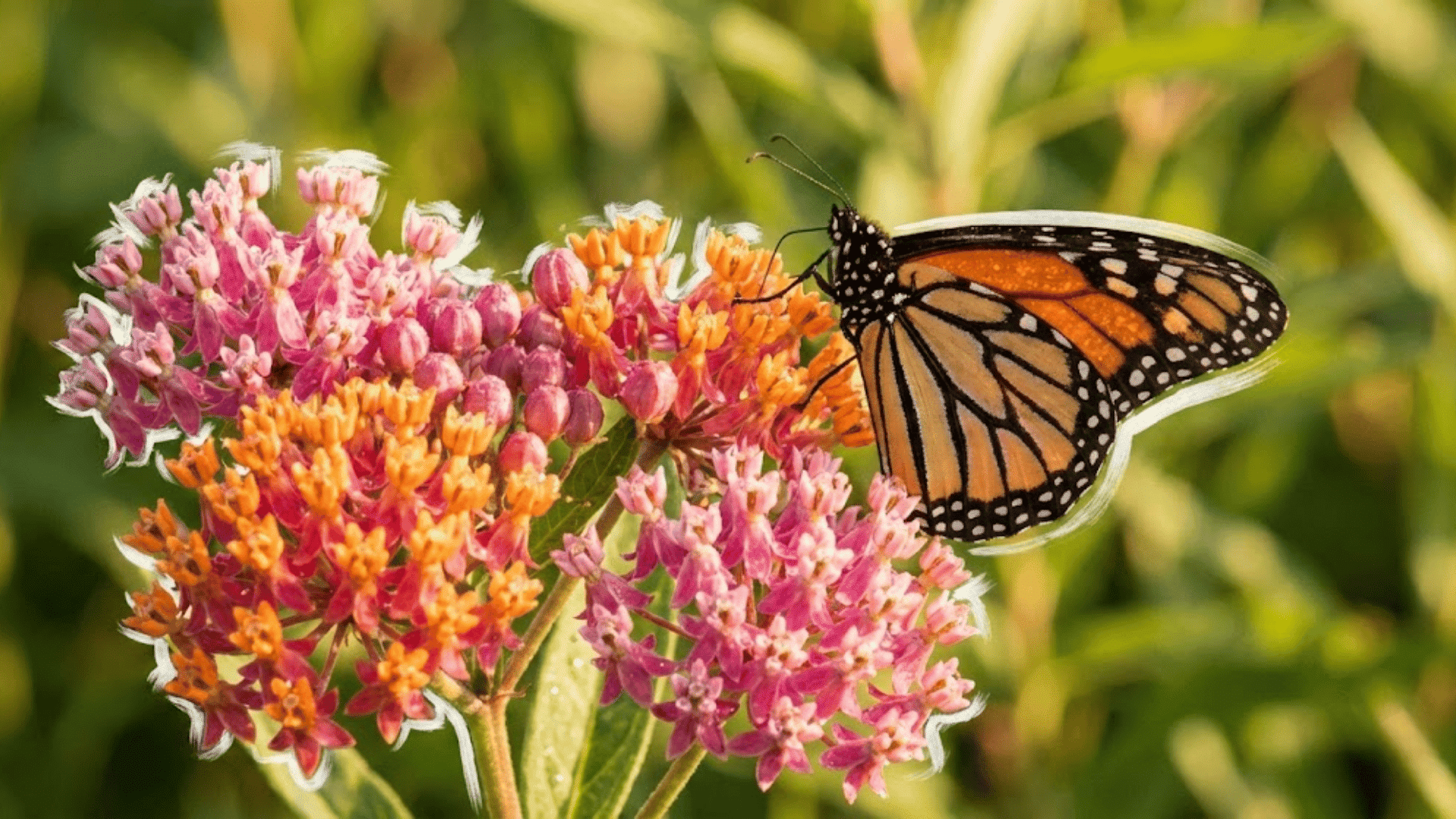
Bloom Time: Late spring through summer
Color Palette: Pink, orange, white, red
This is the ultimate butterfly plant, serving as both a nectar source and essential host plant for monarch butterflies. The clusters of small flowers provide abundant nectar while the leaves feed hungry caterpillars.
Plant in full sun with well-drained soil for best results. One client once pulled up “weeds” that were actually milkweed with monarch caterpillars; those chewed leaves mean your garden is working perfectly.
2. Butterfly Weed
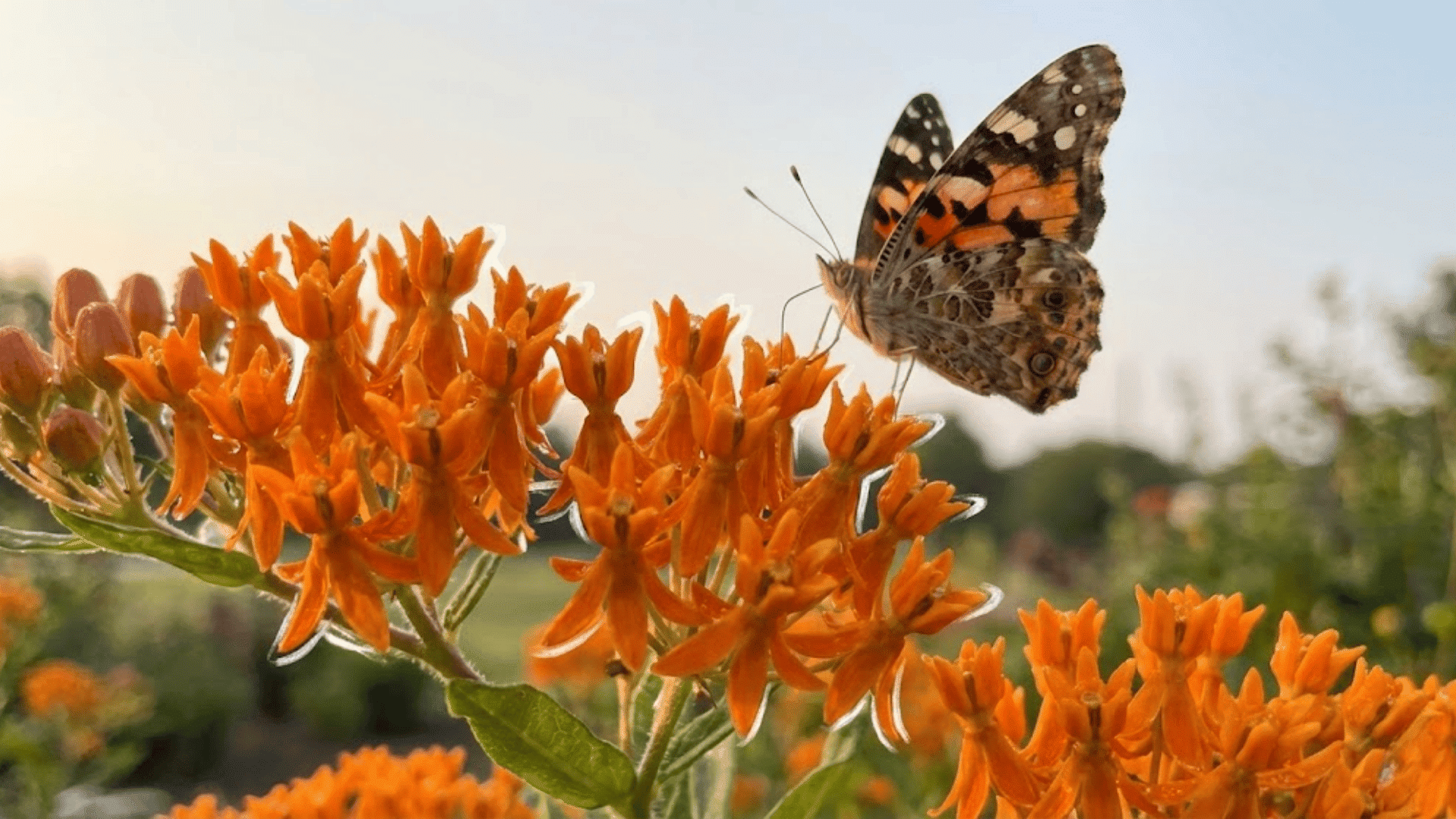
Bloom Time: Early to mid-summer
Color Palette: Bright orange, yellow
A stunning milkweed variety that lives up to its name with vibrant orange blooms that butterflies find irresistible. This drought-tolerant perennial works beautifully in sunny borders and native gardens.
Beyond attracting adult butterflies for nectar, it also serves as a host plant for caterpillars. Low maintenance once established, it thrives in poor to average soil.
3. Purple Coneflower
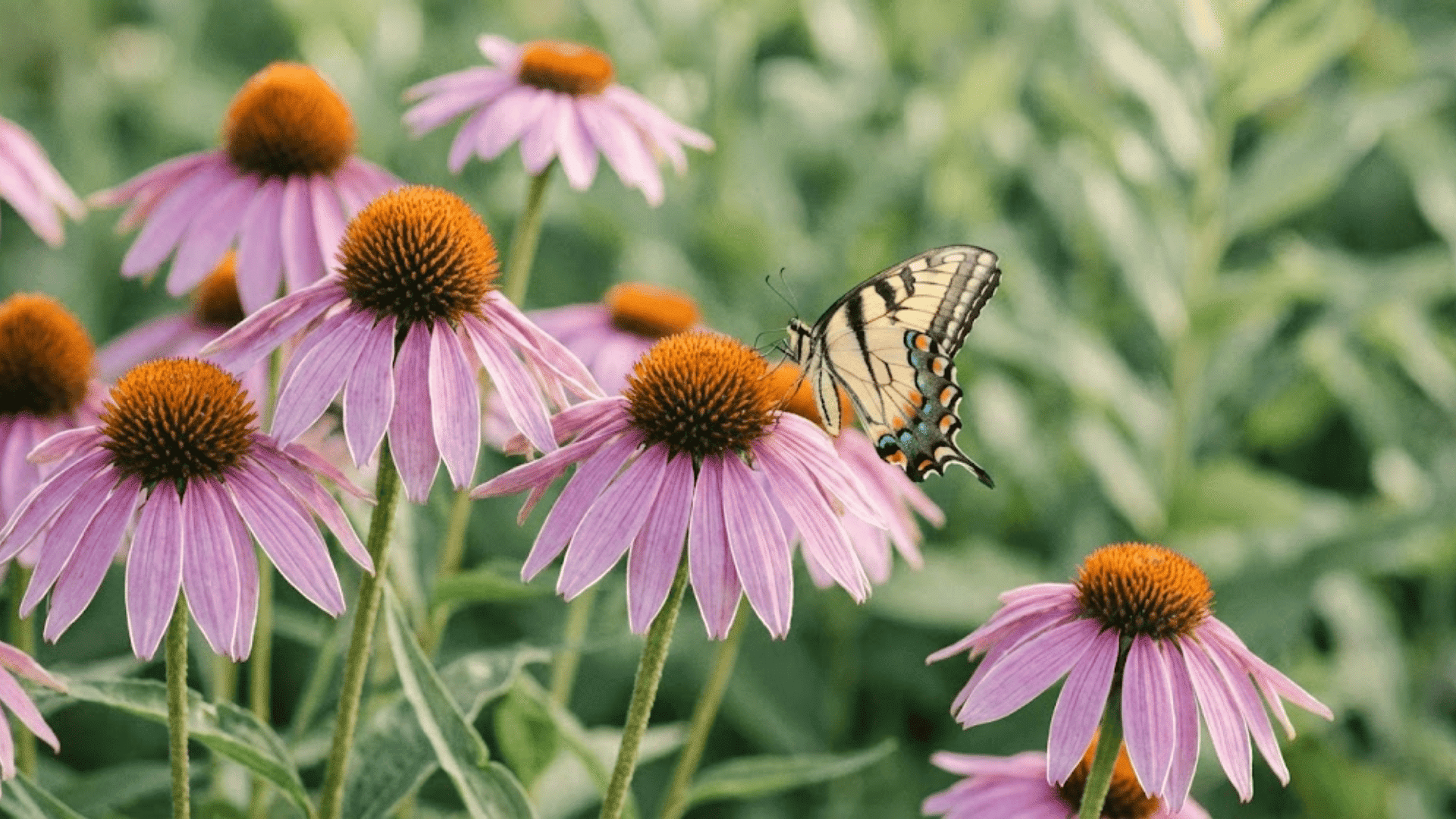
Bloom Time: Mid-summer through early fall
Color Palette: Purple, pink, white
These hardy perennials feature daisy-like flowers with prominent centers that butterflies love to land on. Purple coneflowers are incredibly reliable, returning year after year with minimal care.
They’re drought-tolerant once established and provide nectar when many other flowers start fading. The seed heads also attract goldfinches in late fall, extending your garden’s wildlife appeal.
4. Black-Eyed Susan
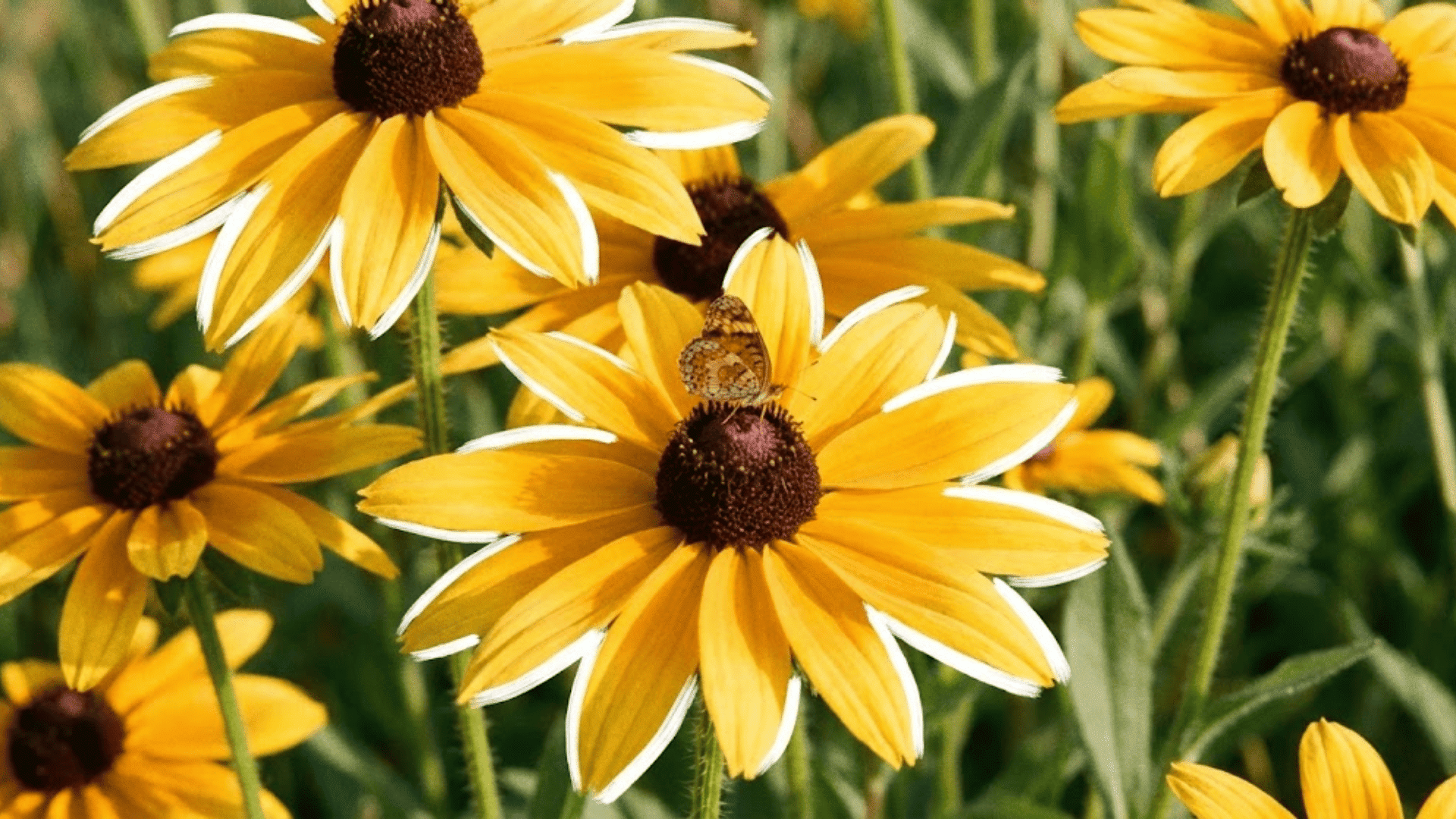
Bloom Time: Summer through early fall
Color Palette: Golden yellow with dark centers
Cheerful and dependable, these bright yellow blooms create a stunning backdrop for visiting butterflies. Black-eyed Susans are remarkably easy to grow and spread naturally to fill garden spaces.
They thrive in full sun and tolerate various soil conditions, making them perfect for beginner gardeners. Their long blooming period ensures butterflies have a consistent nectar source.
5. Lantana
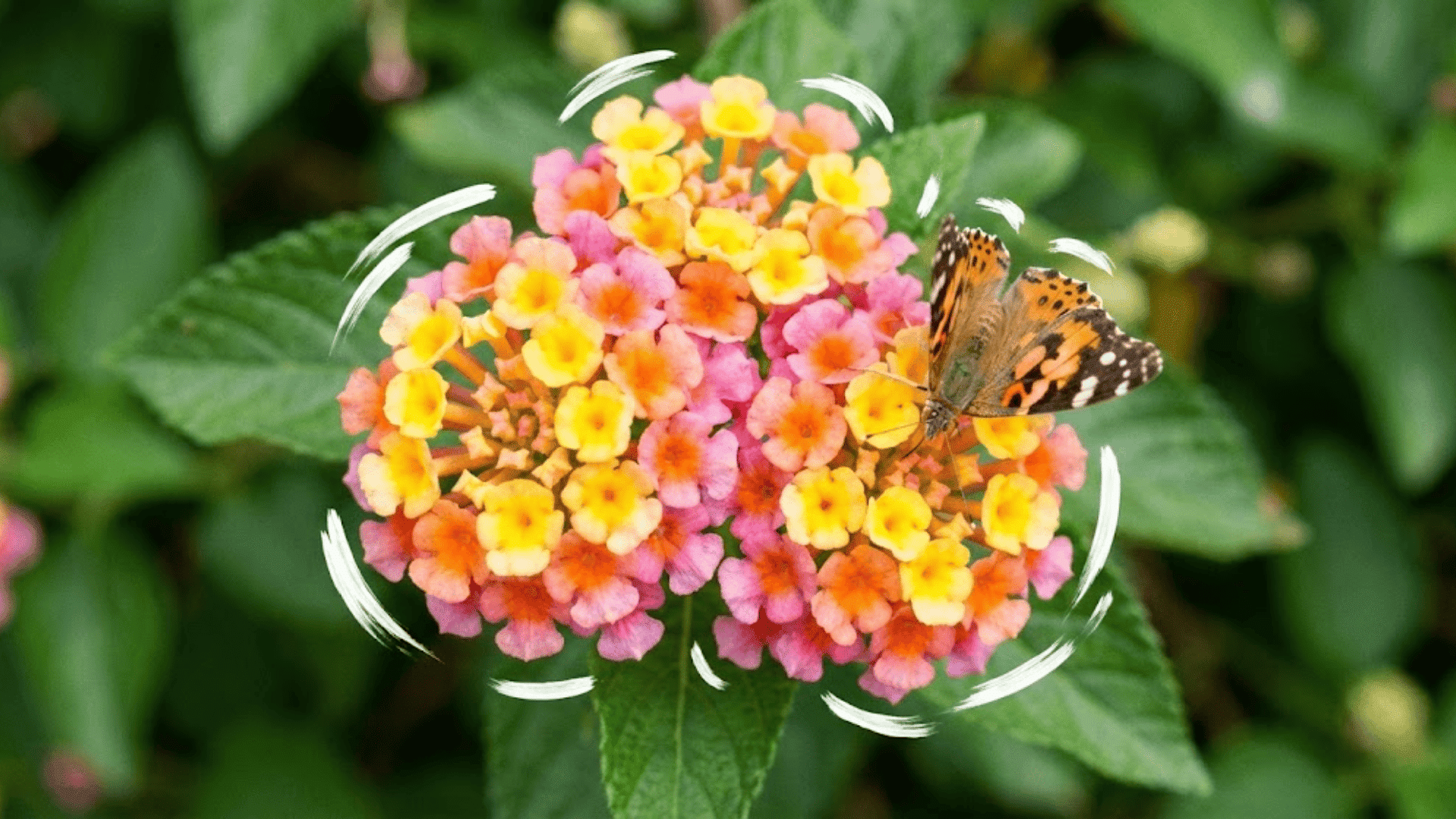
Bloom Time: Late spring through frost
Color Palette: Multi-colored clusters (pink, yellow, orange, red)
Small tubular flowers arranged in rounded clusters make lantana a butterfly magnet. This vigorous bloomer produces flowers continuously from spring until the first frost.
Heat and drought-tolerant, lantana thrives in containers on sunny patios where a colleague’s three pots now attract over a dozen butterfly species throughout the season.
6. Zinnia
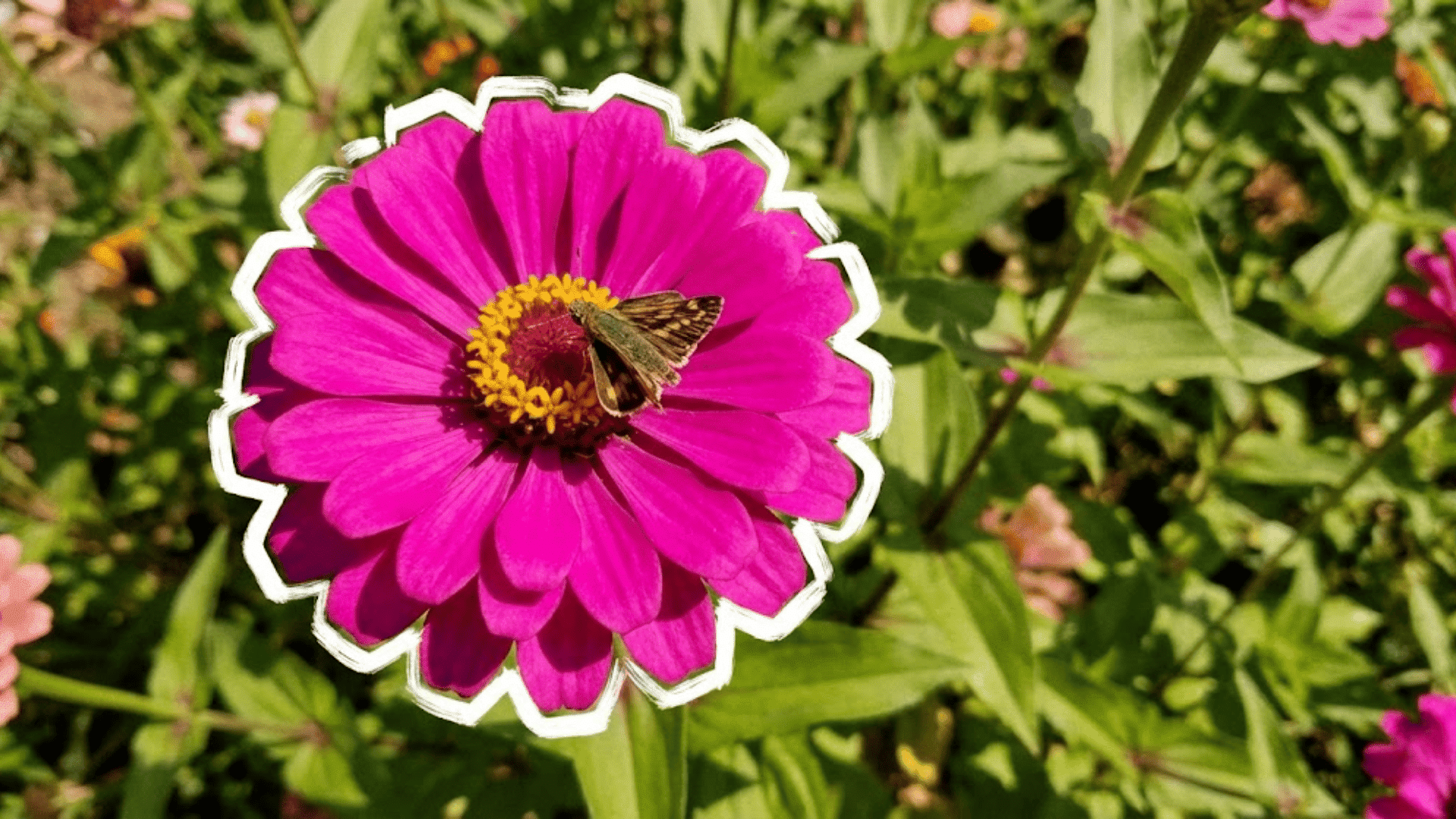
Bloom Time: Summer through fall
Color Palette: Nearly every color except blue
These easy annuals are perfect for beginners wanting quick butterfly results. Their flat, open blooms create ideal landing platforms for butterflies to sip nectar.
Zinnias come in various heights, from compact border types to tall cutting garden varieties. Deadhead regularly to encourage continuous blooming and keep your garden looking fresh throughout the season.
7. Phlox
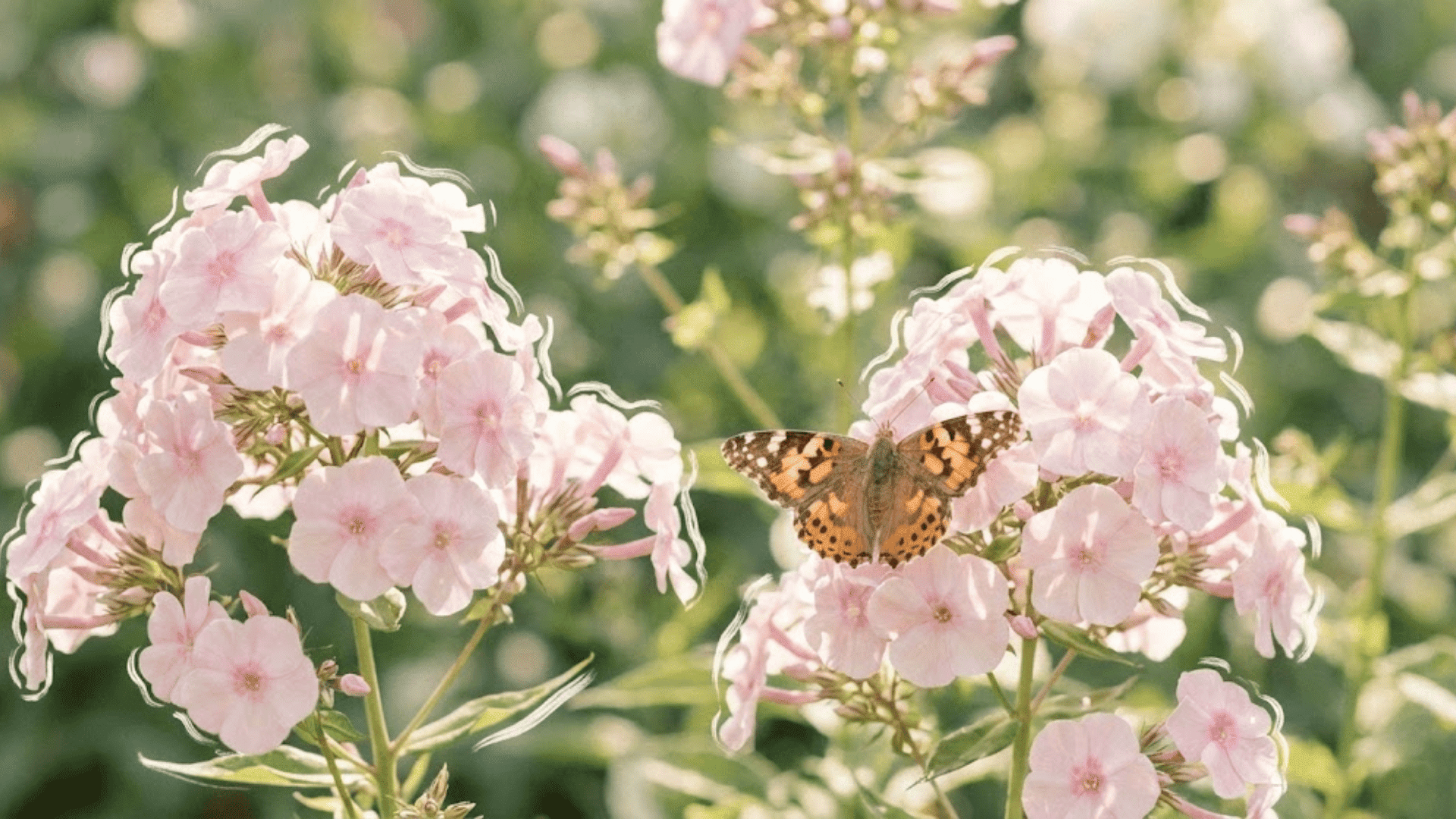
Bloom Time: Spring through summer (depending on variety)
Color Palette: Pink, purple, white, red
Fragrant clusters of nectar-rich blooms make phlox a garden favorite for butterflies and hummingbirds alike. Both creeping and upright varieties offer versatility in garden design.
These perennials prefer full sun to partial shade and appreciate consistent moisture. Their sweet fragrance adds another sensory dimension to your outdoor space while attracting pollinators.
8. Bee Balm
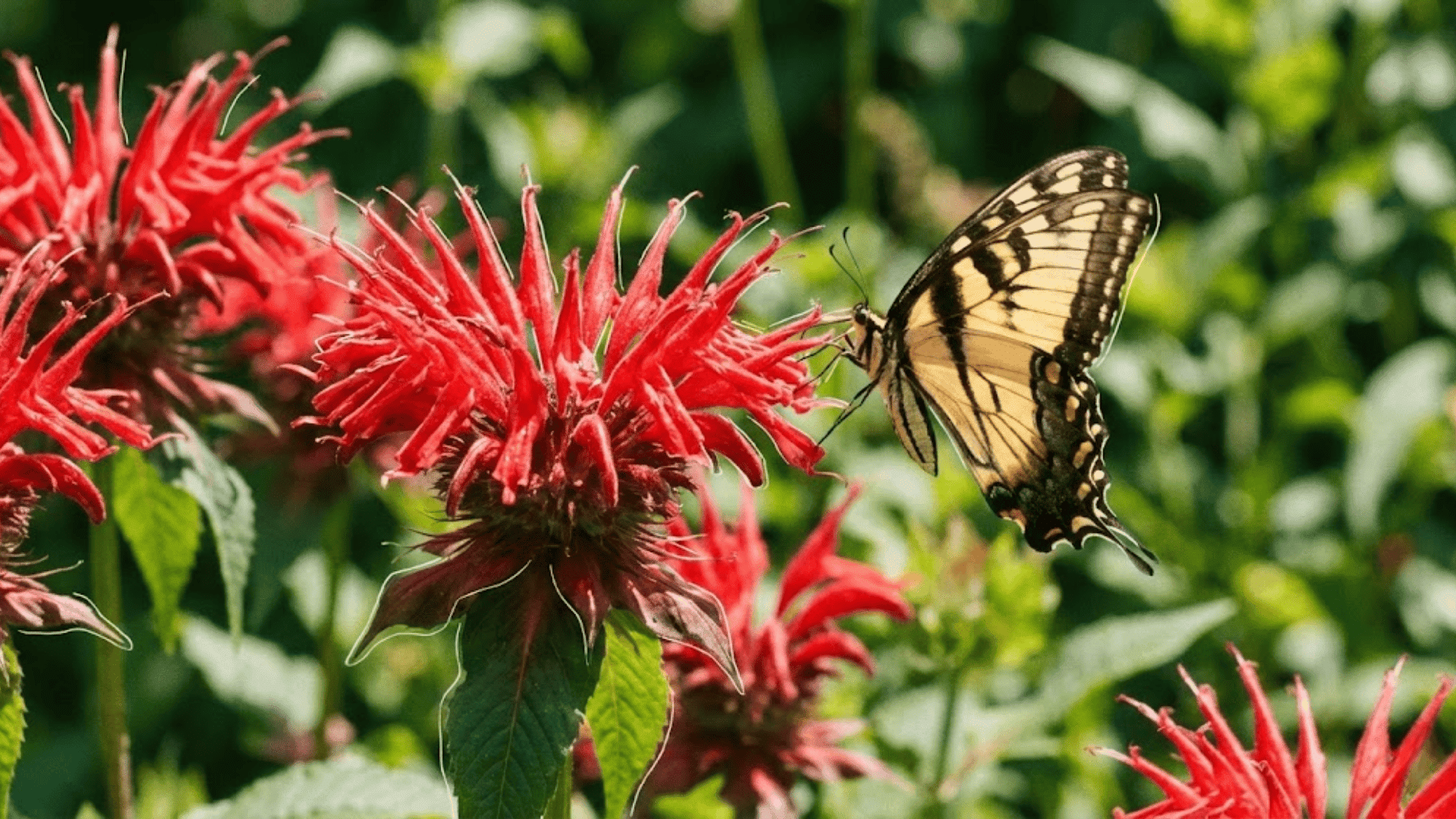
Bloom Time: Mid to late summer
Color Palette: Red, pink, purple, white
Aromatic flowers with a distinctive spiky appearance draw butterflies and other pollinators in abundance. Bee balm spreads readily, creating natural drifts of color in perennial borders.
It tolerates partial shade better than many butterfly plants and prefers moist soil. The leaves are also fragrant when brushed, releasing a pleasant minty scent.
9. Salvia
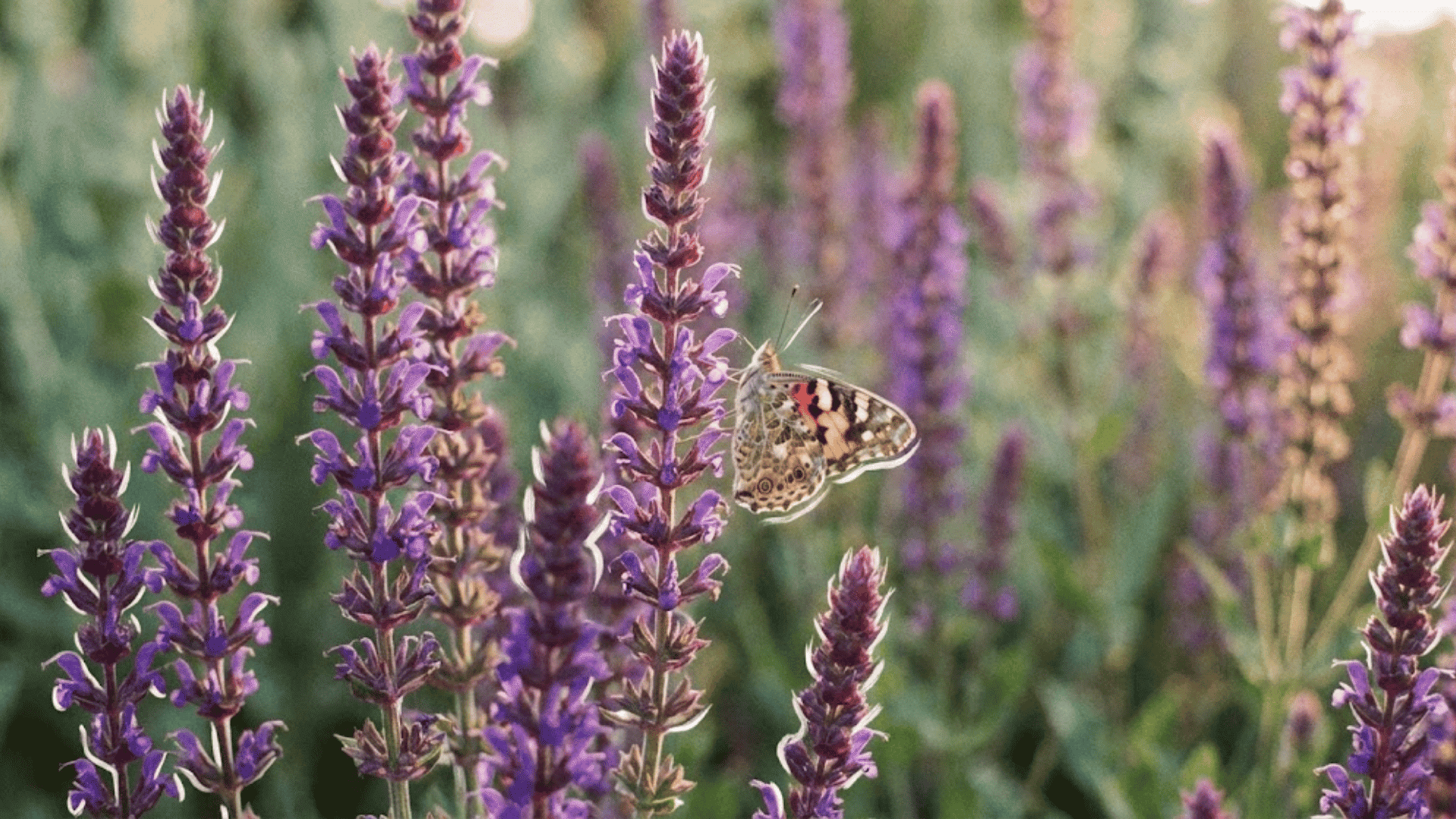
Bloom Time: Late spring through fall
Color Palette: Purple, blue, red, pink, white
Tubular flowers arranged on tall spikes provide abundant nectar over an extended blooming period. Salvia varieties range from compact annuals to substantial perennials, offering options for any garden size.
Most prefer full sun and well-drained soil, and they’re remarkably drought-tolerant once established. Deadheading encourages additional flower spikes throughout the season.
10. Verbena
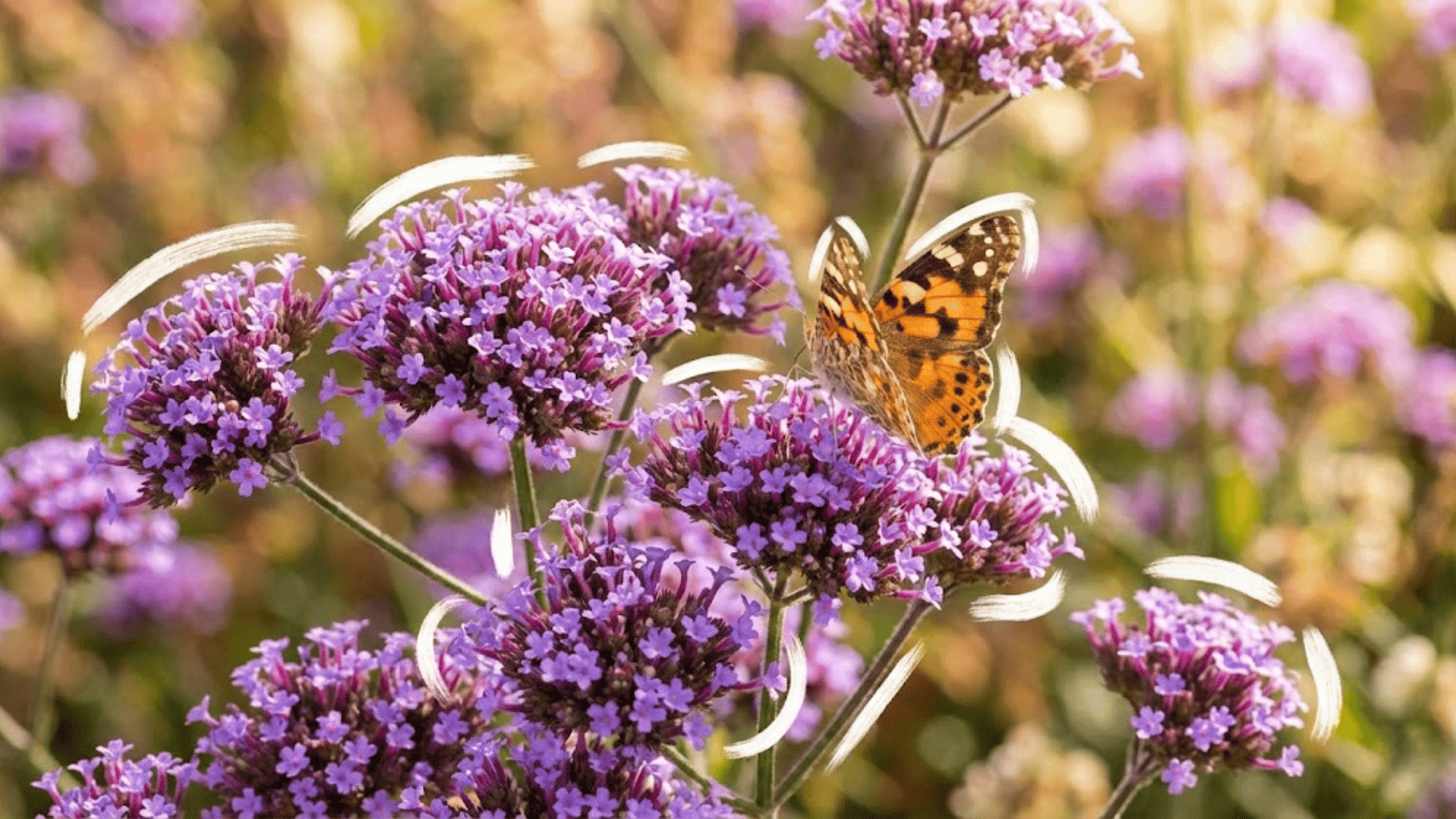
Bloom Time: Late spring through frost
Color Palette: Purple, pink, red, white
Clustered flowers create generous landing pads that butterflies appreciate for easy nectar access. Verbena works beautifully in mixed borders, containers, or as a spreading groundcover.
These low-maintenance plants bloom prolifically with minimal deadheading required. They handle heat exceptionally well, making them reliable performers even during hot summer months.
11. Sunflower
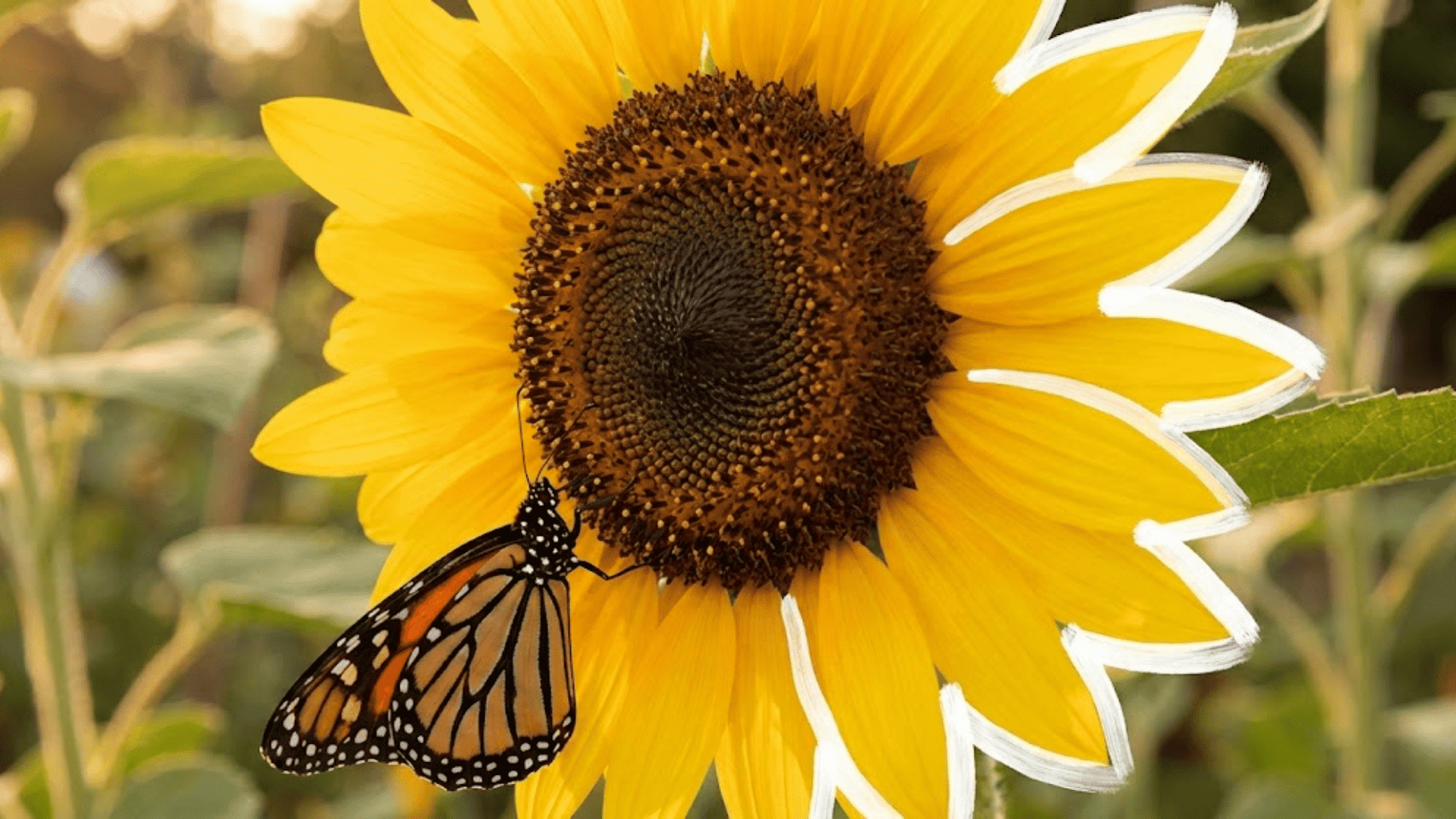
Bloom Time: Mid-summer through fall
Color Palette: Yellow, orange, red, bronze
Large, showy blooms provide generous nectar sources while adding dramatic vertical interest to gardens. Sunflowers come in both annual and perennial varieties, from towering giants to compact border types.
They’re incredibly easy to grow from seed and thrive in full sun. Later in the season, seed heads attract finches and other songbirds.
12. Lobelia
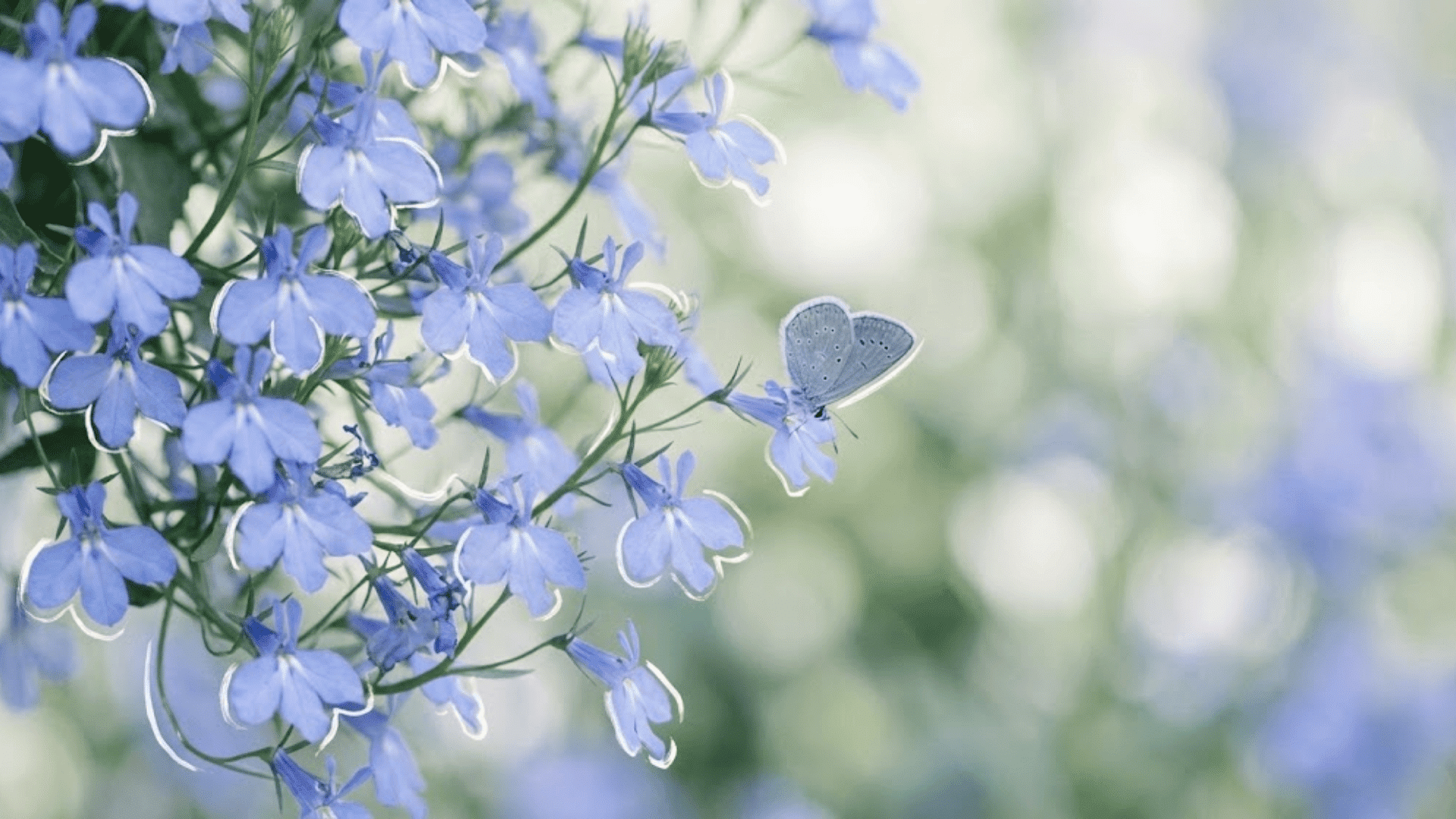
Bloom Time: Spring through fall
Color Palette: Blue, purple, white, pink
Compact or trailing habits make lobelia perfect for containers, hanging baskets, or small garden spaces. The vivid flowers, though small, are rich in nectar and attract smaller butterfly species.
Lobelia prefers cooler temperatures and may need afternoon shade in hot climates. Regular watering keeps these beauties blooming continuously throughout the growing season.
13. Sweet Alyssum
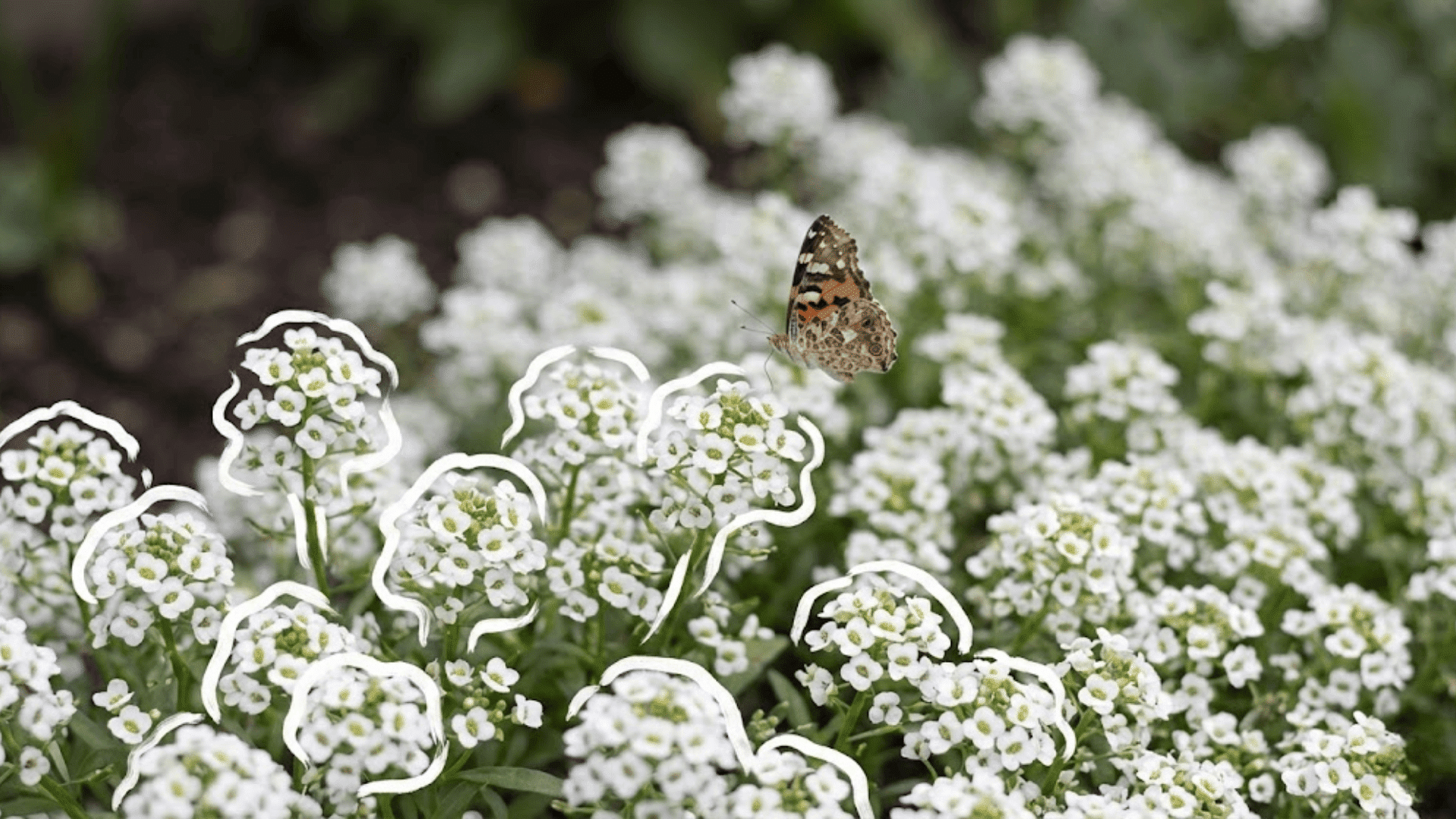
Bloom Time: Spring through fall
Color Palette: White, pink, purple
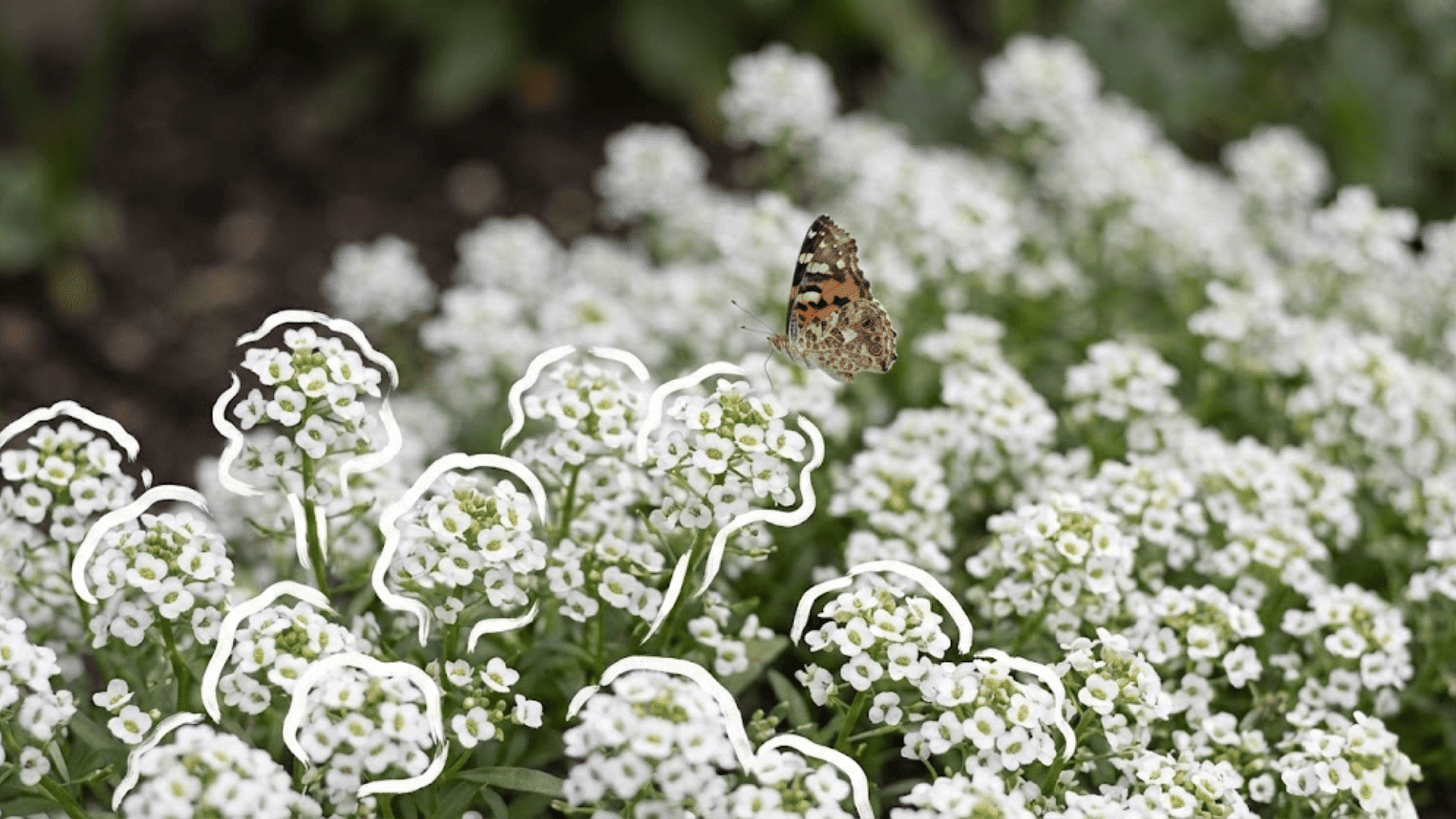
Fragrant mat-forming plants produce abundant tiny flowers that butterflies find irresistible. Sweet alyssum works wonderfully as groundcover, in containers, or tucked between stepping stones.
These low-growing annuals self-seed readily, often returning year after year. They tolerate light foot traffic and release their honey-like fragrance most strongly in evening hours.
14. Petunia
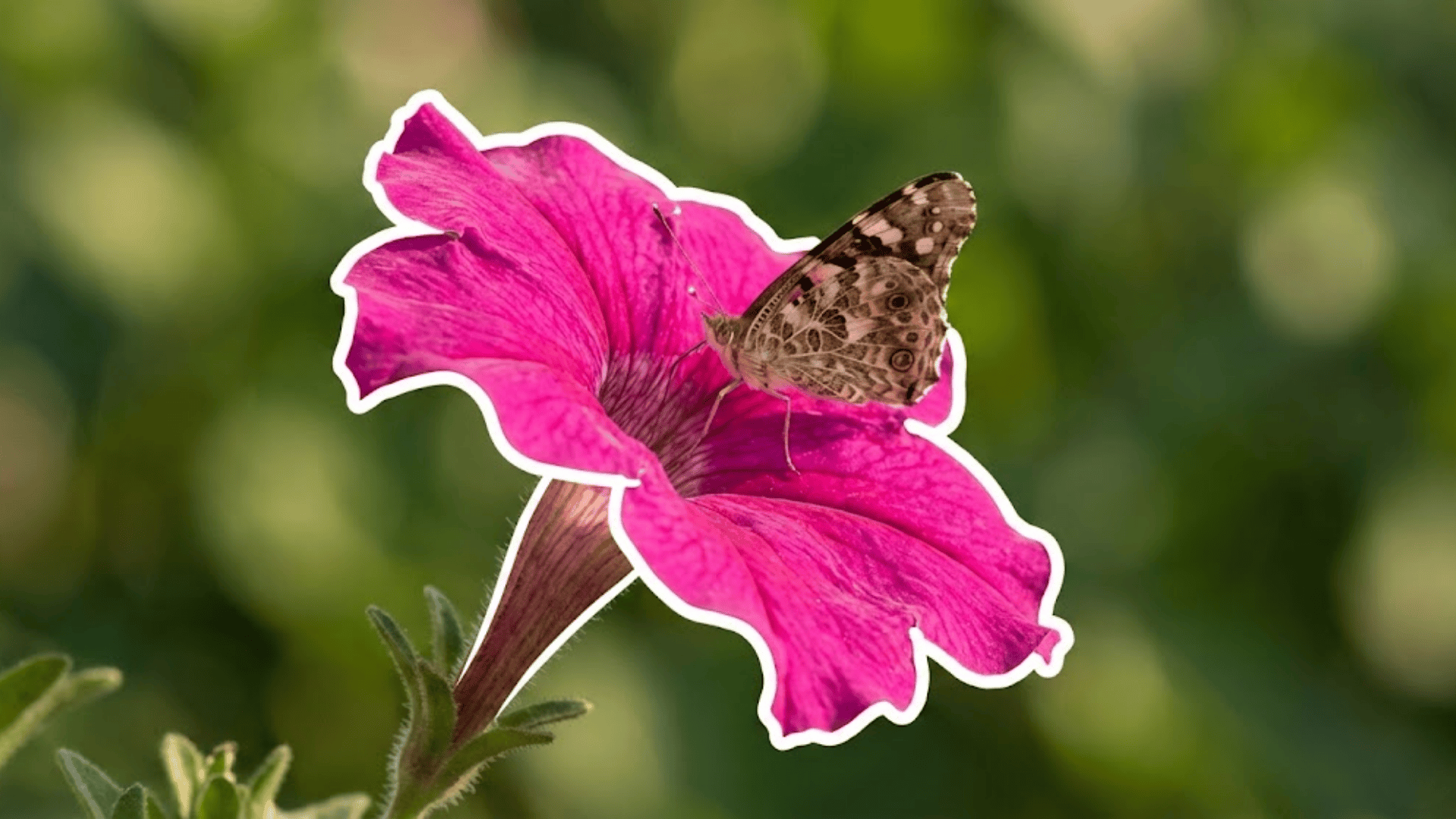
Bloom Time: Late spring through frost
Color Palette: Every color and pattern imaginable
Vigorous bloomers that provide consistent nectar when many other flowers fade in summer heat. Modern petunia varieties are incredibly resilient and require minimal deadheading.
They work beautifully in hanging baskets, containers, or as a colorful groundcover. Choose single-flowered varieties over doubles, as butterflies can access nectar more easily from the simpler blooms.
15. Yarrow
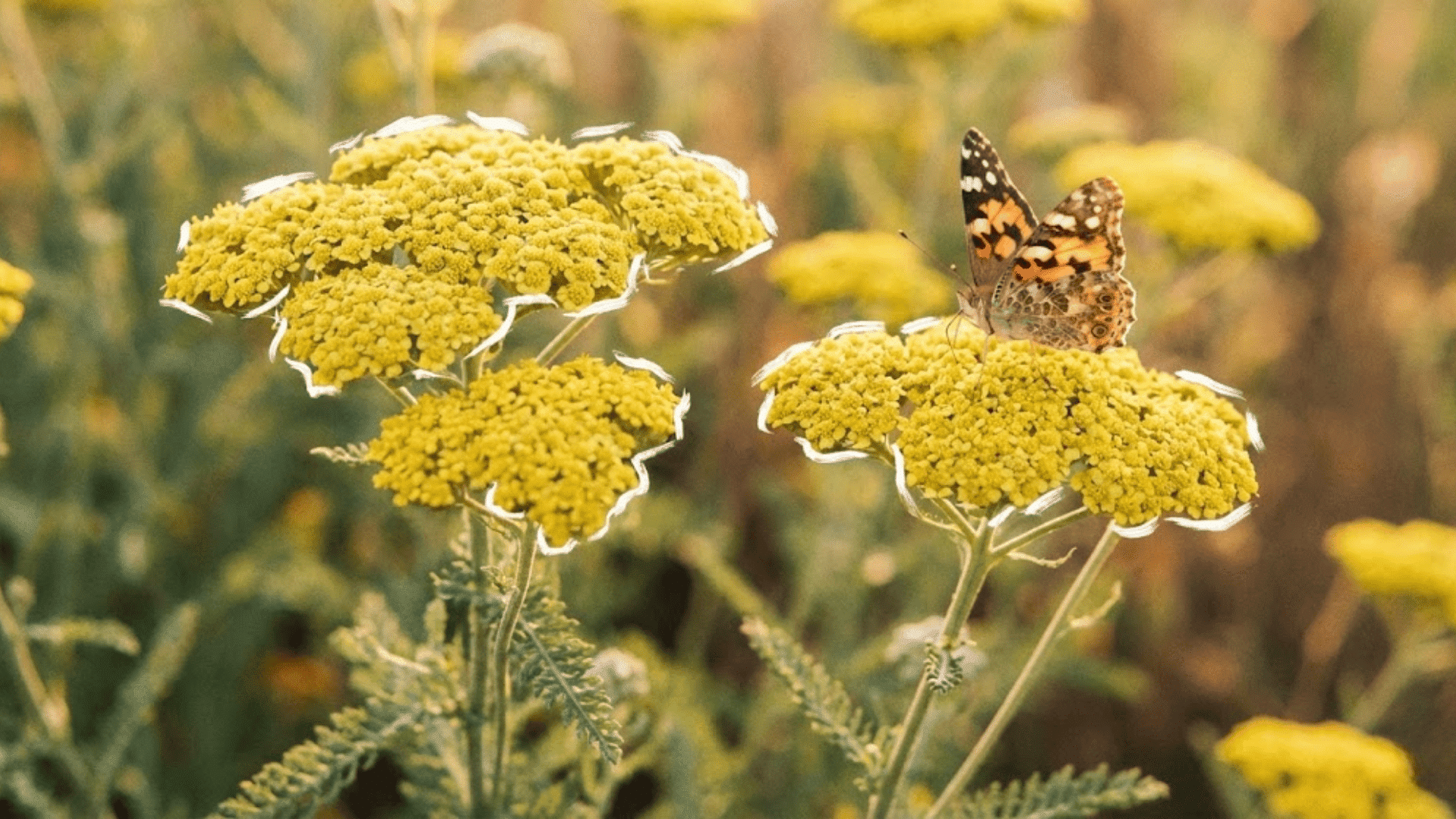
Bloom Time: Early to late summer
Color Palette: Yellow, white, pink, red
Flat-topped flower clusters create perfect landing platforms that butterflies love. Yarrow is remarkably drought-tolerant and thrives in poor soil where other plants struggle.
These hardy perennials spread slowly to form attractive clumps and rarely need dividing. The fern-like foliage adds texture even when plants aren’t blooming.
16. Blazing Star
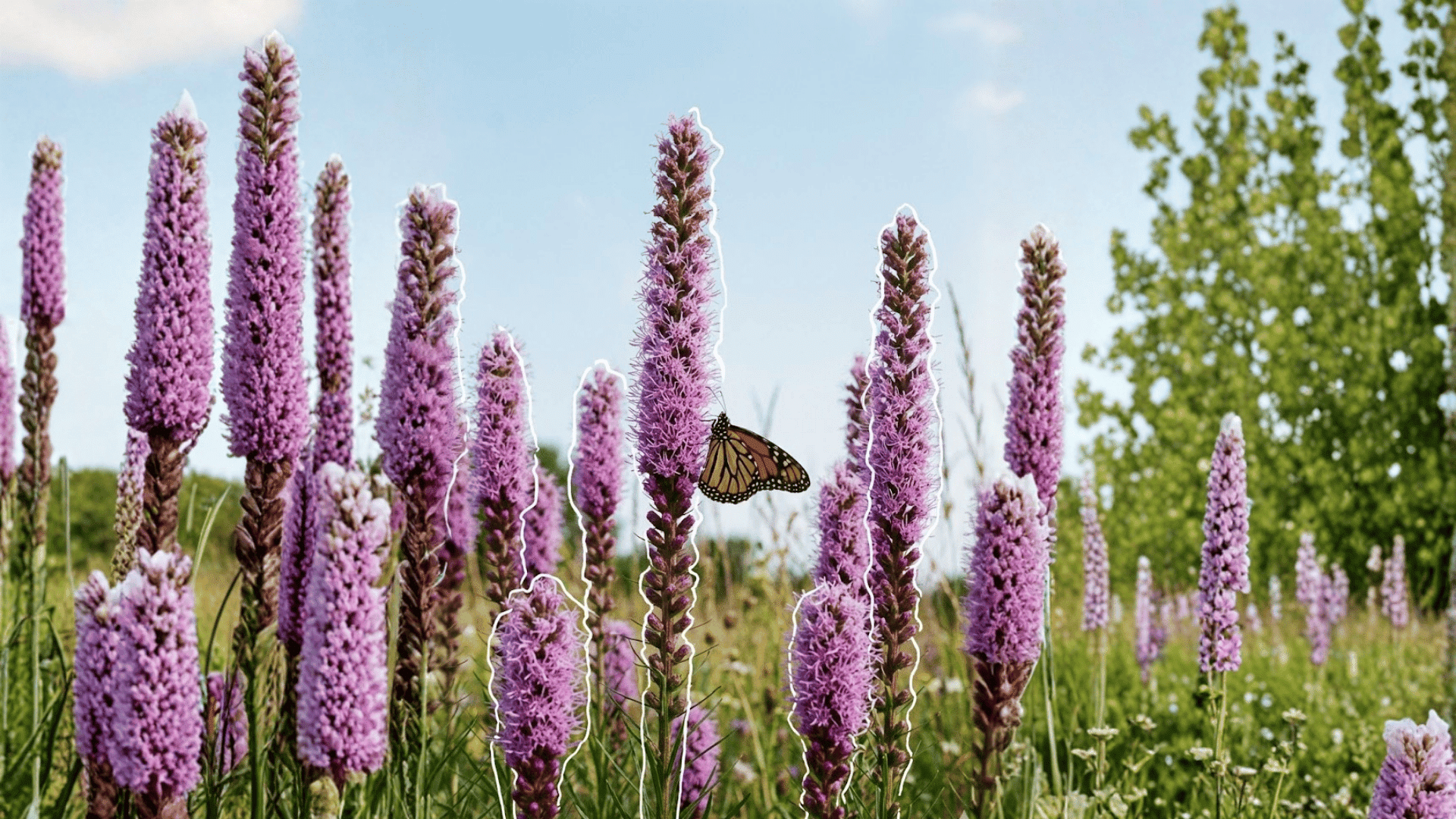
Bloom Time: Mid to late summer
Color Palette: Purple, pink, white
Distinctive spiky blooms open from top to bottom, creating a unique flowering display that butterflies adore. These vertical accents add architectural interest to perennial borders and prairie-style gardens.
Blazing star prefers full sun and well-drained soil but adapts to various conditions. The flower spikes also make excellent long-lasting cut flowers.
17. Goldenrod
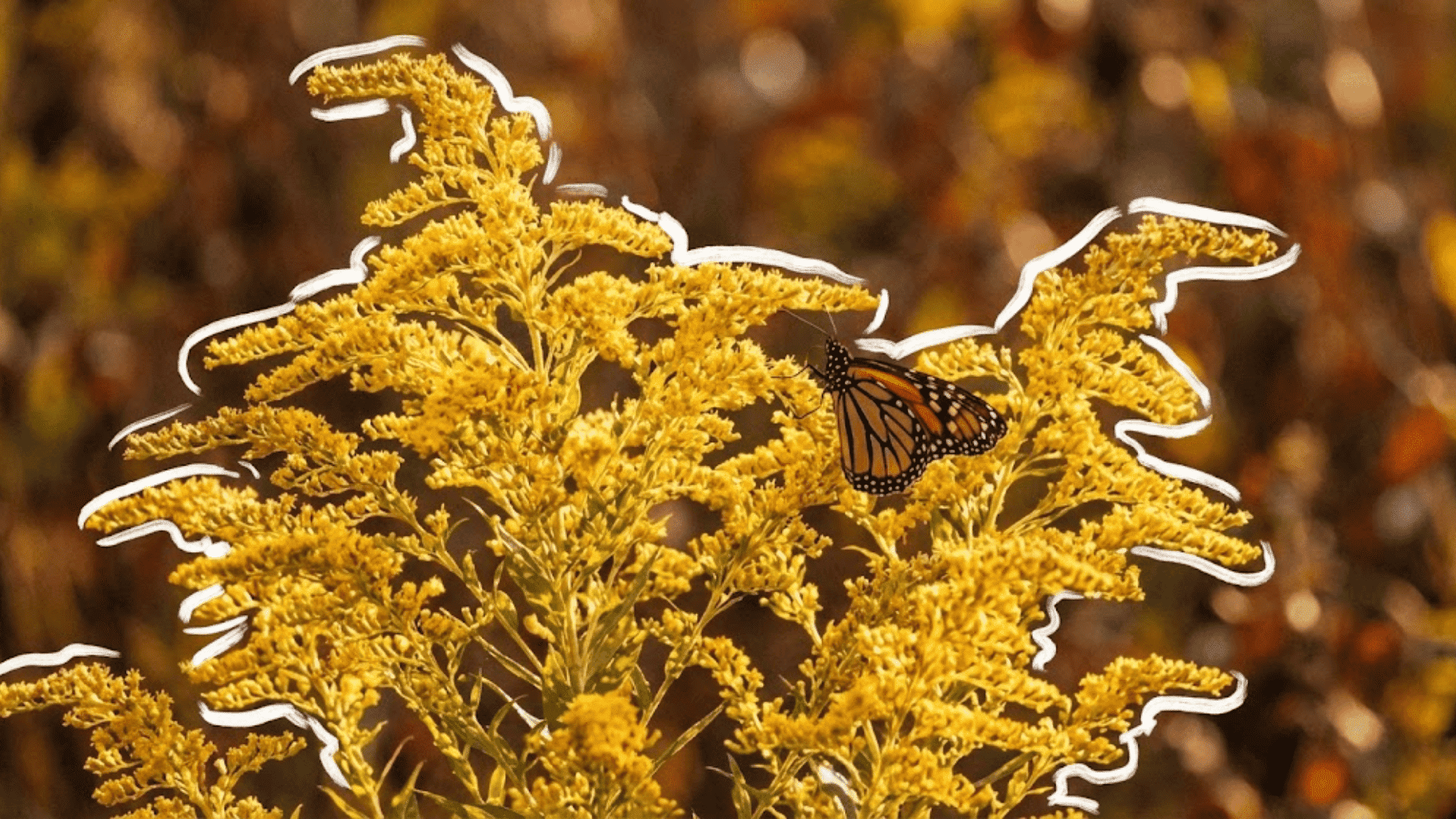
Bloom Time: Late summer through fall
Color Palette: Golden yellow
This late-season bloomer becomes crucial when many other nectar sources have faded. Despite its reputation, goldenrod doesn’t cause allergies (ragweed, which blooms simultaneously, is the culprit).
Native goldenrod varieties support numerous butterfly species during their fall migrations. These tough perennials handle poor soil and drought with ease.
18. Floss Flower
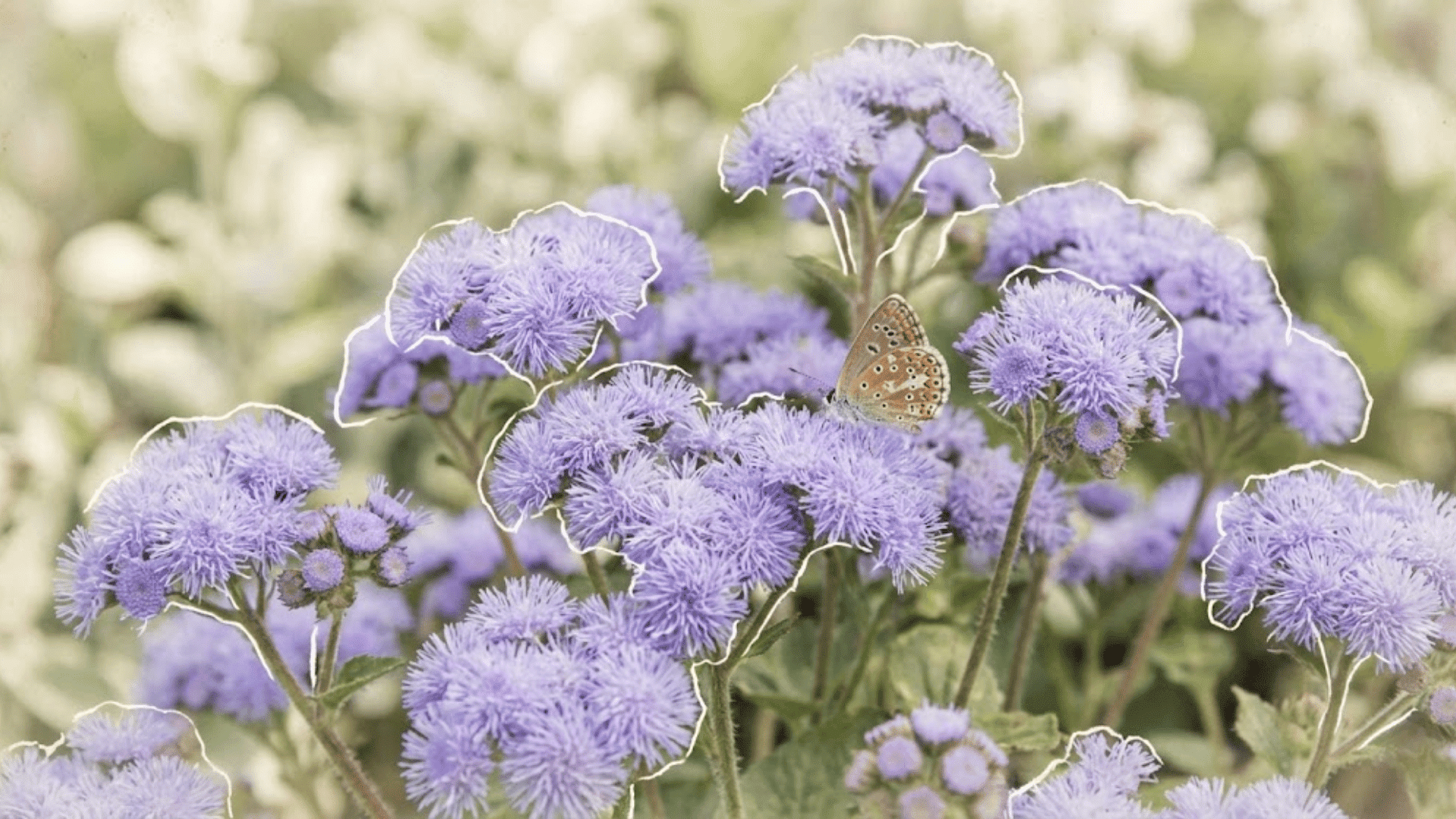
Bloom Time: Late spring through frost
Color Palette: Blue, purple, pink, white
Fluffy clusters of nectar-rich flowers attract butterflies throughout the growing season. This old-fashioned favorite works equally well in garden beds and containers.
Ageratum prefers full sun but tolerates partial shade in hot climates. Compact varieties make excellent edging plants while taller types fill mid-border spaces beautifully.
19. Joe-Pye Weed
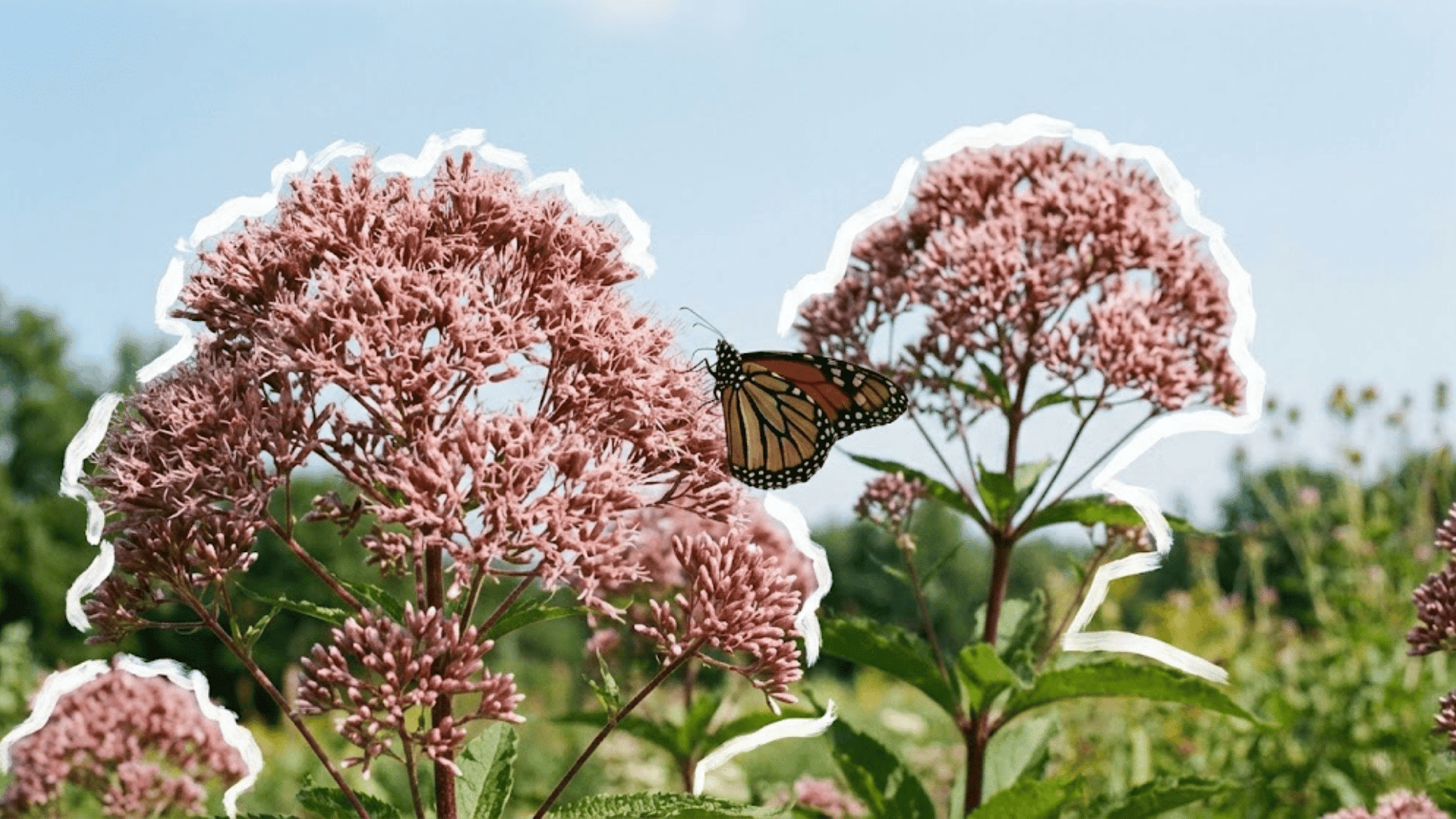
Bloom Time: Late summer through early fall
Color Palette: Pinkish-purple, mauve
Tall perennials with large, dome-shaped flower clusters provide abundant late-season nectar. Joe-Pye weed makes a substantial statement in the back of borders or naturalized areas.
It tolerates moist soil better than many butterfly plants and even thrives in damp spots. The vanilla-scented blooms can reach impressive heights.
20. Coreopsis
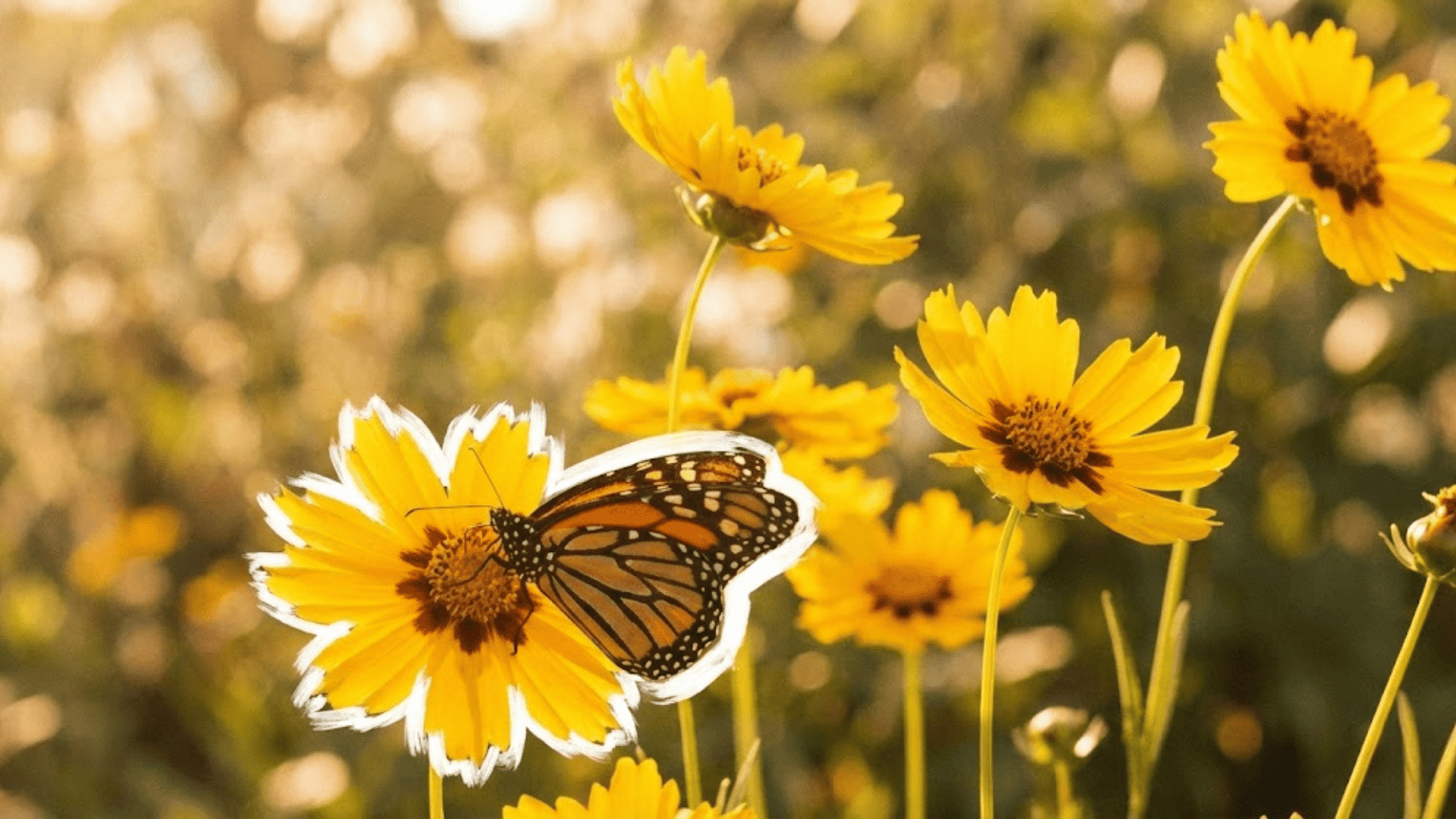
Bloom Time: Early to mid-summer
Color Palette: Yellow, orange, pink, red
Cheerful daisy-like blooms appear abundantly on easy-care plants that tolerate heat and drought. Coreopsis flowers almost continuously with minimal deadheading required.
These compact perennials work beautifully in containers, rock gardens, or mixed borders. Their bright colors create cheerful pops throughout the garden landscape.
21. Cosmos
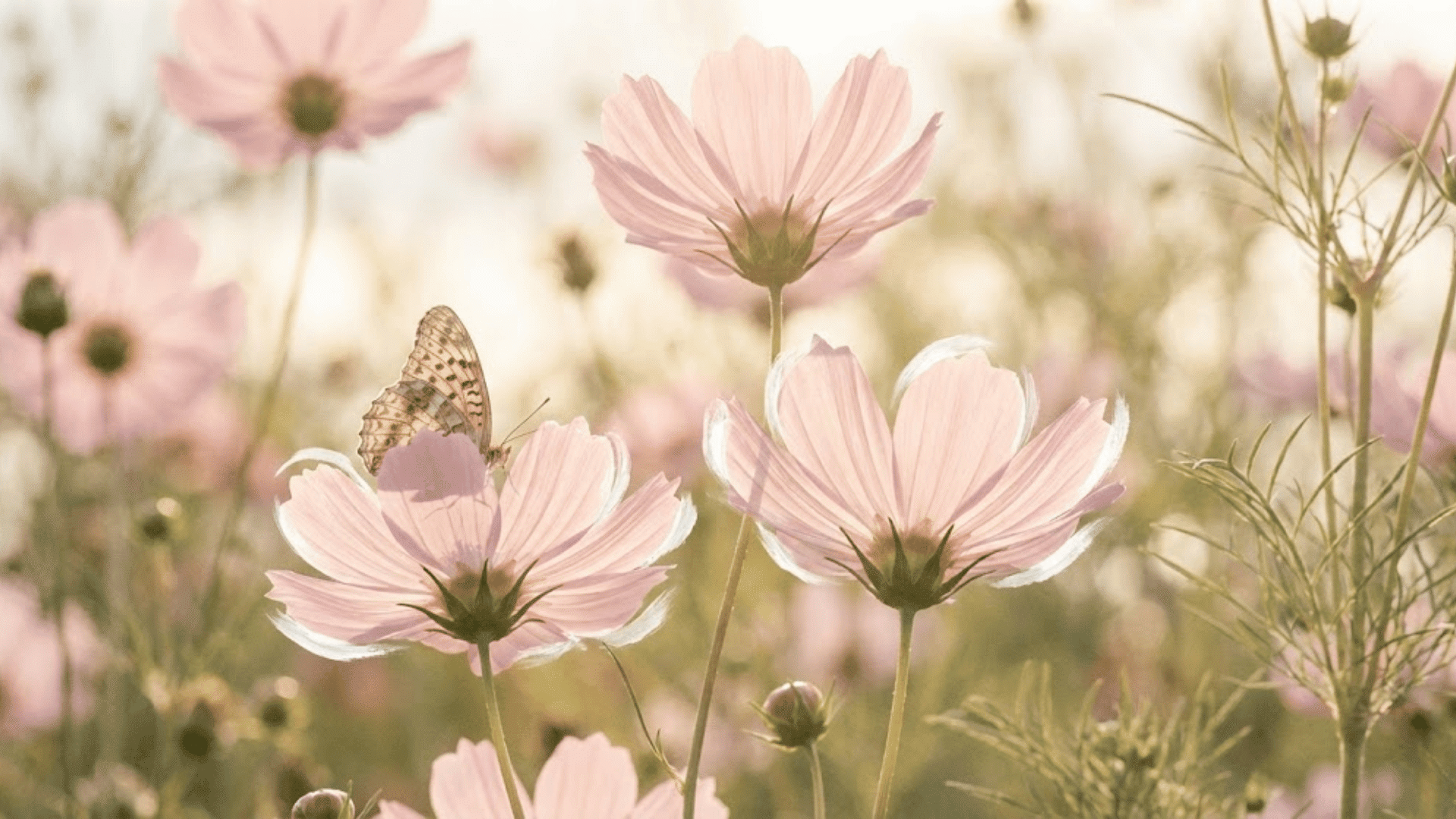
Bloom Time: Mid-summer through frost
Color Palette: Pink, white, orange, yellow, red
Airy, delicate blooms on tall stems create a cottage garden feel that butterflies adore. These annuals are ridiculously easy to grow from seed and often self-sow for future seasons.
Cosmos thrive in poor soil and actually bloom more profusely with less fertilizer. Their feathery foliage adds lightness to garden compositions.
22. Catmint
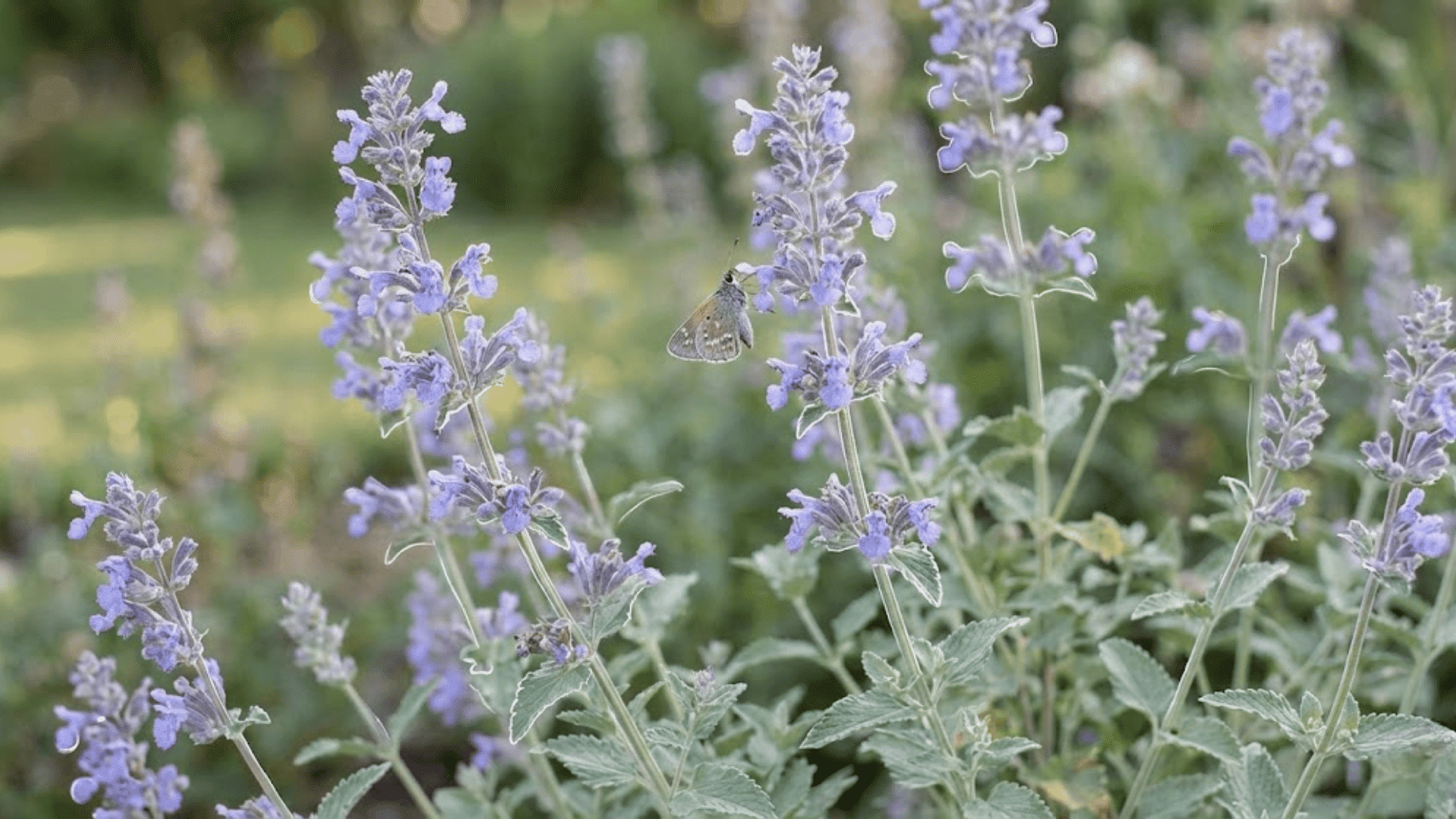
Bloom Time: Late spring through fall
Color Palette: Lavender-blue, purple, white
Aromatic foliage and long-blooming flower spikes make catmint a reliable butterfly attractor. This low-maintenance perennial tolerates heat, drought, and deer browsing.
Shearing back after the first flush of blooms encourages a second flowering. The gray-green leaves provide an attractive contrast to darker foliage in mixed plantings.
23. Fennel
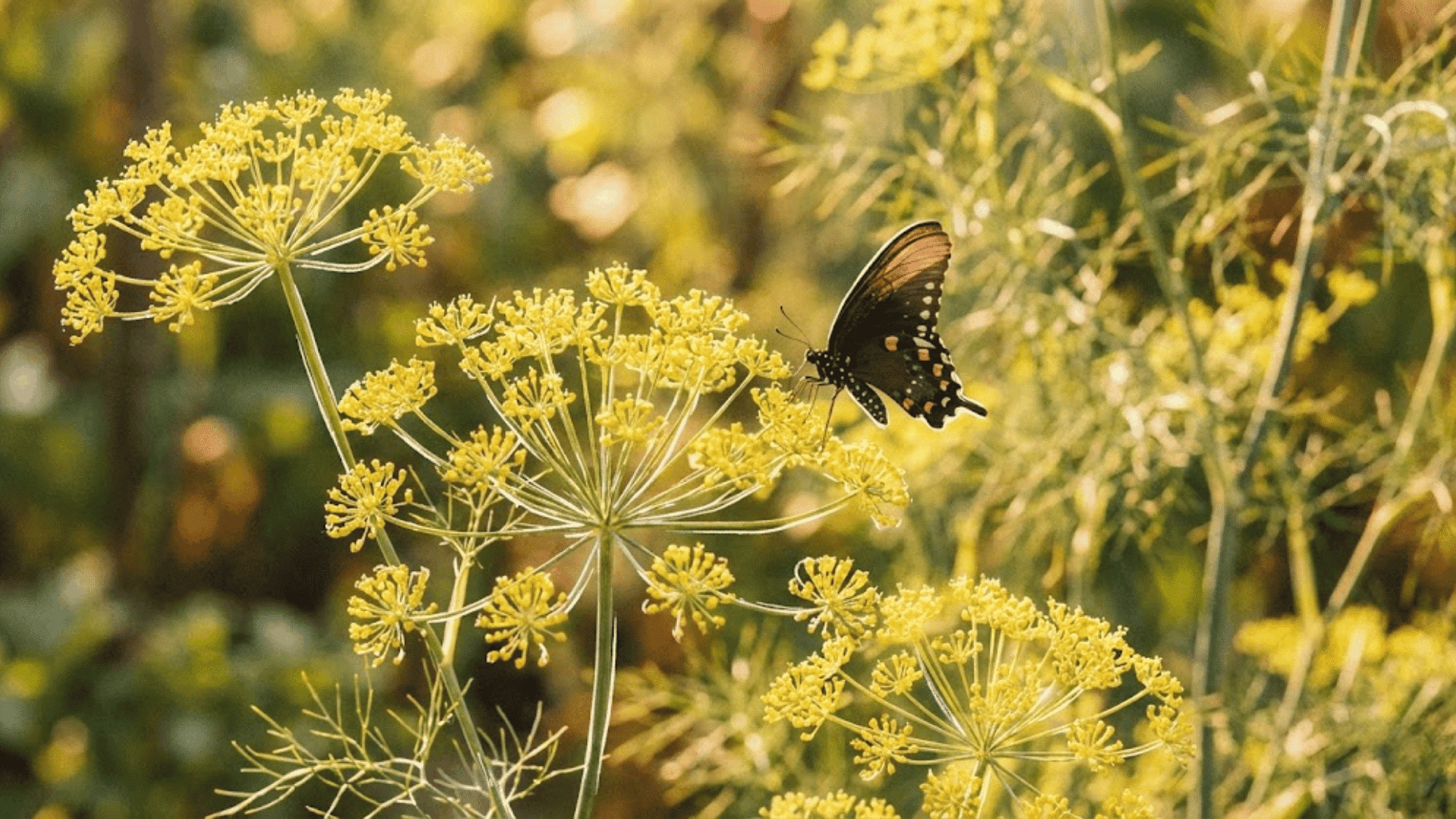
Bloom Time: Mid to late summer
Color Palette: Yellow
This culinary herb serves double duty as a host plant for swallowtail caterpillars. Allow some plants to flower rather than harvesting all the foliage to provide nectar sources.
Fennel prefers full sun and well-drained soil. Plant extras specifically for caterpillars so you can still harvest for cooking.
24. Dill
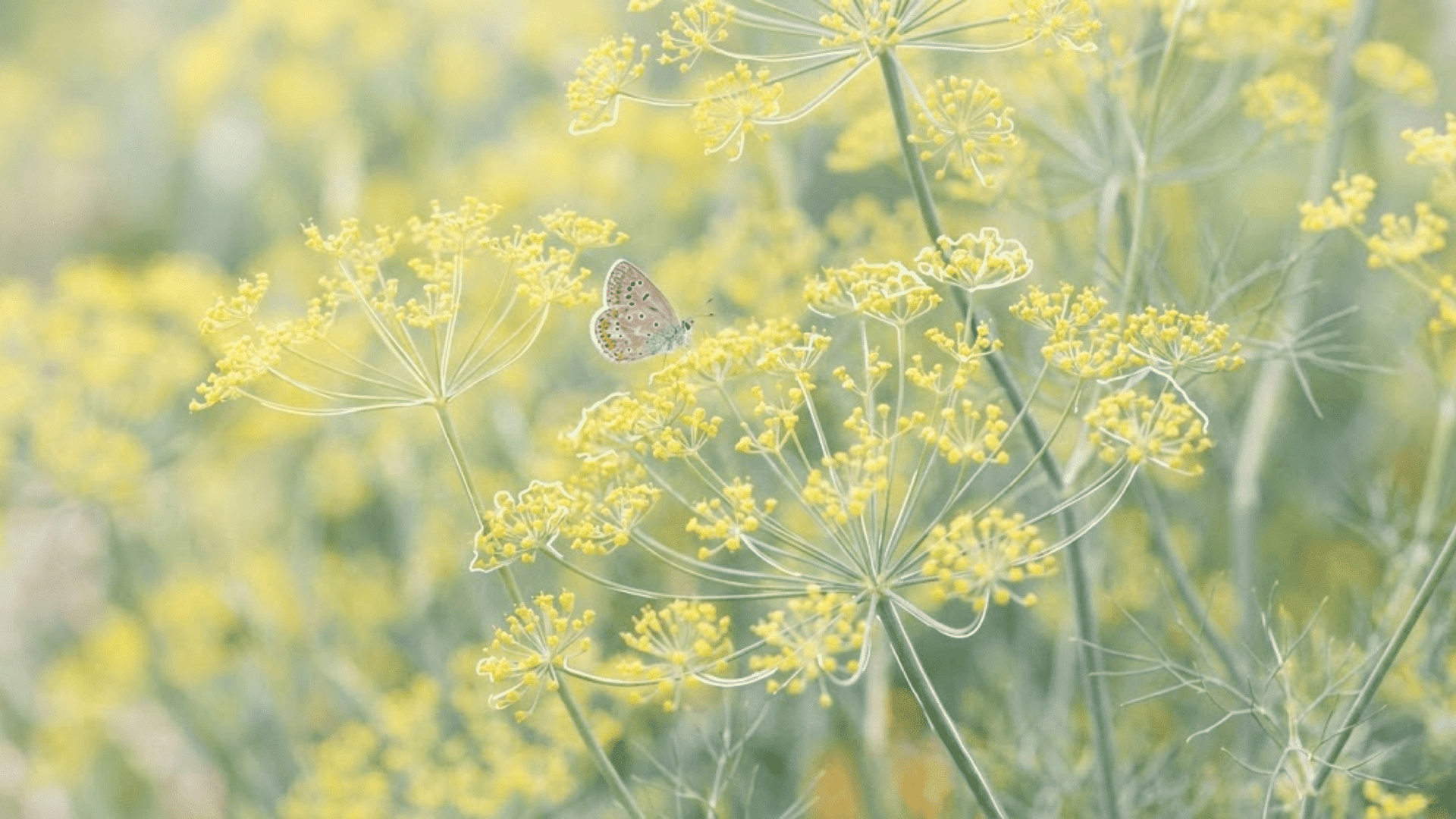
Bloom Time: Mid-summer
Color Palette: Yellow
Another kitchen staple that swallowtail butterflies seek out for laying eggs. The delicate, umbrella-shaped flower clusters provide nectar when allowed to bloom.
Dill grows quickly from seed and prefers sunny locations. Let a few plants go to seed to attract both butterflies and beneficial insects.
25. Parsley
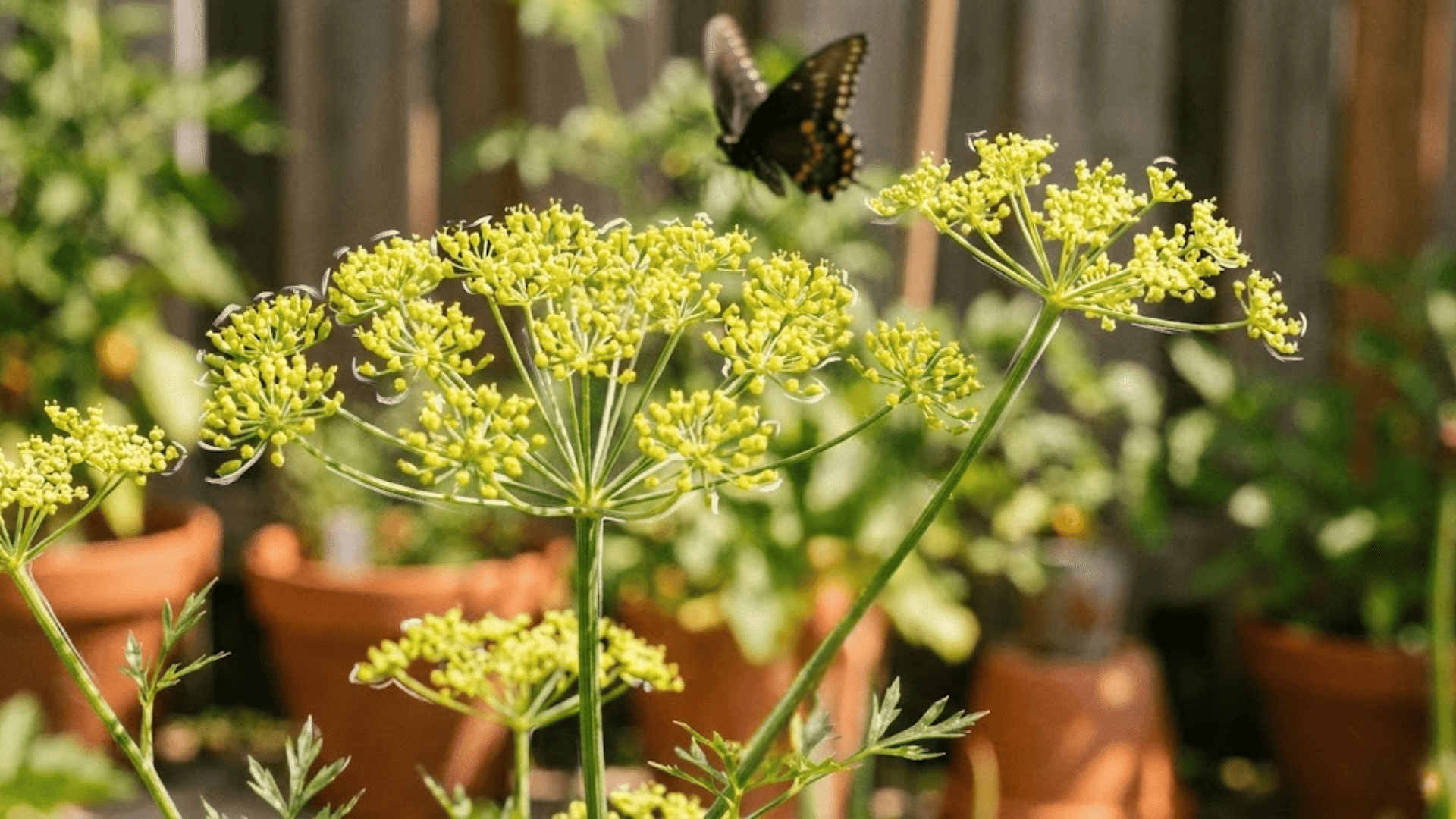
Bloom Time: Second year (biennial)
Color Palette: Yellow-green
A beloved host plant for black swallowtail caterpillars that also produces nectar-rich flowers. Plant both curly and flat-leaf varieties to support caterpillars while maintaining harvest options.
Parsley prefers rich, moist soil and tolerates partial shade. Seeing caterpillars munching on your parsley means your butterfly garden is working.
26. Aster
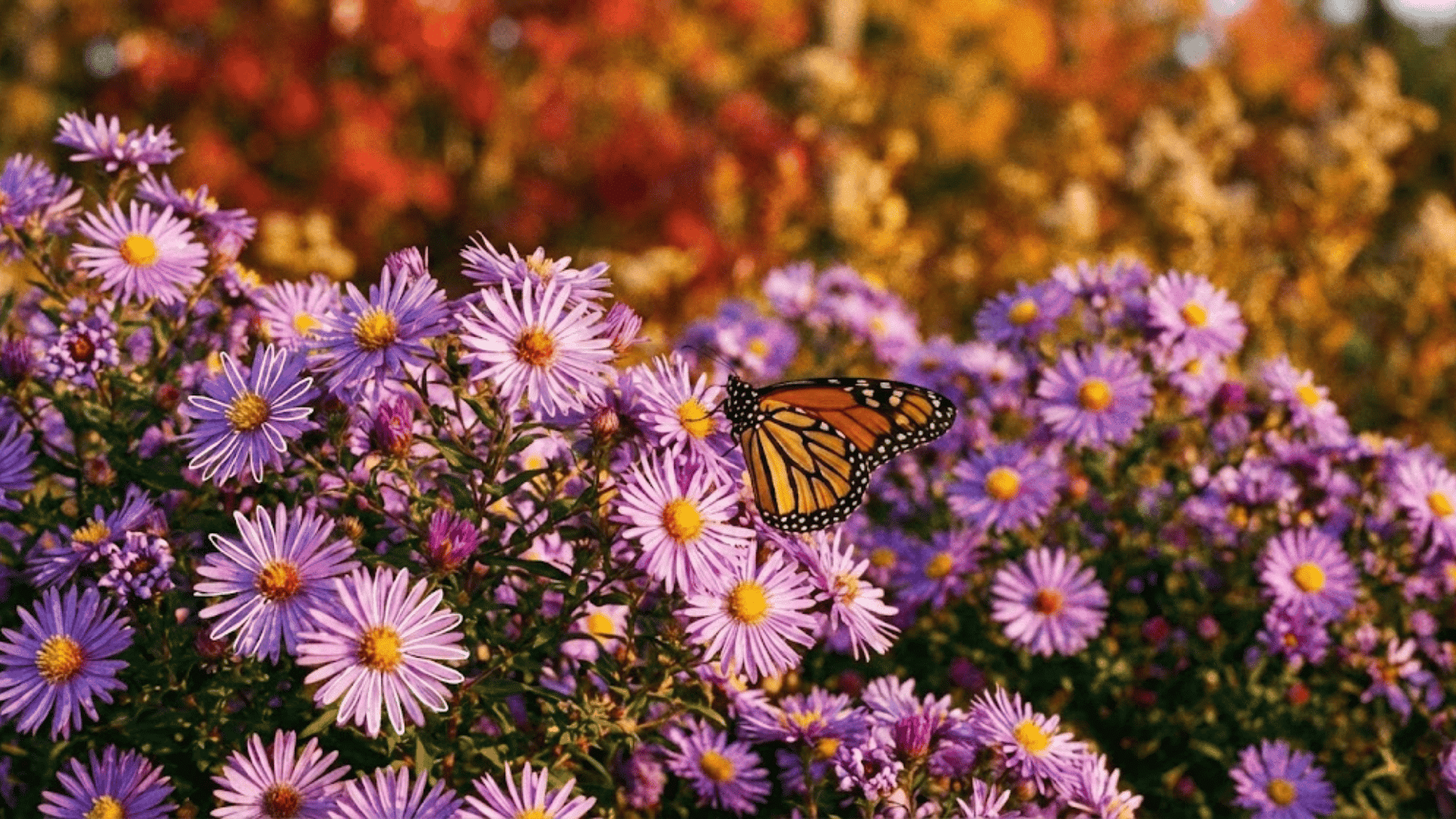
Bloom Time: Late summer through fall
Color Palette: Purple, pink, white, blue
As summer winds down, asters become essential nectar sources for butterflies preparing for migration or overwintering. These native perennials produce masses of daisy-like flowers when many other plants have finished blooming.
Asters thrive in full sun to partial shade and work beautifully in naturalized gardens. Their late-season blooms make them particularly valuable for monarch butterflies during fall migration.
27. Passionflower
Bloom Time: Summer through fall
Color Palette: Purple, pink, white
Stunning exotic-looking blooms serve double duty as nectar sources and host plants for Gulf fritillary butterflies. The intricate flowers feature dramatic fringed petals surrounding prominent reproductive structures.
In warmer climates, they bloom constantly and may produce edible fruit. I once reassured a client whose vine was stripped bare by Gulf fritillary caterpillars; two weeks later, she sent photos of dozens of orange butterflies emerging.
28. Marigold
Bloom Time: Late spring through frost
Color Palette: Yellow, orange, gold, red
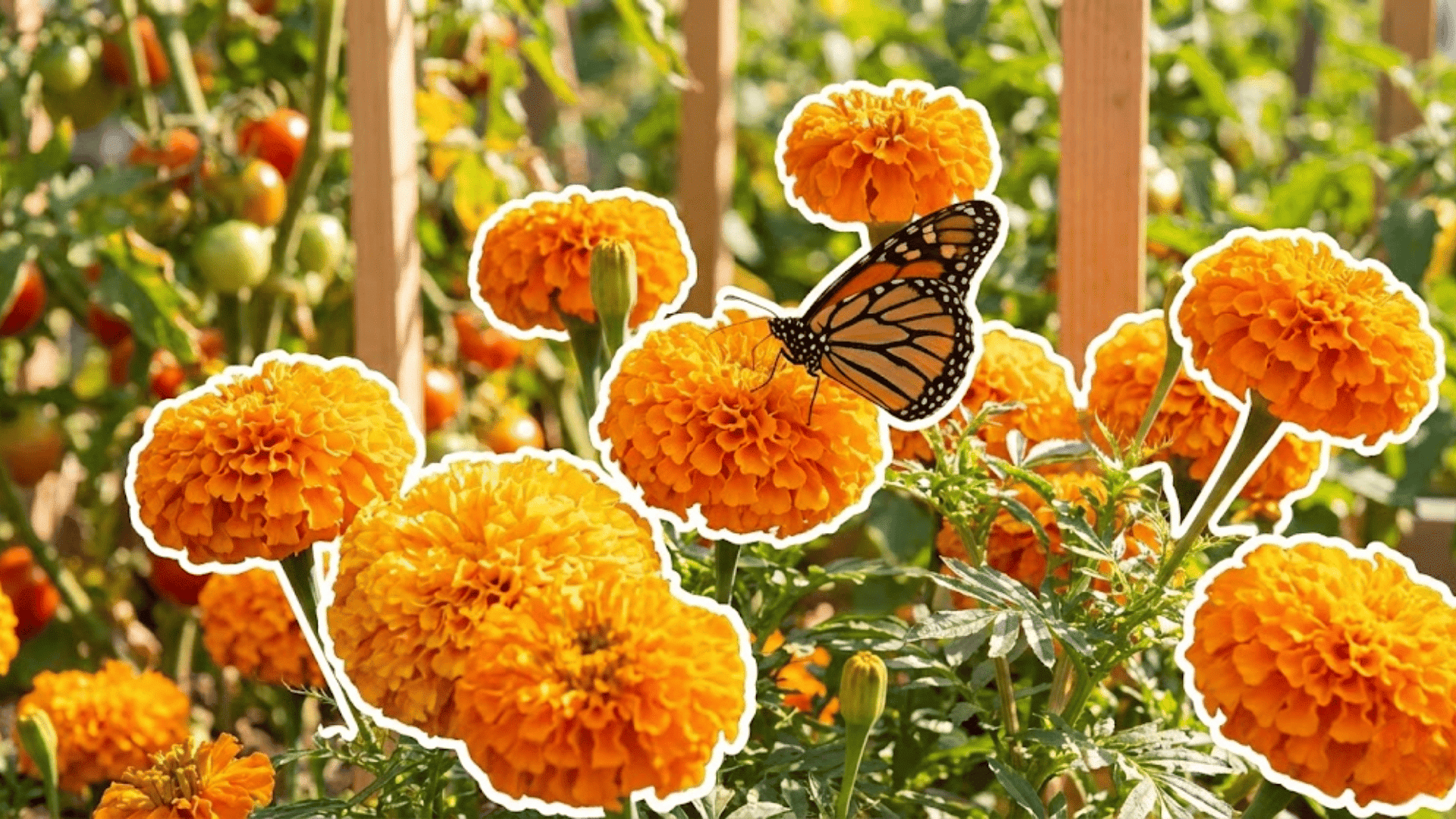
Cheerful, pom-pom blooms provide consistent nectar throughout the growing season with virtually no maintenance required. These hardy annuals are incredibly easy to grow from seed and tolerate heat, drought, and poor soil.
While their pungent foliage deters many pests, butterflies still visit the blooms freely. Marigolds work wonderfully as border plants or mixed into vegetable gardens for companion planting benefits.
29. Sedum
Bloom Time: Late summer through fall
Color Palette: Pink, red, white, yellow
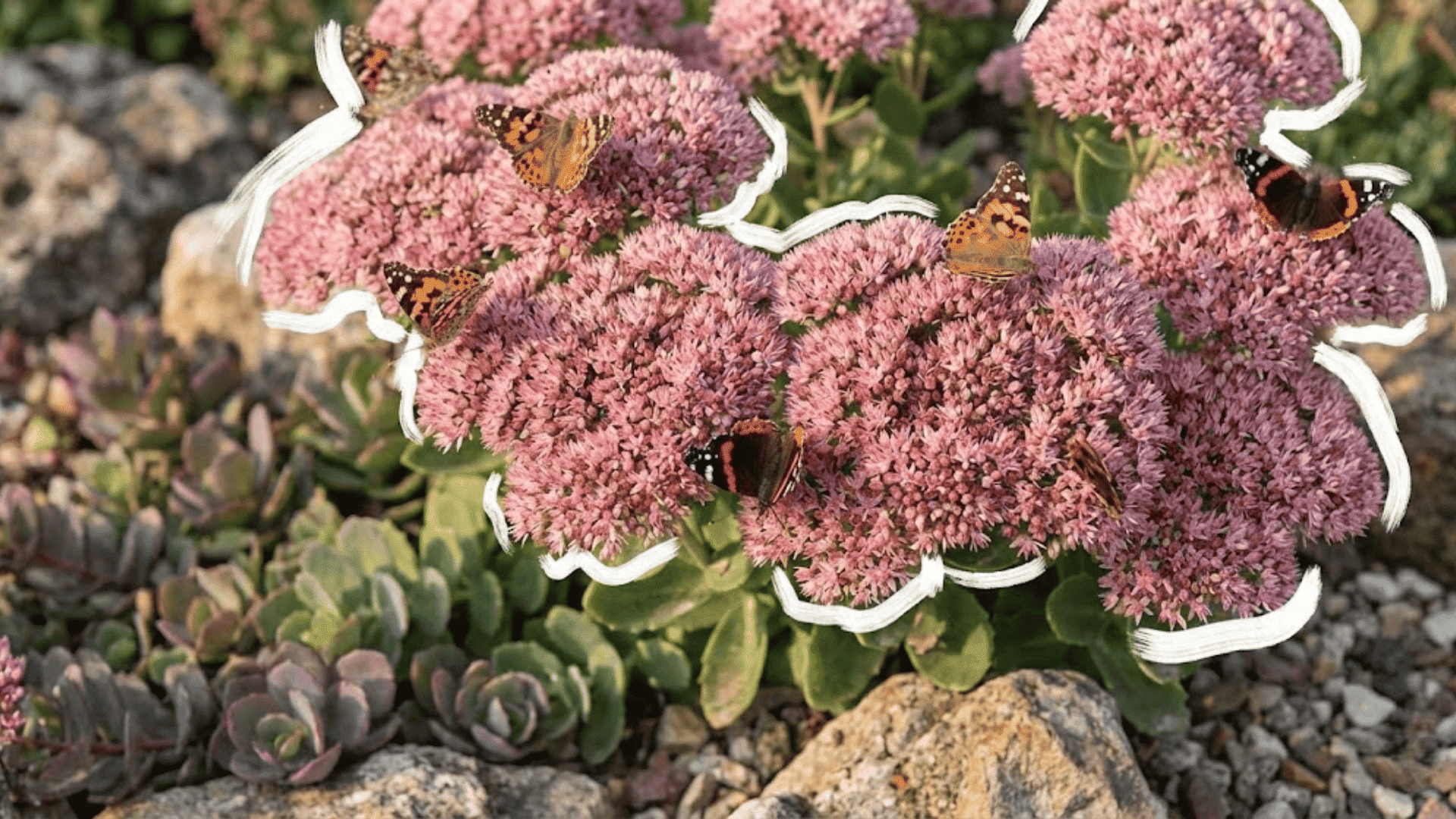
Succulent foliage topped with flat clusters of star-shaped flowers creates perfect landing platforms for butterflies. Sedum is incredibly drought-tolerant and thrives in poor, rocky soil where other plants struggle.
These low-maintenance perennials also provide winter interest with their dried seed heads. I’ve watched a single ‘Autumn Joy’ plant host twenty butterflies at once in a hot, dry corner where nothing else would grow.
How to Design a Butterfly-Friendly Garden?
Beyond plant selection, the way you arrange and maintain your garden significantly impacts its appeal to butterflies.
These design considerations will help you create a space that feels like a natural habitat.
- Create Shelter from Wind: Plant taller shrubs or install trellises on the windward side to protect butterflies while they feed and rest.
- Add Flat Stones for Basking: Butterflies are cold-blooded and need warm surfaces to heat their wings before flying, especially in morning hours.
- Provide Shallow Puddling Stations: Fill a shallow dish with sand and keep it moist, or create a muddy patch where butterflies can extract minerals.
- Layer Plants by Height: Arrange low groundcovers in front, medium perennials in the middle, and tall bloomers at the back for visual depth and accessibility.
- Leave Some Garden Areas Wild: Allow leaf litter, standing stems, and unmowed patches to provide overwintering sites for chrysalises and hibernating adults.
- Design with Color Drifts: Plant sweeping curves of the same color rather than checkerboard patterns to mimic the natural meadows butterflies instinctively seek.
A thoughtfully designed butterfly garden feels effortless and alive, blending beauty with function to support these delicate pollinators at every stage of their remarkable lives.
Seasonal & Regional Variations
Most butterfly garden guides cater to temperate climates, but if you’re gardening in warmer regions, you’ll need plants that can handle intense heat, humidity, and extended growing seasons.
Here’s how to adapt your butterfly garden to thrive in subtropical and tropical conditions.
| Climate Challenge | Best Plant Choices | Key Benefit |
|---|---|---|
| Intense summer heat (90°F+) | Lantana, Pentas, Porterweed | Bloom more profusely in heat when butterflies are most active |
| High humidity | Firebush, Tropical Sage, Blue Daze | Resist fungal diseases that plague temperate favorites |
| Year-round growing season | Passionflower, Firecracker Plant, Tropical Milkweed | Provide continuous nectar for active winter butterflies |
| Sandy or alkaline soil | Blanket Flower, Mexican Sunflower | Thrive without soil amendments in challenging conditions |
| Drought conditions | Desert Marigold, Autumn Sage, Gregg’s Mistflower | Need minimal water once established |
I’ve watched too many gardeners battle bee balm and phlox in humid climates. A client’s switch to pentas brought gulf fritillaries all summer with zero fungal issues. Work with your climate, not against it.
The Closing Note
Creating a butterfly garden filled with the best flowers that attract butterflies has been one of my most rewarding projects as a horticulturist.
Watching monarchs, swallowtails, and painted ladies visit plants you’ve carefully chosen brings such joy to everyday gardening.
Remember, you’re not just growing flowers; you’re providing essential habitat for these beautiful pollinators at every stage of their lives.
Start with a few of your favorites from this list, observe what thrives in your space, and let your garden grow naturally. I’d love to hear which plants work best in your butterfly garden; share your experiences in the comments below!