Your roof is one of the most important parts of your home. It protects your family, belongings, and the structure itself from rain, wind, heat, and other outdoor elements. Without proper care, even a high-quality roof can develop problems over time that lead to expensive repairs or early replacement.
In places like Huntsville, Alabama, changing weather conditions can put extra stress on residential roofing systems. Heavy rain, strong winds, humidity, and seasonal storms can slowly wear down roofing materials if homeowners are not proactive about maintenance. That is why regular roof care is essential for keeping your home safe and preventing costly damage in the future.
Many homeowners do not think about their roof until they notice a leak or visible damage inside the house. Unfortunately, by the time these signs appear, the issue may already be serious. Taking preventive steps throughout the year can help extend the life of your roof and reduce the risk of major problems.
Understanding the basics of roof maintenance can help homeowners make smarter decisions and protect their investment for years to come.
Schedule Regular Roof Inspections
One of the best ways to maintain a strong and durable roof is by scheduling regular inspections. Small roofing problems are often difficult to notice from the ground, but they can become much more serious if left untreated.
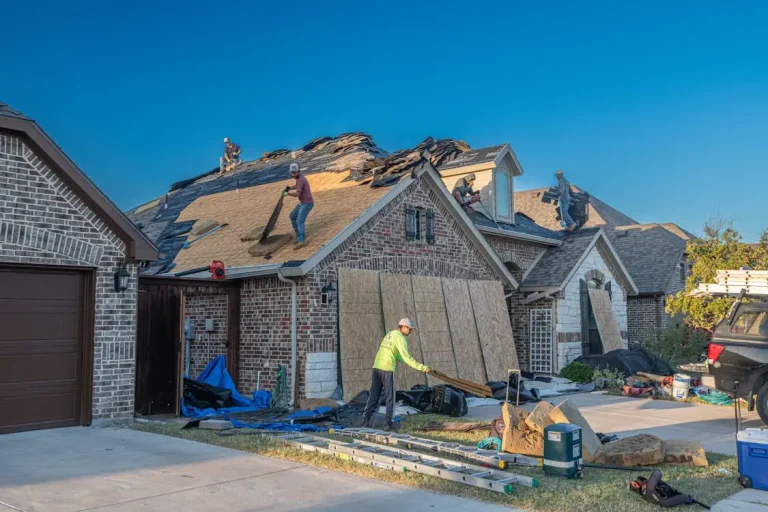
Homeowners should inspect their roofs at least twice a year, especially after severe weather events. Missing shingles, cracked flashing, water stains, mold growth, and sagging areas are all warning signs that should never be ignored. Even a small leak can eventually lead to structural damage, insulation problems, and mold inside the home.
Professional inspections are especially helpful because trained roofing experts know how to spot hidden issues that homeowners may miss. For example, working with an experienced Huntsville roofing contractor can help homeowners identify damage early, receive proper repair recommendations, and maintain their roofing system throughout changing weather conditions.
Roof inspections also provide an opportunity to evaluate the overall condition of roofing materials. Asphalt shingles, flashing, vents, and seals naturally wear down over time. Identifying weak areas early can prevent larger repairs later.
It is also a good idea to keep records of inspections and repairs. Documentation can help homeowners track the condition of the roof and may even be useful for insurance claims or future home sales.
Keep Gutters and Downspouts Clean
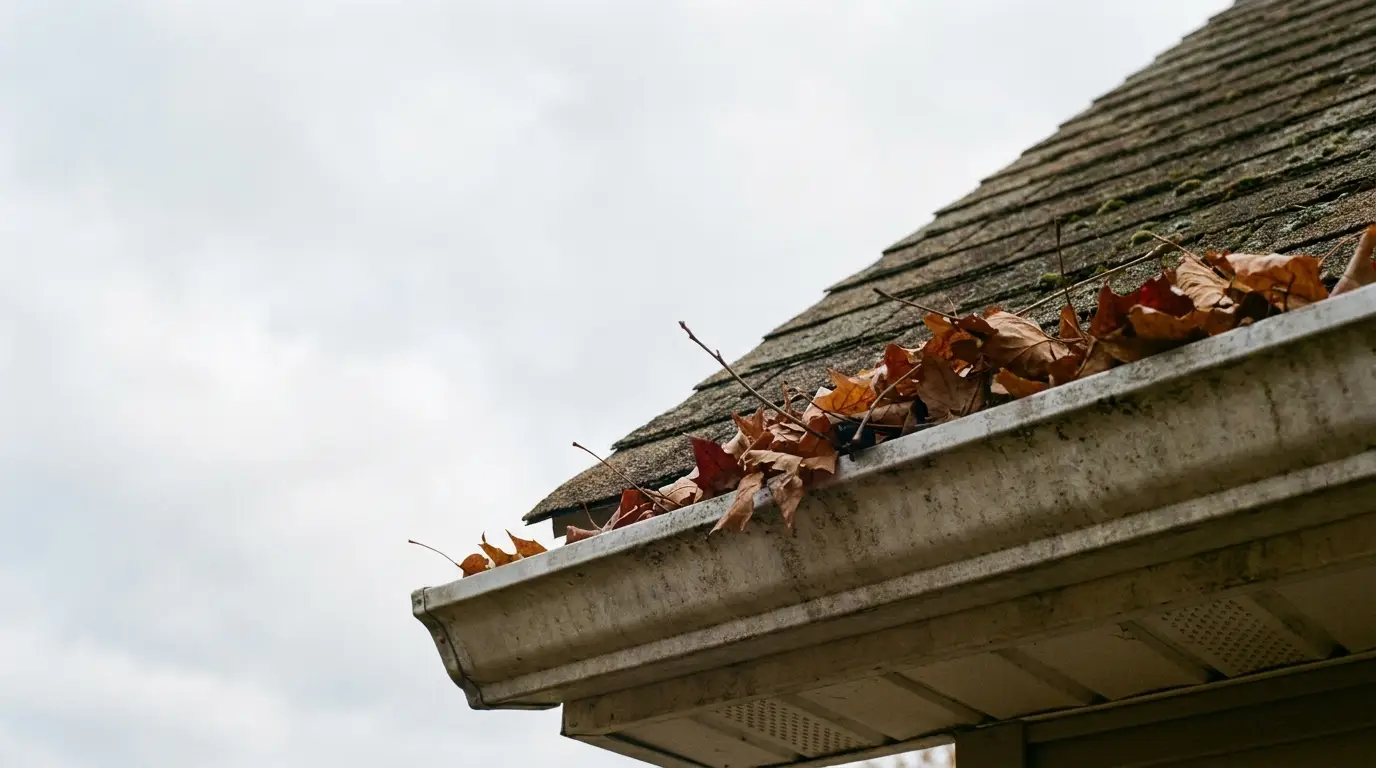
Gutters help protect both your roof and your home by directing water away and reducing the risk of damage. When gutters become clogged with leaves, dirt, and debris, rainwater cannot drain properly. Instead, water may collect on the roof or overflow around the foundation of the home.
Standing water can damage roofing materials, weaken wooden structures, and create leaks inside the house. Over time, clogged gutters may also contribute to mold growth, rotting fascia boards, and foundation issues.
Cleaning gutters regularly is one of the simplest ways to protect your roof. Most homeowners should clean gutters at least twice a year, especially during the fall when leaves accumulate quickly. Homes surrounded by trees may require more frequent cleaning.
Downspouts should also be checked to ensure water flows away from the house properly. Blocked downspouts can force water back onto the roof and increase the risk of leaks.
Some homeowners choose to install gutter guards to reduce debris buildup and make maintenance easier. While gutter guards do not eliminate the need for cleaning completely, they can help improve water flow and reduce long-term maintenance needs.
Address Minor Repairs Immediately
Small roofing problems rarely stay small for long. Delaying repairs can allow moisture to spread beneath roofing materials and create more extensive damage inside the home.
One of the most common mistakes homeowners make is ignoring missing shingles or minor leaks. Even a small opening in the roof can allow water to seep into insulation, ceilings, and walls. Over time, this can lead to mold growth, wood rot, and structural weakening.
Common minor roof repairs include replacing damaged shingles, sealing leaks, fixing flashing around vents and chimneys, and repairing small cracks. These issues may seem minor at first, but they can become expensive if ignored.
After storms or strong winds, homeowners should check for loose materials or visible roof damage. Quick action can often prevent larger repair costs later.
Although some small maintenance tasks can be handled by homeowners, larger repairs should always be completed by qualified professionals. Climbing onto a roof can be dangerous, and improper repairs may create additional problems. Hiring experienced roofing professionals helps ensure repairs are completed safely and correctly.
Protect Your Roof From Weather Damage
Weather is one of the biggest threats to any roofing system. Over time, exposure to heat, rain, wind, and storms can weaken roofing materials and reduce their lifespan.
Strong winds can loosen shingles or expose vulnerable areas of the roof. Heavy rain may cause leaks if drainage systems are not functioning properly. In warmer climates, constant heat and sunlight can dry out roofing materials and cause cracking over time.
Homeowners can take several steps to reduce weather-related roof damage. One important task is trimming nearby trees and branches. Overhanging limbs can scrape roofing materials, block gutters, or fall during storms and cause serious damage.
Proper attic ventilation is another important factor in roof protection. Good ventilation helps regulate temperature and moisture levels inside the attic, which reduces stress on roofing materials. Poor ventilation may lead to heat buildup, mold growth, and premature roof aging.
Insulation also plays a key role in maintaining roof durability. A properly insulated attic helps reduce temperature fluctuations that can affect roofing materials throughout the year.
Preparing your roof before seasonal weather changes is another smart strategy. Before storm season begins, homeowners should inspect vulnerable areas, clear debris, and ensure gutters are functioning properly.
Maintaining a strong and durable roof requires regular attention and preventive care. By scheduling inspections, cleaning gutters, handling small repairs quickly, and preparing for severe weather, homeowners can extend the lifespan of their roofing systems and reduce the risk of costly damage.
Roof maintenance is not just about protecting shingles or preventing leaks. It is about protecting the entire home and ensuring long-term safety and comfort for everyone inside.
While some maintenance tasks can be handled independently, professional support is often necessary for inspections, repairs, and replacement decisions. Taking a proactive approach to roof care can save homeowners time, money, and stress in the future.
A well-maintained roof provides peace of mind and helps keep your home protected through every season.