Most interior design advice treats personal taste as something to moderate. Keep it neutral. Appeal to future buyers. Do not commit too hard to anything specific.
That approach produces homes that feel like nobody lives in them. A home designed around how you actually live, what you collect, how you entertain, and what you care about performs better as a living environment and tends to hold more personal value over time.
Start With How You Use the Space, Not How It Looks
Before choosing a single material or piece of furniture, document how you actually use each room. Not how you intend to use it. How you actually use it right now.
Most people who love cooking spend far more time in the kitchen than the floor plan acknowledges. Most people who read spend time in multiple rooms without a single well-designed reading spot in any of them. Most people who entertain have no dedicated storage for the things entertaining requires.
Design that starts with use patterns produces rooms that work. Design that starts with aesthetics produces rooms that look good in photographs and frustrate people daily.
Building a Display System for What You Collect
Collectors face a specific design problem. The collection is the point, but displaying it poorly makes it look like clutter rather than curation.
The solution is treating the collection as a primary design element rather than something to accommodate around the furniture. This means designing shelving, lighting, and spatial context specifically for the objects being displayed.
Scale matters enormously. Small objects need tight groupings or contained display cases. Larger statement pieces need breathing room and purposeful placement. Hand-finished sculptures work well as anchors in rooms with high ceilings or strong sightlines because they hold visual presence from a distance without requiring the viewer to move closer to understand them. Positioning a significant three-dimensional piece at a natural focal point, the end of a hallway, the corner of a living room visible from the entry, creates the kind of intentional moment that makes a home feel genuinely designed rather than assembled.
Lighting for collections is not optional. A well-chosen piece in poor light reads as furniture. The same piece under a focused directional source becomes art.
Designing a Dedicated Entertainment Space
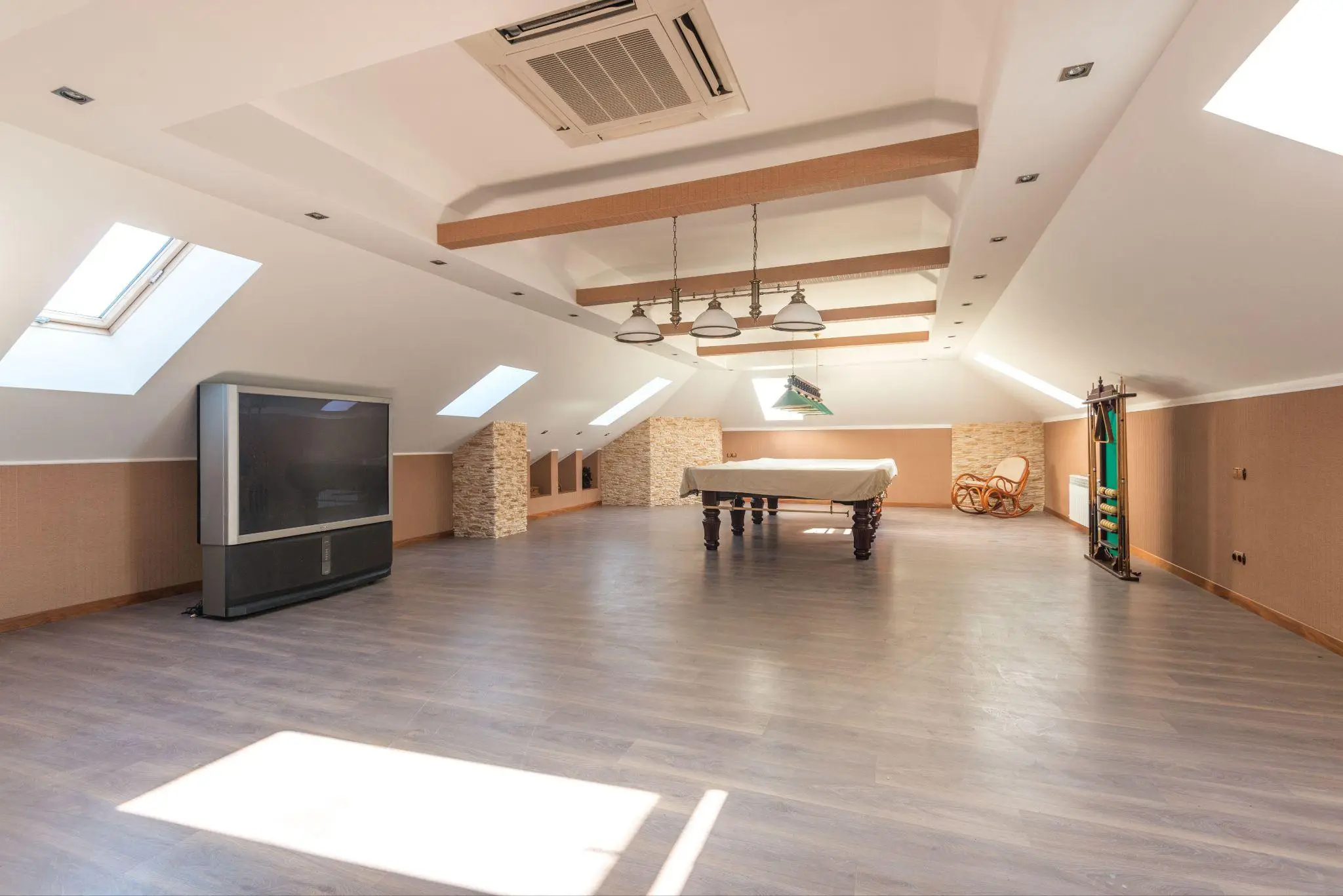
Entertainment spaces fail most often because they were not designed for the specific activity. A billiards room that does not account for cue clearance. A home theater with reflective surfaces that destroy the viewing experience. A bar area with no refrigeration or drainage.
Activity-specific design starts with dimensional requirements and works outward. A standard pool table requires a minimum of 58 inches of clearance on all sides for a standard cue. A 52-inch cue reduces that requirement, but the room still needs to be sized around the equipment, not the other way around.
Equipment selection shapes the room’s design vocabulary. Brands like Triangle Billiards offer tables with residential finish options that integrate with designed interiors rather than dominating them. When the table’s profile, cloth color, and leg detail connect to the room’s broader material palette, the equipment becomes a design element rather than an intrusion.
According to the National Association of Realtors, entertainment and recreation spaces consistently rank among the highest in owner satisfaction scores for home improvement projects. The personal use value compounds over time in ways that purely aesthetic renovations do not.
Integrating Hobby Spaces Without Sacrificing Design Quality
Hobby spaces tend to get tucked into leftover areas of the home. A corner of the basement, an unused bedroom, a section of the garage. The design quality of these spaces usually reflects their status as afterthoughts.
Dedicating real design attention to a hobby space produces better results in two ways. The space works better as a functional environment. And it signals that the activity is a legitimate part of how the household operates, not something to hide.
A well-designed studio, workshop, darkroom, or craft room shares the same design logic as any other room:
- Adequate and appropriately positioned task lighting for the specific work being done
- Storage sized and located for the actual tools and materials in use
- Surface materials selected for durability under the conditions of the activity
- Ventilation appropriate for any fumes, dust, or humidity generated by the work
- Acoustic separation if the activity produces noise that conflicts with adjacent spaces
Each of these is a functional requirement. Meeting them with the same material quality used in the rest of the home closes the gap between the hobby space and the spaces that receive more traditional design attention.
Outdoor Spaces Built Around Specific Activities
The yard is frequently designed as a generic landscape rather than an extension of how the household actually spends time outside.
A household that gardens seriously needs different infrastructure than one that primarily entertains outdoors. One that has children needs different spatial organization than one that prioritizes quiet outdoor living. Designing around the specific activity produces better outcomes than designing around a generic vision of what a yard should look like.
Hardscape should define the activity zones the same way walls define interior rooms. A dedicated cooking and dining zone with weather-resistant surfaces, adequate drainage, and electrical access for outdoor appliances performs at a completely different level than a patio slab with a portable grill.
Planting supports the activity zones rather than competing with them. Low-maintenance ground cover and structural shrubs around the perimeter keep the focus on the activity areas without demanding attention from a household that is primarily interested in using the space, not maintaining it.
The Design Principle That Ties It Together
A home designed around interests is not a themed environment. It does not announce itself. It simply works better for the people who live in it.
The consistent principle across every interest-based design decision is specificity. Generic design produces generic results. Specific design, sized for actual equipment, lit for actual use, stored for actual workflow, produces spaces that feel right in ways that are hard to articulate but immediately apparent when you are in them.