Starting out should feel exciting, not overwhelming. This guide gives you a clear path that fits Australian homes, budgets, and school schedules.
You can choose an instrument that suits your space and goals, pick a format you can attend each week, and find a teacher who is safe and supportive. The cost figures are realistic, the Australian Music Examinations Board, or AMEB, is explained in plain language, and the 90-day plan makes progress easy to see from week one.
Key Takeaways
These points matter most when you are choosing a starting path.
- Short, frequent practice works best. Plan 15 to 25 focused minutes on most days, and progress will feel smoother. A meta-analysis of 317 experiments found that spaced practice improves long-term retention more reliably than crammed sessions.
- An 88-key weighted digital piano is a practical first option. AMEB NSW confirms that candidates from P Plate through Grade 4 may present on digital pianos with 88 weighted keys, which makes apartment practice easier with headphones.
- Weekly 30-minute sessions are a common starting point. Many Australian school programs and private studios use this format. Add one short mid-week recording to keep yourself honest.
- Teacher fit matters as much as teacher skill. Check for a current Working With Children Check, ask how feedback is given, and book a trial before you commit.
- Set a full beginner budget. Private tuition in Australia commonly starts around A$35 to A$60 for 30 minutes. You also need to allow for accessories, exam fees, and instrument hire or purchase.
What a Beginner Week Actually Looks Like
Steady progress comes from one weekly session, short home practice, and simple goals.
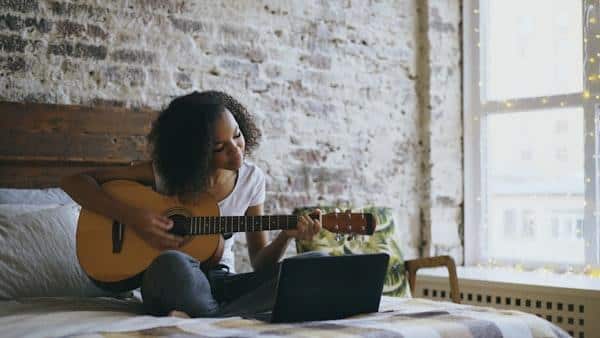
You can start with one-to-one tuition, small group classes, a school instrumental program, or live online study. Evidence for Learning Australia summarises 123 studies and rates one-to-one tuition as having a positive average impact on learning, with moderate confidence in the evidence.
In the first month, expect posture and setup basics, simple rhythms, one or two short pieces, and a small weekly target you can measure. A practical rhythm is one 30-minute session each week, plus five short home practices and one recorded check-in.
Exams are optional. AMEB describes Preliminary as the first graded piano exam, usually suited to about a year of learning, and the grade structure can still give you a useful roadmap even if you never enter. Rockschool Australia is another option if you want a more contemporary syllabus and performance-based assessment.
Use the PLAY Framework to Pick Your First Instrument
Choose the instrument that fits your goals, home, body, and budget, because fit matters more than chasing the “best” option.
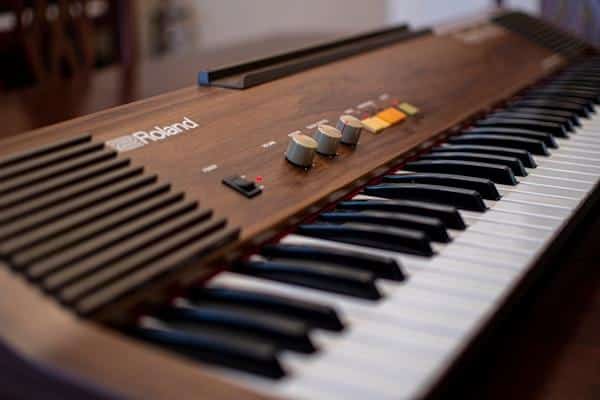
PLAY stands for Purpose, Lifestyle, Ability, and Your budget. It keeps the decision practical.
Purpose (Goals and Genres)
If you want to sing with chords or write songs, the keyboard and guitar are strong starting points. If you love melody and ensemble playing, violin is a solid choice. If rhythm pulls you in, an electronic drum kit can work well when you need volume control.
Lifestyle (Space, Neighbours, Portability)
Apartment-friendly options include a digital piano with headphones, a nylon-string guitar, a violin with a practice mute, or electronic drums. If you need to travel each week, choose a case with backpack straps and manageable weight.
Ability (Fit and Readiness)
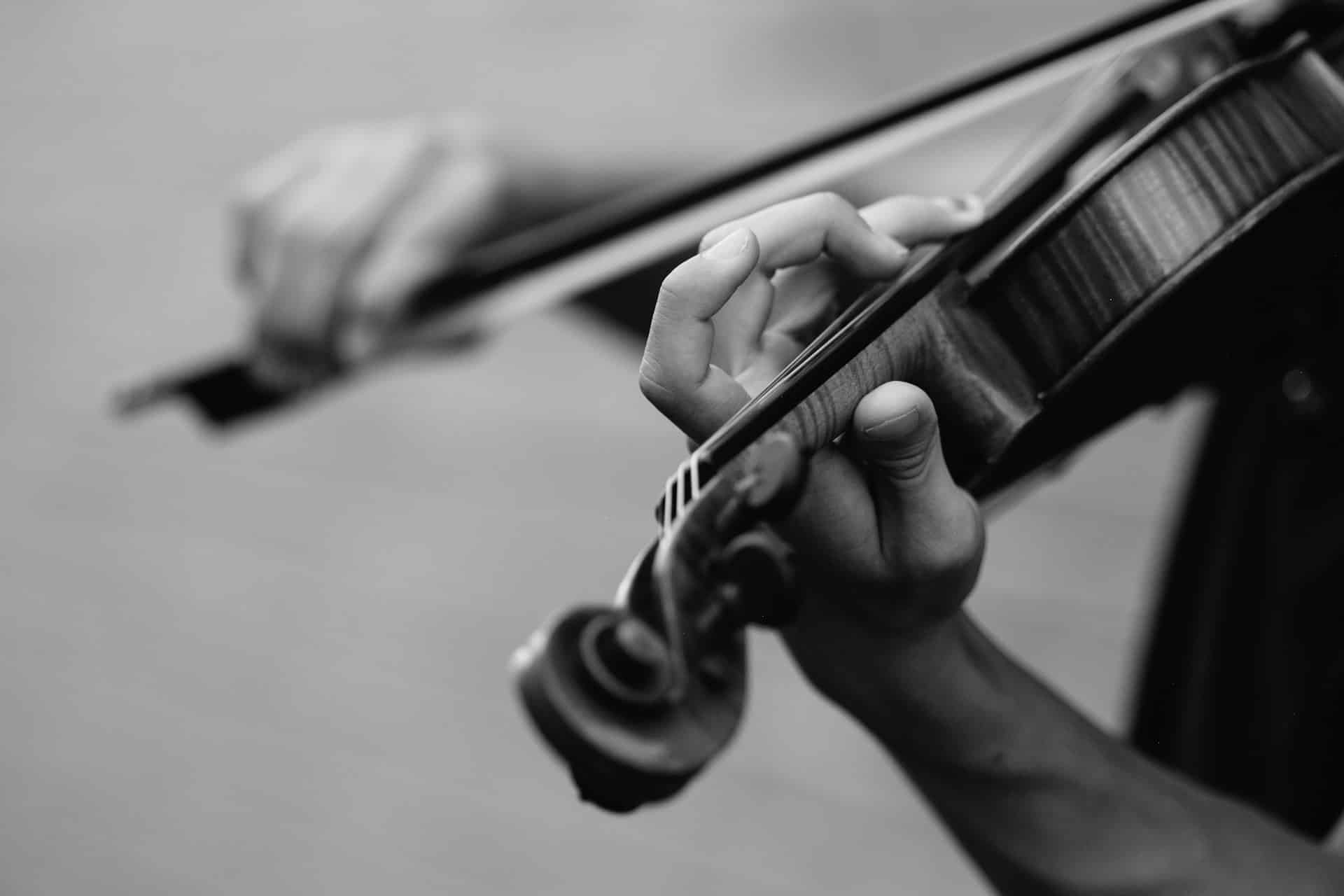
Fractional violin sizes are smaller instruments made for shorter arms and hands. Australian retailers commonly advise measuring the player’s arm from neck to the middle of the palm, then matching that measurement to a size chart. Adults can start from zero too, and they usually do better when they pick an instrument they already enjoy hearing.
Your Budget (Buy, Hire, or Borrow)
Start with the least expensive setup that still supports good technique. For the keyboard, aim for 88 weighted keys if you can. For strings, hiring first makes sense while size and commitment are still changing. Leave room for a stand, tuner or metronome app, spare strings, and a simple practice notebook.
Acoustic Vs Digital Piano
A digital piano avoids tuning costs, allows headphone practice, and often includes built-in recording. Weighted keys simply means the keys resist your fingers more like an acoustic piano. An upright acoustic gives a warmer sound and a more complex touch, but it also needs more space and tuning once or twice a year.
If you want to compare upright models before arranging delivery, checking dimensions, touch, and maintenance needs online can make the decision feel less rushed.
Where to Learn: In-Person, Online, or Hybrid
The best format is the one you can attend consistently and support with clear feedback at home.
In-person study helps when you want hands-on setup corrections, ensemble chances, and fewer tech problems. Online live study works well for regional families, busy households, and adults with tight schedules. Research shows well-designed online instruction can perform as well as in-person courses on measured outcomes.
Hybrid means mixing face-to-face and online sessions across the term. That option works well when you want flexibility without losing occasional in-room corrections. For any online setup, use a stable device, headphones, and a camera angle that shows hands, posture, or bow hold clearly.
Find and Vet a Teacher You Will Stick With
A strong first teacher makes practice feel doable, clear, and safe.
The 7-Point Checklist
- A current Working With Children Check for your state or territory.
- Clear communication and lesson notes you can actually use at home.
- A trial option and pricing that is easy to understand.
- A progress plan with milestones that make sense to you.
- Experience with your age group and chosen instrument.
- A written cancellation and make-up policy.
- A simple feedback channel for parents or adult students between sessions.
Where to Look (Local Options)
Start with your school music department, local music teachers’ associations, and studio pricing pages in your area. When you narrow the list, look for lesson notes, trial details, clear pricing, and a current Working With Children Check before booking. In Melbourne, one straightforward place to compare availability and arrange a first lesson is the best violin teacher in Melbourne.
Budget: What Beginner Families Actually Spend
It is easier to stay committed when the full cost is realistic from day one.
Private tuition at Australian studios commonly runs from A$35 to A$60 for a 30-minute session, and some metro studios charge closer to A$80. AMEB NSW 2026 keyboard fees list P Plate Piano at A$77 to A$83 and Preliminary to Grade 1 at A$119 to A$128.
For the instrument itself, hire or buy entry level first. Digital pianos remove tuning costs, and string hire is often the safest choice while size may still change. Also budget for books, replacement strings or reeds, a shoulder rest, a metronome app, recital clothing, and travel or parking.
A written budget can also show whether lessons, transport, accessories, and instrument costs still feel manageable after the first burst of enthusiasm, which helps a beginner routine stay steady across a full term.
Safety, Setup, and Sound at Home
A small, comfortable practice corner makes consistency much easier.
Set up a stable bench or chair, an adjustable music stand, soft light, and headphones for digital instruments. dB(A) is a common way to measure sound as people hear it. Australia’s model Code of Practice sets the workplace noise standard at 85 dB(A), and musical environments can reach 91 to 97 dB(A), so mutes, pads, and headphones matter.
Pick a regular practice window and treat it like a fixed appointment. Ten calm minutes at the same time each day beats waiting for a free hour that never appears.
A Simple 90-Day Starter Plan
Three short phases can build confidence quickly without overwhelming your week.
Days 1 to 7: Set up the instrument, learn posture basics, and play one tiny piece or pattern. Keep the daily routine to three minutes of warm-up, play, and record.
Weeks 2 to 6: Add one new skill each week, such as rhythm, note names, bow hold, or chord shapes. Send your teacher a 30-second progress clip in the middle of the week.
Weeks 7 to 12: Add a stretch goal, such as a first duet, simple scale pattern, or easy song you genuinely like. At the end of the block, decide whether to try a non-graded assessment or a low-pressure studio concert.
Remember this rule: four short practices across the week will do more for you than one long weekend cram.
Red Flags That Slow Beginners Down
Small problems are easier to fix early than after frustration sets in.
- Pain, strain, or numbness after practice. Stop, reduce time, and get posture checked straight away.
- No instrument access at home by the end of week one. Fix that before paying for more study.
- A teacher who cannot explain the next step in plain language or will not offer a trial.
- No notes, no recordings, and no measurable goals between sessions.
FAQs
These quick answers cover the questions most beginners ask first.
What Is the Best Age to Start?
A common starting range is 5 to 8, when a child can focus for short periods and follow simple directions. Younger children can begin with parent-supported approaches such as Suzuki. Adults can begin at any age.
Do I Need to Buy an Instrument Before I Begin?
If you are unsure, hire first, especially for violin because size can change as a child grows. For piano, an 88-key weighted digital model gives you quiet practice with headphones and supports solid early technique. If you already know you want an acoustic sound, comparing cabinet size, touch, and delivery options first can help you buy upright piano online with fewer surprises.
How Long Should I Practise as a Complete Beginner?
Aim for 15 to 25 focused minutes on most days. Stop before you are tired, and keep a simple notebook or voice memo so you can spot small wins.
Do Live Online Sessions Work for Kids?
Yes, when the sound is clear, the camera shows posture or hands, and the teacher gives simple weekly tasks. If your child needs more hands-on correction, a hybrid setup is often the best compromise.
Your Next Step
A simple setup, a trusted teacher, and a short daily routine will take you further than a perfect plan.
Start with the instrument that fits your life, not the one that looks most impressive. Make the first 90 days easy to repeat, track small progress each week, and adjust as you learn what keeps you engaged.