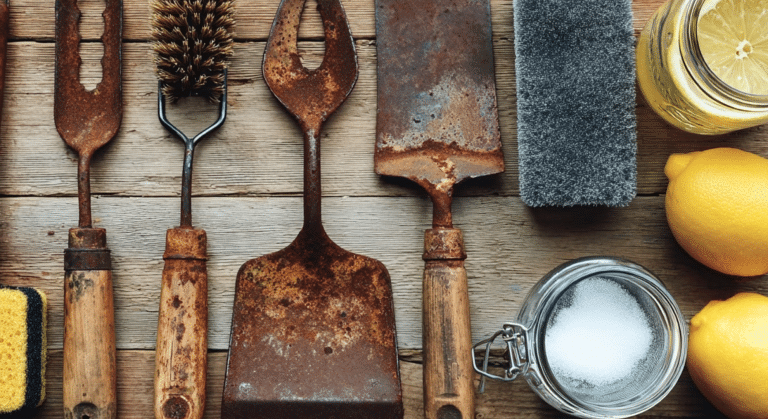
Some things don’t rust overnight. But once it starts, it doesn’t stop on its own.
I remember spotting a few rust spots on an old garden tool and wondering if I had to toss it. I didn’t. That’s when I got into making my own diy rust remover. It felt good to fix it myself with stuff I already had at home.
If you’re looking to clean up rusty tools, car parts, or even an old bike, you’re in the right spot.
This blog will show you easy ways to make your own rust remover, how it works, and when to use what.
You’ll learn what really gets the job done without fancy tools or harsh chemicals. Ready to make that rust go away for good?
Why Rust is So Common
Rust shows up more often than we all think. You leave something metal outside, it rains, and boom, rust. But why does that happen?
Rust forms when iron or steel gets wet and then touches air.
Water and oxygen mix and cause a chemical reaction called oxidation. That’s what makes metal turn orange or brown and start flaking.
Even a little moisture in the air can start it. That’s why things rust in damp places like bathrooms, garages, or sheds.
Salt speeds it up too, which is why bikes, cars, or tools near the beach or on winter roads rust faster.
Most of the time, we don’t even notice it until it’s too late. Rust can slowly eat away at stuff and make it weak or break. So it helps to understand where it comes from before trying to clean it. Knowing this makes it easier to stop it early or prevent it.
DIY Rust Remover Methods You Can Make at Home
You don’t need fancy products to clean off rust.
These diy rust remover methods use things you probably already have in your kitchen or garage. Some work fast, others take a little longer, but they all work if you use them the right way:
1. Vinegar Rust Removal
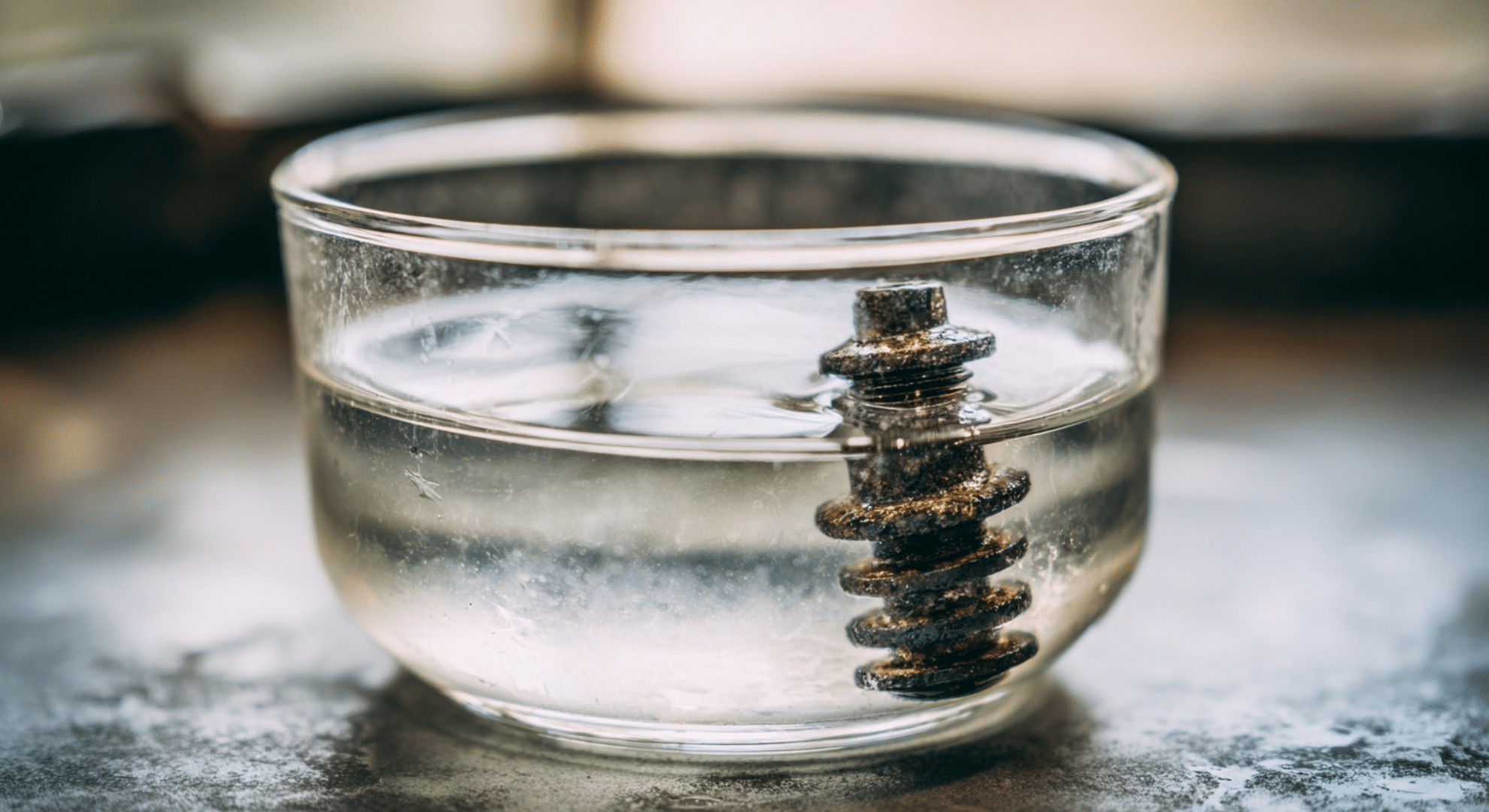
Vinegar breaks down rust because it has acid in it. It works best on small to medium rusty areas like tools or bolts. Just soak the rusty item in white vinegar for a few hours. Check it after 3–6 hours.
Once the rust looks soft, scrub it off with a brush. Don’t soak it too long or the metal underneath might get damaged. After scrubbing, rinse it well and dry it fast to stop new rust from forming.
2. Baking Soda Paste for Light Rust
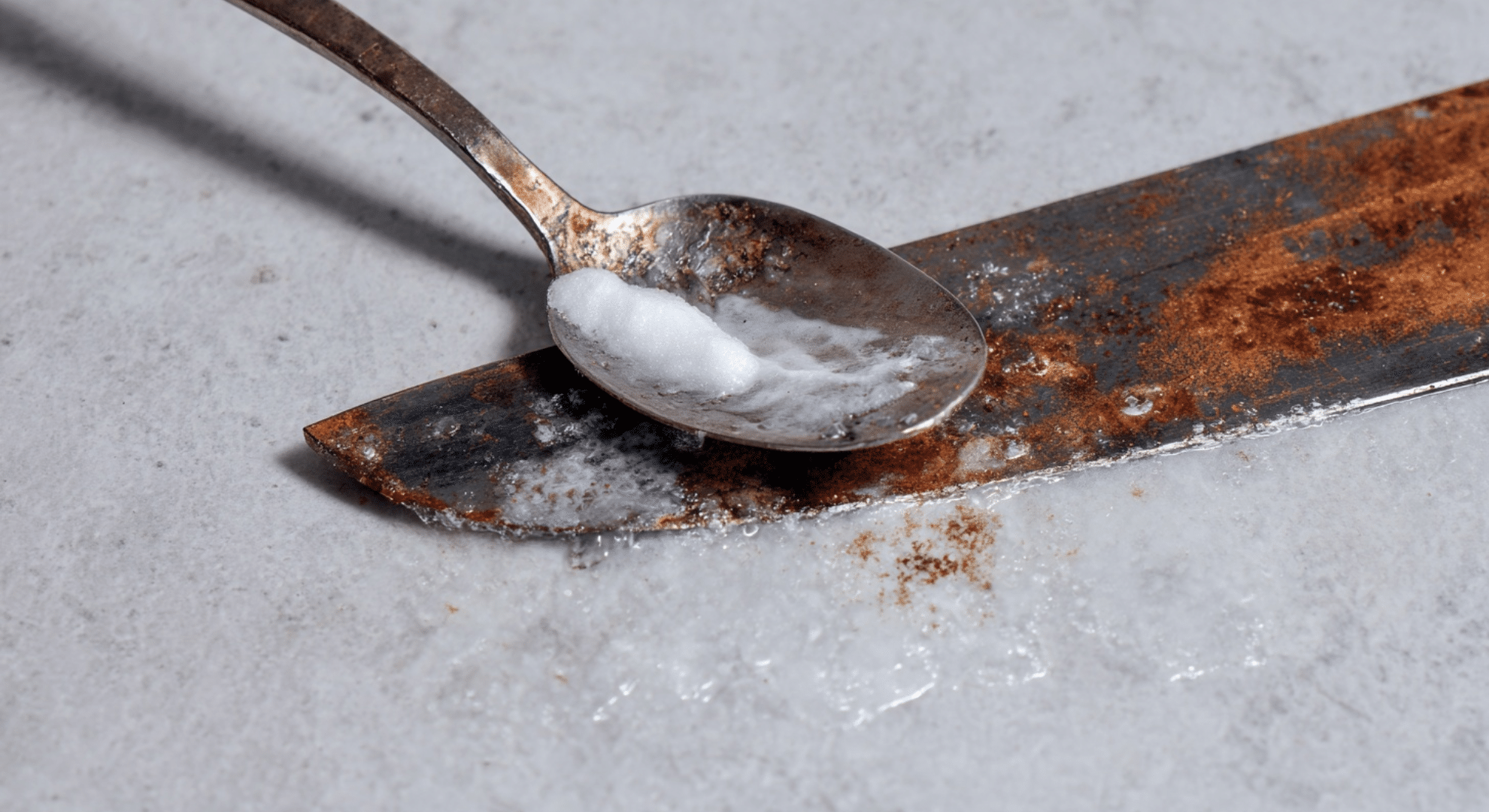
Baking soda works on light rust, especially when you don’t want to soak the item. Mix baking soda with water to make a paste. Spread it over the rust and wait for an hour. Then scrub with a toothbrush or rough sponge.
It’s great for things like knives or chrome. But if the rust is thick or deep, this method may not work. It’s best for surface spots that haven’t spread too far.
3. Lemon Juice and Salt Method
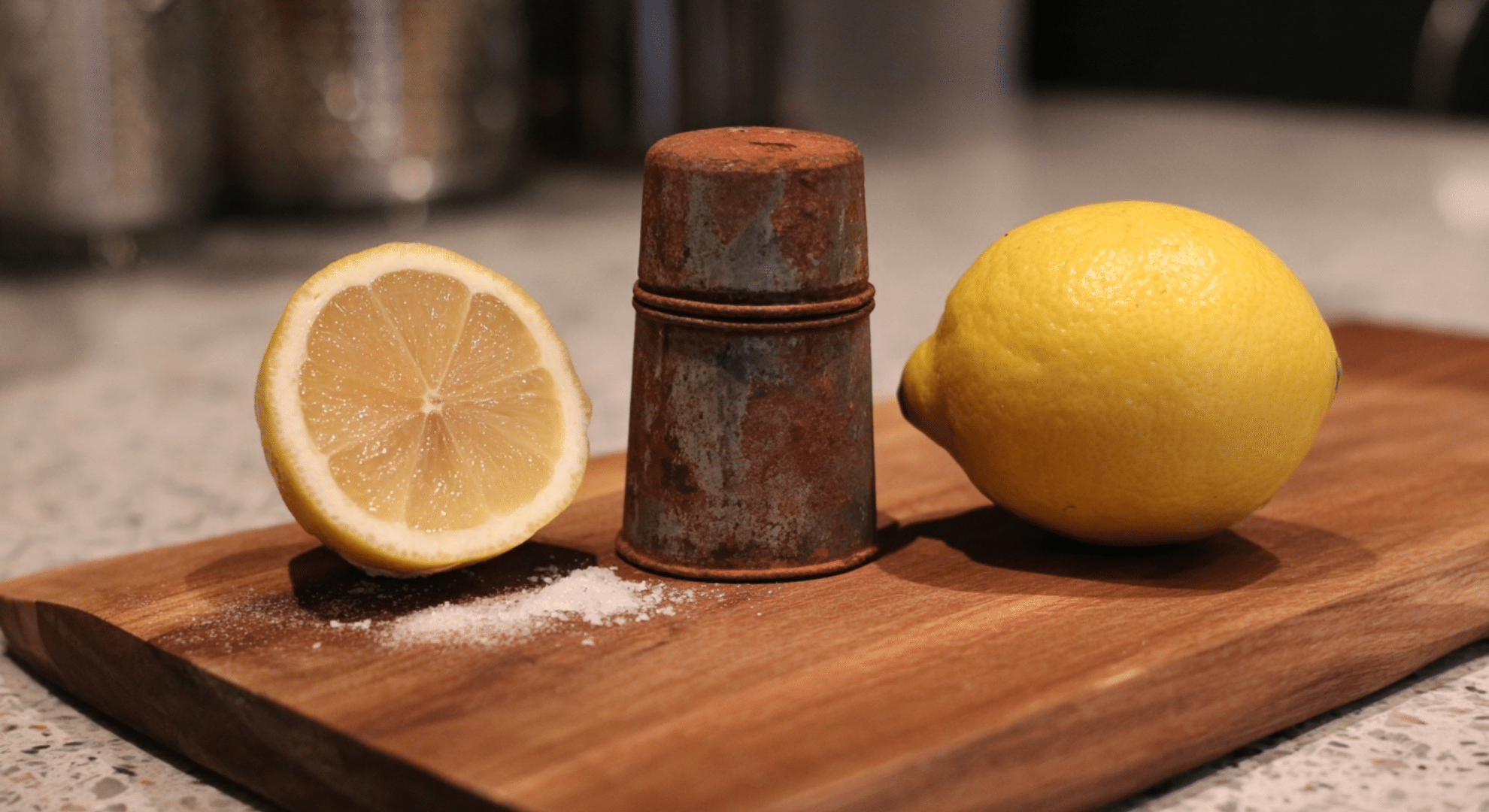
The acid in lemon juice and the roughness of salt make a solid team. This method works well on small household items like door hinges or silverware. Sprinkle salt on the rust, then squeeze lemon juice over it. Wait 2–3 hours.
The acid loosens the rust while the salt adds scrubbing power. Use a scrub pad to clean it off. Wipe it dry right away. If any rust remains, repeat the process once more.
4. Citric Acid Rust Remover (Stronger DIY Option)

Citric acid works better than vinegar for heavy rust. You can find it in powdered form, usually where baking supplies are sold. Mix a tablespoon with hot water in a bowl. Drop the rusty item in and wait overnight.
It works great on nuts, bolts, and small metal tools. Just don’t use it on aluminum or painted surfaces, it can strip paint. Always wear gloves, and rinse the item well when you’re done. Dry it fast to stop more rust.
5. Coca-Cola and Phosphoric Acid
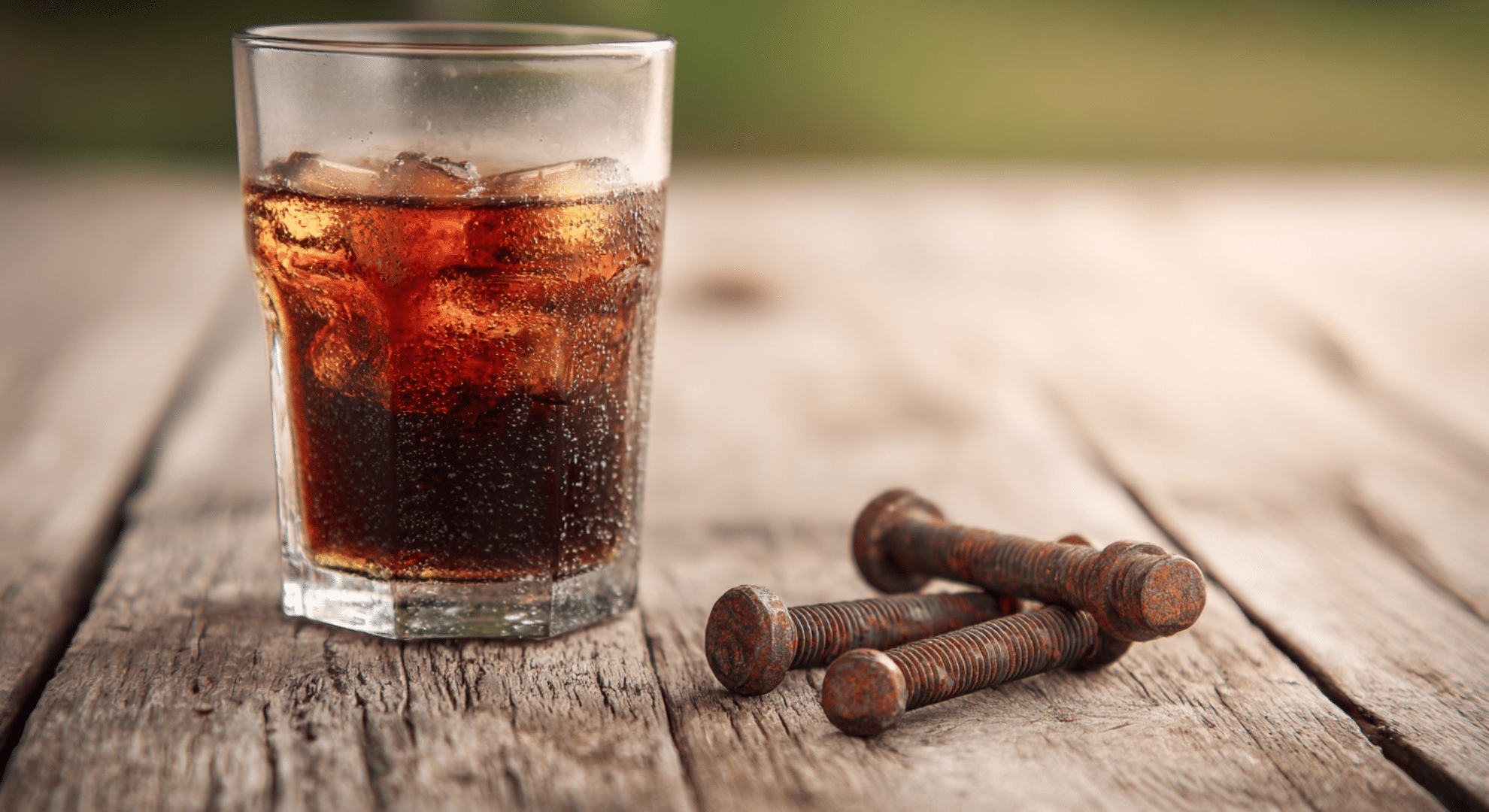
Coca-Cola contains phosphoric acid, which can break down rust. It’s a fun trick but not the most powerful method. Soak small items like bolts or coins in Coke for a few hours. Scrub off the rust and rinse.
It works best when the rust isn’t too thick. The downside? It’s sticky. You’ll need to clean it off well after soaking. And it doesn’t work on bigger items or serious rust patches.
6. Potato Rust Removal
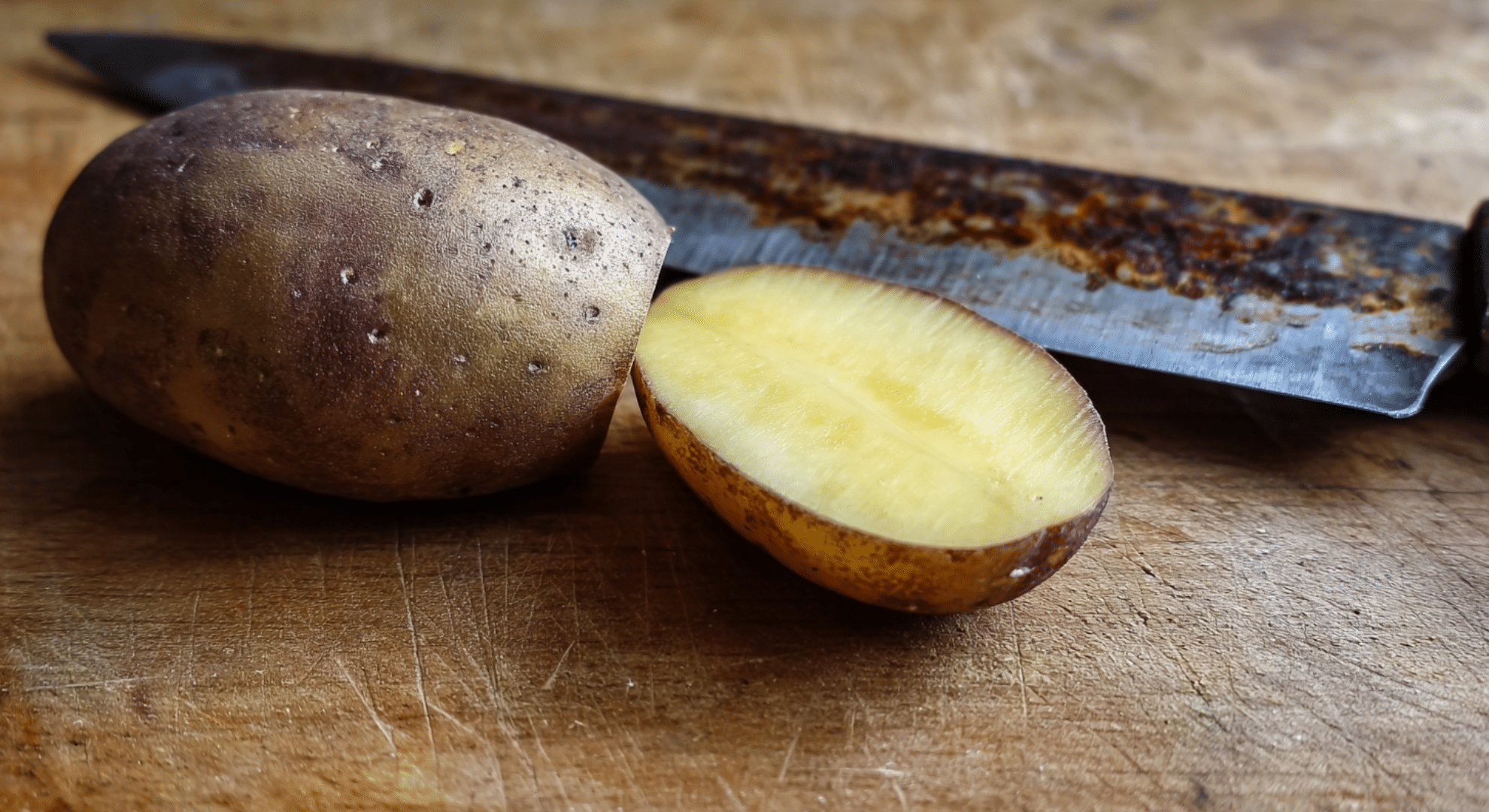
Yes, potatoes can clean rust. The inside has acid that reacts with rust. Cut a potato in half, sprinkle baking soda or dish soap on the cut side, and rub it on the rust. It’s helpful for small kitchen tools or knives.
But don’t expect it to clean off deep or heavy rust. It’s a fun, light-duty fix, more for soft rust than serious repair. Still, it’s a safe and easy place to start.
How to Choose the Right Rust Removal Method
Not every rust spot needs the same fix. Some need a light touch. Others need something stronger. Picking the right method can save you time and help you keep the item in good shape.
The best way to choose is by looking at how bad the rust is, what the item is made of, and how much time you have.
This quick table helps you decide what to use based on your needs:
| Rust Level or Need | Best Method | Type of Work | Speed | Notes |
|---|---|---|---|---|
| Light surface rust | Baking soda paste | Scrubbing | Medium | Great for chrome and kitchen tools |
| Medium rust (tools, bolts) | Vinegar soak | Soaking + scrubbing | Slow | Soak for hours; don’t overdo it |
| Heavy rust (garage tools, parts) | Citric acid soak | Soaking + light scrubbing | Slow | Strong but still home-safe |
| Gentle option for small rust | Potato with dish soap/baking soda | Light rubbing | Slow | Best for soft rust on small items |
| Fast DIY trick (light rust) | Coca-Cola | Soaking + scrubbing | Medium | Messy but fun, clean well after |
| Small rust spots (flat items) | Lemon juice + salt | Waiting + scrubbing | Medium | Easy to repeat if needed |
Think about how rusty the item is and how patient you want to be. Some methods need time to soak. Others need more elbow grease. Choose what fits your goal and your gear.
Removing Rust Without Heavy Scrubbing
If you don’t want to scrub hard, you’re not alone. Some rust remover methods work mostly by soaking, not scrubbing. These are great for people who don’t want to use a lot of force or just can’t.
Soaking methods like vinegar, citric acid, and Coca-Cola all let the acid do the work. You just drop the rusty item into the liquid and wait.
Vinegar and citric acid usually take 6 to 12 hours. For really rusty stuff, overnight works better. Coke may need a full day and doesn’t go as deep.
But “no scrubbing” doesn’t mean zero effort. After soaking, you’ll still need to gently wipe or brush off the loosened rust. The good news is, it comes off much easier.
This is a solid option for nuts, bolts, tools, and other small metal parts. Just remember to rinse and dry fast to stop new rust from starting.
DIY Rust Removers vs. Store-Bought Products
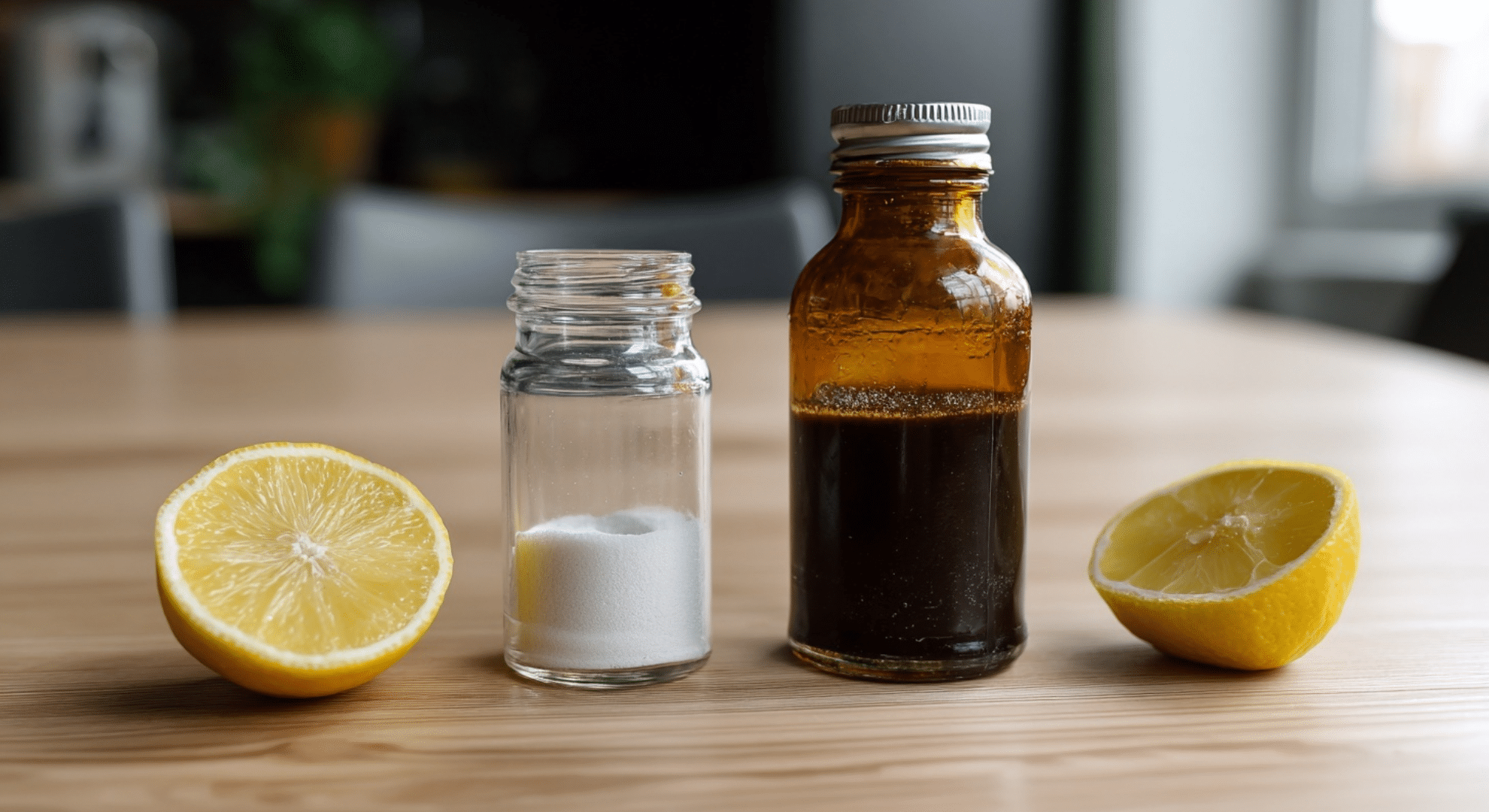
Making your own rust remover is cheap and works well for many common problems.
Most homemade options use things you already have like vinegar, baking soda, or lemon juice. That means your cost is close to zero.
Store-bought rust removers can be faster and stronger. They’re made to work quickly, especially on thick or stubborn rust. Some also protect the metal afterward, which DIY options don’t always do.
But these products cost more, and some contain strong chemicals that need gloves or good airflow.
If you’re cleaning one rusty tool or a small item, go with DIY. If you’ve got a whole set of tools, a car part, or something with deep rust, store-bought might save time.
So, it depends on the job. For light rust and simple tasks, homemade works fine. For big jobs or things that must be perfect, buying a product can be worth it.
How to Stop Rust From Coming Back
Cleaning rust is only half the job. Keeping it from coming back is just as important. A few simple habits can make a big difference in keeping your tools and metal items rust-free.
- Dry items completely after cleaning or using them
- Don’t leave tools outside or in damp places
- Wipe down metal parts after use, especially if wet
- Use a light coat of oil (like WD-40 or mineral oil) on tools
- Store metal items in a dry, cool place
- Put silica gel packs in toolboxes or drawers to soak up moisture
- Hang tools instead of keeping them on damp floors
- Use covers or cases for long-term storage
Taking a little time to care for your metal stuff keeps rust from ruining it again. These easy steps help your things last longer and stay in better shape.
Conclusion
Fixing rust doesn’t have to cost a lot or be hard.
I’ve used simple things like vinegar, lemon juice, and baking soda to clean up metal that looked too far gone. Making a diy rust remover at home gave me more control and saved money.
Now you know which method fits your job best: light rust, deep rust, fast fixes, or gentle ones. You’ve got clear steps, safety notes, and even tips to keep rust away for good.
Keep your tools and gear clean, dry, and stored the right way. That alone makes a big difference.
Want more smart, easy fixes for everyday problems? Check out other blogs on the website for more helpful how-tos you can use!