Rocklin summers are long, dry, and unforgiving on natural grass. By late July, most front lawns have gone patchy and brown, which does little for a home’s first impression from the street.
That’s where artificial turf changes the equation. Unlike natural grass, artificial grass holds its color and texture through triple-digit heat, water restrictions, and long stretches without rain. For homeowners in a drought-prone region like Rocklin, that year-round green lawn isn’t just a visual upgrade; it’s a practical one.
Curb appeal is largely about consistency. A front yard that looks tidy in March and equally sharp in September signals care and attention, which matters whether someone is walking past or driving by. Artificial turf delivers that consistency without the irrigation bills, the reseeding, or the weekend mowing that natural grass demands. The low-maintenance element is part of what makes it work so well aesthetically: there’s no seasonal stress, no bare patches, and no yellowing edges. Combined with water conservation benefits that align with local drought-tolerant landscaping priorities, it’s a straightforward win for Rocklin homes.
Why Turf Works So Well for Rocklin Homes
Rocklin’s climate creates a specific problem for homeowners who care about how their property looks from the street. Natural grass simply wasn’t designed to hold up through months of heat and minimal rainfall, and the visual result reflects that. Artificial turf, on the other hand, is built for exactly these conditions.
It creates a consistently neat, green front yard regardless of how long the dry season runs. There’s no patchiness from heat stress, no browning from water restrictions, and no recovery period after a heat wave. The lawn looks the same in October as it does in April, which is something natural grass in this region rarely manages.
Beyond appearance, the low-maintenance and water conservation advantages reinforce the visual ones. A drought-tolerant landscaping choice that also happens to look better year-round is a practical fit for Rocklin homes in a way that goes well beyond aesthetics.
The Curb Appeal Upgrades Buyers Notice First
When someone approaches a home for the first time, the front yard sets the tone before anything else. Artificial turf contributes to that first impression in ways that are both immediate and lasting. Homeowners who weigh the benefits of artificial turf installation against other front yard upgrades for curb appeal often find that turf delivers a stronger visual return with less ongoing effort than most alternatives.
Cleaner Lines and a More Finished Entry
From the street, the first thing anyone notices about a front yard is whether it looks intentional. Synthetic turf contributes to that impression in a way natural grass rarely sustains, because its uniform color and consistent texture read as deliberate rather than maintained by luck.
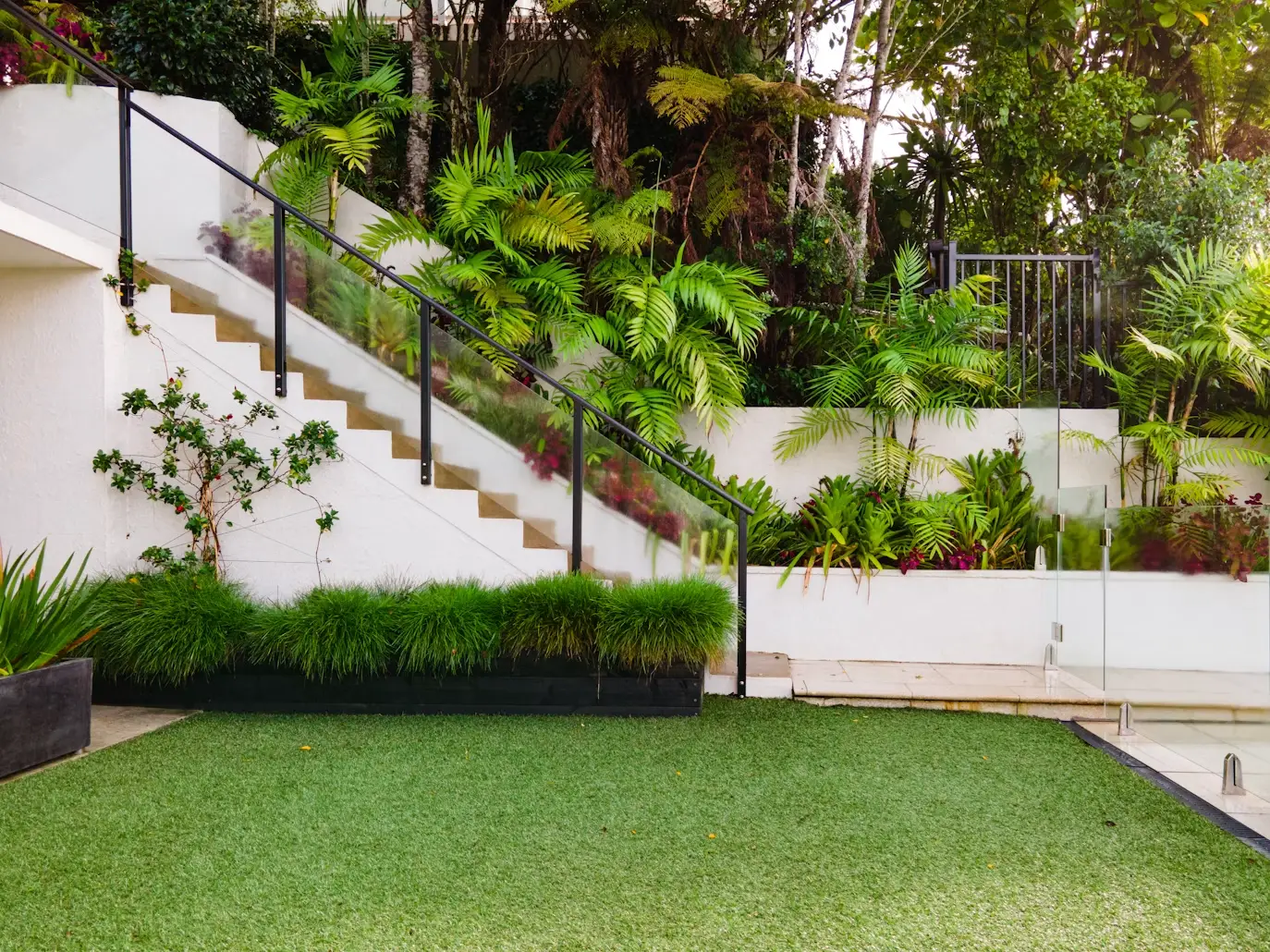
Defined edging is where this effect becomes most visible. Clean transitions between turf and hardscape, walkways, or flower beds give front yard landscaping a finished quality that draws the eye in the right direction. Bare patches, uneven growth, and faded edges are common problems with natural grass, and all of them signal neglect even when the homeowner has put in real effort.
Artificial grass eliminates those inconsistencies. The border stays sharp, the surface stays even, and the overall look holds throughout the year.
A Lawn That Stays Consistent Through Every Season
Year-round curb appeal depends on what a lawn looks like in August just as much as in April. Natural grass tends to peak in spring and fade through the dry months, which means the impression a home makes shifts with the season.
UV-resistant fibers are what make synthetic turf perform differently. They hold color under direct sun without bleaching or dulling, so the lawn that looks sharp in spring still looks sharp when the heat peaks. That visual reliability is one of the benefits of artificial turf installation that extends well beyond water savings.
For landscape design that needs to perform at a glance in every season, that consistency matters. A year-round green lawn reads as well-managed regardless of when someone sees it.
Why Rocklin’s Climate Makes Turf Appealing
Rocklin sits in a region where summer temperatures regularly climb past 100°F and rainfall drops off sharply from late spring through early fall. That combination puts natural grass under serious strain, driving up irrigation demands and leaving lawns visibly stressed during the months when curb appeal matters most.
Artificial turf responds directly to those conditions. Because it requires no watering to maintain its appearance, it aligns naturally with water conservation priorities that Rocklin homeowners are already navigating. Water conservation research has linked synthetic turf to meaningful reductions in outdoor water use, which is particularly relevant in drought-prone regions like this one.
That practical fit is what separates turf from a purely aesthetic choice. In a climate where drought-tolerant landscaping isn’t a preference but a practical necessity, a year-round green lawn that holds its appearance without irrigation starts to look less like a trend and more like a sensible response to local conditions. There’s no reseeding after a dry stretch, no recovery period after a heat wave, and no seasonal cycle of browning and regrowth. The lawn simply stays consistent, which is exactly what Rocklin’s climate makes difficult to achieve any other way.
What Installation Details Affect the Final Look
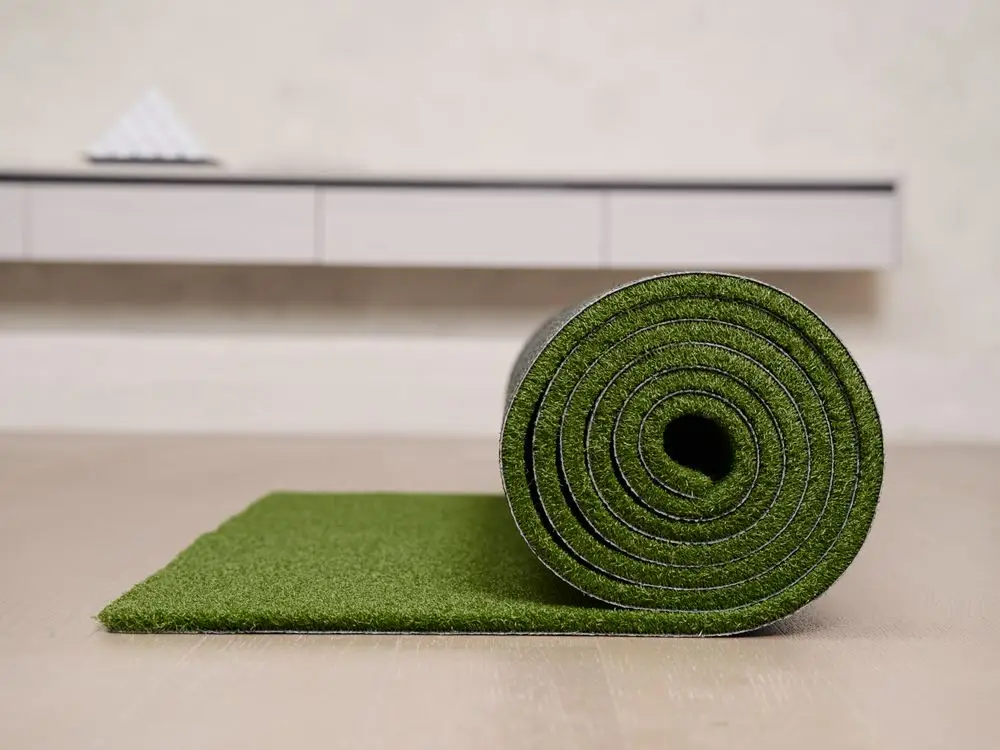
Curb appeal doesn’t come from the turf product alone. How the installation is carried out has just as much influence on the finished result, and understanding the key factors helps homeowners ask better questions before hiring.
Base Prep and Drainage Come First
A turf product can look great in a showroom and still underperform in a front yard. That gap almost always comes down to what happens beneath the surface before a single roll of artificial grass is laid.
Base preparation sets the foundation for everything visible. A properly graded, compacted sub-base prevents the uneven spots and soft areas that cause artificial turf to ripple or sag over time. Without it, even premium synthetic turf will look inconsistent within a season or two.
Drainage is equally tied to the final appearance. Poor drainage leads to puddling and surface compression, both of which affect how the lawn looks and wears. A well-designed drainage layer keeps the surface level, clean, and structurally sound through Rocklin’s dry summers and occasional heavy rain.
Infill and Fiber Quality Shape the Surface
Once the base is set, infill and fiber selection determine how natural the finished lawn actually looks. Infill stabilizes the fibers and gives the surface its texture, affecting both visual softness and how well the lawn bounces back from foot traffic.
UV-resistant fibers are what prevent the surface from dulling or discoloring under sustained sun exposure, which matters considerably in a high-heat region. Reviewing the full pros and cons of artificial turf helps homeowners match those material choices to their specific conditions. For a low-maintenance lawn that holds its appearance year-round, these installation details are what separate a polished result from one that merely looks adequate.
How Turf Pairs with Other Front Yard Features
Artificial turf rarely works in isolation. The front yards that read as most polished from the street are typically the ones where turf is one element in a considered composition, not the whole answer.
Hardscaping plays a significant role in this. Pavers, concrete borders, and decorative rock all create visual contrast that makes a turf section feel intentional rather than simply substituted for something else. That contrast is what gives front yard landscaping its structure and keeps the overall design from feeling flat.
Edging is where this comes together most clearly. A clean, defined edge between artificial turf and adjacent materials anchors the lawn visually and reinforces the finished quality that drives curb appeal. Planting beds add a further dimension, since the combination of greenery, texture, and hardscape within a single landscape design creates the kind of layered composition that stands out on a residential street.
Does Artificial Turf Help Home Value?
Artificial turf doesn’t directly guarantee a higher sale price, but it can support home value in indirect ways that matter to buyers before they ever walk through the front door.
Improved curb appeal is the primary mechanism. A well-maintained, year-round green lawn signals upkeep and attention, two things buyers factor into their first impression. Low-maintenance front yard landscaping also removes a concern some buyers carry: the ongoing cost and effort of keeping natural grass presentable.
That said, resale impact isn’t uniform. Buyer preferences vary, and how well artificial grass fits the neighborhood aesthetic shapes whether it reads as an upgrade or simply a difference. Installation quality matters equally, since a poorly finished surface can undercut the impression a pristine lawn is meant to create.
Final Thoughts on Year-Round Curb Appeal
For Rocklin homeowners, artificial turf offers something natural grass consistently struggles to deliver: a low-maintenance front yard that stays visually sharp regardless of the season.
The strongest curb appeal results come when quality installation meets thoughtful front yard design. Turf alone doesn’t complete the picture, but paired with clean edging, hardscaping, and considered planting, it creates the kind of year-round green lawn that holds up in every season.
Whether it’s the right fit depends on the property, the neighborhood, and how much consistency matters to the homeowner.