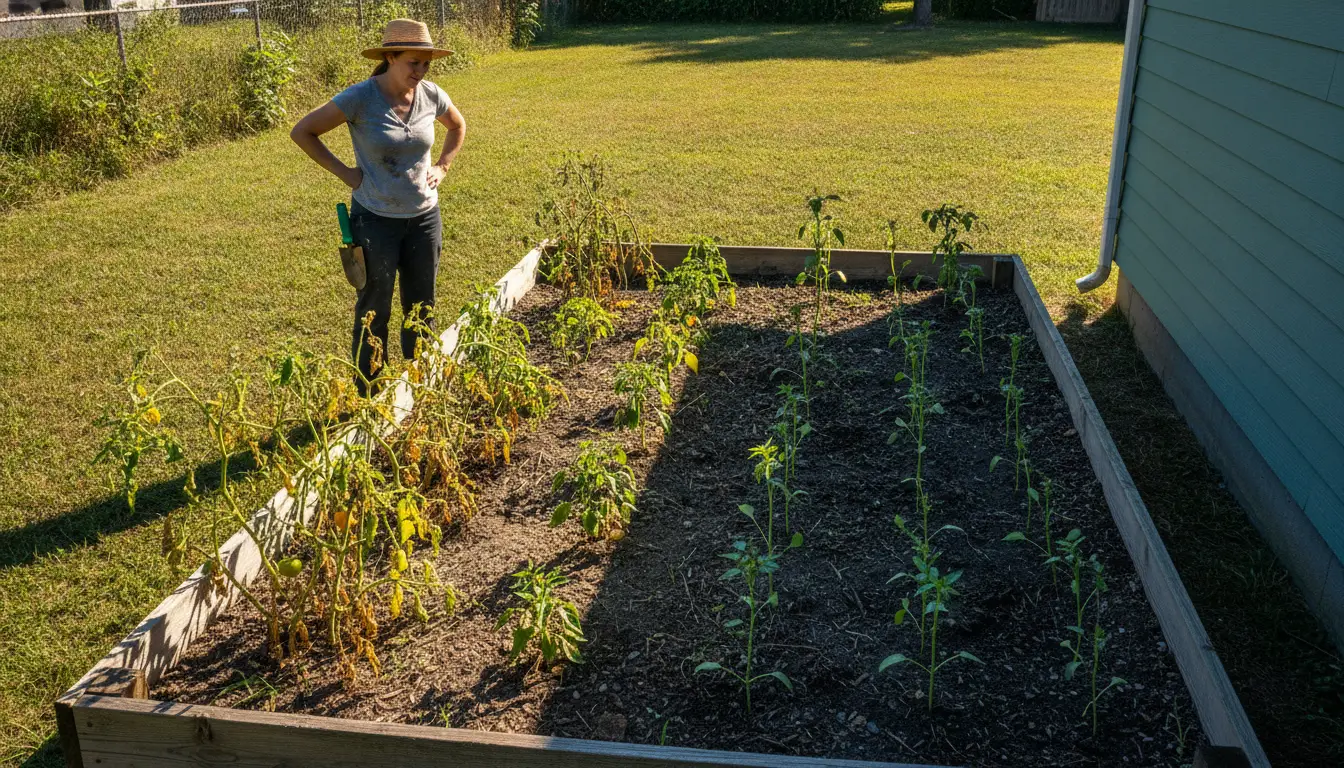
The first real garden I put in was a disaster, and I mean that almost fondly now. I’d spent a whole Saturday hauling soil, picked out plants I was excited about, and shoved them into the only patch of yard that was already cleared. By July half of it was scorched and the other half never saw enough sun to do anything. The tomatoes leaned over the peppers like they were trying to apologize.
The plants weren’t the problem. The plan was. Or rather, there wasn’t one.
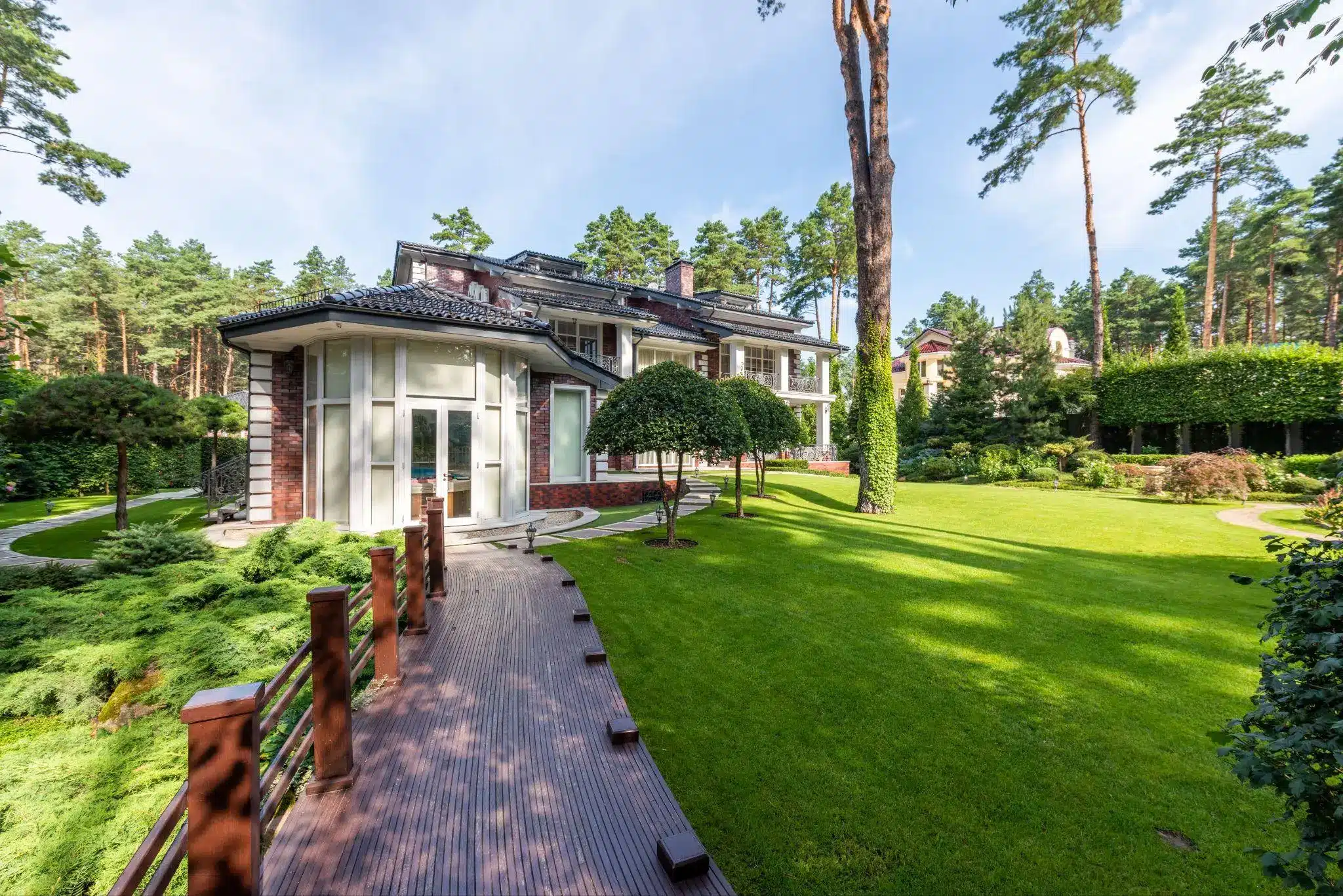
I’ve gotten a lot more patient since then, and the biggest shift wasn’t learning more about plants — it was learning to sketch the whole thing out before touching the ground. Not in a fussy, blueprint-y way. Just enough to see how the garden and the house actually talk to each other. These days, before I commit to anything, I’ll rough out the layout of the house and yard together. There are easy ways to do this now; I’ve used floor plan AI to turn a quick description of the space into a clean top-down view, which sounds more technical than it is. You type what you’ve got, you get something to look at, and suddenly the obvious mistakes stop being invisible.
The Door Thing Nobody Mentions
Here’s something I never thought about until it annoyed me for two years straight: which door you walk out of changes everything.
In that first house, the only way to the backyard was through the laundry room. So every tomato I picked came inside past a heap of damp towels. It worked. It also meant I avoided the garden more than I’d admit. When the path from your kitchen to your beds is short and obvious, you tend things constantly without noticing. When it’s a hassle, you don’t. That’s most of gardening right there, honestly — just whether the space makes it easy to show up.
So before I worry about what to plant, I think about the route. Where do I actually carry things? Which window do I look out of while I’m doing dishes? Can I see the beds from there? You’d be surprised how much a garden improves when you can keep half an eye on it from the sink.
Watch the Light. Seriously, Just Watch It.
This is the boring advice that matters most, and it’s the one I ignored.
You can’t argue with sun. A gorgeous bed in the wrong spot will sulk all season no matter how much you love it. So before anything goes in, spend a few days just paying attention. Where does the morning light land? Where’s the shade by noon? Which corner is still warm in the evening when you might actually want to sit out there?
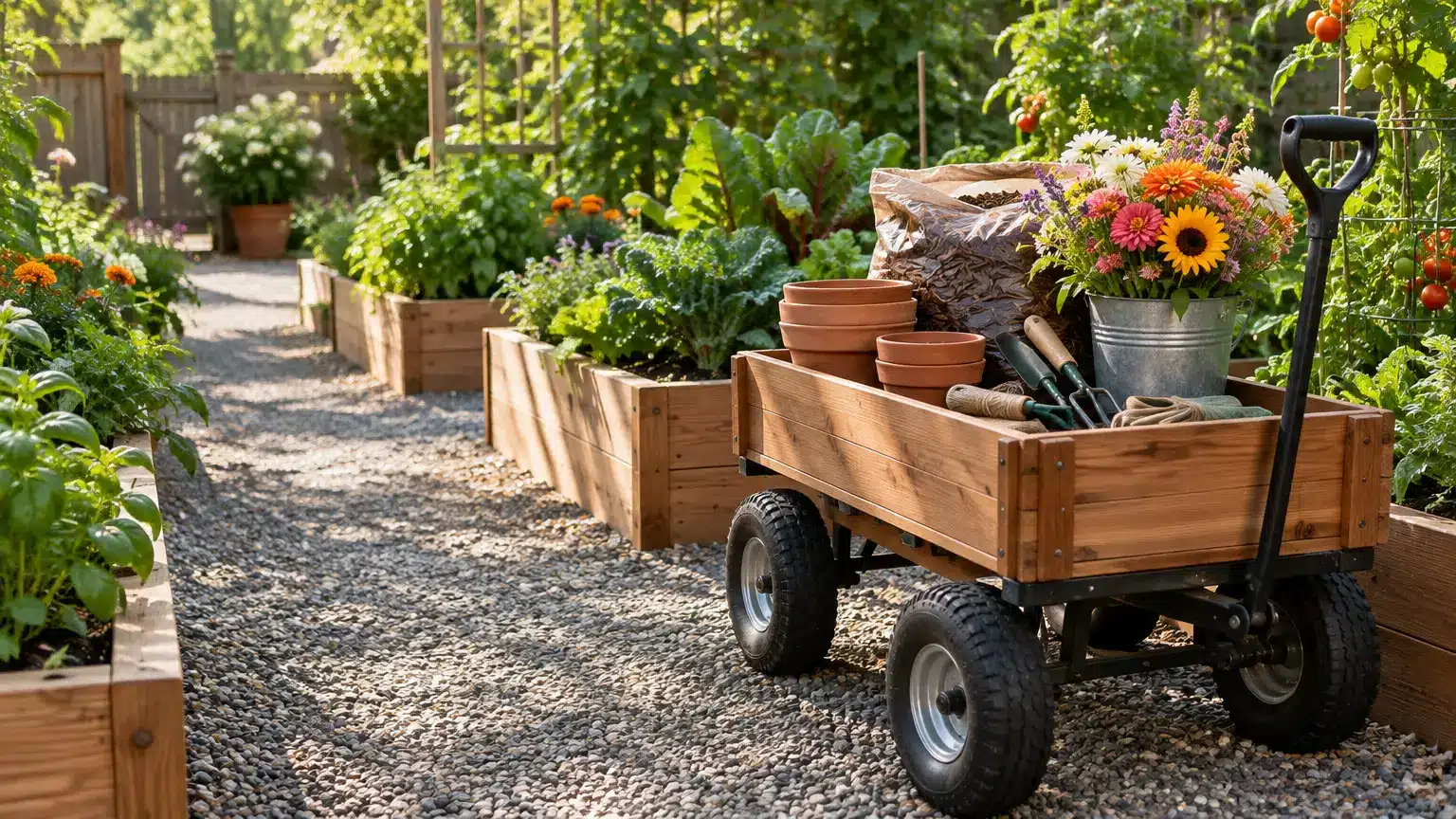
Put the hungry stuff — tomatoes, peppers, basil, the things that want six-plus hours — where the light is generous. Save the shady pockets for a bench, or ferns, or whatever doesn’t mind. I wish someone had grabbed me by the shoulders and said this before I dug a single hole.
Try the Layout a Few Times Before You Believe It
The thing I like most about sketching it digitally is that being wrong costs nothing.
I can move a bed, slide the patio over, push the herb spiral closer to the back door, and look at three or four versions side by side in the time it’d take to dig one. Some arrangements look fine in your head and obviously cramped on a plan. Better to find that out before the pavers are down. I usually let a couple of versions sit for a few days and see which one still feels right once the novelty wears off. That’s almost always the one.
Let the Plants Do the Walls
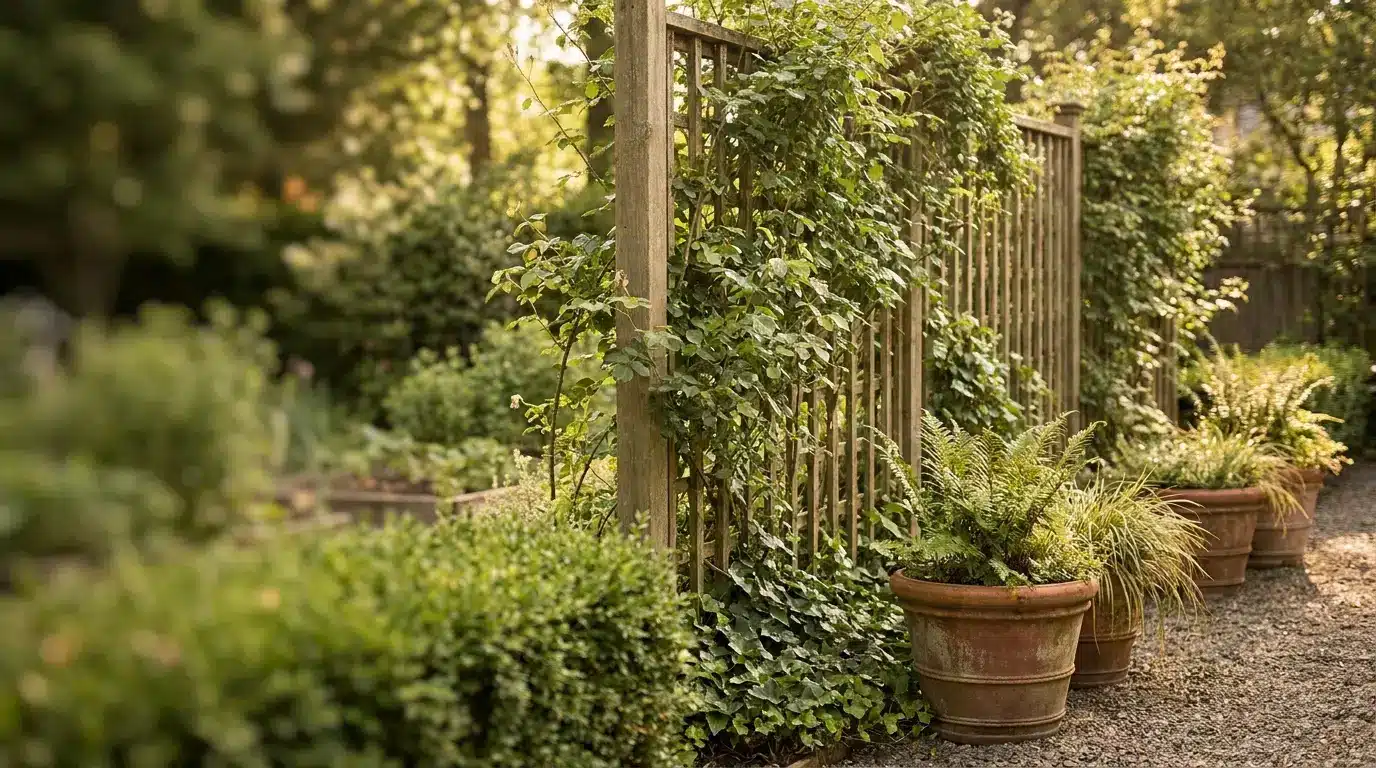
You don’t need fences to make a yard feel like it has rooms.
A few tall planters, something climbing a trellis, a border of flowers along a path — that’s enough to carve an open yard into little spaces that each feel like they’re for something. A reading corner here. A growing patch there. Evergreens keep it from looking bare in winter; the seasonal stuff keeps it changing. It’s softer and cheaper than building anything, and it forgives you when you change your mind.
Leave Yourself Some Room to Mess Around
A garden is never done, and I’ve made my peace with that.
Plants grow into their space. Plans shift. The corner you swore was for herbs becomes the spot you sit instead. So I don’t assign every square foot a job on day one anymore. I leave a patch undefined — for next year’s experiment, or whatever I haven’t thought of yet. The gardens I’ve loved most were never finished. They just kept turning into something.
And if you’re bringing in help — a landscaper, a builder, your opinionated brother-in-law — having an actual plan to show them beats waving at the yard and describing a vibe. It’s a lot easier for someone to tweak a real layout than to read your mind.
Anyway. If I could go back and hand my younger, dirt-covered self one piece of advice, it wouldn’t be about plants at all. It’d be: figure out how you’ll move through the space first. Walk the path before it exists. Watch the sun before you trust it. The garden gets a lot easier once it’s planned around the life you’re actually living in it — not the one you imagined on a hopeful Saturday with a shovel and no plan.