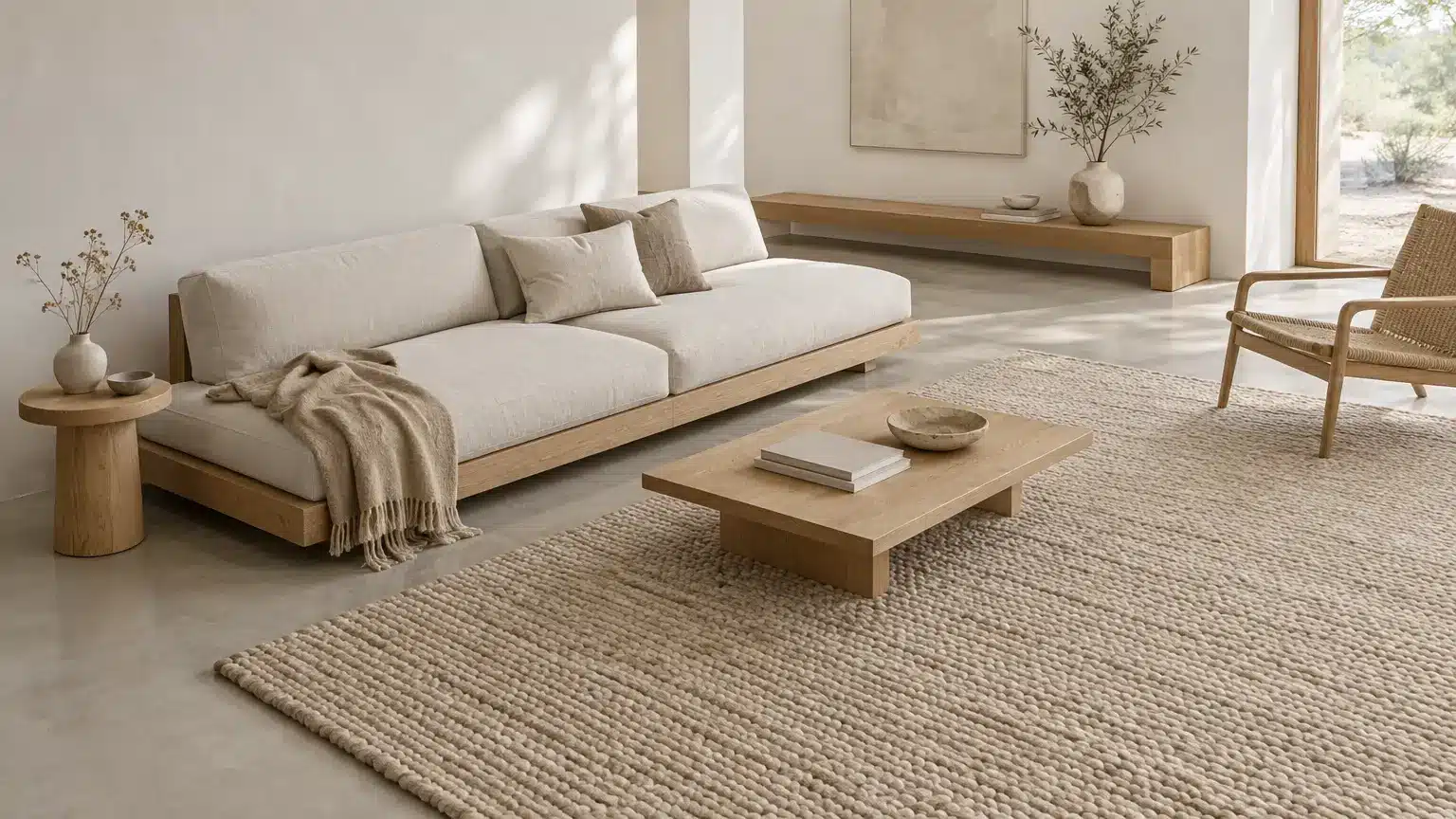
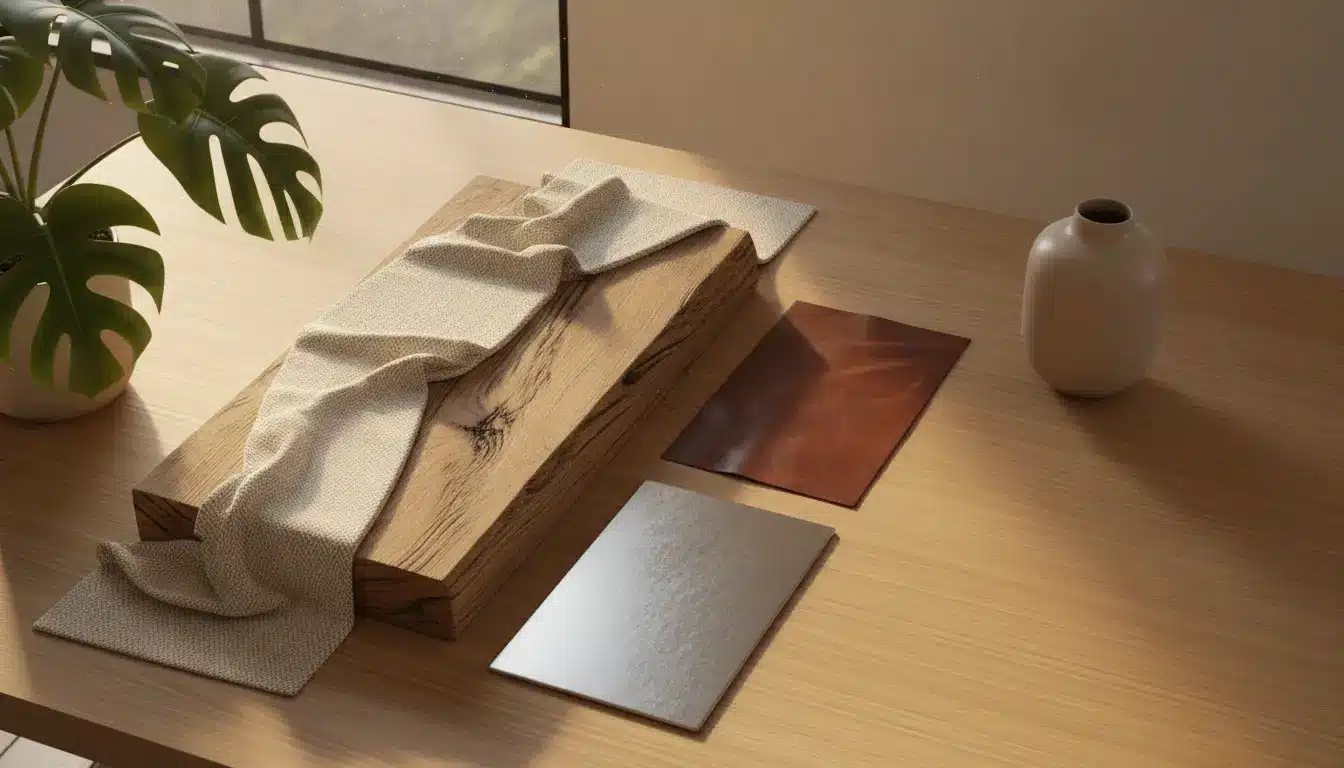
Everyday use shapes how furniture holds up, so material choice really matters. A couch, table, or shelf must stand up to constant contact while still looking good. Picking strong fabrics or solid wood pays off later through longer service life. What goes into making a chair or cabinet influences comfort just as much as it does resilience. Well-built items tend to stay useful far beyond their first few years. Long-term value grows when materials resist wear instead of giving in too soon.
Material Quality Matters
Most times, cheap wood warps when seasons shift. Good frames resist wobbling even after months of sitting. Picture morning coffee spills near the couch – some fabrics soak them up fast; others hold out longer. Think twice before choosing shiny finishes – they show scratches easier than matte ones. Heavy kids running through hallways test sturdiness more than quiet reading corners do. Years pass differently on surfaces touched every day versus those left alone.
Material choices shape more than just how long something lasts. Furniture look, upkeep needs, and touch depend on what it’s built from. Out of solid wood, a table gains warmth in texture along with steady function. Meanwhile, cushioned pieces rely on covers and insides tough enough to hold up when sat on day after day, yet still stay soft.
Selecting Long Lasting Wood Types
From sturdy oaks to rich walnuts, hardwoods stand strong through seasons of daily life. Furniture shaped from these trees holds up when others wear thin. A fresh coat of finish breathes new life into worn surfaces. Maple brings quiet grain patterns that age like stories told slow. What once scratched or faded finds a second wind with care. Natural toughness pairs with a timeless look. Each piece grows more familiar, never losing its place.
Wood type shapes how well furniture holds up. Though built-up boards may weaken over time, solid timber often lasts longer. When production standards stay high, man-made panels perform decently too. Look at how the piece comes together, not just what it’s made of, if long-term use matters. The making behind it counts as much as the stuff.
Selecting Durable Upholstery Fabrics
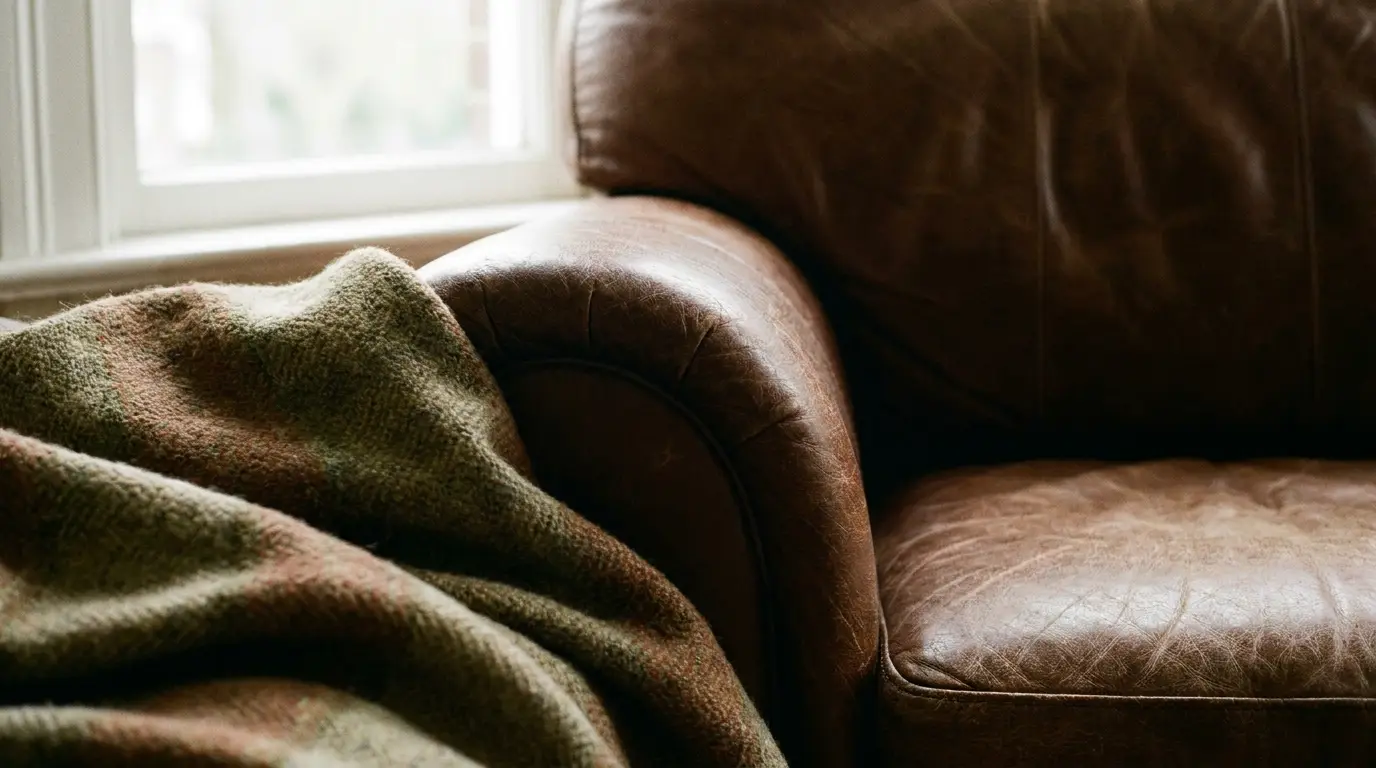
Most people pick tough covers when buying padded seating. Leather stands up well over time, especially if wiped down now then. Woven cloth holds shape better than looser weaves under constant pressure. Some synthetic blends fight stains without looking artificial at first glance. How much traffic a space gets changes what works best in that spot. Heavy activity areas lean toward smoother surfaces that hide wear longer. A bedroom chair might need less grit than one by the front door.
Inside, padded seats hide more than just softness. Sturdy skeletons underneath hold everything together over time. Good stuffing keeps things firm instead of flat after years go by. Comfort stays steady when parts work as they should. Looking past fabric shows what really lasts beneath the surface.
Thinking About Metal and Other Materials
Steel or aluminum shows up in chairs, shelves, maybe a shelf bracket – tough stuff, doesn’t need much looking after. A frame made of metal holds weight without fuss, fits clean lines inside current living spaces. Strength comes through in simple forms, cold to touch but warm in function. Some pick it just to avoid warping, scratching, and constant care. Looks sharp even when years pass, edges stay true.
Take glass, stone, or top-grade composites – they show up in strong furniture builds too. When looks matter just as much as use, these fit right into tabletops or trim details. For example, a dresser with a sturdy frame and durable surface material can provide practical storage while maintaining its visual appeal.
Choosing Materials Based on How You Live
Every home has its own rhythm. Materials must keep up with how people live inside it. When kids run through rooms or dogs jump on couches, wipeable surfaces make sense – scratch-resistant finishes handle chaos without showing wear. For those drawn to rich grain patterns or soft fabric under fingertips, solid wood or woven textiles bring quiet elegance. Choices become clearer once routines take center stage in decisions. Picking pieces blindly often leads to mismatched results later.
Where a room sits matters when picking what something is made of. If pieces face wetness, sunbeams hitting all day, or get bumped often, they might need tougher stuff to last. Picking wisely based on surroundings keeps things working well and looking good over time.
Maintaining Furniture for Long Term Use
Start by knowing how each material reacts to daily wear. A soft cloth beats harsh scrubbing when keeping surfaces fresh. Wood likes gentle wipes but hates soaking wet mops. Fabric chairs need spot checks, maybe an occasional vacuum. Leather stays strong if you feed it conditioner now and then. Metal parts? Dry them fast after dusting – moisture brings rust. Buying smart means learning what upkeep hides behind the showroom shine.
Think about how much work it takes to keep furniture clean before picking a material. Just because something looks good does not mean it works well for your routine. Picking pieces that match how you live makes coming home feel easier.
Start strong with wood if you want pieces that age well. Yet fabric matters just as much when spills happen daily. Think twice before picking glass for homes full of quick movements. Metal frames hold up, especially where kids rush through rooms. A smooth finish might look sharp at first but shows every mark over time. What feels cozy now could wear thin by next season. Heavy use means choosing textures that hide wear without effort. Some finishes invite fingerprints while others brush it off. Light colors brighten spaces yet demand more upkeep than darker tones. Pick upholstery based on real life, not showroom dreams. Solid builds cost more upfront though they rarely need replacing. Surface toughness often beats trendy styles in the long run. How a material ages tells more than its price tag ever will.