A well-maintained home not only looks better but also feels more comfortable and retains its value over time. While many homeowners focus on major renovations, regular updates and maintenance can keep every room looking fresh without the expense of a complete remodel. Here’s a practical room-by-room guide to help you determine when different areas of your home may need attention.
Living Room: Every 5–7 Years
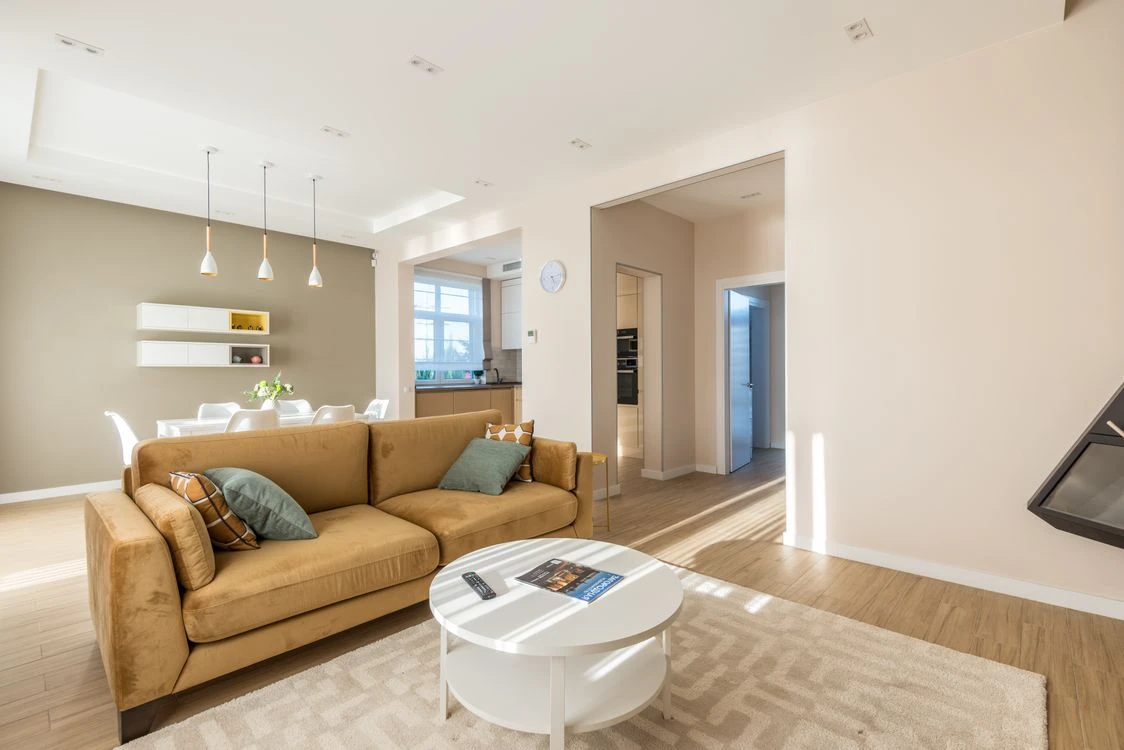
The living room is one of the most frequently used spaces in the home. Daily activities, sunlight exposure, pets, and children can gradually wear down walls, furniture, and flooring.
Consider refreshing your living room by:
- Repainting walls when colors begin to fade or show visible marks.
- Updating throw pillows, rugs, or curtains every few years.
- Deep cleaning upholstery and carpets annually.
If you’re unsure about repainting schedules, this guide on how often interior walls should be painted can help you determine the right timeline based on room usage and wear.
Kitchen: Every 3–5 Years
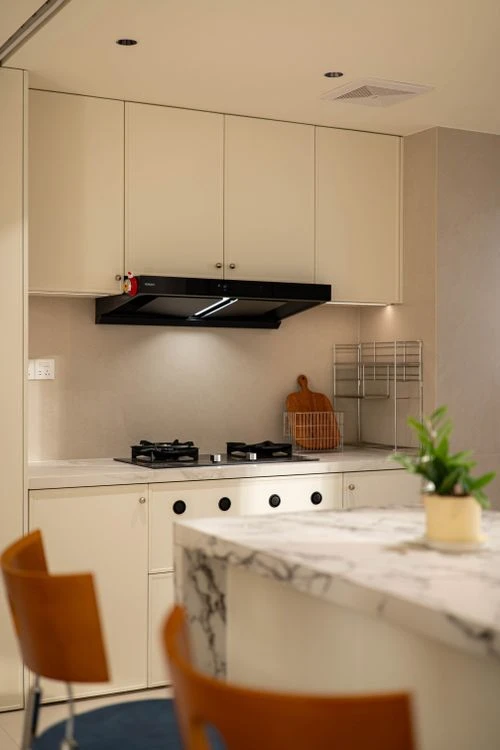
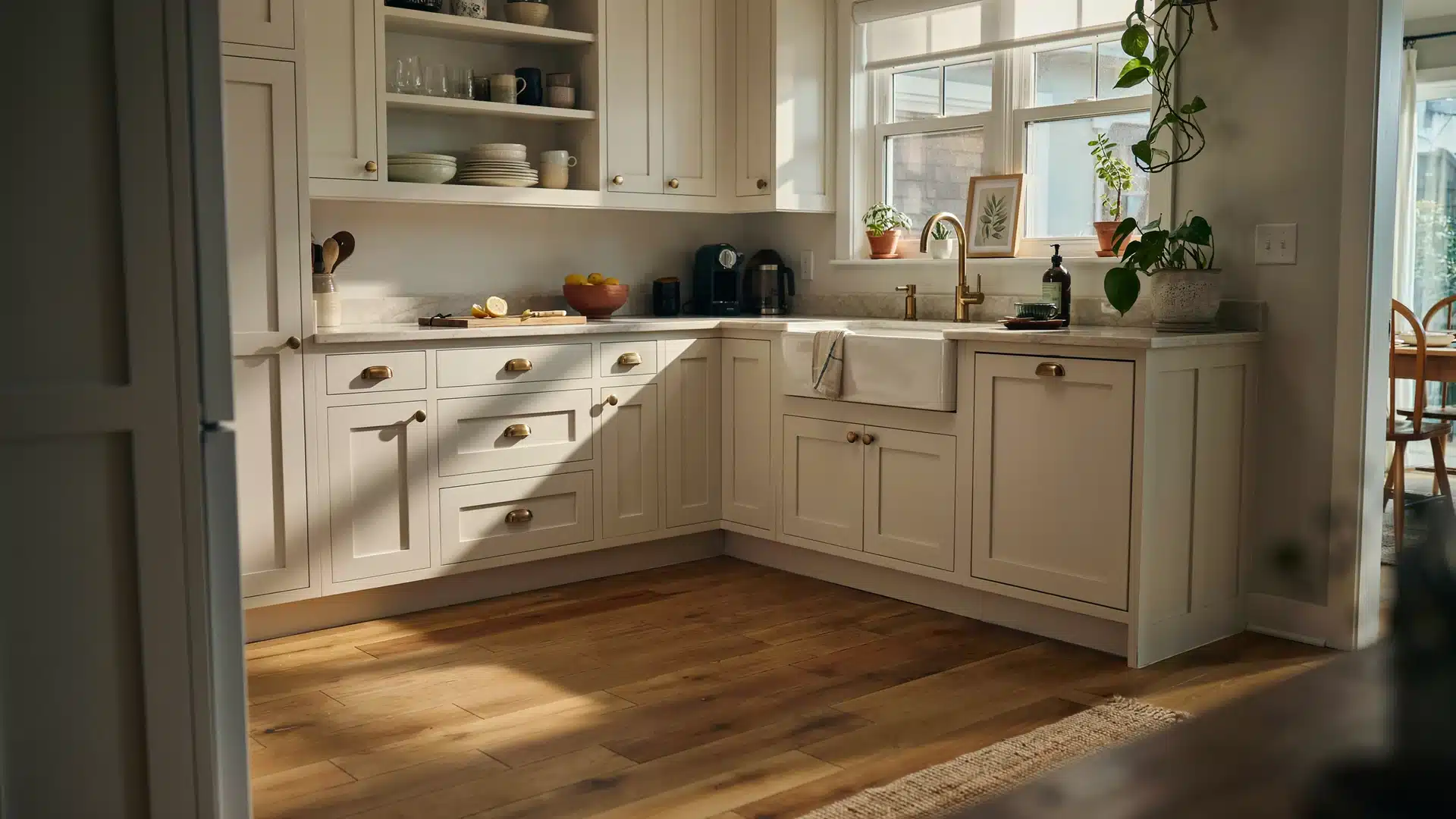
Kitchens experience constant traffic, moisture, cooking residue, and temperature changes. These factors can cause surfaces to age more quickly than other rooms.
Maintenance tips include:
- Touching up or repainting walls as grease and stains accumulate.
- Updating cabinet hardware for an inexpensive visual upgrade.
- Replacing worn caulk around sinks and backsplashes when needed.
- Deep cleaning appliances and cabinets regularly.
Small updates can make a kitchen feel significantly newer without a complete renovation.
Bedrooms: Every 5–8 Years

Bedrooms generally experience less wear than common living spaces, making them one of the easiest rooms to maintain.
To keep bedrooms feeling fresh:
- Repaint walls when colors begin to feel dated or signs of wear appear.
- Replace bedding and decorative accents seasonally.
- Rotate mattresses and clean under furniture regularly.
Guest bedrooms may require less frequent updates, while children’s rooms often need more attention due to changing needs and heavier use.
Bathrooms: Every 3–5 Years
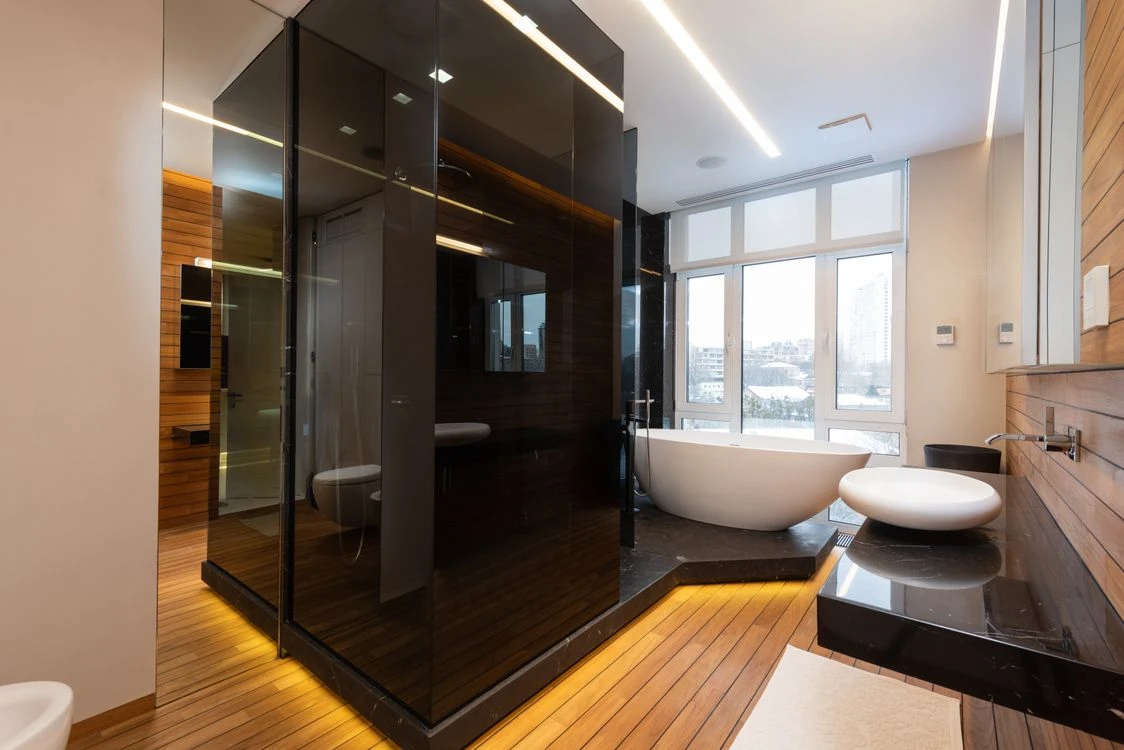
Bathrooms are constantly exposed to moisture, which can accelerate wear on paint, caulk, and fixtures.
Key maintenance tasks include:
- Inspecting for mold or mildew regularly.
- Replacing cracked caulk and grout.
- Refreshing paint when peeling, discoloration, or moisture damage appears.
- Updating mirrors, lighting, or fixtures for an easy modern look.
Even minor improvements can dramatically improve the appearance of a bathroom.
Hallways and Entryways: Every 2–4 Years
Hallways and entryways often receive the most foot traffic in the home. Scuffed walls, fingerprints, and general wear tend to accumulate quickly.
Recommended maintenance:
- Clean walls and trim regularly.
- Repaint high-traffic areas more frequently than other rooms.
- Replace worn floor mats and runners.
- Update lighting to improve both appearance and functionality.
Because these spaces create first impressions, keeping them fresh can make a noticeable difference throughout the home.
Home Office: Every 5–7 Years
As more people work remotely, home offices have become an essential part of daily life. A clean and organized workspace can support productivity and comfort.
Consider:
- Refreshing wall colors when the space begins to feel uninspiring.
- Upgrading storage solutions as needs change.
- Replacing outdated office furniture when necessary.
- Improving lighting for better functionality.
Simple updates can help create a more enjoyable working environment.
A Consistent Maintenance Schedule Pays Off
Keeping a home fresh doesn’t require constant remodeling. Instead, focus on small, strategic updates based on the specific needs of each room. Regular maintenance helps preserve your home’s appearance, improves comfort, and can even increase long-term property value.
By paying attention to wear and addressing issues early, homeowners can enjoy a cleaner, more attractive living space year after year.