Independent property managers have always faced a difficult balancing act. On one side, there’s the pressure to keep tenants satisfied, maintain properties, and stay financially organized. On the other, there’s the endless administrative work that fills every day with emails, maintenance requests, inspections, lease paperwork, payment tracking, and scheduling headaches.
For years, larger property management firms held a major advantage because they had the staff and infrastructure to handle these responsibilities at scale. Independent landlords and smaller operators often had to manage everything themselves or hire extra help that cut into profits.
That gap is getting smaller.
Automation tools are helping independent property managers compete more effectively without building large teams. From AI-assisted maintenance coordination to digital leasing systems, technology is reducing repetitive tasks while improving response times and tenant experiences.
According to the Property Management Industry Trends Report 2025 by Buildium, 81% of property managers reported greater reliance on automation software for operational workflows. The same report found that automated rent collection reduced administrative workload while also lowering late payment frequency.
For independent operators trying to grow without becoming overwhelmed, that matters.
Why Traditional Property Management Creates Bottlenecks
Managing rental properties manually often works at small scale — until it doesn’t.
A landlord with two or three units might handle calls, paperwork, inspections, and payments personally. But as portfolios grow, operational complexity grows with them. Even adding a handful of properties can create dozens of recurring responsibilities every month.
Some of the most common pain points include:
- Chasing down late rent payments
- Coordinating maintenance vendors
- Managing tenant communication
- Scheduling inspections
- Handling lease renewals
- Processing applications and screenings
- Organizing financial records
- Responding to after-hours issues
These tasks consume time that could otherwise go toward business growth, tenant retention, or property improvements.
Manual systems also create inconsistency. Important emails get missed. Maintenance requests slip through the cracks. Paper documents become difficult to track. Tenant frustration builds when communication slows down.
This is where automation tools are changing day-to-day operations.
Automated Leasing Is Reducing Administrative Work
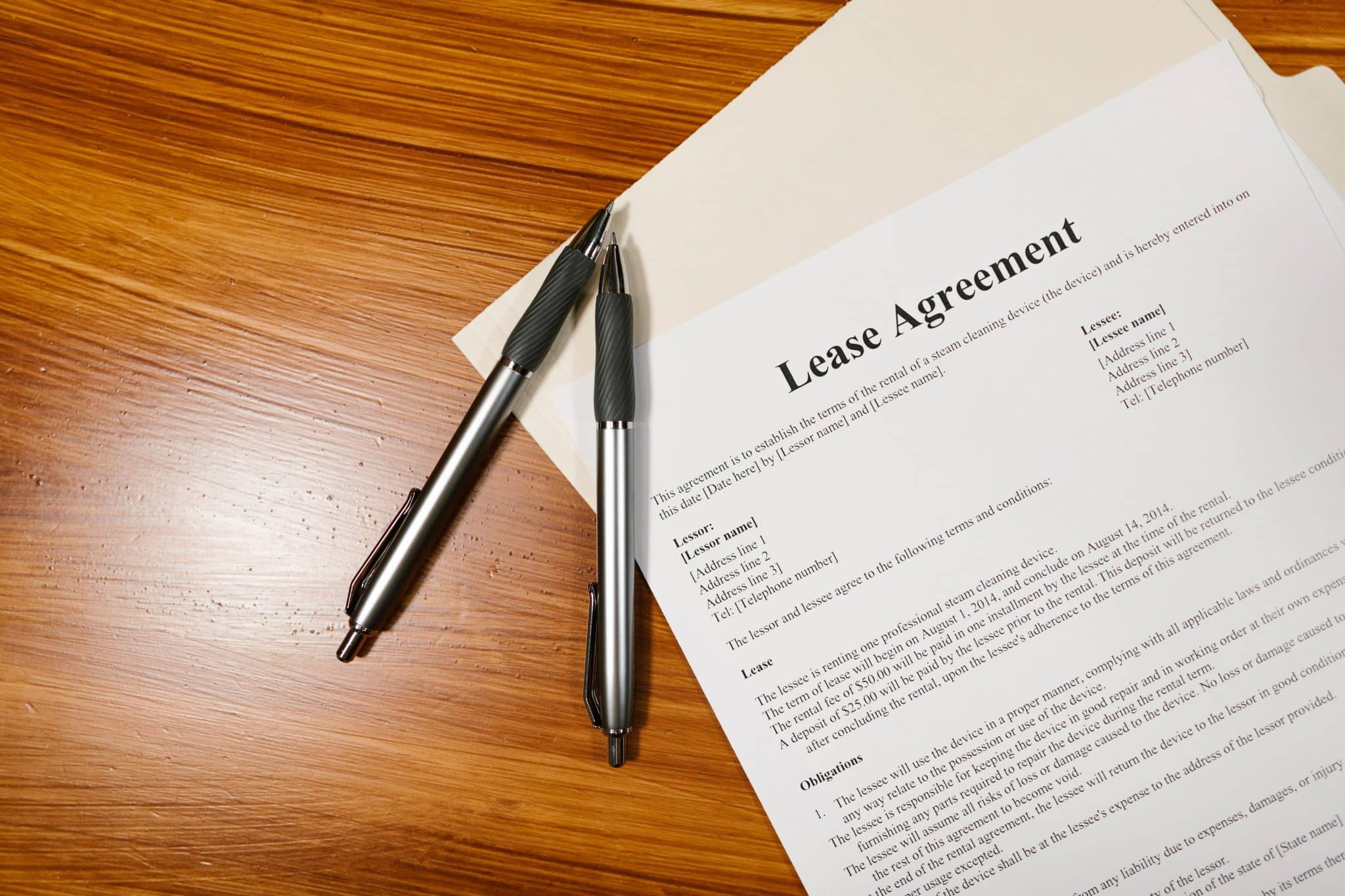
Leasing used to require a mountain of paperwork and back-and-forth communication. Applications, background checks, lease agreements, payment collection, and scheduling often involved several disconnected systems.
Today, automated leasing platforms simplify much of that process.
Digital application systems allow prospective tenants to apply online, upload documents, and complete screenings without requiring manual coordination from landlords. Electronic lease signing eliminates printing and scanning delays, while automated reminders help applicants complete missing information faster.
According to the State of the Property Management Industry 2025 by AppFolio, firms adopting automation technology reported measurable time savings across leasing operations. Automated workflows also reduced manual processing requirements for tenant onboarding and payments.
For independent property managers, this means fewer hours spent handling repetitive administrative work.
It also creates a better experience for renters. Many tenants now expect digital-first interactions, especially younger renters who prefer mobile-friendly communication and self-service options.
Property managers researching software options often compare platforms before adopting new systems. Resources like this Avail vs TurboTenant guide help landlords evaluate which tools fit their operational needs and portfolio size.
AI-Powered Maintenance Coordination Is Improving Response Times
Maintenance management has traditionally been one of the most stressful parts of property operations.
A leaking pipe at 11 p.m. can quickly turn into multiple calls, contractor scheduling issues, tenant complaints, and repair delays. For independent landlords managing several units, maintenance coordination alone can consume a huge portion of the workweek.
Automation tools are helping reduce that burden.
Many property management systems now use AI-assisted workflows to categorize maintenance requests automatically, prioritize urgent issues, assign vendors, and send status updates to tenants.
Instead of manually reviewing every request, managers can rely on systems that route problems based on urgency and repair category. Tenants receive automated confirmations immediately, which helps reduce frustration and repeated follow-up messages.
The AppFolio industry report found that AI-assisted communication and maintenance systems improved operational response efficiency for property managers using automation tools.
These systems also create better documentation. Every maintenance request, vendor communication, invoice, and repair status update remains stored digitally in one centralized location.
For smaller operators, that level of organization used to require an entire support team.
Digital Inspections Are Replacing Manual Paper Trails
Property inspections are another area where automation is making a noticeable difference.
Traditional inspections often involve clipboards, handwritten notes, printed photos, and hours spent organizing documentation afterward. That process creates opportunities for missing records, inconsistent reporting, and disputes over property condition.
Digital inspection platforms simplify this process significantly.
Managers can now complete inspections from mobile devices, attach photos instantly, create standardized reports, and share documentation with tenants automatically. Some systems even use AI-assisted image analysis to identify maintenance concerns or track recurring issues over time.
The operational benefits go beyond convenience.
Digital inspections provide:
- Faster documentation
- Better record accuracy
- Easier compliance tracking
- Reduced disputes during move-outs
- Improved maintenance planning
For independent property managers overseeing multiple units, these tools reduce administrative fatigue while creating cleaner operational records.
Tenant Communication Systems Are Raising Expectations
Tenant expectations have changed dramatically over the past several years.
Renters no longer want to wait days for responses to basic questions. They expect quick communication, online payment options, maintenance updates, and easy access to documents.
Automation tools are helping smaller property managers meet those expectations without needing full-time office staff.
Automated communication systems can:
- Send rent reminders
- Deliver maintenance updates
- Share lease renewal notices
- Answer common tenant questions
- Provide payment confirmations
- Schedule appointments
Some platforms now include AI-powered chat support that handles routine inquiries automatically before escalating more complex concerns to property managers.
According to the Global PropTech Confidence Index 2025 by MetaProp, workflow digitization and tenant communication tools ranked among the most widely adopted property technology categories.
This shift matters because communication quality directly affects tenant satisfaction and retention. Faster responses often lead to fewer complaints and stronger tenant relationships.
At the same time, automation helps managers avoid spending entire days answering repetitive questions.
Automation Is Helping Independent Managers Scale Operations
Growth has traditionally been difficult for independent property managers because every new property added more administrative work.
Without operational systems, scaling often meant hiring staff earlier than desired or risking burnout from excessive workloads.
Automation changes that equation.
Integrated management platforms now allow smaller operators to manage larger portfolios with leaner teams. Automated rent collection, centralized dashboards, vendor coordination systems, and reporting tools reduce the amount of manual oversight required for daily operations.
The Buildium report found that managers using integrated property management platforms reported stronger portfolio scalability.
Similarly, the Emerging Trends in Real Estate 2025 report from PwC and the Urban Land Institute identified automation and AI adoption as one of the most significant shifts affecting property operations. The report also noted that digital property management infrastructure ranked among the top operational investment priorities.
For independent managers, this creates opportunities that were previously difficult to achieve without large operational budgets.
A landlord managing 20 units today can often operate with the same efficiency that once required a small office team.
The Financial Benefits Go Beyond Labor Savings
Many property managers initially adopt automation tools to save time. But the financial impact often extends much further.
Automation can improve profitability through:
- Reduced late payments
- Lower administrative costs
- Faster leasing cycles
- Improved tenant retention
- Fewer operational errors
- Better maintenance tracking
- Reduced vacancy periods
Automated rent collection systems, for example, reduce manual payment processing while improving payment consistency. Digital lease renewals help minimize vacancy gaps between tenants. Maintenance tracking systems reduce duplicated vendor visits and missed repair requests.
The Deloitte Center for Financial Services real estate technology survey reported that organizations investing in AI and workflow automation experienced improved operational efficiency metrics and stronger data management capabilities.
These savings may seem incremental individually, but across multiple units and over several years, they can significantly improve operational margins.
Choosing the Right Automation Tools

Not every automation platform fits every property manager.
Independent landlords should evaluate software based on portfolio size, operational priorities, tenant demographics, and long-term business goals.
Some managers prioritize leasing automation, while others focus more heavily on maintenance coordination or accounting integrations.
When evaluating platforms, it helps to consider:
- Ease of use
- Mobile accessibility
- Tenant experience
- Integration capabilities
- Pricing structure
- Customer support quality
- Reporting features
- Scalability
Platforms like RentSpree have gained attention for helping landlords simplify tenant screening, applications, and leasing workflows while improving operational efficiency.
The goal is not to automate every interaction. It’s to reduce repetitive work so property managers can spend more time on higher-value responsibilities.
Automation Still Needs a Human Touch
Even with advanced software, property management remains a relationship-driven business.
Tenants still want empathy during difficult situations. Owners still want personal communication and trust. Complex maintenance issues still require thoughtful decision-making.
Automation works best when it supports human service rather than replacing it entirely.
For example:
- Automated reminders can improve communication consistency.
- AI tools can organize maintenance requests faster.
- Digital inspections can improve documentation quality.
But tenants still appreciate speaking with a real person when problems become stressful or urgent.
Independent property managers who balance automation with personalized service often create stronger long-term tenant relationships than operators who rely too heavily on technology alone.
That balance may become one of the biggest competitive advantages in the years ahead.
Conclusion
Automation is reshaping independent property management in practical ways that directly affect daily operations, tenant satisfaction, and long-term growth potential.
Automated leasing tools reduce paperwork and speed up onboarding. AI-assisted maintenance coordination improves response times and organization. Digital inspections simplify documentation while reducing disputes. Tenant communication systems help managers stay responsive without becoming overwhelmed.
Industry research from organizations including Buildium, AppFolio, Deloitte, PwC, and MetaProp points toward the same conclusion: property management technology adoption continues expanding because it helps operators manage growing workloads more efficiently.
For independent property managers and landlords, automation is no longer limited to large firms with massive budgets. Smaller operators now have access to tools that support scalability, improve organization, and reduce repetitive administrative work.
Still, technology works best when paired with strong personal service. Tenants remember responsiveness, professionalism, and trust just as much as they remember online portals or automated notifications.
The most successful property managers will likely be the ones who use automation to handle routine tasks while continuing to build genuine tenant relationships where it matters most.