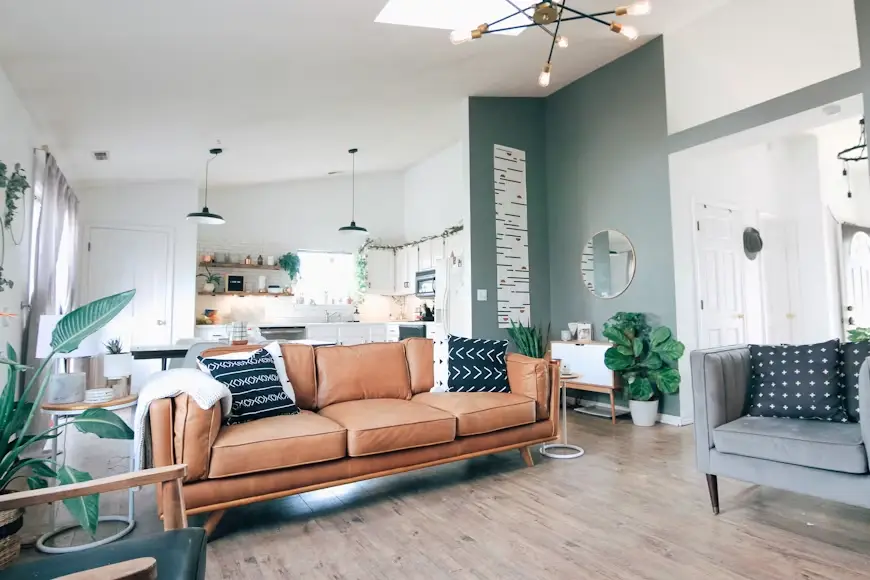
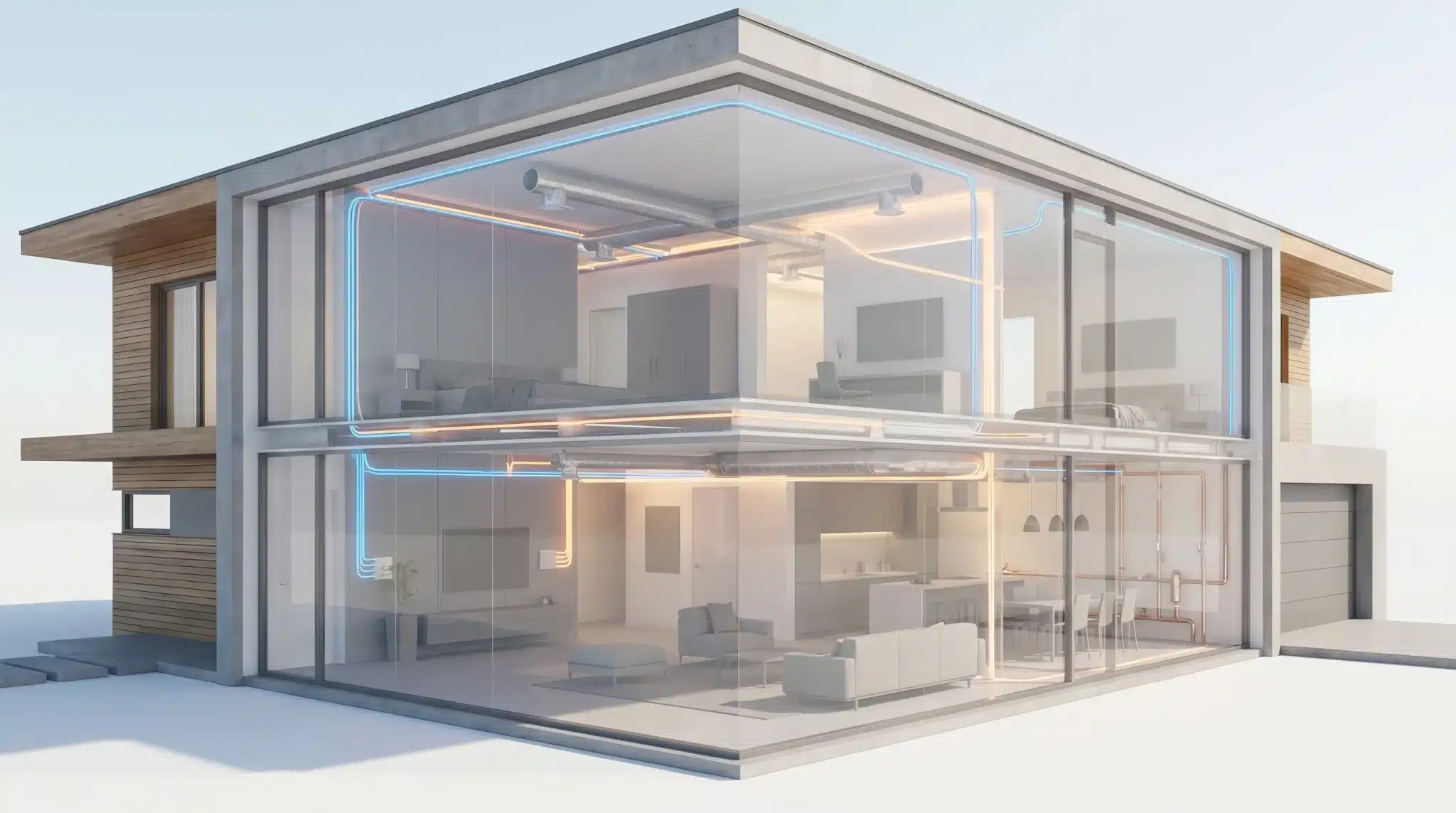
Home design conversations once focused heavily on visible details such as flooring styles, cabinet finishes, and decorative materials. While appearance still matters, many homeowners are now paying closer attention to what exists behind the walls before making aesthetic decisions. The systems supporting daily comfort have become just as important as the visual style of the finished home.
This shift reflects how modern living has changed over time. Families rely on more technology, higher electrical demand, remote work setups, and flexible living arrangements than previous generations ever anticipated. As a result, construction planning now requires deeper attention to power distribution, connectivity, ventilation, and long-term functionality from the earliest stages of the project.
A beautiful home may still create frustration if the infrastructure cannot support modern usage patterns efficiently. Homeowners increasingly understand that layout flow, electrical capacity, and system planning influence daily comfort more than decorative trends alone. This change is reshaping how renovation and construction decisions are approached across many residential projects today.
Energy Demands Have Increased Significantly Inside Modern Homes
Households now depend on far more electrical equipment than homes originally accommodated decades ago. Computers, entertainment systems, smart appliances, security technology, charging stations, and remote work equipment all place continuous demand on residential electrical systems throughout the day. Older planning standards often struggle to support these modern requirements comfortably.
As families spend more time at home, electrical usage patterns have become more complex as well. Multiple people may simultaneously use high-demand devices while streaming media, charging electronics, and operating appliances across different parts of the home. This constant activity places greater pressure on infrastructure that many older systems were never designed to handle.
Because of these changing demands, home builder services increasingly focus on future electrical capacity during planning instead of simply meeting minimum operational requirements. Homeowners want systems capable of supporting evolving technology and lifestyle changes without requiring major upgrades shortly after construction is completed.
Smart Technology Requires Better System Coordination
The rise of smart-home technology has introduced new challenges for residential planning. Lighting systems, climate controls, security devices, voice automation, and connected appliances now depend heavily on reliable infrastructure working together consistently. Poor planning behind the walls often limits how effectively these systems function later.
Smart technology also increases the importance of wiring access, outlet placement, and connectivity planning throughout the home. Devices that appear visually simple on the surface may require complex coordination between electrical systems, networking infrastructure, and overall layout design. Small planning oversights can create noticeable usability problems after installation.
This is one reason electrician companies are now involved much earlier in many construction projects instead of being treated only as final-stage installers. Electrical planning increasingly influences room layout, wall placement, lighting design, and long-term adaptability throughout the home.
Layout Decisions Are Being Influenced by Infrastructure
Modern floor plans are shaped by more than furniture placement or visual flow alone. Infrastructure requirements now directly affect how rooms are positioned and connected within the home. Kitchens, offices, entertainment areas, and utility spaces all depend on coordinated system planning to function comfortably long-term.
For example, remote work has changed how homeowners evaluate electrical access and network stability inside home offices. Open-concept kitchens require more detailed planning for appliance power distribution and lighting zones. Even bedrooms now often require more charging access and flexible electrical layouts than older homes traditionally included.
As a result, infrastructure planning begins influencing design choices much earlier during construction. Rather than adjusting systems after layouts are finalized, many projects now coordinate both simultaneously to improve efficiency and long-term functionality.
Lighting Strategy Has Become More Technical
Lighting design once centered mainly around decorative fixtures and basic room illumination. Today, homeowners expect lighting systems to support mood, productivity, flexibility, and energy efficiency at the same time. This has made electrical planning more integrated with architectural design itself.
Layered lighting requires careful coordination between ceiling layouts, switch placement, dimming systems, and natural light management. Poorly planned lighting infrastructure can reduce comfort even inside visually attractive homes. Brightness inconsistency, insufficient task lighting, and awkward switch placement often become daily frustrations over time.
Modern projects frequently involve more advanced planning for both interior and exterior lighting systems. Electrician companies now coordinate closely with designers and builders to ensure lighting layouts support actual lifestyle patterns instead of functioning only as decorative features.
Future Adaptability Is Becoming a Larger Priority
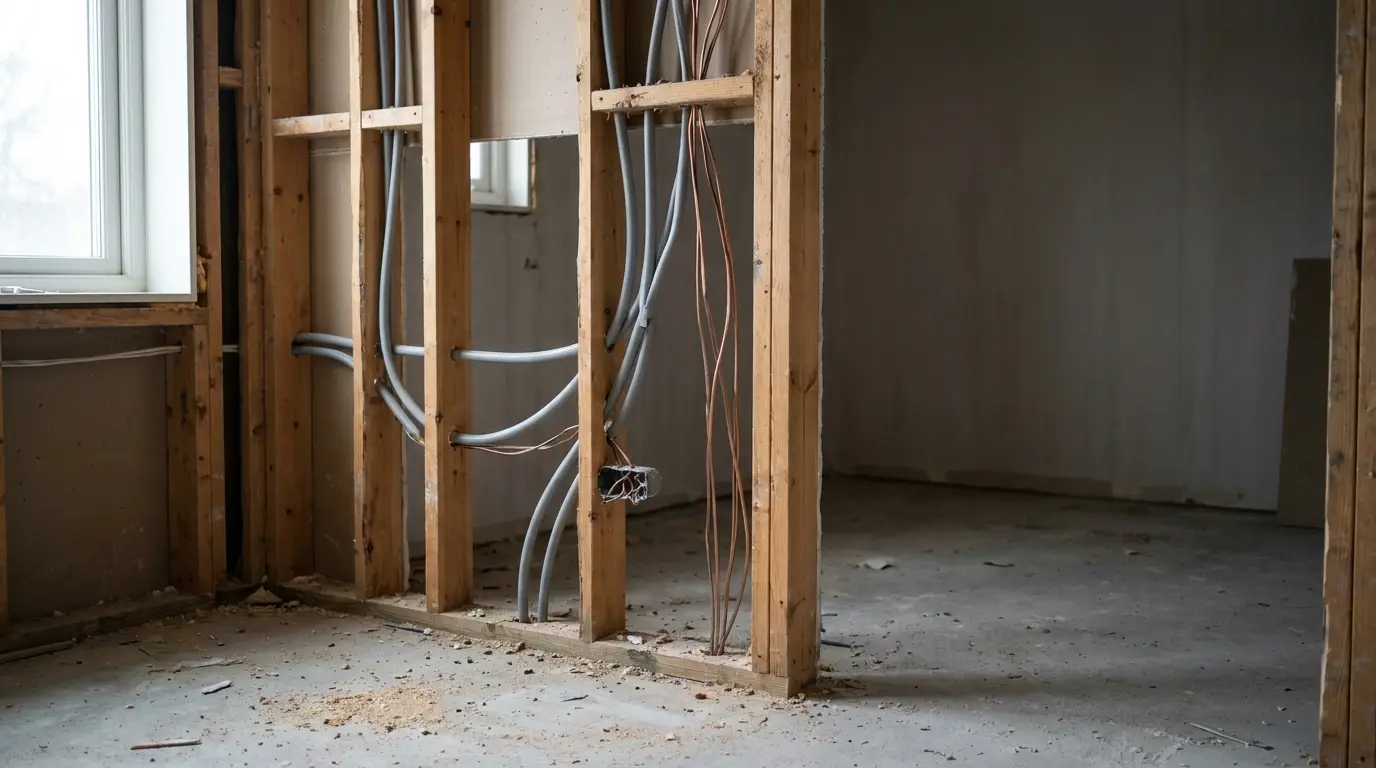
Homeowners are thinking further ahead when planning residential projects today. Instead of designing only around current needs, many people want homes capable of adapting as technology and family routines continue changing over time. Infrastructure flexibility plays a major role in supporting this adaptability.
Electrical systems may eventually need to accommodate electric vehicle charging, additional office equipment, expanded automation systems, or future appliance upgrades. Planning for these possibilities during initial construction is usually more practical than retrofitting systems later after walls and finishes are completed.
This forward-thinking approach also affects room functionality. Spaces designed with flexible infrastructure can transition more easily between different uses over the years. A guest room may later become a workspace, media room, or hybrid living area depending on future household needs.
Outdoor Systems Are Receiving More Attention
Exterior spaces now place greater demands on residential infrastructure as well. Outdoor kitchens, lighting systems, heating features, entertainment zones, and security systems all require thoughtful electrical planning beyond the interior of the home itself. Backyard functionality increasingly depends on integrated infrastructure design.
Many homeowners previously treated outdoor electrical work as a secondary consideration completed after construction finished. Today, exterior planning often begins much earlier because outdoor spaces are expected to support regular daily use. Wiring access, weather protection, and power distribution all influence how functional these areas remain long-term.
Home builder services now frequently coordinate exterior electrical planning alongside interior systems to create more seamless overall property functionality. Outdoor living has become too integrated into modern routines to treat infrastructure planning as an afterthought.
Infrastructure Problems Are More Expensive to Correct Later
Decorative changes are relatively easy to update after construction is complete. Paint colors, fixtures, and surface materials can usually be replaced without major structural disruption. Infrastructure mistakes, however, are far more difficult and expensive to correct once walls are closed and finishes are installed.
Insufficient electrical capacity, poor outlet placement, and inadequate wiring layouts often create long-term frustration that homeowners experience daily. Correcting these issues later may require opening finished walls, redesigning systems, or interrupting normal household routines significantly.
Because of this, more homeowners are prioritizing system quality and planning accuracy during the early construction process. Investing in stronger infrastructure upfront typically creates better long-term functionality than focusing heavily on cosmetic upgrades alone.
Collaboration Between Specialists Is Becoming More Important
Residential construction now involves greater coordination between multiple professionals than in previous decades. Builders, electricians, designers, and technology specialists often need to collaborate closely throughout planning to ensure systems function together effectively. Isolated decision-making can create conflicts that affect performance later.
Communication between trades has become especially important in projects involving advanced lighting systems, automation technology, and flexible room functionality. Infrastructure decisions now influence nearly every aspect of the home experience instead of remaining hidden technical details.
This collaboration helps create homes that feel more cohesive operationally rather than simply attractive visually. Strong coordination during planning often leads to smoother long-term performance after homeowners move into the completed space.
Modern Homes Depend on More Than Surface-Level Design
Visual design still plays an important role in residential construction, but homeowners are increasingly recognizing that comfort depends heavily on the systems supporting everyday life behind the scenes. Infrastructure planning now influences how efficiently, comfortably, and flexibly homes function over many years of use.
Technology demands, energy usage, and changing lifestyle expectations have made electrical and structural planning more central to modern construction decisions than ever before. Homes designed with strong infrastructure foundations typically adapt more successfully as household needs evolve over time.
Whether projects involve future-ready layouts, integrated technology, or expanding power requirements, both home builder services and electrician companies now contribute far more directly to long-term livability than many homeowners previously realized during earlier generations of residential design.