Modern interior design is no longer only about aesthetics. Today’s homeowners want spaces that feel comfortable, functional, adaptable, and visually calming at the same time. As lifestyles continue evolving, people are becoming more intentional about the products they bring into their homes, prioritizing quality, practicality, and timeless design over short-lived trends.
From furniture and decor to smart home upgrades and cozy minimalist styling, modern interiors are increasingly shaped by brands that focus on improving everyday living. Here are six home design brands and concepts helping redefine what comfortable modern living looks like today.
1. Nolan Interior — Making Everyday Furniture More Practical
One of the biggest shifts in modern home design is the growing preference for practical upgrades instead of constantly replacing furniture. Homeowners are increasingly searching for ways to refresh their interiors while maintaining comfort, affordability, and long-term functionality.
This is one reason sofa covers have become significantly more popular in recent years. Rather than being viewed as temporary or outdated solutions, modern sofa covers are now designed to complement contemporary interiors while helping protect furniture from everyday wear.
Nolan Interior reflects this modern approach particularly well by focusing on stylish, minimalist sofa covers that blend naturally into modern living spaces. Their products help homeowners refresh the appearance of sofas without requiring complete furniture replacements, making them especially appealing for families, renters, and pet owners.
Beyond aesthetics, this trend also supports more sustainable living habits. Instead of discarding perfectly functional furniture, many consumers now prefer practical upgrades that extend the lifespan of existing pieces while maintaining a polished and cohesive interior style.
2. Snyder’s Furniture — Bringing Timeless Craftsmanship Back Into Modern Homes
While many modern interiors embrace minimalism, there has also been growing appreciation for timeless furniture craftsmanship and durable materials. Consumers are increasingly moving away from disposable “fast furniture” and investing in pieces designed to last for years.
Snyder’s Furniture represents this return to classic craftsmanship through furniture focused on comfort, durability, and long-term functionality. Well-built wooden furniture continues attracting homeowners because it creates interiors that feel warm, grounded, and authentic.
One reason timeless furniture remains so valuable is its versatility. Solid wood dining tables, handcrafted bedroom furniture, and traditional seating styles can work equally well in both modern and classic interiors. Rather than becoming outdated quickly, quality furniture often adapts naturally as homeowners evolve their decor over time.
As sustainability becomes more important within interior design, durable furniture brands continue gaining relevance because they encourage longer-lasting purchasing decisions and reduce unnecessary replacement cycles.
3. IKEA — Making Scandinavian Minimalism Accessible
Few brands have influenced modern interior design as globally as IKEA. Known for its Scandinavian-inspired approach to furniture and organization, IKEA helped popularize minimalist interiors focused on simplicity, functionality, and efficient use of space.
The brand’s popularity continues growing because modern homeowners increasingly value practical layouts and furniture that supports flexible lifestyles. Compact storage systems, modular furniture, and clean aesthetic lines all align naturally with current design trends centered around intentional living.
Another major reason IKEA remains influential is accessibility. Their products allow homeowners to experiment with minimalist and Scandinavian-inspired interiors without requiring luxury-level budgets. This has made modern design aesthetics more approachable for a much wider audience.
The continued popularity of Scandinavian-style interiors shows how strongly consumers are drawn to spaces that feel calm, uncluttered, and easy to maintain.
4. West Elm — Combining Modern Design With Warmth
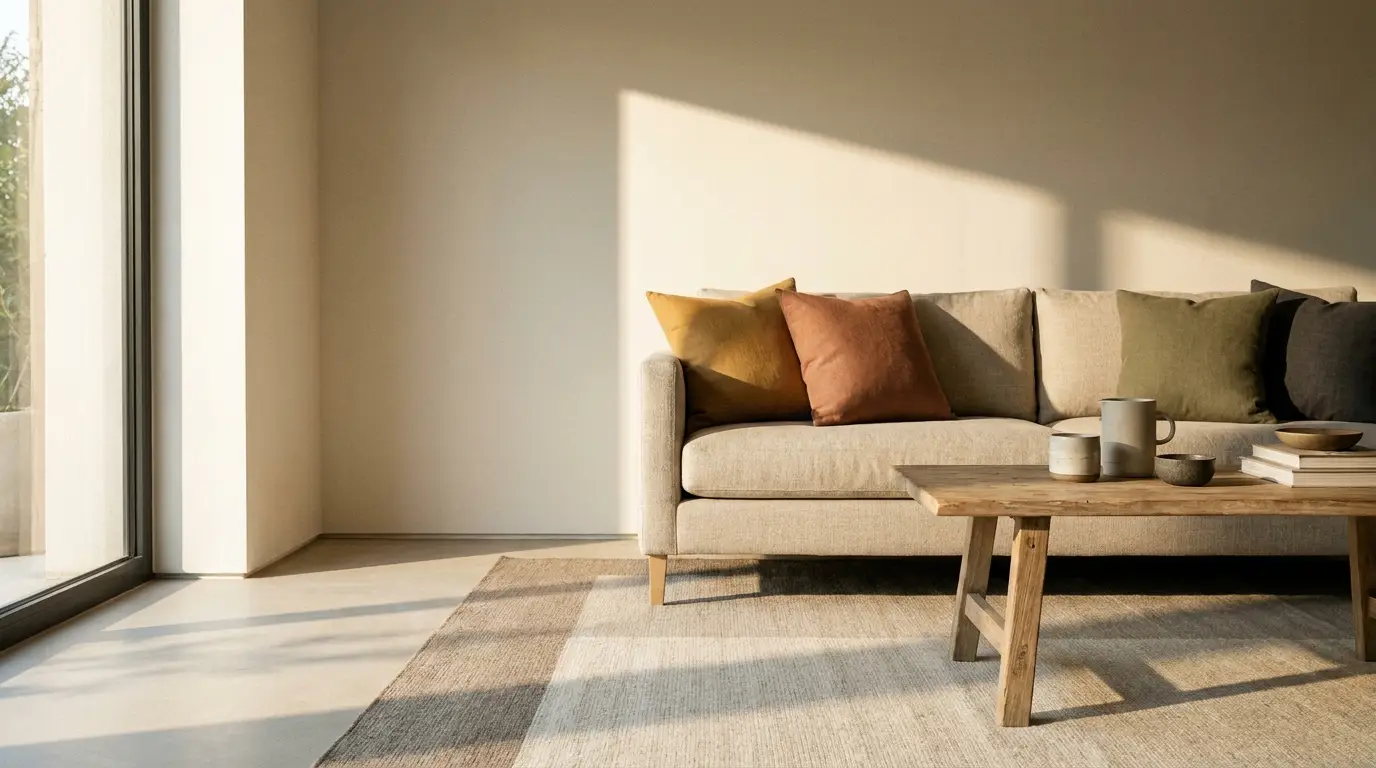
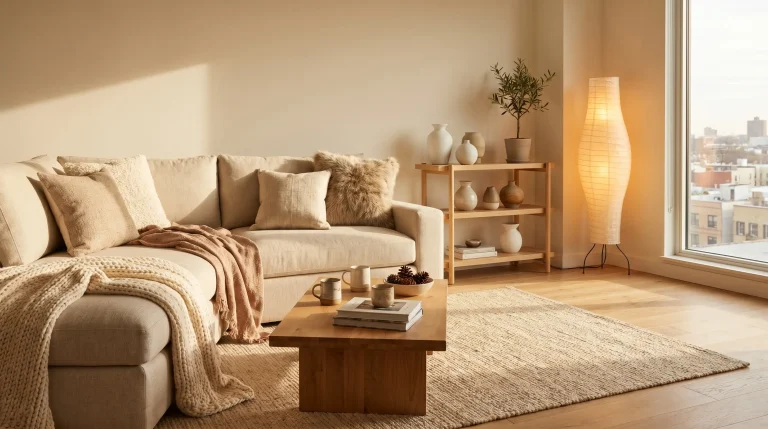
As minimalism has evolved, homeowners have begun favoring interiors that feel softer and more emotionally inviting. This shift has contributed to the rise of “cozy minimalism,” where clean lines are combined with warm textures, layered fabrics, and comfortable furniture.
West Elm has become closely associated with this trend through furniture and decor that balance modern aesthetics with warmth and livability. Neutral palettes, natural wood finishes, textured fabrics, and soft lighting all play major roles within this design style.
One reason cozy minimalist interiors continue growing in popularity is because they create spaces that feel relaxing rather than sterile. Homeowners increasingly want interiors that support emotional comfort and everyday usability rather than spaces designed purely for visual impact.
This broader movement reflects changing priorities within modern living, where comfort and atmosphere are becoming just as important as style itself.
5. Herman Miller — Redefining Comfort for Work-From-Home Living
Remote work has significantly changed how people design and use their homes. Living spaces are now expected to support productivity, relaxation, and comfort simultaneously, which has increased demand for ergonomic furniture and flexible room layouts.
Herman Miller has become one of the most recognized names associated with ergonomic home office design. Their focus on comfort, posture support, and long-term usability reflects a growing understanding that interior design directly impacts physical well-being and productivity.
As work-from-home lifestyles continue becoming more common, homeowners are investing more in chairs, desks, and workspace setups that feel both visually integrated and physically supportive. Functional comfort is no longer limited to living rooms and bedrooms — it has become essential across every area of the home.
This shift highlights how modern interior design increasingly prioritizes wellness and practicality alongside appearance.
6. Muji — Simplifying Modern Living
Minimalist living continues growing in popularity partly because many people are searching for calmer and less overwhelming environments. Muji has built an entire design philosophy around simplicity, functionality, and intentional living.
The brand focuses on neutral aesthetics, compact organization solutions, and understated home products designed to reduce visual clutter and encourage more mindful spaces. Their approach reflects the growing desire for homes that feel peaceful, organized, and emotionally restorative.
Rather than emphasizing decoration for the sake of decoration, Muji products support the idea that thoughtful simplicity can improve everyday life. This philosophy has become increasingly relevant in modern interiors where homeowners prioritize calmness, flexibility, and long-term functionality.
As minimalist lifestyles continue influencing global interior trends, brands centered around simplicity and practicality are likely to remain highly influential.
Final Thoughts
Modern home design is becoming increasingly focused on comfort, functionality, and intentional living. Homeowners are moving away from purely trend-driven interiors and investing more in products that genuinely improve everyday life.
Whether through practical sofa upgrades, timeless craftsmanship, Scandinavian minimalism, ergonomic comfort, or clutter-free organization, today’s leading home design brands reflect changing priorities centered around balance and long-term livability.
As lifestyles continue evolving, interiors that successfully combine warmth, practicality, and timeless design will likely remain at the center of modern living trends for years to come.