Not all moss walls are actually moss. Or at least, not all of them are still alive. The product category has split into two completely different things over the last decade, and the differences matter more than most buyers realize.
Live moss is a real plant that breathes and filters the surrounding air. Preserved moss is treated plant material that maintains its appearance with almost no care. For those interested in a moss wall for their home or business, it’s important to know the difference
What is Live Moss?
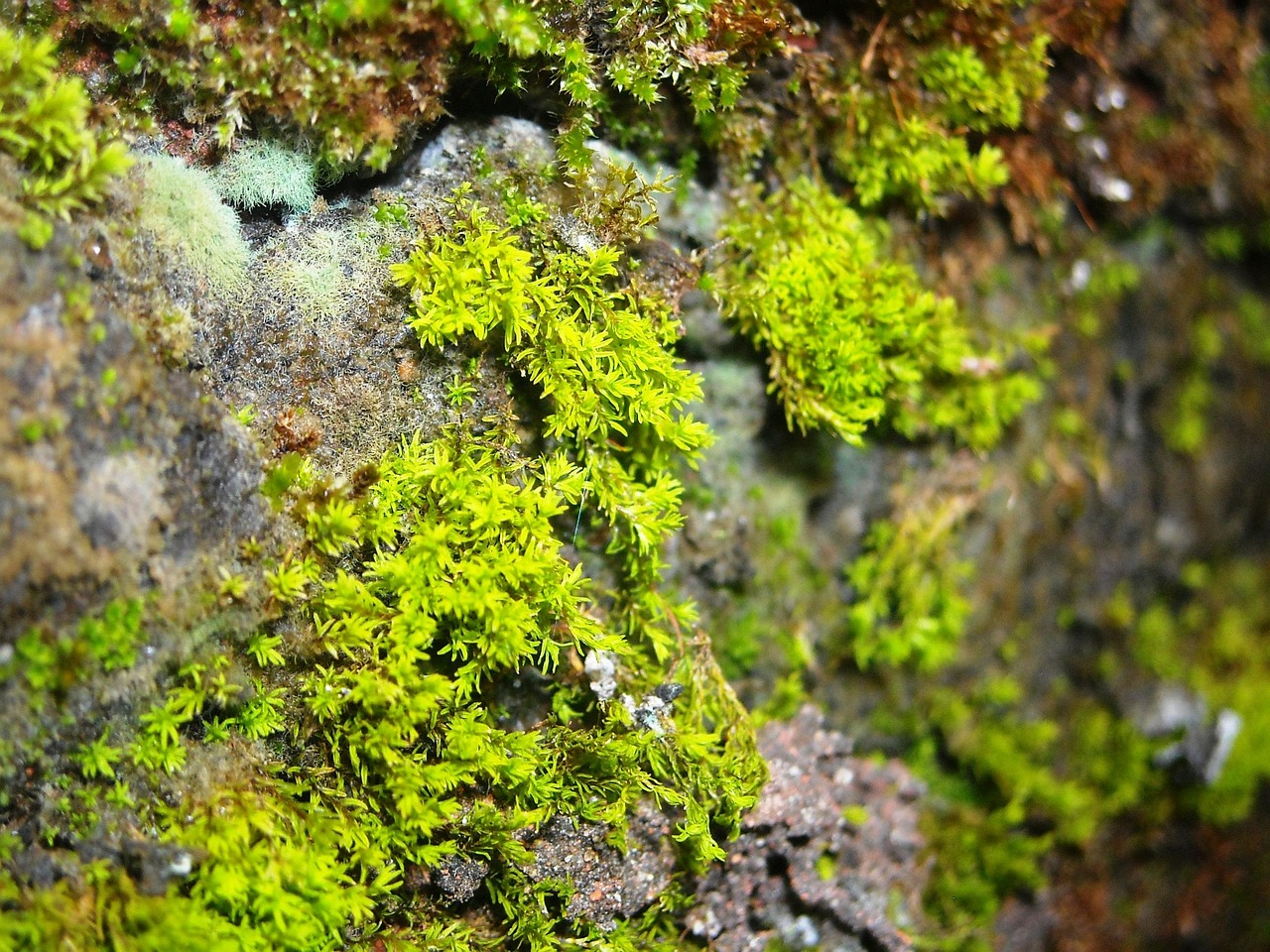
Live moss is a living plant that’s been cultivated from another patch of moss or grown from spores. While there are wide varieties of moss, most species used for interior design come from either sphagnum or sheet moss. Often found in bathrooms and kitchens, they’re more than just decoration; they’re living plants that stay alive through photosynthesis; they require consistent light and moisture to survive.
Modern installations like a 100% Living Moss Wall Air Filter System pair living moss with engineered irrigation and airflow to keep the plants healthy while pulling pollutants from the air. Water systems are usually closed loop, meaning there’s minimum hands on care required. One of the big selling points of live moss is how it improves the air quality inside through biofiltration.
What is Preserved Moss?
Preserved moss starts out like live moss that’s harvested from forests or grown in a controlled environment. Initially, it’s a real living plant, but it is being treated with a glycerin-based solution that replaces the natural sap. The process locks in the texture and color while freezing all biological activity.
The end result looks just like the real thing without any of the care requirements. Sometimes, producers use dyes to create vivid or unnatural colors.
Key Differences
As long as it’s not dyed an unnatural color, it’s hard to tell the difference between living and preserved moss. Both types feel very similar when you touch them.
One of the key indicators is moisture and density. Live moss has slight variations depending on the care cycle. Preserved moss, on the other hand, has a uniform softness that doesn’t change.
The color is also another key indicator. As long as the plant is healthy and getting enough water and light, living moss will stay green, often getting brighter when it has a strong source of sunlight.
Preserved moss, on the other hand, will eventually start to fade. While it retains colour for a remarkably long time, within 5 to 10 years, the green colour gets dull. When preserved moss gets direct sunlight or is frequently exposed to strong artificial lighting, the colours dull much faster.
Care and Lifespan
While most would agree that the real thing looks best, not everyone has the time or space for the misting and irrigation systems that living moss needs. For a living moss wall to be viable, the ambient humidity must be at least 50 to 80 percent. That isn’t always possible, making a living wall impossible in various settings.
Plus, even if the environment can support living moss, the maintenance requirements make it a serious investment. Even a small wall requires at least 10 minutes of routine maintenance every week. In a property that’s frequently empty for weeks at a time, it’ll be challenging to keep the moss alive.
Automated systems are possible, but they require initial investment and calibration. With the right care, a living moss wall can theoretically live indefinitely, but most will replace it after a few years.
Preserved moss, on the other hand, doesn’t require any of this. It doesn’t need water or light. There’s no risk of it dying off because of environmental conditions,
Indoor Placement and Humidity
Live moss thrives in rooms with naturally higher humidity, making it a great home improvement option in bathrooms and kitchens. It struggles near heating vents or in dry climates.
Preserved moss is highly versatile, and you can put it almost anywhere. It tolerates dry offices with HVAC running year-round and sunny living rooms with some color fade.
If you’re not sure if the environment is right for live moss, you can easily go with preserved moss to eliminate any guesswork or uncertainty.
The Right Pick
Both moss types have legitimate places in modern interior design, and neither is objectively better than the other. The right pick comes down to how much maintenance you can realistically commit to and what you want the wall to do for your space.
Live moss is a real living thing offering natural beauty and visual depth for buyers willing to invest in proper systems. Preserved moss offers immediate visual impact with almost no upkeep for a fixed 5 to 10 year lifespan.
If you’re interested in learning more about similar topics, see our other blog posts for more.