Acoustic wall panels have become a practical solution for those seeking to improve both the appearance and sound quality of interior spaces. These panels introduce warmth and a modern aesthetic to homes or offices while managing unwanted noise. Options from providers such as WoodUpp demonstrate how integrating wood materials can elevate interiors effortlessly. In addition to their acoustic properties, wooden panels can become an attractive focal point and help create a cohesive environment. As attention to indoor environments increases, options like these enable updates that support both function and visual appeal. Through thoughtful placement and design, acoustic wall panels play a key role in achieving a balanced and pleasant indoor space.
Why Acoustic Wall Panels Enhance Your Space
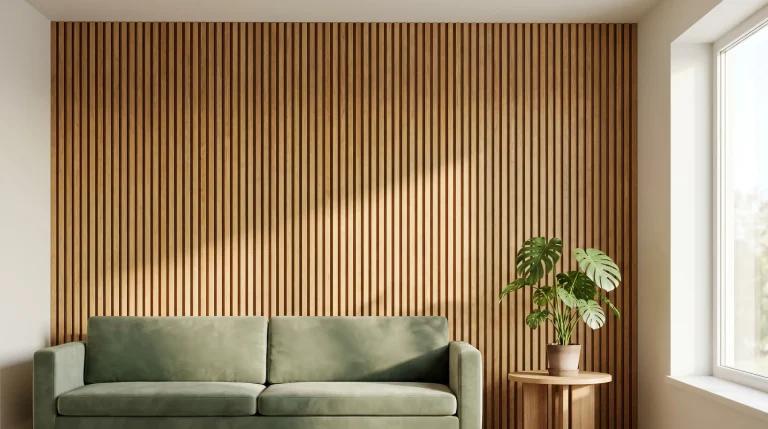
Installing acoustic panels is about more than just minimizing echoes; it also influences the overall atmosphere by adding natural textures and clean lines. Wood slat wall panel, in particular, enhance visual depth and make a room feel more welcoming. These panels can introduce subtle tones and tactile elements that contribute to a sense of tranquility and balance within a space.
Sound control is relevant in both residential and professional settings. Acoustic panels absorb excess noise, contributing to a calmer environment where it can be easier to relax or focus. In workplaces, they help maintain speech privacy and encourage concentration, while in homes they can make rooms more comfortable for gatherings, relaxation, or media use. This combination of design and practicality makes these panels a fitting choice for spaces where appearance and everyday comfort are important, ensuring an environment suited for both productivity and leisure.
What to Consider When Choosing Your Panel

When selecting an acoustic panel, consider the size of your room and the types of sounds you want to address. Wood slat panels can be installed vertically or horizontally based on design preferences, with orientation affecting how the room feels visually and acoustically. Panels in lighter or darker finishes can make a room feel either more expansive or more intimate, allowing you to tailor the atmosphere.
Color and finish are also significant; selecting shades that align with existing décor helps maintain a unified look. Some panels feature natural wood grain, while others offer a painted or stained surface to complement different palettes. Installation is another factor to take into account. Some options are made for easy mounting, allowing for updates without specialized tools. Planning your installation ahead of time can ensure a seamless process and optimal performance. For a variety of styles suited to different spaces, the wood slat wall panel collection from WoodUpp includes selections for living areas, offices, and more. Each design provides distinct acoustic benefits and aesthetic options to match your unique needs.
Bringing Acoustic Design Into Real Spaces
Wood slat panels are versatile and can be used in living rooms, bedrooms, meeting areas, or retail environments where better acoustics are desired. These panels help reduce loud sounds in open-plan homes or busy offices, supporting clearer conversations and a more comfortable setting. Their adaptability makes them useful in many layouts, enhancing both small and large interiors.
Common placements include behind televisions, along hallways, or as feature walls in entryways to create a strong visual impression. Acoustic panels can also be applied in conference rooms, restaurants, and hospitality settings to support a pleasant environment for occupants. In commercial interiors, they contribute to a welcoming atmosphere while addressing sound quality for users of the space. Additionally, these designs allow businesses to reinforce their identity through materials and finishes. With flexible installation methods and functional design, these panels offer a way to refine nearly any interior setting. Whether enhancing a modern apartment or a professional workspace, acoustic wall panels offer practical and decorative benefits.