

Chewy, almost rubbery, and completely silent on flavor: that’s what made me curious about them.
I didn’t expect much from wood ear mushrooms. But the more I looked, the more I found they were doing quiet work inside my body; helping with blood, digestion, even keeping my meals more filling.
You don’t need to overhaul your diet to feel better. Sometimes it’s small things like this, easy to miss, but packed with support.
In this blog, you’ll learn how wood ear mushroom benefits can help your body in ways that don’t call for attention but still matter.
I’ll show you how to use them, what to expect, and why they might just earn a regular spot in your meals.
Getting to Know Wood Ear Mushrooms
Wood ear mushrooms are a type of edible fungus often found in Asian dishes. You might also hear them called black fungus or cloud ear fungus.
They grow on wood, usually on fallen or decaying trees in humid places. These mushrooms are thin, wavy, and soft when wet; kind of like a floppy piece of rubber.
They’re dark brown to black in color and feel a little slippery when cooked.
They don’t have a strong taste, but their chewy texture makes them popular in stir-fries, soups, and salads.
In many Asian cultures, they’ve been used for hundreds of years, not just for flavor, but also in traditional food practices to support health.
Wood ear mushrooms are sold in both fresh and dried forms. Most people buy them dried because they’re easy to store and last longer.
When soaked in water, they bounce back to their original shape and are ready to cook.
Wood Ear Mushroom Nutrition Explained
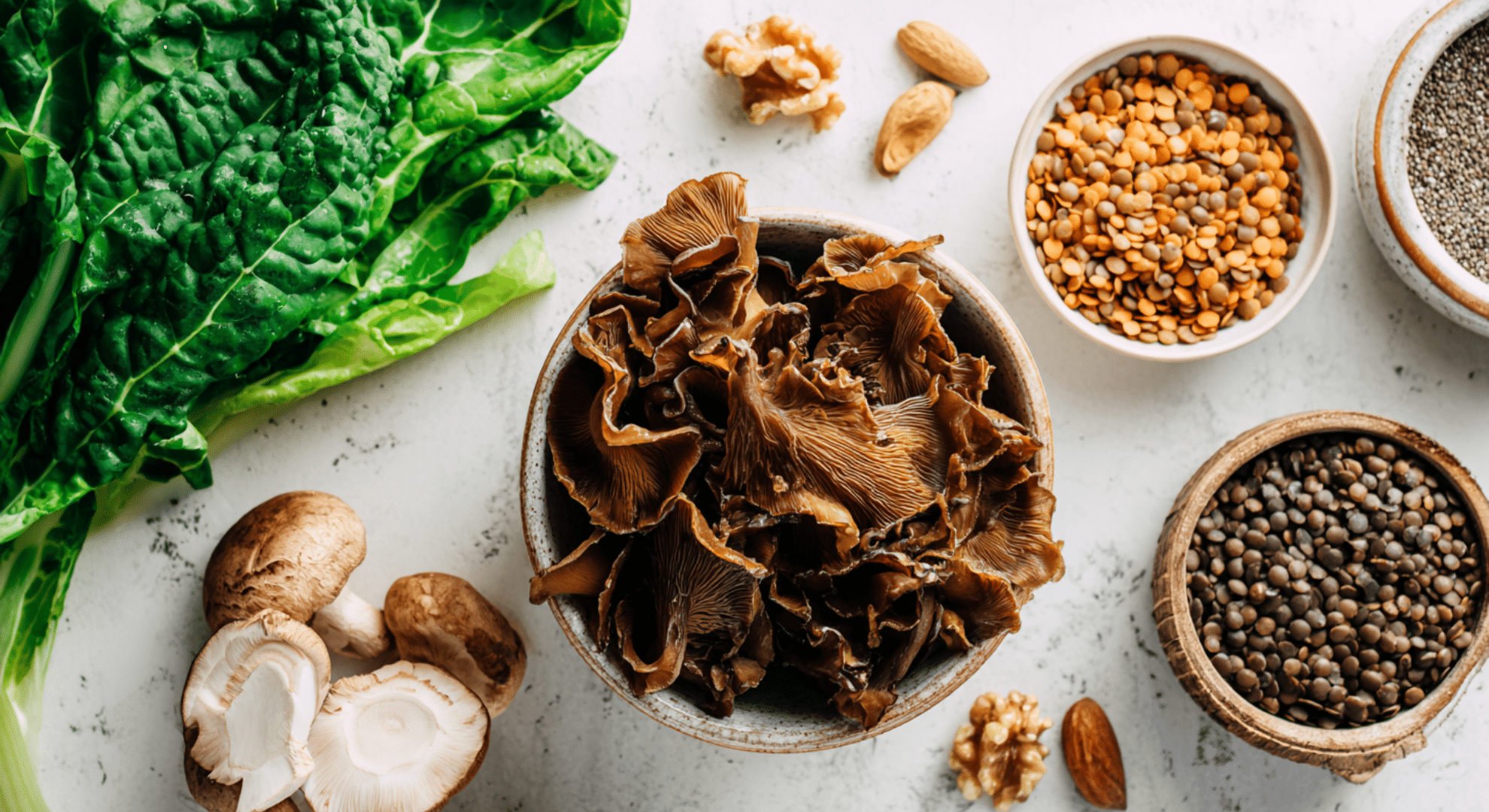
Wood ear mushrooms might look simple, but they come packed with nutrients that quietly support your body.
They’re low in calories, around 25 to 30 per cup when cooked, and contain almost no fat. What makes them stand out is their high fiber content, which sits at about 5 grams per serving.
That’s more than many other mushrooms and helps with digestion, fullness, and steady energy. They also carry a mix of minerals and vitamins that support your blood, nerves, and overall energy.
Here are some key nutrients found in wood ear mushrooms:
- Iron (non-heme type): helps carry oxygen through your blood
- Copper: supports nerve health and helps your body use iron
- Selenium: works with your body’s natural antioxidants
- B2 (riboflavin) and B5 (pantothenic acid): help turn food into energy
Dried wood ear mushrooms may look like they offer more nutrition, but that’s only because the water is gone, and the nutrients are more concentrated. Once you soak and cook them, the numbers even out.
Still, the fiber content stays impressive, especially when compared to mushrooms like white button or portobello. That makes wood ear mushrooms a strong, filling addition to meals without adding heaviness.
Wood Ear Mushroom Benefits for Overall Health

Wood ear mushrooms offer more than just texture in your meals; they may also help support different areas of your health.
Thanks to their fiber, minerals, and special plant compounds, they quietly work behind the scenes in your gut, blood, and beyond.
Supports Digestive Health
Wood ear mushrooms are high in fiber, which helps keep digestion regular and smooth. The fiber also acts like food for the good bacteria in your gut: these are called prebiotics.
If you’re not used to high-fiber foods, start slow to avoid bloating or discomfort as your gut adjusts.
May Support Heart Health
Some studies suggest wood ear mushrooms may help lower LDL (bad) cholesterol levels. They also may support better blood flow by relaxing blood vessels.
However, while early research is promising, these effects haven’t been proven in large human trials yet and shouldn’t replace medical advice.
Blood Flow and Natural Anticoagulant Properties
Wood ear mushrooms contain natural compounds that may reduce how easily blood clots. This “blood thinning” effect can help with circulation.
People with clotting issues might benefit, but anyone on blood thinners should be careful. This effect is often overstated online; talk to your doctor if unsure.
Antioxidant Support
Antioxidants help protect your cells from damage caused by stress and aging. Wood ear mushrooms contain several of these helpful compounds, though in smaller amounts than some berries or vegetables.
Still, compared to other mushrooms, they hold their own. Over time, this support may help long-term health.
Immune System Support
A healthy gut supports a healthy immune system, and wood ear mushrooms help with both. Their fiber feeds gut bacteria, and their natural sugars, called polysaccharides, may help boost your immune cells.
These effects are subtle but add up over time, especially when paired with a balanced diet.
Possible Brain and Liver Support
Early research suggests wood ear mushrooms might support memory, protect brain cells, and help your liver handle toxins.
But most of this comes from lab or animal studies, not people. These are not proven cures, but they show potential if eaten as part of an overall healthy diet.
Wood Ear Mushrooms for Skin, Hair, and Collagen
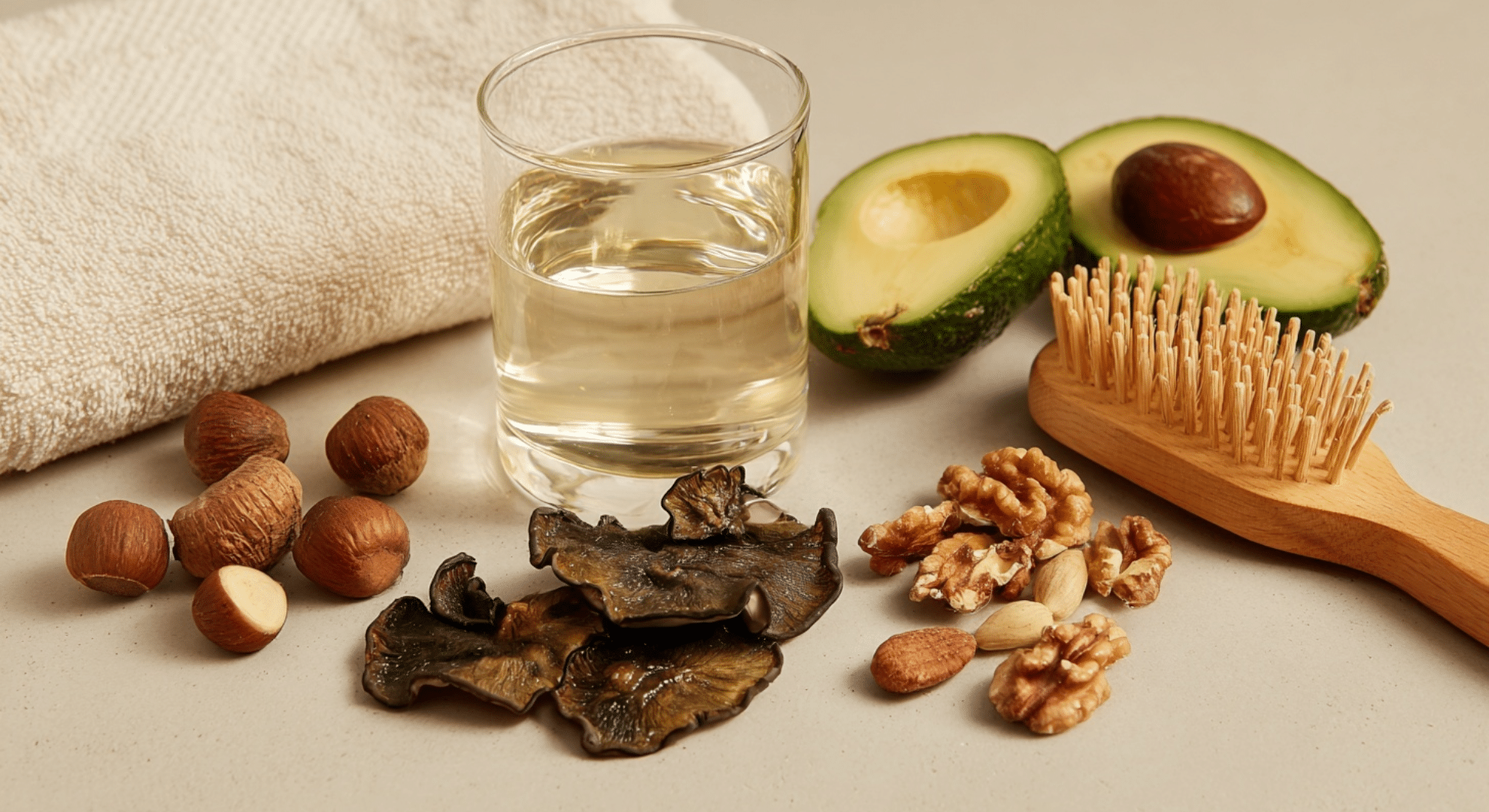
A lot of people ask if wood ear mushrooms contain collagen. The short answer is no, they don’t. Collagen only comes from animal sources.
But wood ear mushrooms do offer nutrients that may help your body make its own collagen.
For example, they contain copper, which plays a role in skin structure, and B vitamins, which support cell health and energy. Their antioxidants may also help protect your skin from stress and aging.
Some blogs or social media posts claim these mushrooms are a beauty food miracle. That’s overstated.
While they can be part of a healthy diet that supports your skin and hair, they won’t give fast or dramatic results on their own. Eating them regularly may help a little over time, especially when combined with a balanced diet, sleep, and hydration.
Think of them as quiet support, not a magic fix.
How to Prepare Wood Ear Mushrooms Safely

Preparing wood ear mushrooms is simple, but there are a few safety steps you shouldn’t skip. Most people buy them dried, so the first step is to soak them in cool or warm water until they fully expand.
This usually takes 15 to 30 minutes. After soaking, they can grow up to five times their original size. Once soft, rinse them well to remove any dirt or debris.
Then trim off the tough, woody part near the base, as it can be hard to chew.
Here are a few key tips for safe use:
- Always cook wood ear mushrooms; never eat them raw
- Store soaked mushrooms in the fridge and use them within 1–2 days
- Don’t leave them soaking at room temperature for too long
After cleaning, you can slice them and add them to stir-fries, soups, or salads. Their chewy texture holds up well in hot dishes without turning soggy.
How Much Wood Ear Mushroom Should You Eat?
A reasonable serving size for wood ear mushrooms is about ½ to 1 cup cooked, which is enough to enjoy the texture and get the benefits without overdoing it.
They’re safe to eat regularly, and many people include them in meals several times a week. If you like them and feel good after eating them, having them every day in small amounts is fine for most people.
If you’re new to high-fiber foods, start with a smaller portion, like ¼ cup cooked, to let your gut adjust. Wood ear mushrooms are high in fiber, and eating too much too quickly might lead to gas or bloating.
Drink plenty of water with them, which helps fiber move smoothly through your system.
Smaller portions also make sense for kids, older adults, or anyone with digestive sensitivities. As with all foods, listen to your body and adjust based on how you feel.
Wood Ear Mushroom Safety Guide

Most people can eat wood ear mushrooms without any issues. But like any food, they aren’t right for everyone.
A few mild side effects, like gas or bloating, can happen, especially if you eat a lot too quickly or aren’t used to high-fiber foods.
Here’s a quick look at who should be careful:
| Group | Reason for Caution |
|---|---|
| People on blood thinners | May increase the risk of bleeding due to mild natural anticoagulant effects |
| Those with bleeding disorders | It could make bleeding harder to control |
| Before surgery | Some doctors recommend stopping these foods to avoid clotting issues |
| Pregnant or breastfeeding | Not enough research on safety, best to avoid or check with a doctor |
| Sensitive stomachs | High fiber may cause gas, bloating, or discomfort |
If you feel dizzy, have stomach pain, or notice anything unusual after eating them, stop and talk to a healthcare provider. It’s always smart to check if you’re unsure.
How Much Wood Ear Mushroom Should You Eat?
A good serving size is about ½ to 1 cup cooked. You can eat wood ear mushrooms a few times a week, or even daily in small amounts.
They’re safe for most people, but if you’re new to high-fiber foods, start with ¼ cup to avoid gas or bloating.
Drink plenty of water to help the fiber move through your system. Smaller portions are best for children, older adults, or anyone with a sensitive stomach.
As with any food, listen to how your body reacts and adjust the amount as needed.
Buying and Storing Wood Ear Mushrooms
When buying dried wood ear mushrooms, go for clean, whole pieces that are dark in color and free from odd smells. Good-quality ones will feel dry and brittle, not soft or sticky.
- Look for sealed packaging with no signs of moisture
- Choose mushrooms that are dark brown or black, not faded or gray
- Avoid any with a sour or musty smell
- Skip packs with lots of dust or crushed pieces
- Store in an airtight container in a cool, dry place
- Keep away from direct sunlight or heat
If they smell off, have mold, or feel soft before soaking, it’s time to throw them out. Properly stored, dried wood ear mushrooms can last for up to a year.
Conclusion
Funny how something so quiet on your plate can do so much for your body. Wood ear mushrooms don’t have bold flavor or bright color, but they show up where it counts.
I’ve come to see them as one of those foods that just quietly works in the background, helping me feel better without the noise.
Now it’s your turn. You’ve got the facts, wood ear mushroom benefits, and the how-to. Try them out, see how they fit into your meals, and give your body a little extra support without overthinking it.
For more real, no-hype food tips like this, check out my other blogs and keep learning smart ways to eat better!





One Response
Thank you . I will pick some I’ve spotted. Very interesting contents you have produced . I love in the country side in UK . I have started taking g Ankway gummies . What are your thoughts