

The last trip in from the garden is a good time to notice how much work the back entrance does. Pots, gloves, muddy shoes, and watering cans all pass through the same opening. Once the tools are stored and the path is clear, use the entrance normally and pay attention to the doors themselves. The outer storm door and the main exterior door have separate jobs, and a problem with one can easily be blamed on the other.
Clear the Approach so You Can See What Is Happening
Move loose tools, hoses, and planters out of the door’s path. Check where a mat sits and whether stored items interfere with normal movement. Do this before deciding that a door has developed a mechanical problem. An object caught near the threshold can make a familiar entrance behave differently.
With the approach clear, watch each door on its own. Does the storm door close and latch without help? Does the main door rub, catch, or need extra pressure? Keep the two observations separate. “The outside door stops just before the latch” describes a different issue from “the inside door closes, but I feel air along its edge.”
You can use this check whenever outdoor routines change, not only at the end of a northern growing season. In a milder area, putting away garden supplies before a wet or windy spell offers the same opportunity. Let the weather and the condition of the entrance guide the timing.
Notice Where the Storm Door Stops
Use the storm door without forcing it and watch the last part of its closing movement. A latch that does not engage, a door that rubs, and a closer that behaves differently all provide information for a repair conversation. If the movement is uncontrolled or something appears damaged, stop testing it rather than repeating the motion.
In Chicago, Capahome offers repairing a storm door that will not latch as part of its work on existing storm doors. The relevant question is which part of the assembly needs attention, such as the latch, hinges, closer, or frame. A description of what the door does is a better starting point than ordering one replacement part on a guess.
A short video can help show the stopping point, provided you can record normal use safely. Include a still photo of the full opening so the repair person can see the relationship between the door and frame. You do not need to remove hardware or take a closer apart to prepare a useful request.
Also mention whether the behavior is recent and whether something changed around the entry. A new mat, a shifted planter, or an earlier repair may be relevant. A door that has always needed a push should not be described as having suddenly failed during yesterday’s cold weather.
Look at the Main Exterior Door’s Seals on Their Own
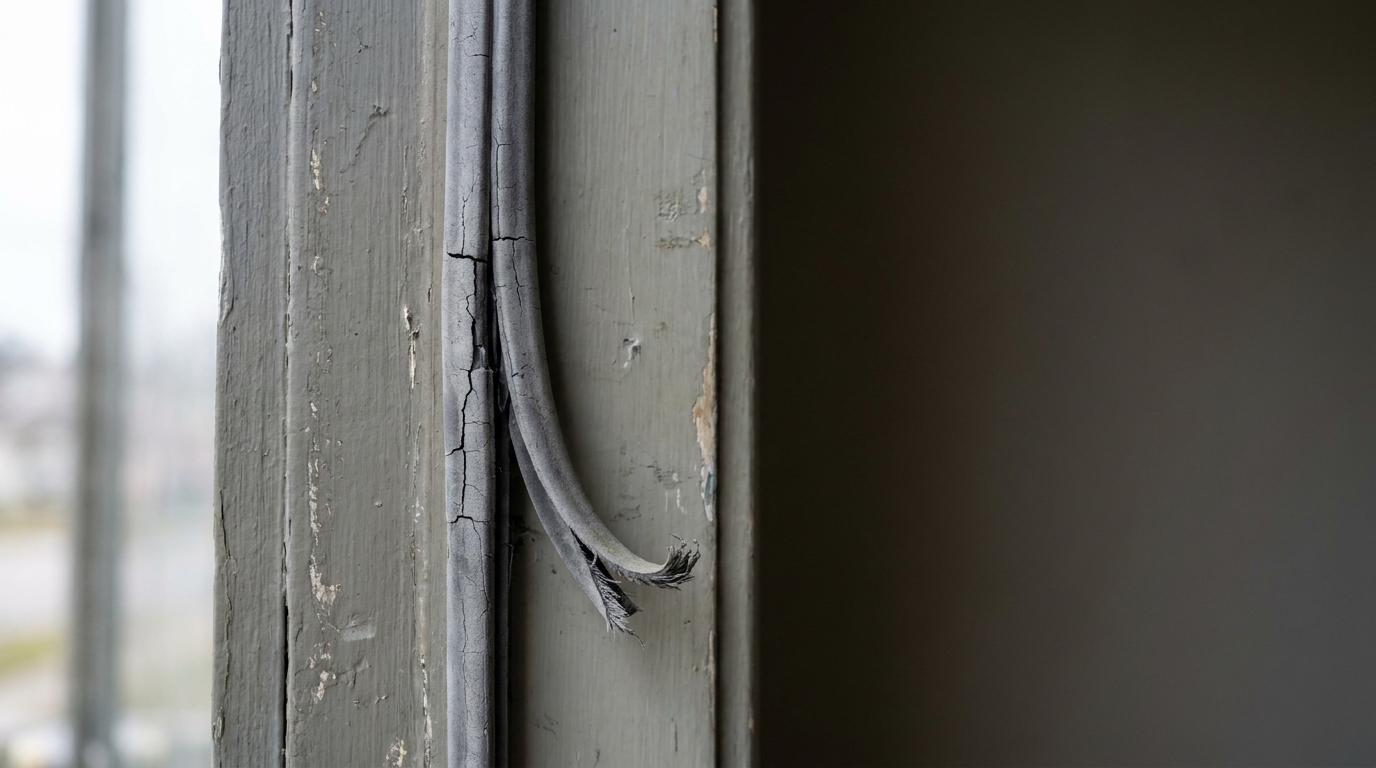
The flexible seals around the main door deserve a separate look. Note visible tears, missing sections, material pulling away, and places where the closed door no longer seems to meet the seal evenly. Include whether the door closes and latches normally, since a seal cannot be considered independently of the door’s fit.
For the main entry door, door weatherstripping replacement in Chicago is a different service question from repairing the outer storm door. A homeowner outside that service area can make the same practical distinction with a local company: ask about worn flexible seals at the main door without assuming the outer door repair will address them.
Avoid adding extra material until the door becomes difficult to shut. The replacement has to suit the opening and allow ordinary movement. If the door rubs or requires lifting to latch, have that behavior assessed rather than expecting a thicker seal to resolve it.
Finish With an Entrance You Can Keep Using Comfortably
Once the necessary repairs have been identified, arrange the stored garden items around the way the entrance works. Leave room for each door to swing and for someone carrying a basket to pause without blocking it. Keep the threshold visible so small obstructions are easier to spot before the next busy afternoon outside.
If wind or rain exposes another problem later, record which door or fixed joint is involved. Moisture at trim, a storm door that does not latch, and a worn main-door seal should not all become the same request for “winterizing.” Naming the part helps a local professional propose work that fits the condition.
The seasonal payoff is practical: tools are put away, the approach is clear, and you know which issue needs attention before the entrance gets less pleasant to use. The next trip outdoors should start with opening the door, not wrestling with a problem that was easy to overlook during garden cleanup.