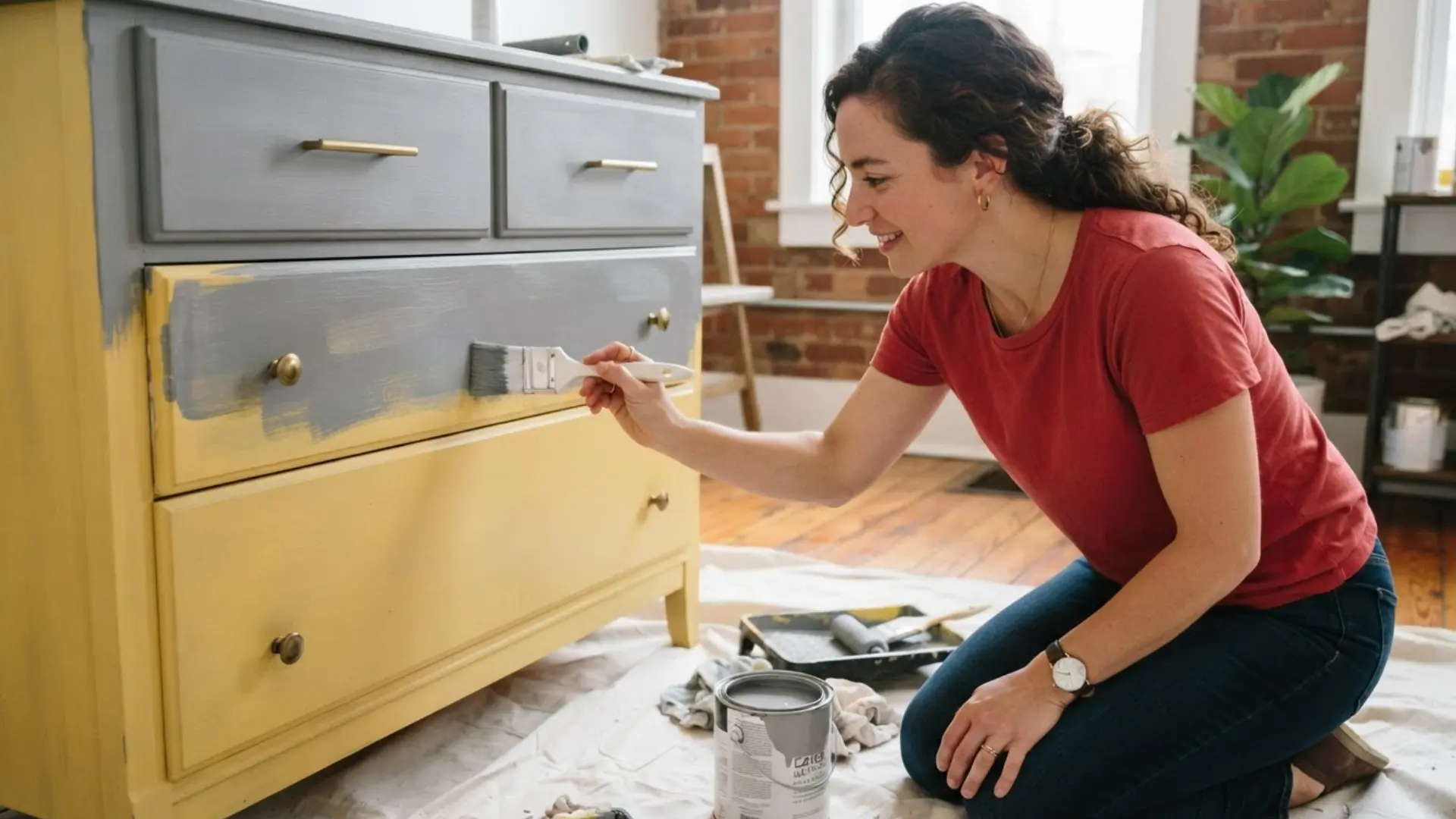
The dark, heavy finish of the stained wood dresser sat in the corner of my room for years, feeling outdated, as it belonged to someone else’s taste, not mine.
I remember running my hand over the wood one afternoon, wondering if there was any way to give it new life without buying something new entirely.
That’s when the question hit me: can you paint over stained wood, or was I stuck with it forever?
Turns out, that old piece didn’t need to go anywhere. It just needed a little patience, the right approach, and a fresh coat of color to completely transform how I felt about it.
Can You Paint Over Stained Wood?
Yes, you can paint over stained wood, but you need to prepare the surface properly before applying paint.
Wood stain usually creates a smooth, sealed layer that can prevent paint from sticking well.
You should start by cleaning the wood, lightly sanding the surface, and applying a quality stain-blocking primer.
With the right preparation and paint, stained wood surfaces like furniture, cabinets, doors, and trim can be updated with a smooth, durable finish.
What Happens If You Paint Directly Over Stained Wood?
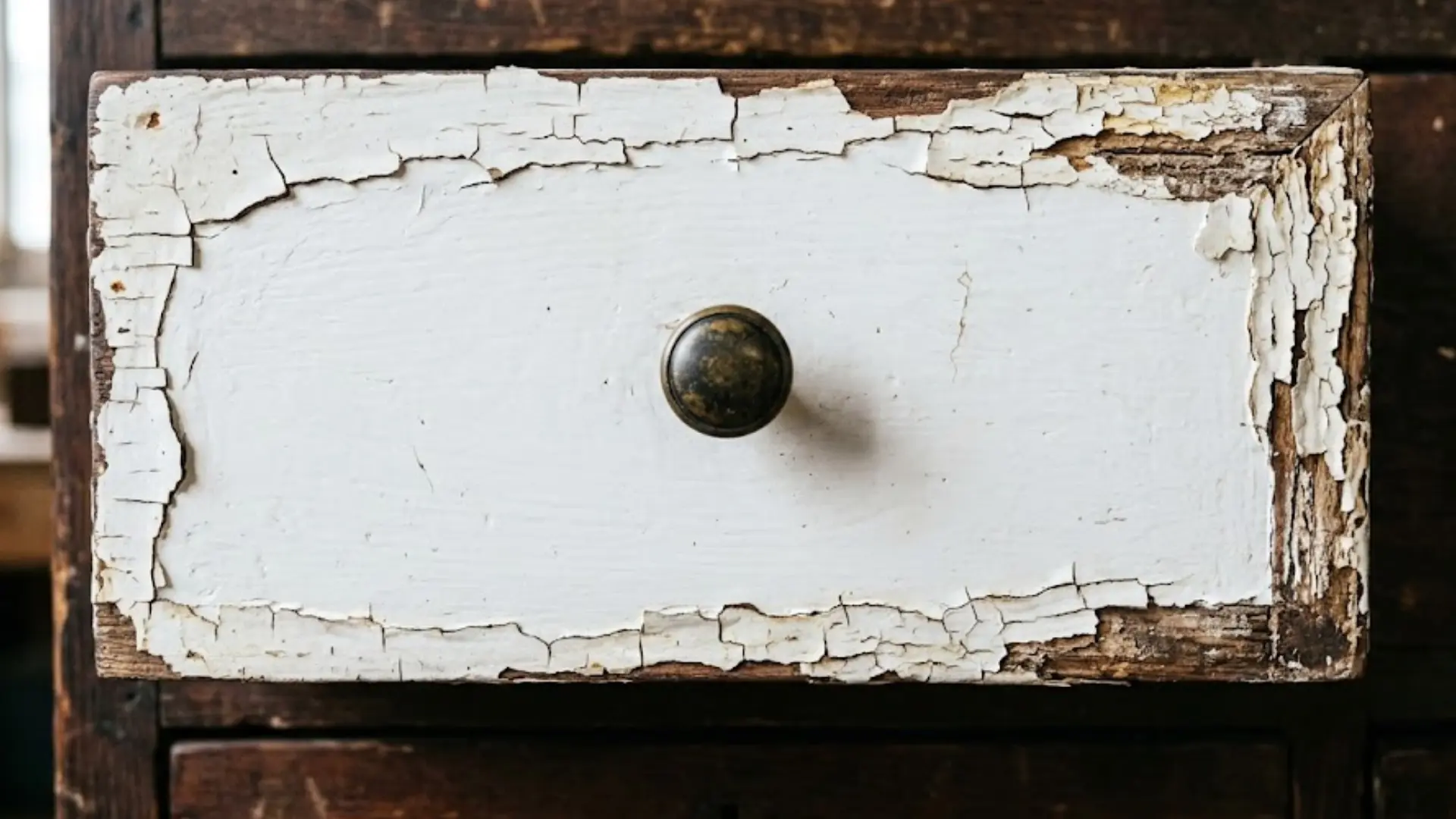
Painting directly over stained wood can create problems because most stains leave behind a smooth, protective layer that paint cannot grip properly.
Without preparation, the new finish may look uneven and fail over time due to:
- Poor paint adhesion: Paint may peel, crack, or chip because it cannot bond well with the stained surface.
- Stain bleed-through: Dark stains and natural wood tannins can appear through lighter paint colors, creating yellow or brown patches.
- Uneven finish: Glossy or sealed wood surfaces may cause streaks and inconsistent coverage.
This bleed-through risk is not limited to stained furniture, either, since paint on treated wood follows a similar set of adhesion rules.
Proper cleaning, light sanding, and using a suitable primer help prevent these issues. Taking these steps creates a stronger surface where paint can stick properly and last longer.
How to Paint Over Stained WoodStep 1: Clean the wood You should start by wiping down the stained wood with a damp cloth and mild soap to remove dust, grease, and grime. ↓ Step 2: Rough it Up With Sandpaper Lightly sand the surface with 120-180 grit sandpaper to scuff up the stain’s sheen. This gives the primer something to grip onto instead of sliding right off. ↓ Step 3: Wipe Away the Dust Use a tack cloth or slightly damp rag to remove all the sanding residue. Leftover dust particles can get trapped under your primer and leave a gritty, uneven finish. ↓ Step 4: Patch Up Imperfections Now, fill any cracks, dents, or nail holes with wood filler and let it dry completely. Sand the patched spots smooth so they blend seamlessly with the surrounding surface. ↓ Step 5: Seal With a Stain-Blocking Primer Apply a quality stain-blocking or oil-based primer to keep old stain from bleeding through your paint. Let it dry fully before moving on to the next step. ↓ Step 6: Start Painting Once the primer has cured, apply your paint in thin, even coats. Let each coat dry before adding the next for a smooth, long-lasting finish. |
How to Tell If Your Wood Stain is Oil-Based or Water-Based?
Knowing whether your wood stain is oil-based or water-based helps you choose the right primer and paint for a durable finish.
To test it, apply a small amount of denatured alcohol to a clean, light-colored cloth and rub it on a hidden stained area for about 10 seconds.
If the cloth remains clean and the surface does not change, the stain is likely oil-based, and you should use an oil-based or shellac-based primer.
If the stain color transfers onto the cloth or the surface feels slightly sticky, it is likely water-based.
This simple test only takes a few minutes but helps prevent adhesion problems and ensures better painting results.
Best Paint Types for Stained Wood
The best option depends on the surface type, how much wear it will receive, and the finish you want.
Always use a suitable primer first to help the paint bond properly and prevent stain discoloration from showing through.
- Acrylic Latex Paint: A water-based option that is easy to apply, dries quickly, and works well for low- to medium-use stained wood surfaces like furniture and trim.
- Oil-Based Paint: A durable paint choice that provides a smooth, hard finish and works well for high-use areas, although it requires longer drying time and proper ventilation.
- Cabinet Paint: Designed for heavy-use surfaces, this paint offers better durability and helps cabinets resist scratches, stains, and daily wear.
- Chalk Paint: A beginner-friendly option that can cover some stained wood surfaces with minimal preparation, but it may need a protective topcoat for better durability.
- Enamel Paint: A strong and long-lasting paint that creates a tough finish, making it suitable for doors, furniture, and surfaces that need extra protection.
How Long Does Paint Last Over Stained Wood?
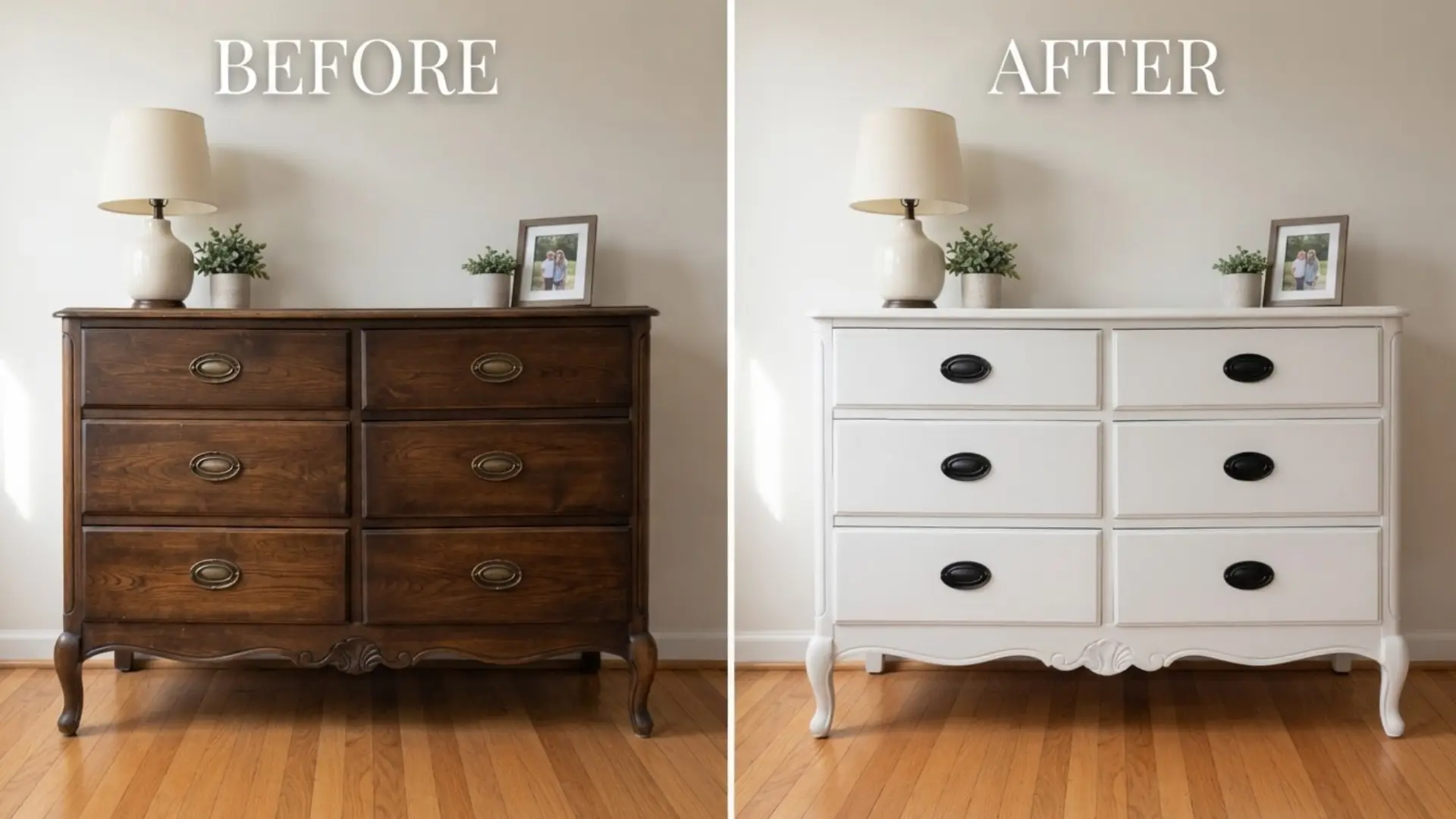
With proper care, painted stained wood surfaces can stay attractive and protected for around 5 to 10 years or longer.
Using durable paint and applying thin, even coats can help maintain a smooth finish.
The lifespan depends on factors like the quality of the primer, type of paint, surface usage, and exposure to moisture or sunlight.
Properly cleaned, sanded, and primed wood usually holds paint better and is less likely to peel or crack.
High-use areas like kitchen cabinets, doors, and furniture may need occasional touch-ups due to daily wear.
Common Mistakes When Painting Over Stained Wood
Painting over stained wood requires more than just applying a fresh coat of paint.
Small preparation mistakes can affect how well the paint sticks, how smooth the finish looks, and how long it lasts.
- Skipping Surface Preparation: Painting over dirt, grease, or a glossy finish can stop paint from bonding properly and may cause peeling or chipping later.
- Not Using Primer: Applying paint without a stain-blocking primer can allow dark stains and wood tannins to bleed through the new color.
- Using the Wrong Paint Type: Choosing a paint that is not designed for wood surfaces may lead to poor durability and a weak finish.
- Applying Thick Paint Coats: Heavy coats can create drips, uneven texture, and longer drying times. Thin, even layers provide better results.
- Ignoring Drying Time: Rushing between primer and paint coats can trap moisture and prevent the finish from becoming strong and durable.
Is Painting Over Stained Wood Worth It?
Not every stained piece needs paint. Before you commit, weigh a few practical factors so you do not regret the decision later.
- Furniture age and quality: Solid wood pieces with good bones are worth painting since the base material holds up long term.
- Sentimental or antique value: A hand-me-down or true antique may lose resale value once painted, so consider a simple refinish instead if the original grain matters.
- Current condition: Deep gouges, water rings, or heavy wear are easier to hide under paint than under a clear stain.
- Your color goals: If you want a bold, uniform color that stain alone can’t achieve, painting is the more direct route.
If the wood grain and natural tone still suit the room, a fresh coat of stain or a light refinish might get you there faster than a full paint job.
Conclusion
A fresh coat of paint can completely transform old stained wood and give your space a new look without replacing everything.
Skip a step, and you will likely see it later in chipped edges or stubborn stain bleed-through. Follow them all, and you will end up with a finish that looks like it was never stained to begin with.
Planning your own stained wood makeover? Tell us about your project or share any challenges you faced in the comments below.
Frequently Asked Questions
Can I Paint Over Stained Wood Without Sanding It?
Yes, you can paint over stained wood without sanding by using a bonding primer or liquid deglosser. However, light sanding usually improves adhesion and creates a longer-lasting finish.
What is The Best Primer To Use For Painting Stained Wood?
A stain-blocking bonding primer is best for stained wood because it prevents tannins from bleeding through and helps paint stick properly. Oil-based or shellac primers work well.
How Many Coats Of Paint Do I Need Over Stained Wood?
Most stained wood surfaces need 2 coats of paint for even coverage and durability. Dark stains or lighter paint colors may require additional coats for a smooth finish.