I used to think creating a beautiful outdoor space meant starting from scratch. You clear everything out. Level the ground. Bring in new plants, new soil, new everything.
Then I watched my neighbor spend a weekend cutting down three mature oak trees to make room for a patio. The patio never quite looked right because they had removed the very things that gave the yard its shade, privacy, and character.
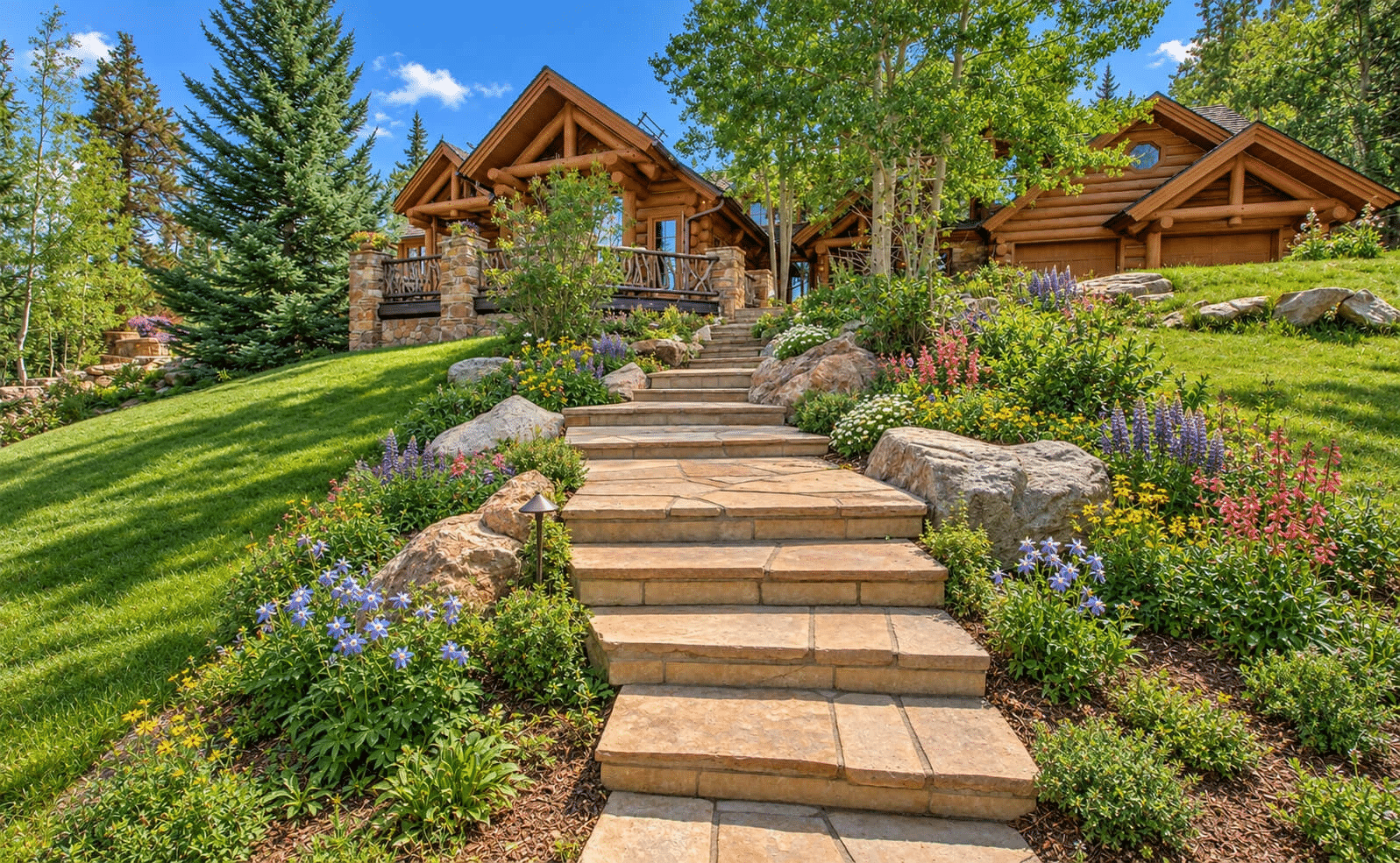
The most beautiful outdoor spaces I’ve seen share one thing: they look like they belong exactly where they are. The plants, materials, and layout work with the land rather than against it.
That happens when you stop trying to force a design onto your yard and start working with what is already there.
Here are 8 ways to do exactly that.
1. Start With What Is Already There
Before you buy a single plant or move a single stone, spend an hour or more walking your property.
Note where sunlight falls in the morning and disappears by late afternoon. Find where water pools after rain and where the ground stays dry.
Look for trails worn into the grass by foot traffic. Those are desire lines. They tell you where paths naturally want to go.
Mature trees, natural slopes, rock outcroppings, and established shrubs are not obstacles. They are the foundation of your design.
A natural low point is already asking to become a rain garden. Observing first gives you the chance to notice these things so you can plan your designs with them inclusive.
2. Preserve Existing Trees and Mature Vegetation
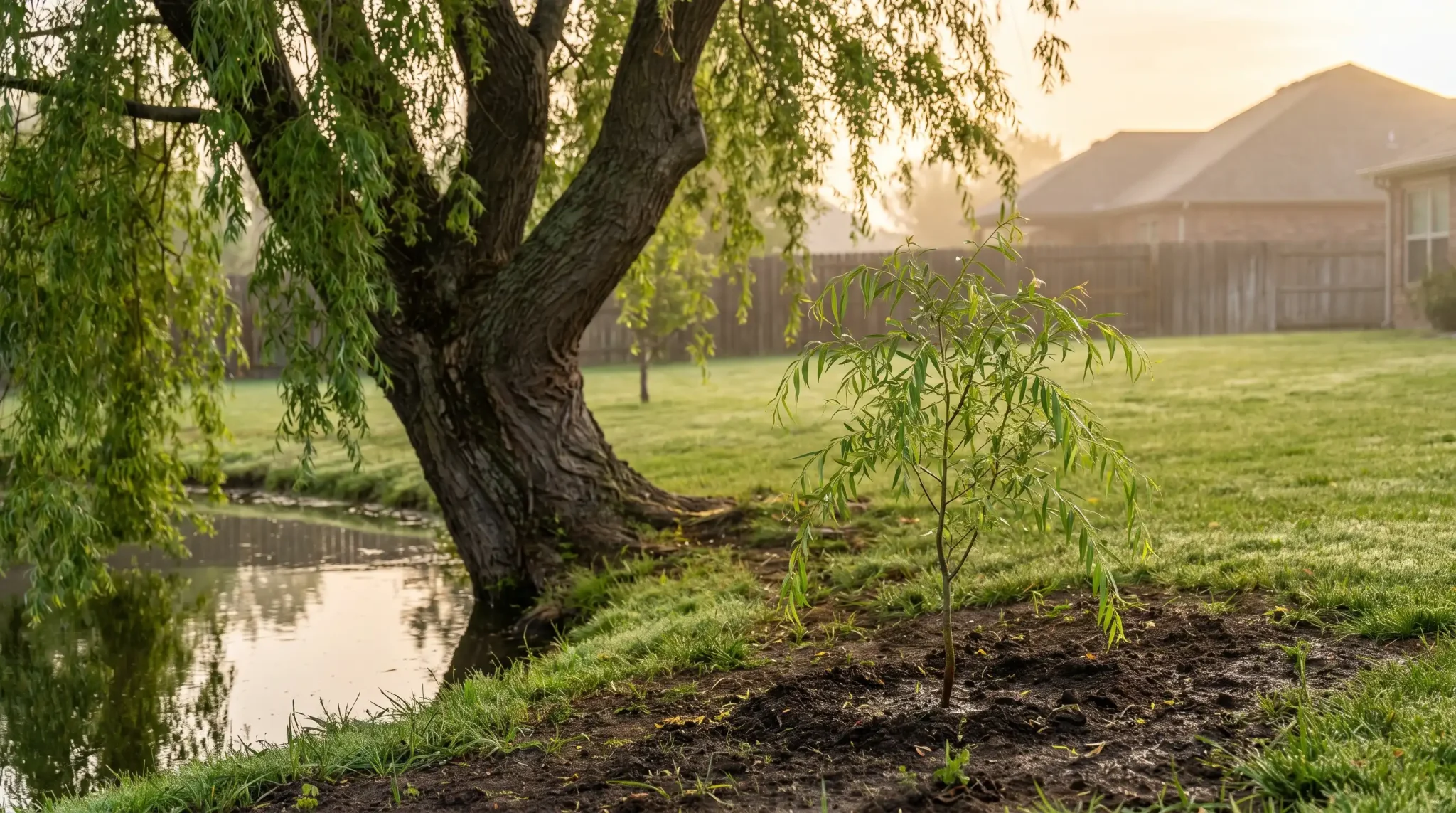
A tree that has been in your yard for years provides shade, anchors the soil, creates wildlife habitat, and gives your space a sense of permanence that no new planting can replicate quick. Removing it to make room for a patio erases value you cannot buy back.
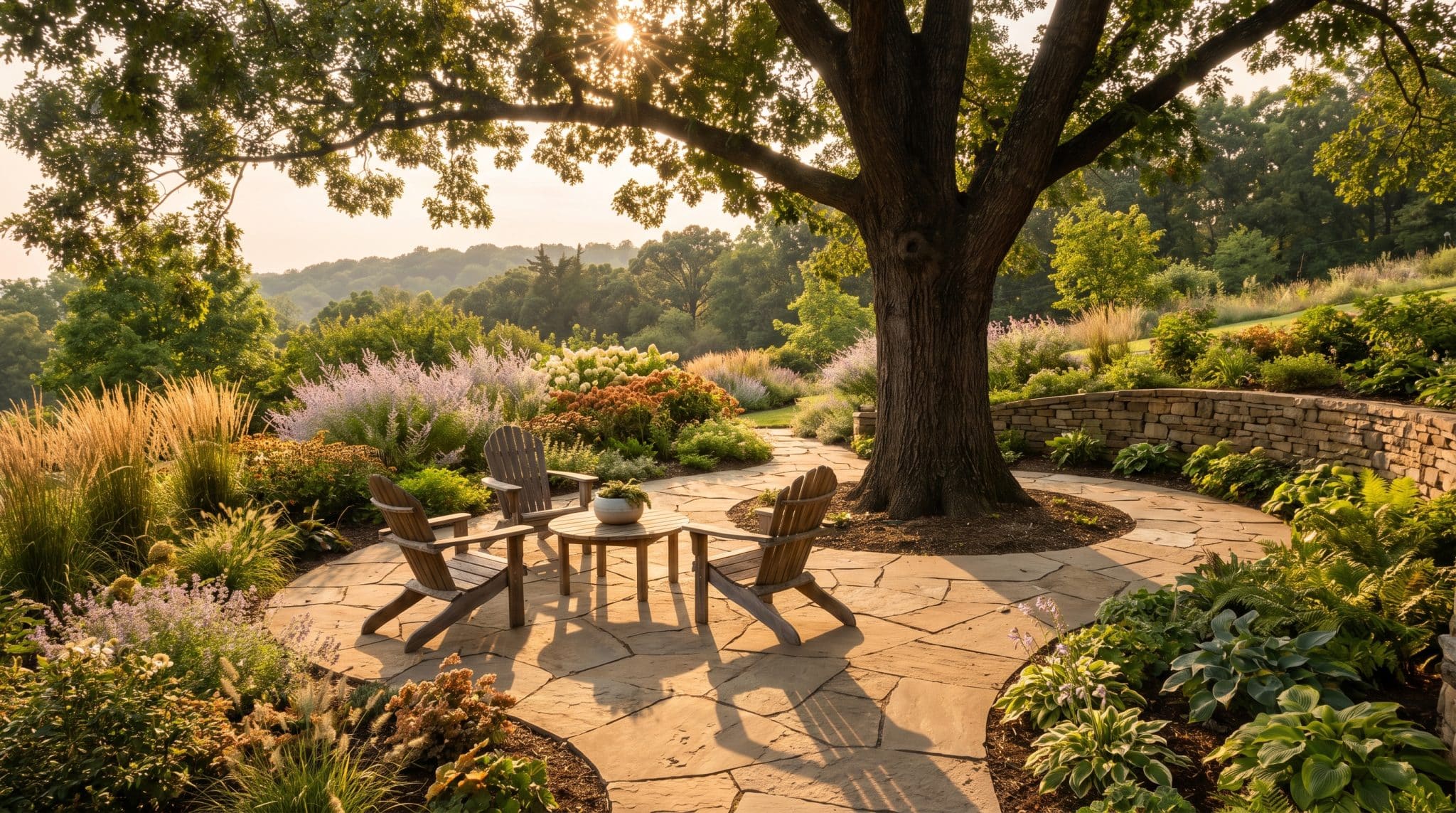
Design around existing trees instead of clearing for a blank canvas. Keep hardscape at least three to five feet from the base of any significant tree and choose permeable materials like gravel or flagstone near root zones so water and oxygen can still reach the roots.
A patio that curves around a mature trunk looks far more interesting than a square concrete slab on cleared ground.
In communities like Ranch at Breckenridge, the combination of large lots and preserved forest cover creates the kind of natural privacy that no amount of new landscaping could achieve on its own. The trees were already there. The design simply included them.
3. Choose Plants That Belong in Your Climate
Native plants are the smartest choice for a low-effort, high-impact outdoor space. Plants that evolved in your region are already adapted to your soil, your rainfall, and your seasonal temperatures. They need far less water, fertilizer, and attention than exotic species constantly fighting their environment.
Start by looking at what grows in undisturbed areas near your property. Walk along a creek bank or a woodland edge. Those plants are thriving without any human help because they belong there. Incorporating them into your design means building with the landscape rather than against it.
Native plants also support local wildlife in ways imported species cannot. For a deeper look at how plant selection affects the ecosystem around your home, this guide to connecting wildlife through plant natives (https://seedsheets.com/connecting-wildlife-through-vegetation-of-plant-natives/) is a great place to start.
4. Let the Terrain Guide Your Layout
A flat lawn is the easiest canvas to work with, but it is also the least interesting. Slopes and natural contours are what make a landscape memorable.
The instinct is to level everything, but leveling erases character and creates drainage problems that cost money to fix later.
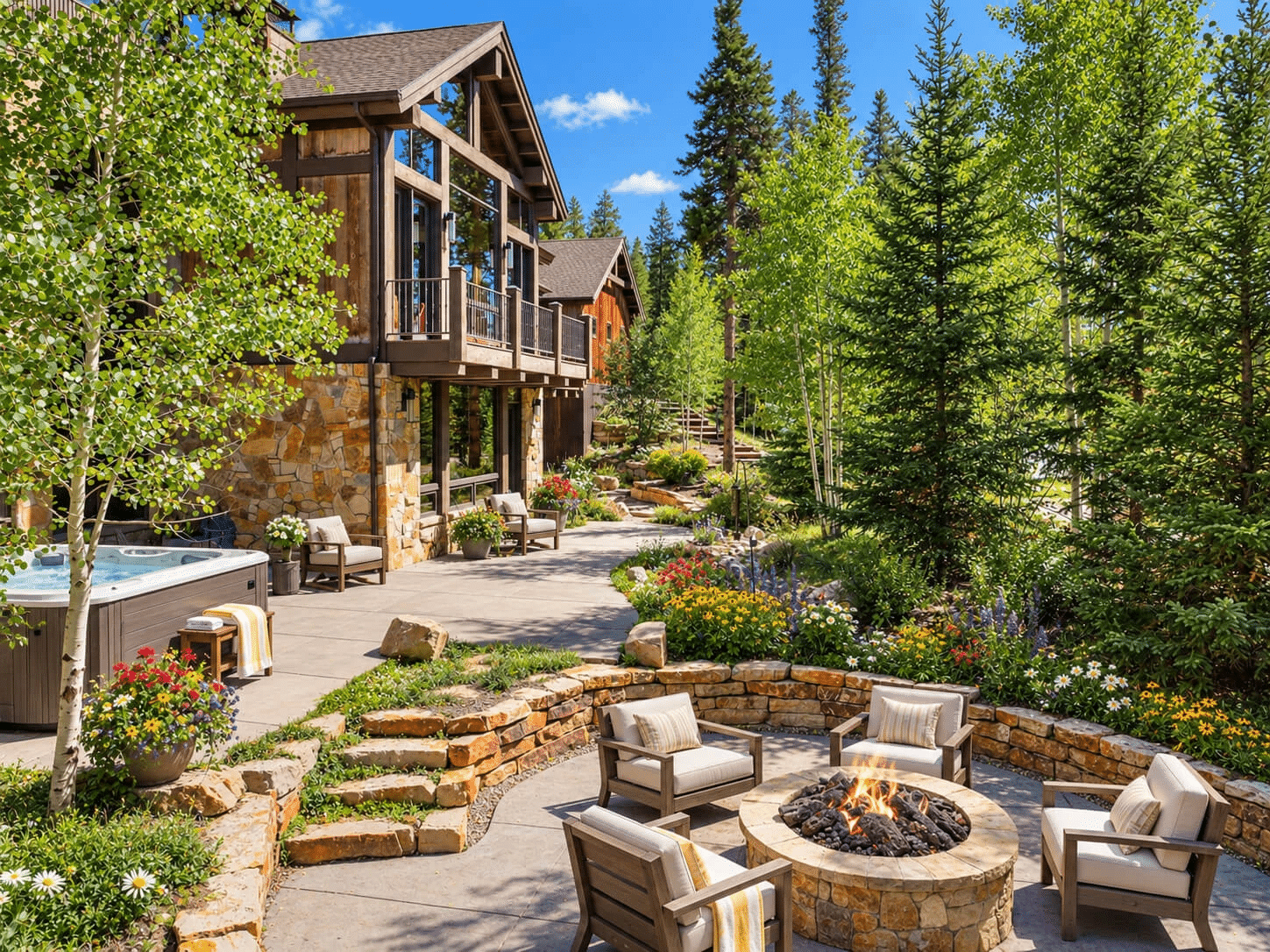
A gentle slope is a natural invitation for terracing. Retaining walls built from stone or timber create level planting areas at different elevations, giving the garden a layered, structured look that flat ground never achieves.
A steeper slope works as a rock garden planted with groundcovers that hold the soil through heavy rain without any mowing.
Paths should follow the natural grade rather than cutting straight lines across it. A path that curves around a slope looks intentional and feels comfortable to walk. Let the terrain suggest the route, and the design will look like it grew from the ground up.
5. Use Natural Materials for Patios, Paths, and Structures
The materials you choose for hardscape determine whether your outdoor space looks like it belongs in its surroundings or was imported from a showroom. Stone, wood, gravel, and decomposed granite all age gracefully and connect to the landscape in a way concrete rarely does.
Choose materials that echo the natural palette of your property. Sandy soil and warm-toned rock? Bring those tones into your paving. Dark timber and cool stone? Let those colors guide your hardscape. Flagstone laid in irregular patterns looks placed with care.
For practical ideas on structures that work with your garden, these DIY garden fence ideas (https://seedsheets.com/diy-garden-fence-ideas-for-any-budget/) cover a wide range of natural material options for any budget.
6. Design Around Your Best Views
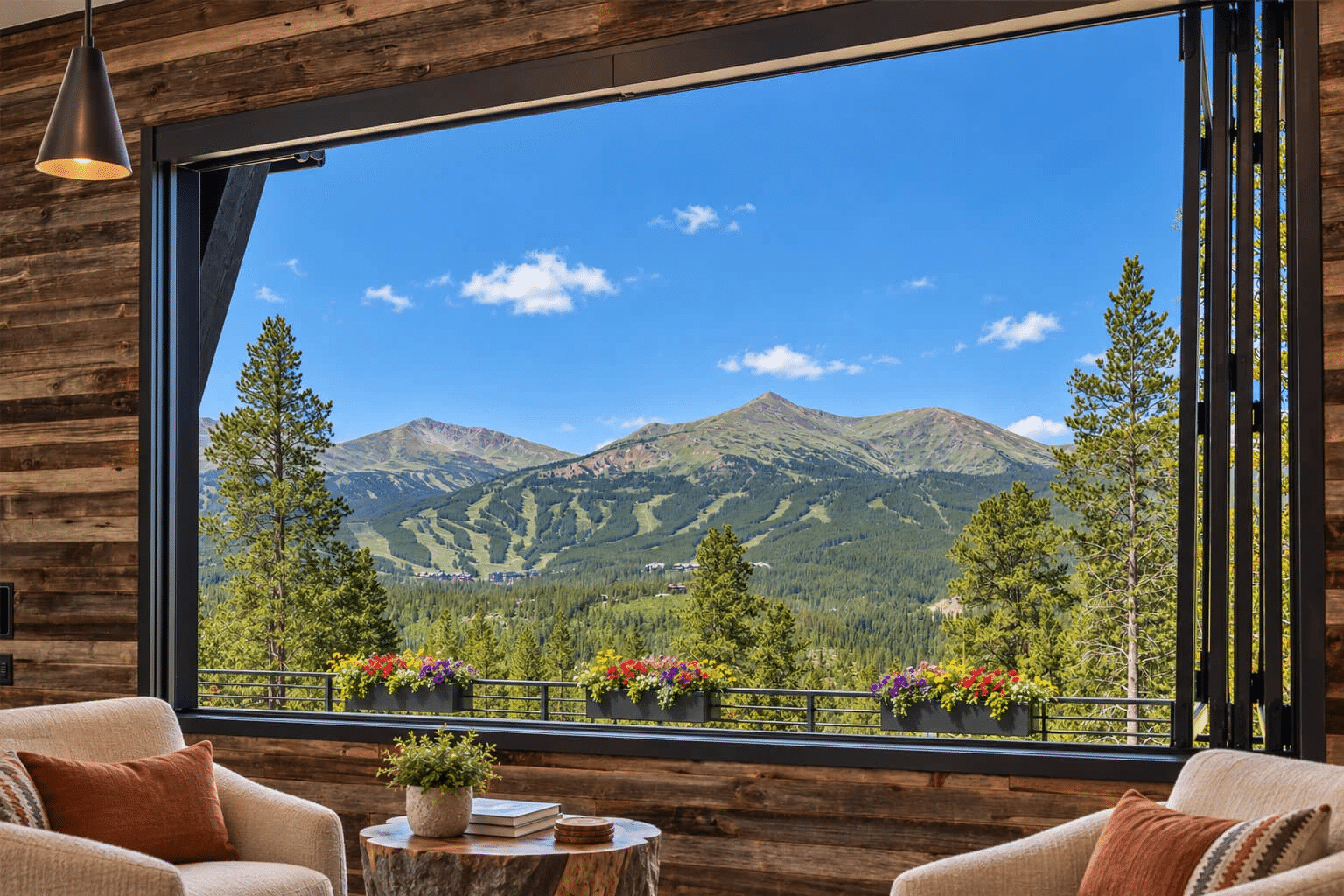
Before you place a deck or seating area, ask one question: what is worth looking at? Most homeowners default to the center of the yard or directly behind the back door. The best position for an outdoor room is wherever the view is most rewarding.
That might mean placing a seating area at the far end of the garden to look back toward the house framed by trees. It might mean orienting chairs toward a distant ridgeline rather than the property line.
In a smaller garden, a planted gateway or an arched trellis draws the eye toward the most beautiful corner and creates a sense of depth.
Highlands at Breckenridge is a good example of how open green spaces, mountain scenery, and walking trails shape the way residents orient their outdoor areas. The view becomes the design driver. Everything else is arranged to support it.
7. Create Privacy With Plants Instead of Fences
A solid fence creates privacy immediately, but it also creates a wall that stops the eye and makes a garden feel smaller. A living privacy screen does the same job while adding depth, texture, movement, and seasonal interest that no fence can match.
Layered planting is the most effective approach. A tall evergreen hedge at the back provides the solid screen. In front of that, a row of mid-height flowering shrubs adds seasonal color and attracts pollinators. In front of that, ornamental grasses or perennials soften the foreground and create depth.
Evergreens like arborvitae, holly, or photinia work year-round. Deciduous shrubs like viburnum or lilac provide spring and summer screening with seasonal interest even when bare.
For ideas on combining plant-based privacy with structural elements, these smart DIY fence ideas (https://seedsheets.com/smart-diy-fence-ideas-for-your-backyard/) show how to layer plants and structures effectively.
8. Make Your Outdoor Space Feel Like an Extension of the Home
The most successful outdoor spaces feel like rooms rather than yards. They have a clear purpose and a visual connection to the interior that makes moving between inside and outside feel effortless.
The easiest way to create that connection is through consistent materials and color. If your interior floors are warm oak, carry that tone into your deck or patio furniture.
If your kitchen has stone countertops, echo that material in an outdoor fireplace or a garden wall. Repeating indoor materials outside creates a visual thread that makes the two spaces feel designed together.
Planting helps too. A pot of the same plant near an interior window and on the outdoor patio creates a visual connection without any construction. A clear sightline from your main living area through a glazed door to the outdoor seating area makes both spaces feel larger.
If you are deciding whether to add a covered outdoor structure, this comparison of verandas and porches (https://seedsheets.com/veranda-vs-porch-differences-costs-best-fit/) is a helpful place to work through the options.
Wrapping It Up
Working with your natural landscape is not a design limitation. It is the most reliable path to an outdoor space that looks considered and holds its character over time.
The trees, the terrain, the views, and the native plants that want to grow there are already doing work on your behalf. Your job is to understand them well enough to build something worthy of the setting.
Drop a comment below and tell us the one natural feature in your outdoor space you are most glad you kept.