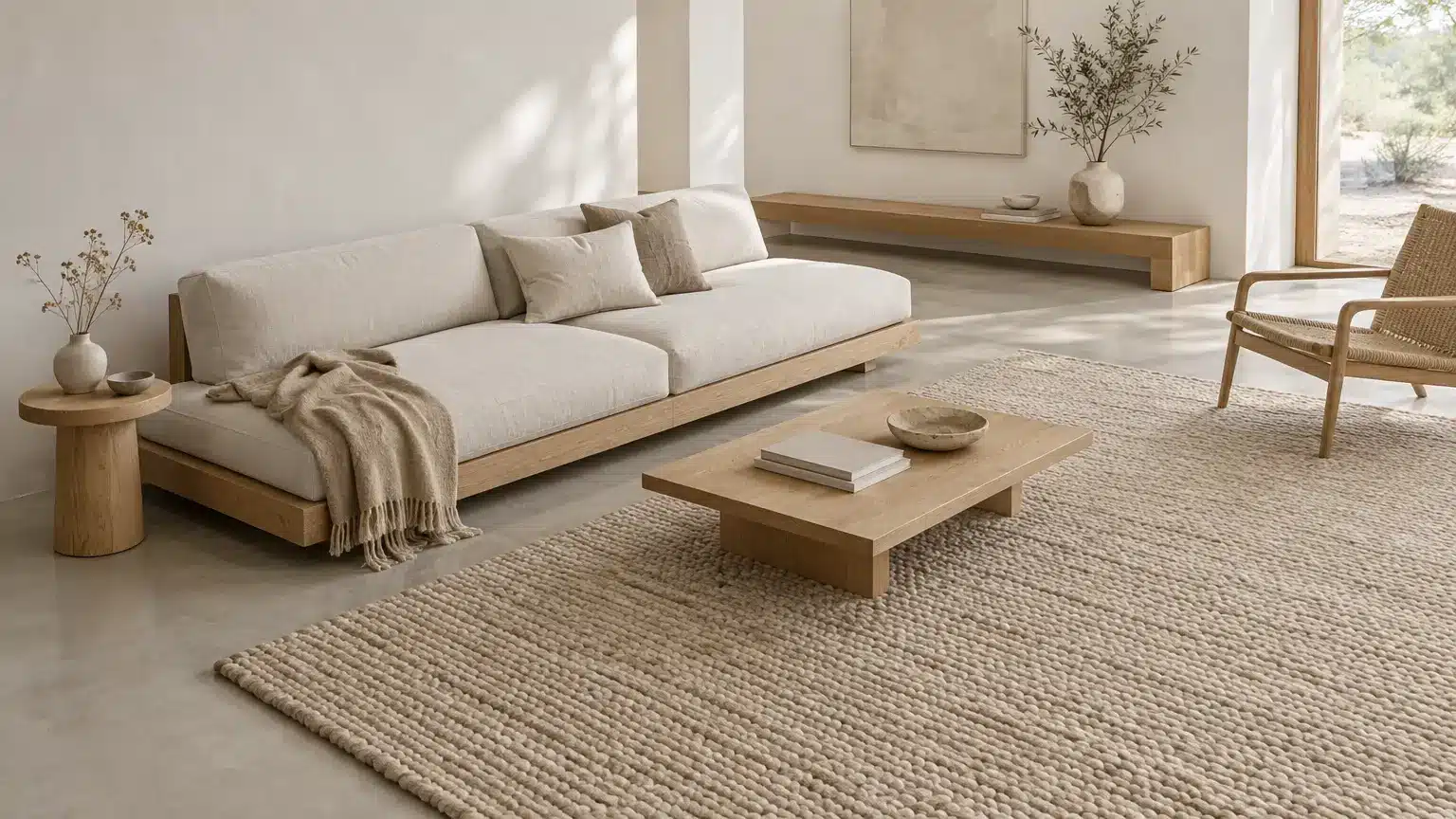
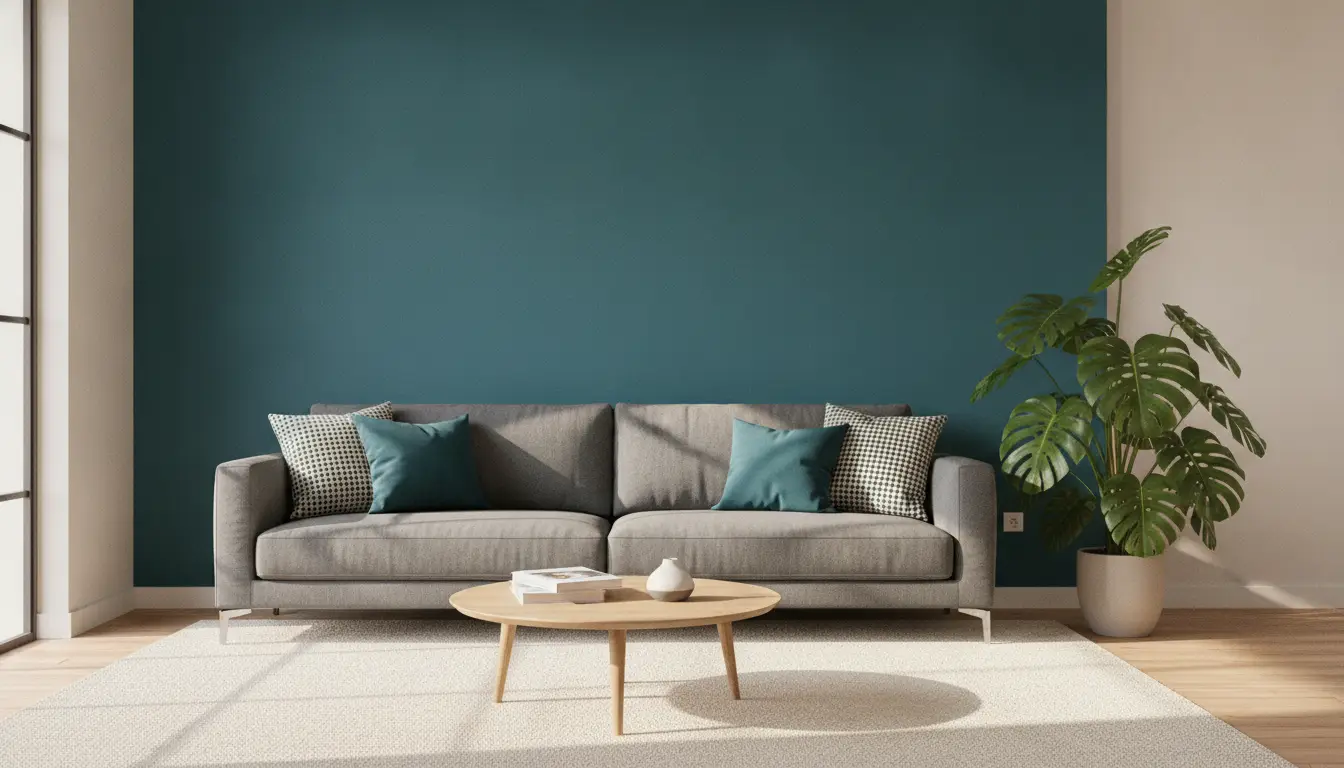
Accent walls are a great option when you want to add more style to your house without renovating your whole room. All you need to do is add some color to one wall only; thus, you will have the chance to bring out that wall while the other parts of the room remain in harmony. You can choose to focus on only a part of the room or the whole room using one wall.
Choose the Right Wall
The second most important step when selecting your accent walls is to identify those walls that act as focal points in the room. There are several walls in the room that act as focal points. You can opt for walls behind your bed, sofa, dining table or entertainment center. Second, the walls that have some sort of architectural or design interest such as a fireplace, shelves, large windows, etc.
In addition, the relationship between your accent wall and the other elements of the room should be kept in mind. Sometimes the focal point in the room just needs a slight modification while dull walls may require a bit more color. Your accent wall should blend well into the decor of your room so that it does not look out of place.
Select a Suitable Color
The use of color makes the most simple approach for an accent wall. Deeper tones of the same color that the room already possesses may be applied on one of the walls to give it volume. Alternatively, one may choose a color that will work as a contrasting element to the colors of the room. When selecting paint, consider the furniture, flooring, window treatments, and decorative accessories already present.
And the last thing that needs to be considered while choosing color for an accent wall is lighting. Based on the time of the day, the same color can appear in a different way if it is either lightened up naturally or artificially. The best thing to do is to highlight the area chosen to see how it would appear at different times of the day.
Consider Texture and Materials
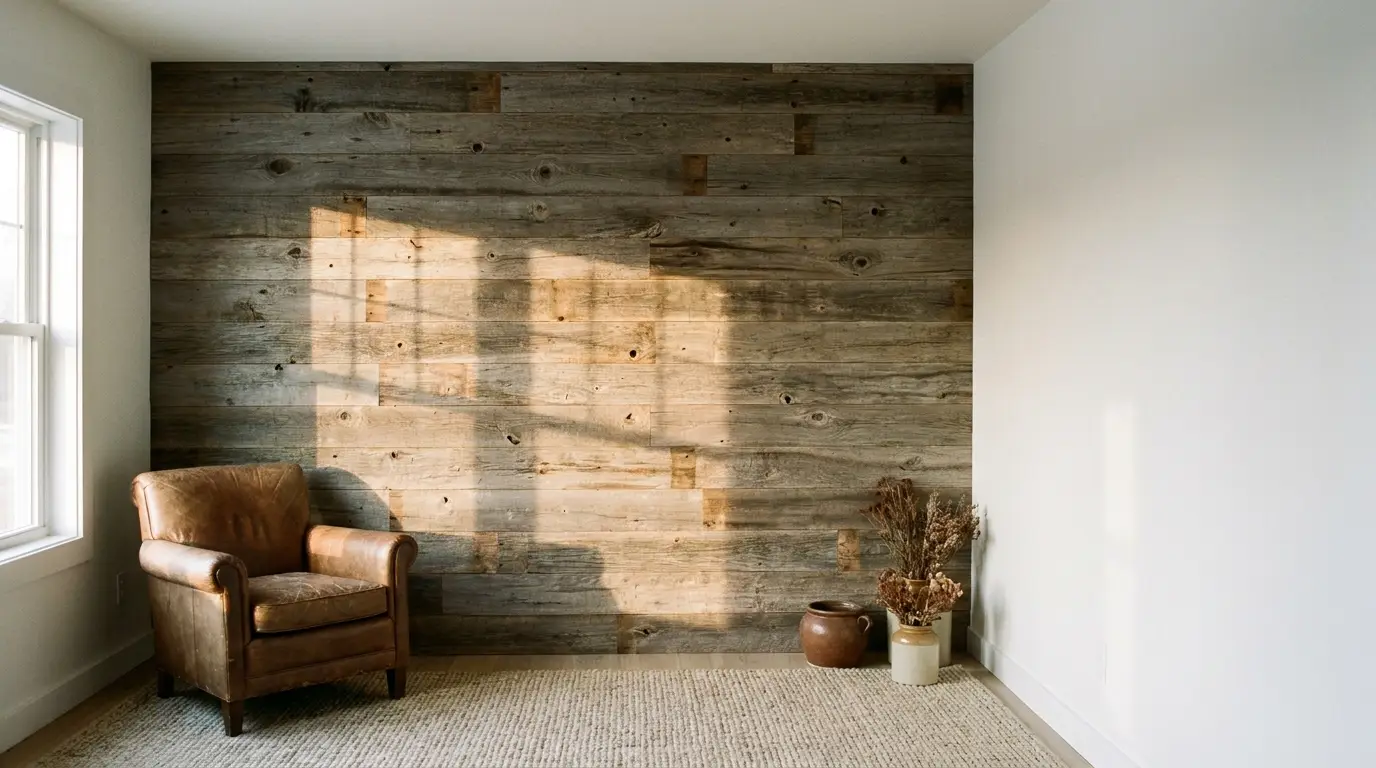
There is another method through which one can design an accent wall using materials such as wood panels, wallpapers, stones, bricks, and many others. These materials help them add depth to the boring walls and make them interesting. These types of walls can be seen very frequently in living rooms, bedrooms, dining rooms, and entrances as these places need such a design element.
In choosing the appropriate materials, one should consider the general appearance and the style of the house or flat along with the requirements of the room in question. Thus, it is important to evaluate the needed building supplies, the state of the wall to be covered, and how much maintenance this particular wall is going to need. In this way, the end result will become more appealing and long-lasting.
Coordinate With Existing Decor
A properly chosen accent wall is usually the one that unifies the entire space through repetition in the accessories, rugs, chair, curtains or other furniture items. Even the walls covered with the bold color should have several accessories in the same hue to ensure that the repetition in this room’s decorating stays subtle.
Moreover, an accent wall should not overshadow other furniture and decor items in the room by creating a dominant color scheme. The accent wall should rather be part of a well-chosen complementing color scheme which will allow it to highlight itself without stealing the show.
Prepare the Surface Carefully
Proper preparation when deciding to paint an accent wall, specifically painting over another finish, is essential to creating a clean final result. Prepping the wall by cleaning the surface, filling any holes, protecting surrounding surfaces, and measuring can make all the difference. In addition, having the right tools at hand before beginning the project will make it easier.
Consider placement of furniture and accessories before finishing the wall. An accent wall should draw attention from different vantage points in the room, and not just be a pretty feature when seen from one angle. Once the design is done, furniture should be placed to either face the wall or work alongside it as the centerpiece.
A house can be given more space and character by using an accent wall. This wall can be achieved with a color, material, or a blend of both. Whatever the case may be, the right approach can make the wall come together nicely and serve as a great addition to a home. Taking the time to analyze the room and its components can allow homeowners to achieve a better end result.