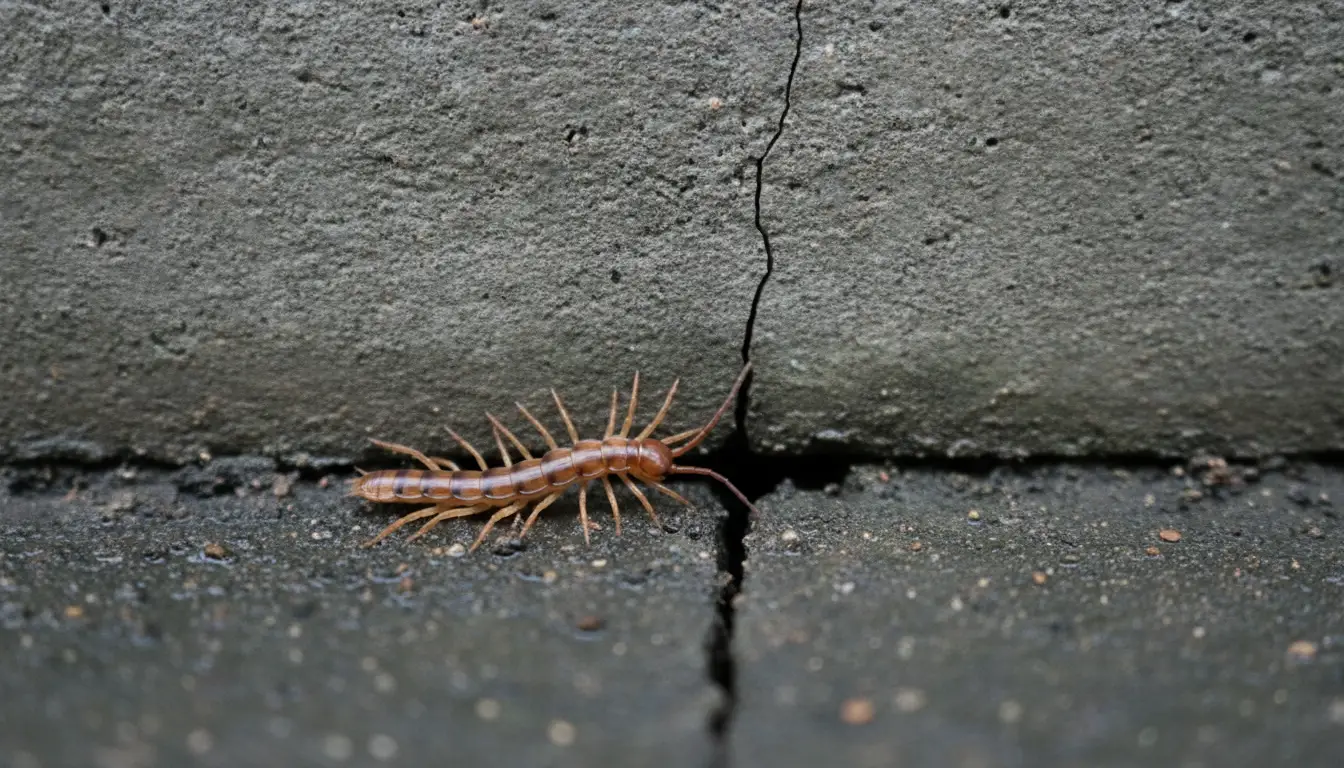
House centipedes are one of those pests that seem to appear out of nowhere, skittering across a bathroom floor at midnight or freezing mid-stride on a basement wall before darting into a crack. Their sudden appearances make them feel mysterious, but the truth is far less dramatic. These creatures are simply following moisture, food, and shelter through openings in your home that have likely existed for years. Understanding where those openings hide is the real first step toward keeping centipedes outside where they belong.
House centipedes thrive in damp, dark environments and are drawn to homes that offer both hiding spots and a steady supply of insects to eat. They are nocturnal hunters, which means most homeowners only catch fleeting glimpses of them rather than understanding the scope of an infestation. Because they move quickly and prefer undisturbed corners, they often go unnoticed until their population grows large enough to become impossible to ignore. Their presence is frequently a signal that other small pests, like silverfish or spiders, are also present and providing a food source.
Many homeowners assume centipedes wander in through obvious gaps like open doors, but the more common entry points are far subtler. Cracks in foundations, gaps around utility lines, and neglected weatherstripping all offer easy access. Florida homeowners in particular deal with unique humidity and soil conditions that make these pests more persistent, which is why resources like 5 signs of a house centipede infestation in floridacan help residents recognize early warning signs before the problem grows. Catching these signals early often prevents a small nuisance from becoming a recurring seasonal issue.
Foundation Cracks and Ground-Level Entry Points
Foundations settle over time, and even small hairline cracks can become highways for centipedes searching for cool, moist shelter. These cracks are especially common near the base of exterior walls, around utility penetrations, and beneath siding that has started to warp. Because centipedes are flexible and can squeeze through spaces as thin as a credit card, homeowners often underestimate how much protection a foundation actually needs. Regularly inspecting the perimeter of your home for new cracks, especially after heavy rain or seasonal temperature shifts, can catch problems before they widen.
Moisture-Rich Areas: Basements, Crawl Spaces, and Bathrooms
Centipedes gravitate toward moisture more than almost any other environmental factor, which makes basements, crawl spaces, and bathrooms prime targets. Poor ventilation, leaking pipes, and condensation buildup create the exact conditions these pests need to survive. Many homeowners overlook crawl spaces entirely, assuming that if they cannot see the area, it is not a concern, but this is often where the largest centipede populations establish themselves. Improving airflow, fixing leaks promptly, and using dehumidifiers in problem areas can significantly reduce the appeal of these hidden zones.
Gaps Around Pipes, Utilities, and HVAC Systems
Every pipe, cable, and vent that passes through an exterior wall creates a potential entry point if it is not properly sealed. Over time, the caulking or foam insulation around these penetrations can crack, shrink, or fall away entirely, leaving gaps that are easy for centipedes to exploit. HVAC lines are particularly overlooked because they are often hidden behind landscaping or tucked into less visible corners of the home. A simple annual check of these areas, paired with fresh sealant where needed, closes off one of the most consistent access routes into a home.
Window Wells, Doors, and Weatherstripping Failures
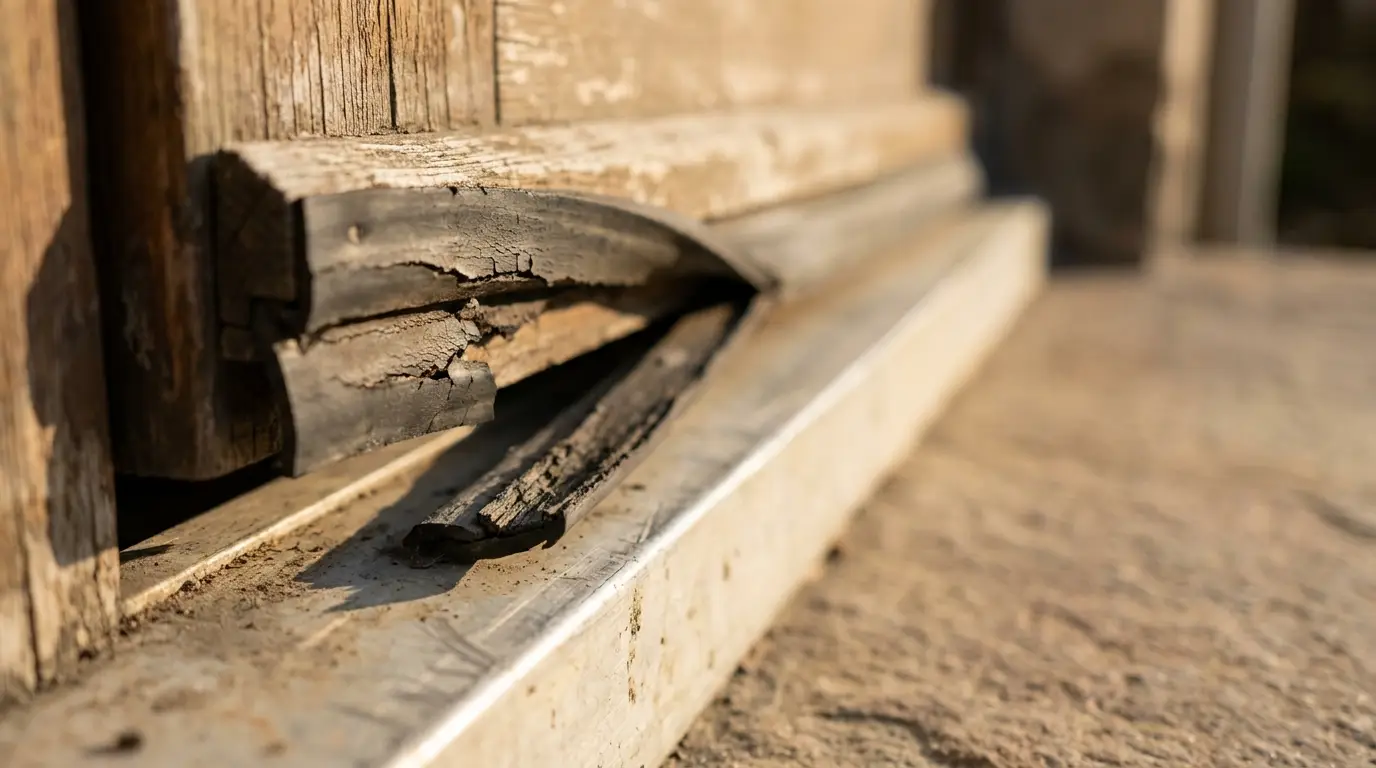
Weatherstripping is one of those small home components that homeowners rarely think about until it fails, and by then pests have often already taken advantage of the gap. Worn door sweeps, gaps beneath sliding doors, and deteriorated window seals all create pathways that centipedes use to slip inside during cooler or drier months when they are searching for humidity indoors. Window wells, especially those near basements, can also collect debris and moisture that attract centipedes before they ever reach the house itself. Replacing weatherstripping every few years and keeping window wells clear of leaves and mulch buildup goes a long way in reducing access points.
Attic and Upper-Level Vulnerabilities Most Miss
While centipedes are typically associated with basements, attics and upper-level gaps can be just as vulnerable, particularly in humid climates. Roof vents, soffits, and gaps around chimneys often go unchecked for years, allowing moisture to accumulate in insulation and wood framing. This creates an unexpected but hospitable environment for centipedes that have made their way upward through wall voids. Homeowners who assume centipedes only stay near the ground floor may miss these signs entirely, allowing populations to grow undisturbed for long stretches of time.
Prevention Strategies: Sealing and Monitoring
Consistent prevention relies on a mix of sealing vulnerable points and monitoring for early signs of activity. Homeowners can benefit from resources like the pest fixes sectionon Seedsheets, which offers broader guidance on identifying and addressing household pest issues before they escalate. Combining this with routine humidity control, prompt leak repairs, and regular inspections of doors, windows, and foundations creates a layered defense that centipedes struggle to bypass. The table below outlines general figures homeowners can use as a reference when evaluating common risk areas.
|
Entry Point |
Common Issue |
Recommended Inspection Frequency |
|
Foundation Cracks |
Settling, moisture intrusion |
Every 6 months |
|
Utility Penetrations |
Deteriorated sealant |
Annually |
|
Weatherstripping |
Wear and gaps |
Every 1 to 2 years |
|
Attic Vents |
Moisture buildup |
Annually |
When to Call a Professional
Sometimes sealing gaps and improving ventilation is not enough, especially if a centipede population has already established itself deep within wall voids or crawl spaces. Professional pest technicians can identify structural vulnerabilities that homeowners might miss, and they often have access to treatments that address both centipedes and the smaller insects they feed on.
Conclusion: Proactive Home Defense
House centipedes may be unsettling to encounter, but they are also highly preventable once homeowners understand where they truly gain access. By focusing on foundations, moisture-prone areas, utility gaps, weatherstripping, and even attic spaces, families can dramatically reduce the likelihood of an infestation taking hold. Small, consistent maintenance efforts often make the biggest difference over time, especially when paired with professional insight when situations call for it. A proactive approach not only keeps centipedes out but also strengthens the overall resilience of the home against a wide range of common pests.