Clutter has a quiet way of taking over. It starts with a stack of mail on the entry table, spreads to remote controls scattered across the sofa, and eventually settles into a slow, low-grade tension that follows you from room to room. The right piece of furniture can reverse that drift without a major renovation, without expensive built-ins, and without hours of daily tidying. A well-chosen storage cabinet gives every belonging a defined home, replaces visual noise with clean lines, and lets a room finally exhale. Whether you are simplifying a living room, taming a hallway, or bringing structure to a home office, one thoughtful piece of furniture can quietly shift the mood of an entire space. This guide walks through why storage cabinets solve the everyday clutter problem, how to match one to your rooms, and what to look for so the piece keeps working for years to come.
Why Everyday Clutter Keeps Coming Back
Most homes do not have a shortage of storage. They have a shortage of the right kind of storage in the right places. Open shelves collect dust. Baskets fill up and get shoved into corners. Drawers overflow with cables, chargers, and half-used stationery. The result is that items you use weekly end up sitting on countertops and floors because they have nowhere better to go. This is where a purpose-built storage cabinet changes the equation. It gives you a defined, closed volume for the objects you want to keep but do not want to see, and it does so at furniture-height rather than in a distant closet. The moment a cabinet enters the room, decisions get easier: books on the shelves, everyday items behind the doors, decor on top. The room stays useful, and it stays quiet. What makes this shift stick is that the storage becomes part of the room rather than a task added to your calendar. You are not managing a system. You are simply putting things away as you move through the day, because the destination is right there in front of you.
The Rooms That Benefit Most
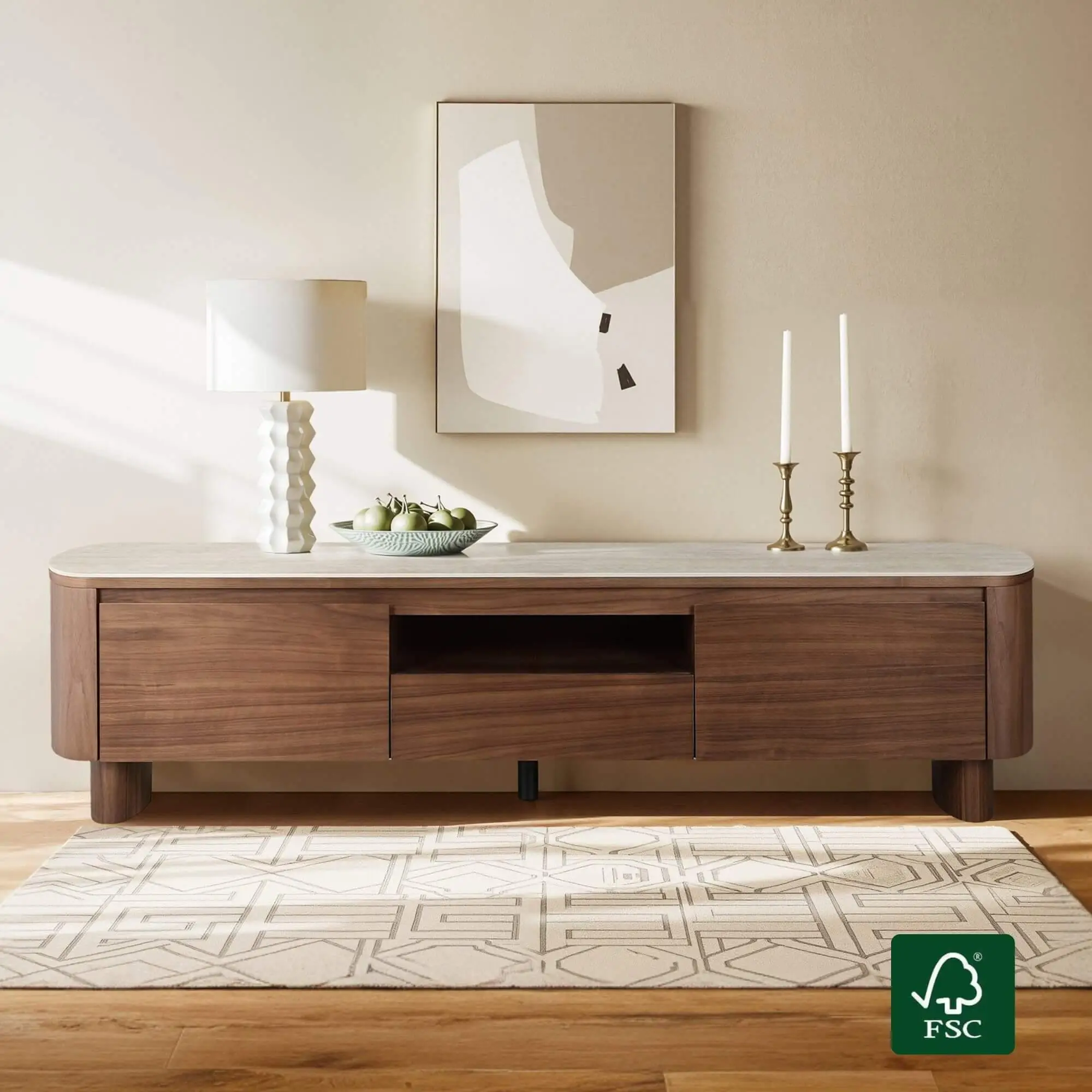
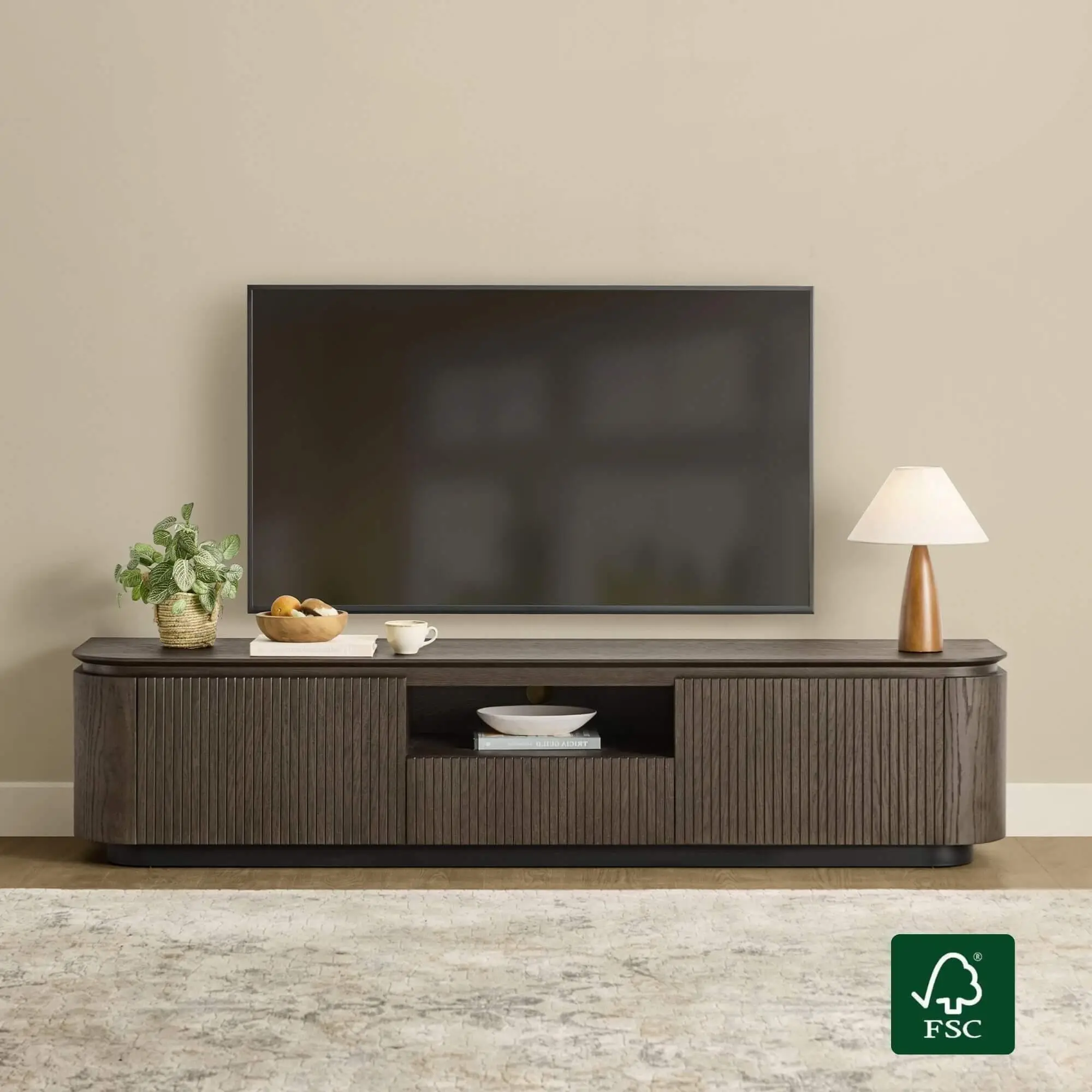
Almost every room has a clutter zone, but a few benefit dramatically from adding a dedicated cabinet. In the living room, a media cabinet or low sideboard hides remotes, game controllers, streaming devices, and the tangle of cables that never seem to disappear. In the dining area, a sideboard becomes the natural home for table linens, serving pieces, and the small extras that used to migrate onto the countertop. In an entryway, a tall cabinet swallows shoes, bags, umbrellas, and the mail pile before it can spread. In a bedroom, a slim cabinet acts as a laundry staging area, a reading corner, or a place for the personal items that do not belong in a closet. Even a home office feels lighter when files, printer supplies, and cables live behind a closed door instead of on an open desk. Guest rooms, playrooms, and craft corners follow the same rule: the more mixed-use a space is, the more it benefits from a piece of furniture that can absorb whatever the day sends its way. A cabinet gives a room the ability to change moods quickly. Within a minute or two, a playroom becomes a place for adults to gather, and a home office becomes a quiet reading spot, simply because the visual signals of the other activity have been tucked away.
Hidden Storage Versus Display Storage
Not every cabinet has to be closed. Many of the most useful pieces mix closed doors with open shelving, letting you hide the messy items while displaying the things you actually enjoy looking at. Closed sections handle the utilitarian load: paperwork, spare cables, extra glassware, board games, or seasonal items that only appear a few times a year. Open shelves handle the intentional layer: framed photos, plants, a small stack of favorite books, a decorative bowl. The balance matters. Too much open shelving turns the cabinet into another surface to manage. Too much closed storage can feel heavy or blank. A cabinet that offers both, in roughly the right proportion for your room, tends to be the piece that keeps working over time. It is worth thinking about what you actually want to see when you walk in. If a room already has strong visual features, a mostly closed cabinet keeps the eye moving. If the walls are calm and the palette is soft, a few open shelves become the place where personality lives.
Sizing and Placement Without Guesswork
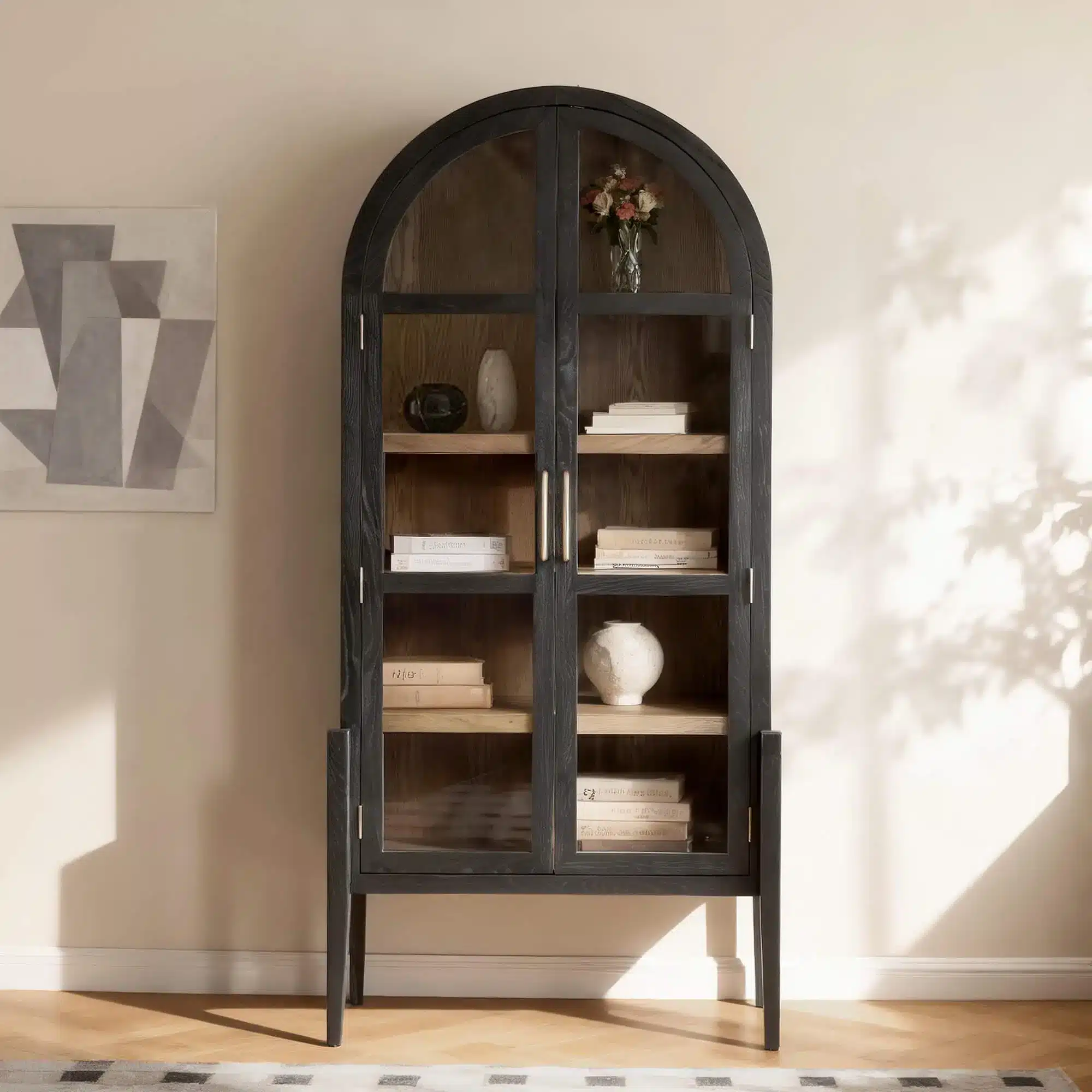
A cabinet that looks perfect in a showroom can feel wrong the moment it arrives home, and the issue is almost always proportion. Before you commit to a piece, measure the wall it will sit against, then subtract a few inches on each side so the cabinet does not press up against door frames or window trim. Height matters just as much. Low, long cabinets ground a space and let art or a mirror sit above them, which is why they work so well behind sofas or under wall-mounted televisions. Tall cabinets draw the eye upward and are a good choice for narrow walls, entryways, or corners that would otherwise feel dead. If the room already has strong horizontal lines from a long sofa or dining table, a tall cabinet can add welcome vertical balance and prevent everything from settling at the same level. It also helps to think in terms of the path you take through the room. A cabinet that sits along a walking route needs shallower depth and doors that swing cleanly out of the way. A cabinet tucked into a nook can afford to be deeper and more generous, since nobody is brushing past it on the way to somewhere else.
Materials, Finish, and the Long View
Storage furniture takes real daily wear. Doors get opened and closed thousands of times. Tops collect keys, mugs, and lamps. Feet get bumped by vacuum cleaners and shoes. Solid wood construction and quality veneers hold up to that reality far better than lightweight particleboard, and the finish carries most of the visual weight. Warm natural woods bring softness and work with almost every palette. Painted finishes, especially in muted tones, can make a cabinet feel almost architectural. Hardware sets the tone as well: aged brass reads traditional, matte black reads modern, and simple integrated pulls read quiet and current. Brands like CHITA LIVING lean on this principle, pairing durable wood construction with restrained finishes so a cabinet reads as part of the room rather than a piece competing for attention. The details you notice up close matter more than the ones you see across the room. Doors that close softly instead of slamming, drawers that glide instead of stick, and joints that stay tight over the years are the difference between a cabinet you love and one you tolerate.
Style That Ages Well
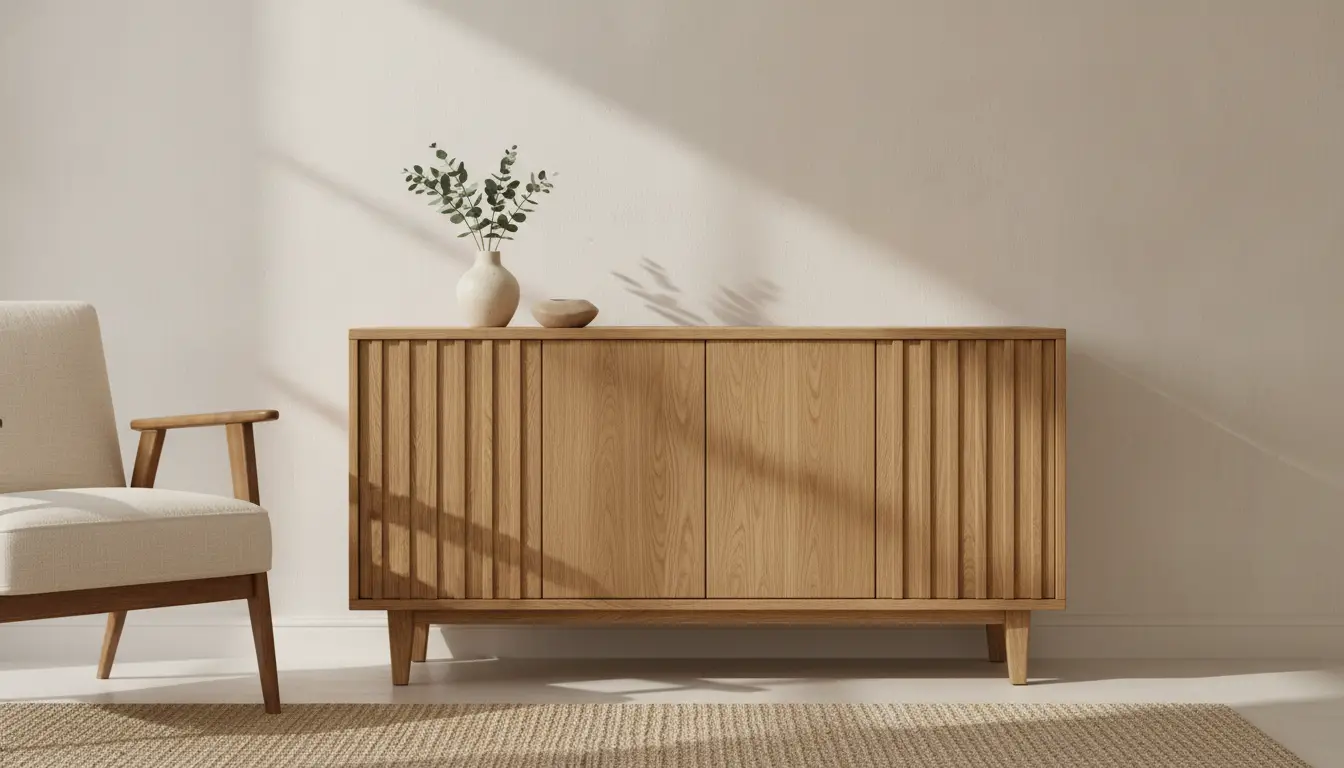
The most useful piece of furniture in the room is also the one you will keep the longest, so the design should be one you can live with through several rearrangements. Extremely trendy shapes and colors tend to date quickly. Clean silhouettes, honest materials, and quiet details tend to keep working through repaints, rug changes, and even moves to new homes. Arched details, tapered legs, cane inserts, and fluted fronts all bring character without shouting. If you are unsure, imagine the cabinet against three different wall colors and next to three different sofas. If it still looks at home in every scenario, it is probably a piece worth keeping. The same test applies to how the cabinet feels when it is empty. A well-designed piece looks intentional on its own, before any styling. If it needs a full arrangement of objects to look right, it will always feel like a stage rather than a room.
Making the Cabinet Actually Work
Once the cabinet is in place, the last step is treating it as a tool rather than a trophy. Group items by how often you use them and assign shelves accordingly: daily use at the most accessible height, weekly use above or below, and seasonal or rarely used items in the least convenient spots. Use small trays, boxes, or fabric bins inside closed sections so loose items stay contained and do not slide around every time a door opens. Do a quick five-minute reset at the end of each week, returning stray items to the cabinet rather than letting them stack on top of it. A system this simple is enough to keep a room feeling ordered for months at a time, with none of the ongoing effort that fussier organizing methods demand. Over time, the cabinet begins to teach the room. Family members learn where things live because the destination is obvious. Guests instinctively set things down in the right spots. What began as a piece of furniture becomes a small piece of infrastructure that keeps the home running quietly in the background.
A Quieter Home Starts With One Thoughtful Piece
The pieces of furniture that change how a home feels are rarely the flashy ones. They are the quiet workhorses that give everything else room to breathe. A well-designed storage cabinet does exactly that, absorbing the daily overflow so the rest of the room can focus on comfort, conversation, and light. Choose one that fits the wall, complements the finishes already in the room, and offers a thoughtful mix of hidden and open space, and you will notice the difference within days. Clutter stops migrating. Surfaces stay clear. The room feels intentional again. CHITA LIVING approaches storage with that same idea in mind, offering pieces built to disappear into daily routines and reward you with calmer, more spacious rooms for years to come.