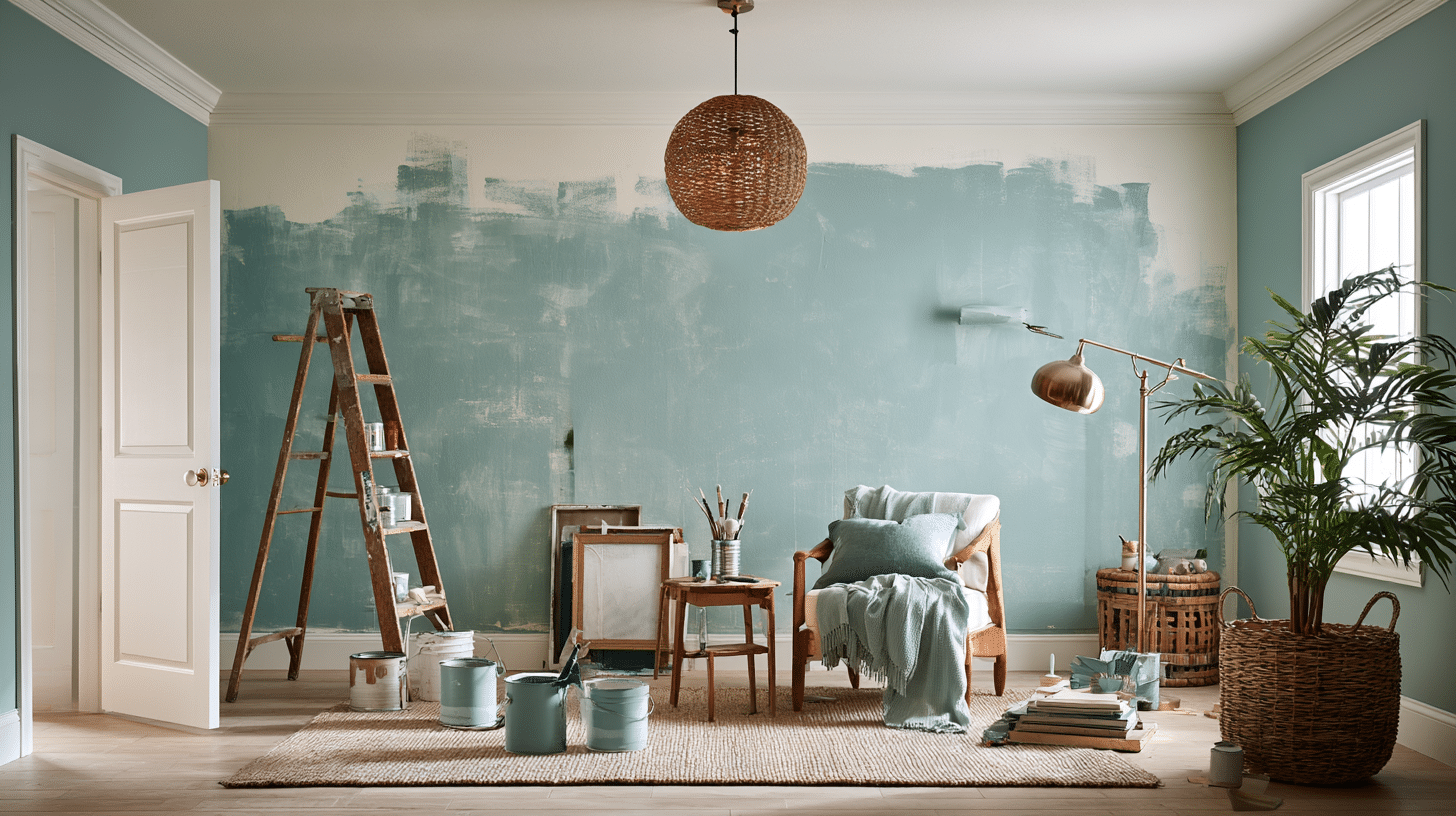
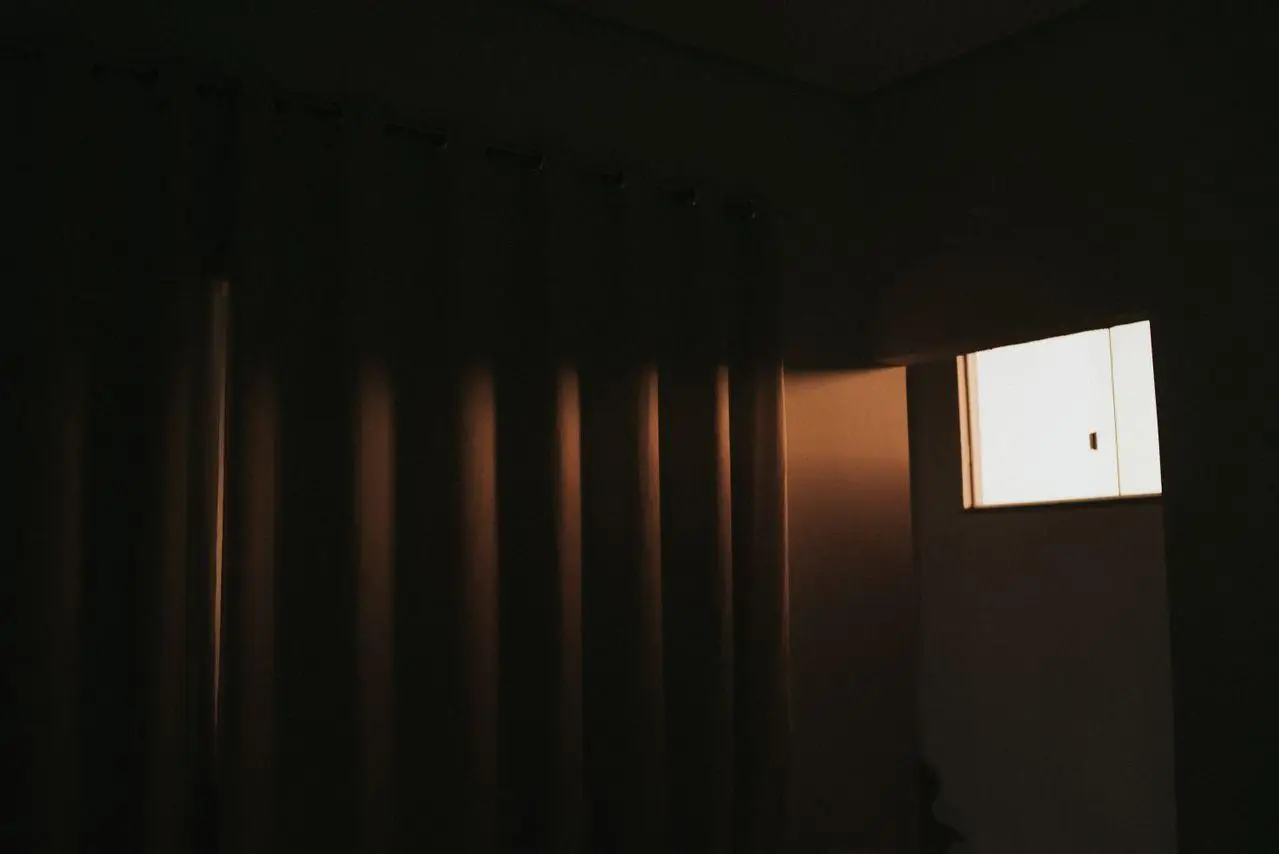
We lived in the same house for four years before I admitted the box room over the stairs was a problem. Not a decor problem, a mood problem. It was the room I avoided. Boxes in, door shut, forget about it.
I’d love to say I fixed it because of some grand plan around wellbeing and daylight and all the things you read about in lifestyle pieces. Really, it started because my wife wanted a proper desk to work from, and the spare room was the only space that made sense, if only it weren’t so grim.
What Surprised Me Most About the Project?
So we put in a roof window. And the thing nobody tells you about doing a small renovation like this is how much of the actual experience is admin, not design. I spent more hours reading about window size codes and permitted development rules than I did picking a colour for the walls.
Here’s what stuck with me from doing it properly rather than just calling the first fitter in the search results.
What Should You Check Before Installing a Roof Window?
I checked whether we’d need planning permission before assuming either way. Most roof windows in the UK don’t need it, as long as they don’t stick out too far from the roof line. We didn’t need it. I’d have paid a fitter to “handle the paperwork” if I hadn’t checked first, for paperwork that didn’t need to exist.
Are All Installation Quotes Really Comparable?

I got three quotes, and they were wildly different, not because of quality, but because of what was actually included. Scaffolding, plastering the inside reveal, supply versus fit. Once I understood what should be in a quote, comparing them properly took ten minutes instead of a week of second-guessing.
I used a cost calculator from a small UK site called Renofique to check whether our quotes were reasonable before we signed anything. And honestly? It was more useful than anything a fitter told us, because nobody selling you the job has much reason to tell you the market rate.
Was It Actually Worth It?
What changed after, though, is the part I didn’t expect. That room gets used every single day now. Not because the light itself is life-changing in some dramatic way, but because a bright room is a room you actually want to sit in. I do my reading there most evenings instead of on the sofa with the TV on. My wife works from there most mornings. The plants we moved in “just to see” are doing better than anywhere else in the house.
It wasn’t a wellness upgrade. It was a very ordinary fix to a very ordinary problem: one room in the house nobody wanted to be in. Turns out the fix was mostly about light, and the hardest part was just doing the research properly before we handed over any money.
Is there a room in your house you’ve quietly given up on?