Wildlife has a funny way of acting like your house is part of the neighborhood welcome package. One day it’s a quiet attic, and the next it sounds like tiny sneakers are running laps above your head. Center Point sits close enough to wooded stretches that raccoons, squirrels, and rats treat residential streets as an extension of their territory.
The good news is that most wildlife problems start with a few fixable habits around your home. If you know what attracts animals and where they sneak in, you can make your space a lot less inviting without turning your yard into a fortress.
Why Animals Move In
Animals usually aren’t trying to be rude. They’re just looking for the same things you want in a home: safety, food, and a dry place to rest. Your attic stays warm. Your crawl space stays dark and quiet. Your trash can might smell like an all-you-can-eat buffet.
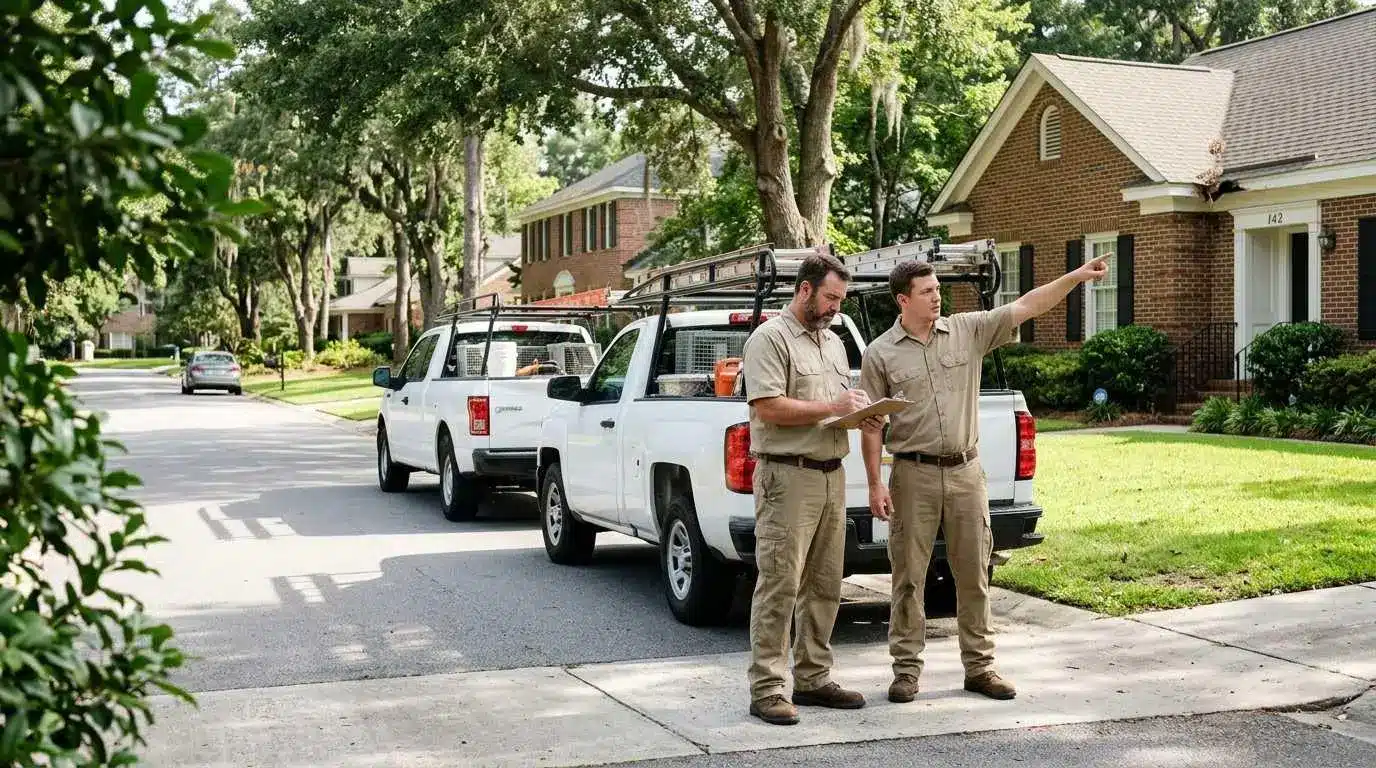
That’s why raccoons, squirrels, rats, and other critters often end up around homes, especially when weather turns rough or food gets scarce. Steady scratching overhead, a strong smell, or torn insulation means something has already settled in and started building. If you’re looking for a wildlife removal company, Center Point has excellent professionals ready to handle the job, from locating entry points and setting safe traps to relocating the animal, clearing the nest, and disinfecting what it left behind.
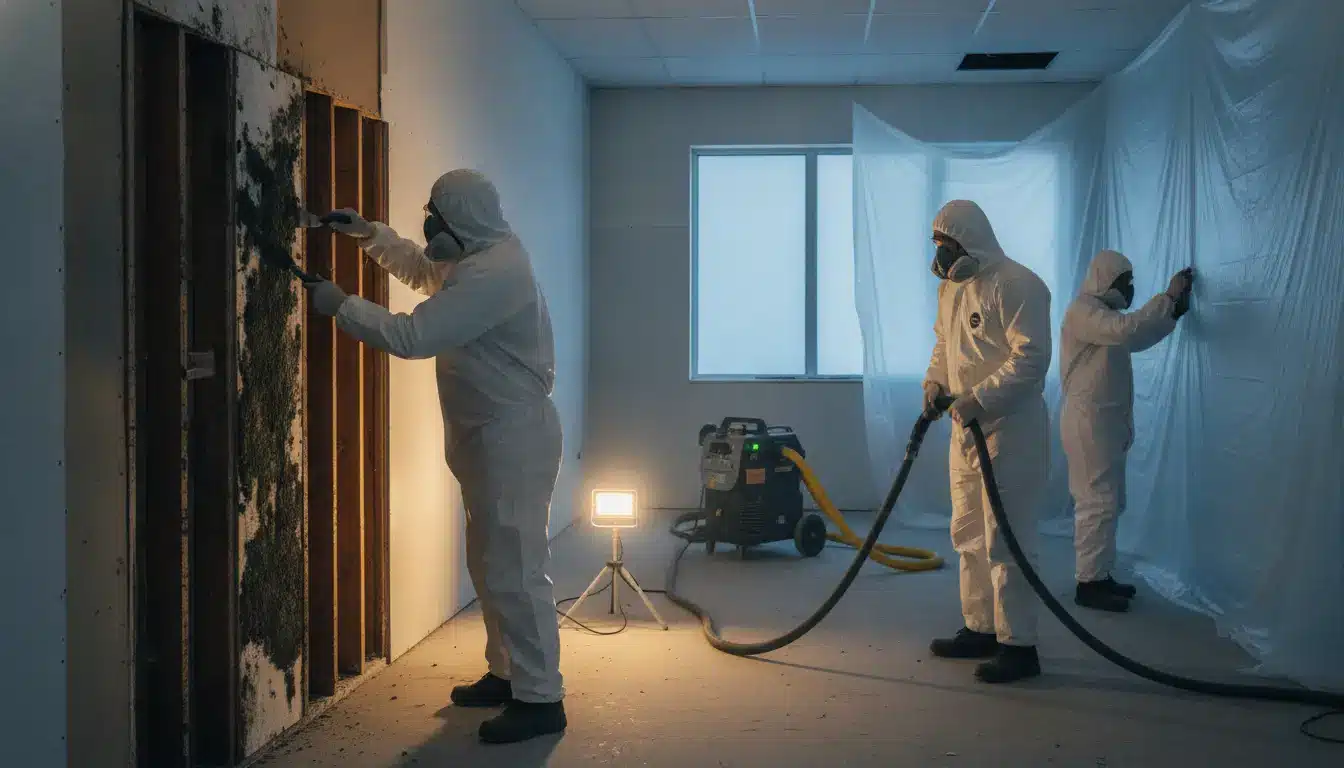
Repairs to chewed wood, drywall, wiring, and insulation are part of that same visit. Prevention matters because once animals move in, they don’t always leave politely. Some build nests. Some chew wiring. Some leave behind a mess that no one wants as a housewarming gift.
Spot the Early Signs
Wildlife problems are easier to handle when you catch them early. The first clue is often sound. You might hear scratching in the walls, scampering in the attic, or thumps at night when the house is quiet. If your ceiling starts sounding like a tiny dance contest, pay attention.
Other signs are easier to see. Look for droppings near the garage, attic hatch, or along exterior walls. Watch for insulation that looks pulled apart, bits of nesting material, or greasy marks near small openings. A musky or sour smell can also point to animal activity.
Outside, check for disturbed mulch, torn vent screens, or holes near sheds and decks. Birds may gather near a roof gap. Squirrels may keep using the same fence line or tree branch to reach your roof.
None of these signs guarantee a major problem, but they do suggest it’s time for a closer look before a small issue grows teeth.
Seal the Easy Entry
Most wildlife doesn’t need a huge opening to get inside. A loose vent cover, a gap under the eaves, or a damaged crawl space panel can be enough. That’s why one of the best home improvement habits is simply walking around your house and looking up, down, and around.
Check rooflines for loose shingles or open edges. Look at soffits, gable vents, and chimney caps. Pay attention to where pipes and wires enter the house. These spots often develop small gaps over time. Around the foundation, inspect crawl space doors, basement vents, and cracked areas where animals can squeeze through.
Use sturdy materials for repairs. Metal mesh, proper vent covers, and weather-resistant sealants usually work better than quick fixes that fall apart after one storm. If a hole looks actively used, don’t seal it blindly while an animal may still be inside.
The goal isn’t to make your home perfect. It’s to make it annoying enough that wildlife picks somewhere else.
Clean Up Outdoor Temptations
You don’t have to live in the woods to attract wildlife. Sometimes your backyard is doing all the advertising. Open trash bins, spilled bird seed, pet food on the porch, and fallen fruit can all bring animals close to the house.
Start with garbage. Tight lids matter more than people think. If raccoons can nudge the top open once, they’ll likely be back for a repeat performance. Bring pet food inside after meals, and store bird seed in sealed containers instead of flimsy bags.
Yard clutter also creates shelter. Wood piles, brush heaps, and overgrown shrubs give small animals places to hide. Keep these areas tidy and set away from the house when possible. If you have fruit trees, pick up fallen fruit before it starts fermenting into a squirrel snack bar.
Standing water matters too. Birdbaths, clogged gutters, and leaking spigots can draw animals looking for a reliable drink. A cleaner yard is often a quieter one.
Protect Pets and Gardens
Backyards can be busy little ecosystems, especially when pets, gardens, and feed are involved. A vegetable bed may attract rabbits. Chicken feed can bring rodents. A pet door can become an invitation if left open too often, which is a sentence no cat wants to hear.
If you garden, use simple barriers like fencing around vulnerable plants. Raised beds with mesh covers can help protect young greens. Keep compost bins closed and balanced so they don’t turn into a mystery stew that attracts unwanted visitors.
For pet areas, store food in solid containers and clean up leftovers quickly. Make sure outdoor water bowls are refreshed and not left out overnight if wildlife visits are common. Check under decks and sheds where animals may hide during the day, especially if your dog keeps barking at one exact spot like it knows a secret.
If you keep chickens or other small animals, inspect enclosures often. Latches, wire strength, and feed storage can make a big difference.
Know When to Call
Some wildlife problems are bigger than a weekend fix. If an animal is inside your attic, walls, or chimney, the safest choice is often to get professional help. The same goes for repeated animal visits, signs of babies or nesting, and any evidence of chewed wiring or structural damage.
You should also be careful if an animal seems sick, unusually bold, or trapped. Wild animals can panic fast, and a scared critter is not exactly known for calm decision-making. This isn’t the moment for a broom, a flashlight, and confidence alone.
A good rule is simple: if you can prevent it safely, do that. If the problem is active, hidden, or risky, call someone trained to handle it properly. That approach protects your home, your family, your pets, and the animal too.
A few small changes around your house can go a long way. When you remove easy food, close entry points, and stay alert to early signs, your home becomes much less appealing to uninvited furry tenants.