Mold is sneaky. It does not show up with a warning sign. It creeps behind walls, under floors, and above ceiling tiles while nobody pays attention. By the time someone spots a dark patch or catches a strange smell, the problem has already been there for a while. Fargo’s cold winters and heavy moisture create exactly the kind of conditions mold loves.
That is where professional mold removal in Fargo can be beneficial. Certified crews do not just wipe down a wall and call it done. They get to the root of the problem and protect the structure from further damage. For commercial property owners, this kind of thorough approach makes a real difference.
Accurate Detection Saves Time and Money
The small stain that you see on the ceiling tile is rarely the whole story. What is visible on the surface is usually just the tip of a much bigger problem hidden inside the walls. Certified inspectors arrive with thermal cameras and air sample kits to find exactly where the mold has spread.
As a result, skipped steps end up costing more down the road. A crew that cleans only what the eye can see leaves the hidden source completely untouched. If this happens, the whole story is repeated. A proper assessment maps the full extent upfront so the job gets done right the first time.
Proper Containment Stops Cross-Contamination
A disturbed mold colony sends spores into the air without the right containment setup in place. Those spores travel through vents and land in areas that were perfectly clean before the work started. One problem zone quietly becomes several.
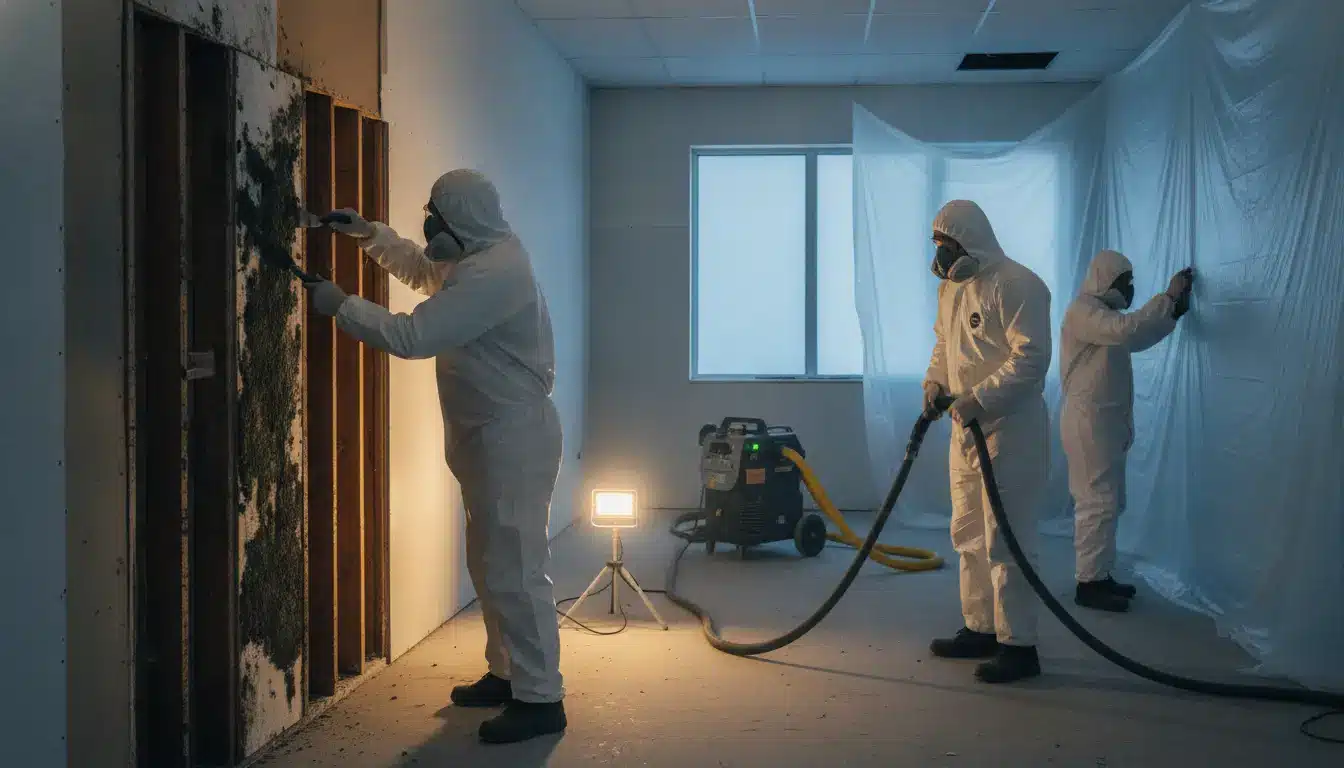
For this reason, certified remediation crews set up physical barriers. They also run negative air pressure systems, and deploy air scrubbers before they touch any contaminated material. In a commercial property with shared HVAC systems, this preparation step is not optional. It is what keeps the rest of the structure clean while the affected zone gets treated.
Safe Removal of Hazardous Materials
Not all mold is created equal. Some species produce mycotoxins. It is a chemical compound that causes real health problems with prolonged exposure. Remediation specialists suit up in proper protective gear and follow EPA and OSHA guidelines when they remove contaminated materials.
Beyond worker safety, there is also a liability side to consider. Disposal of mold-soaked drywall without proper regulations can spread contamination further. It can also create serious legal trouble for the property owner. Licensed professionals keep detailed records of every step. Hence, this documentation proves very useful if health complaints ever come up later.
Restoration of Indoor Air Quality
A building can look spotless and still have air that makes people sick. Mold releases spores and gases even after visible growth gets removed. Consequently, employees end up with respiratory issues.
To counter this, remediation crews run industrial air scrubbers and HEPA filtration systems throughout the entire process. After the work wraps up, air quality tests confirm that spore levels sit within safe limits before anyone moves back in. The final test gives property managers solid proof that the space is genuinely safe, not just clean on the surface.
Structural Damage Prevention
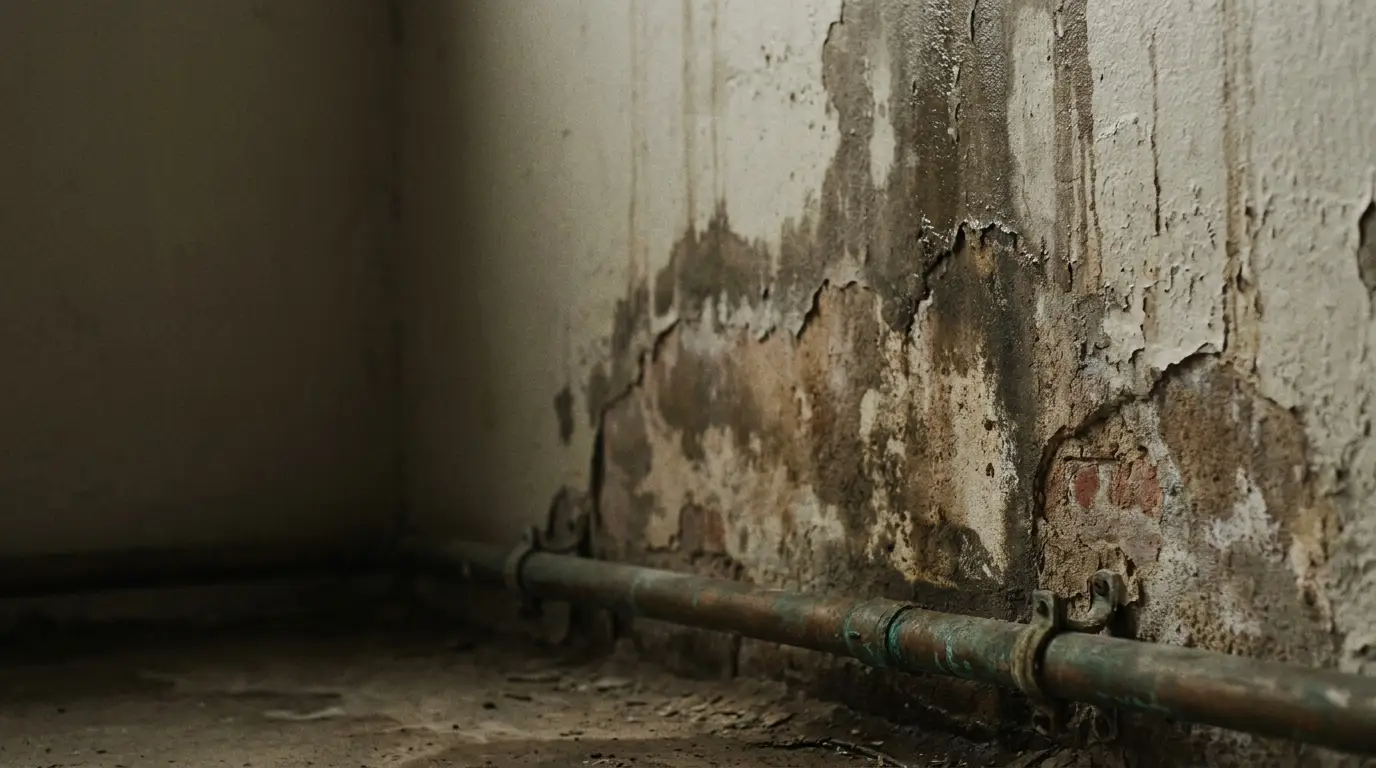
Mold eats through organic materials. If it is left unaddressed, the repair bills stop being manageable. At a certain point, full structural replacement becomes unavoidable, and that gets expensive fast.
Therefore, professional remediation teams do not just pull out the mold and leave. They track down the moisture source at the root of the whole problem. The source could be a leaky pipe, poor drainage, or a ventilation fault. A direct fix on that source is what prevents the mold from making a comeback after the job is done.
Compliance With Health and Safety Regulations
Healthcare facilities, food service properties, and childcare centers in North Dakota all operate under strict health codes. A mold problem left unaddressed can trigger failed inspections, regulatory fines, or even a forced closure. That is a tough outcome for any business that uses the space.
Moreover, licensed remediation companies produce completion reports and certificates that satisfy those regulatory requirements cleanly. Those documents carry real weight during inspections, insurance reviews, and lease renewals. A property with clean paperwork is simply easier to manage and far less risky to own.
Protection of Business Reputation
Tenants talk to each other. Employees mention things to friends. A commercial property with a known mold issue or a persistent musty smell builds a reputation that sticks around long after the problem gets fixed. Good tenants start to look elsewhere, and new ones hesitate before they sign.
In contrast, property managers who respond fast and bring in certified professionals earn a completely different kind of reputation. In Fargo’s commercial real estate market, word of mouth carries serious weight. A track record of prompt, proper action keeps occupancy strong and tenant relationships solid for years ahead.
Mold in a commercial property is never just a surface issue. It gets into the structure, degrades the air, and chips away at the building’s reputation over time. Professional mold removal in Fargo gives property owners proper documentation to handle the problem completely. It can spread quickly through hidden areas if left untreated. Hence, it is best to hire professionals who can address the root cause and mitigate the issue.