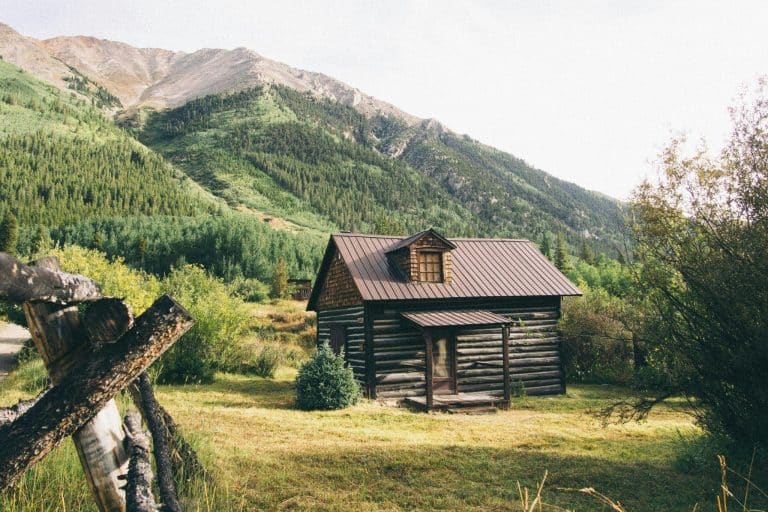
You finally got your log home. It is beautiful. It smells incredible. Then you see it. A tiny hole. Some sawdust on the floor. A weird buzzing sound in the wall. Your heart sinks. Pests have found their way in. It is a nightmare scenario for any owner. But here is the thing. Most pest problems start during construction. Not after.
Smart building choices stop bugs before they even think about moving in. You just have to know what to look for. And what to avoid. Let us talk about the real strategies. The ones that keep your home yours. Not theirs.
Starting With the Right Wood
Not all logs are equal. Some trees fight off bugs naturally. Cedar is a champion. Bugs hate its smell. They avoid it like the plague. Cypress is another tough customer. It resists rot and insects. Pine is cheaper and more common. But it is softer. It attracts more trouble.
If you choose pine, treat it right. Pressure treatment helps. Proper drying helps. Good sealants help. Think about your climate too. Warm and wet areas have more pests. Dry and cold areas have fewer. Match your wood to your location. That is step one. Do not skip it.
The Elevation Secret
Ground contact is bad news. Logs touching soil invite every creepy crawly. Termites love damp earth. Ants love rotting wood. Beetles love the dark, moist space. The fix is simple. Elevate your home. Build a strong foundation. Keep your lowest logs at least eighteen inches above the ground.
That gap stops moisture wicking up. It stops bugs crawling straight in. You can also add a concrete or stone barrier. Pests hate crawling over rough stone. It slows them down. It gives you time to spot them. Good elevation buys you peace of mind.
The Insulation Connection
Here is a big question on every buyer’s mind. They are wondering if log homes are well insulated. The truth is, they can be fantastic. The thick wood holds heat like a champ. That steady temperature keeps condensation off your walls. Less condensation means less moisture. Less moisture means fewer pests. It is that straightforward.
Good insulation also protects your roof. It prevents ice dams in winter. Ice dams cause leaks. Leaks soften your logs. Soft logs attract bugs. See the chain reaction? Insulate your home well. Your pest problem shrinks instantly. Your comfort grows too. A real win-win situation.
Sealing Every Tiny Crack
Bugs are small. They find the smallest gaps. A crack as thin as a credit card is a mansion to them. Smart construction seals those gaps tight. Chinking is your friend. That is the flexible material between logs. Choose high-quality chinking. The cheap stuff shrinks and cracks. Then bugs move in.
Pay attention to corners too. Dovetail joints fit snug. Butt joints need extra care. Around windows and doors, use spray foam. Use weatherstripping. Use caulk. Every penetration is a weak spot. Pipes. Wires. Vents. Seal them all. Do not let a single gap survive.
Keeping Moisture Far Away
Bugs love moisture. It softens wood. It creates rot. Rot attracts even more bugs. It is a vicious cycle. Stop the moisture first. Gutters and downspouts are essential. Direct water far from your foundation. Splash blocks help. Extensions help. Sloping the ground away from your home helps.
Roof overhangs are another lifesaver. Wide overhangs keep rain off your walls. They keep logs drier. They keep pests less interested. A dry log is a hard log. Bugs cannot chew through hard dry wood. That is the goal. Dry. Hard. Unappetizing.
Smart Ventilation Underneath
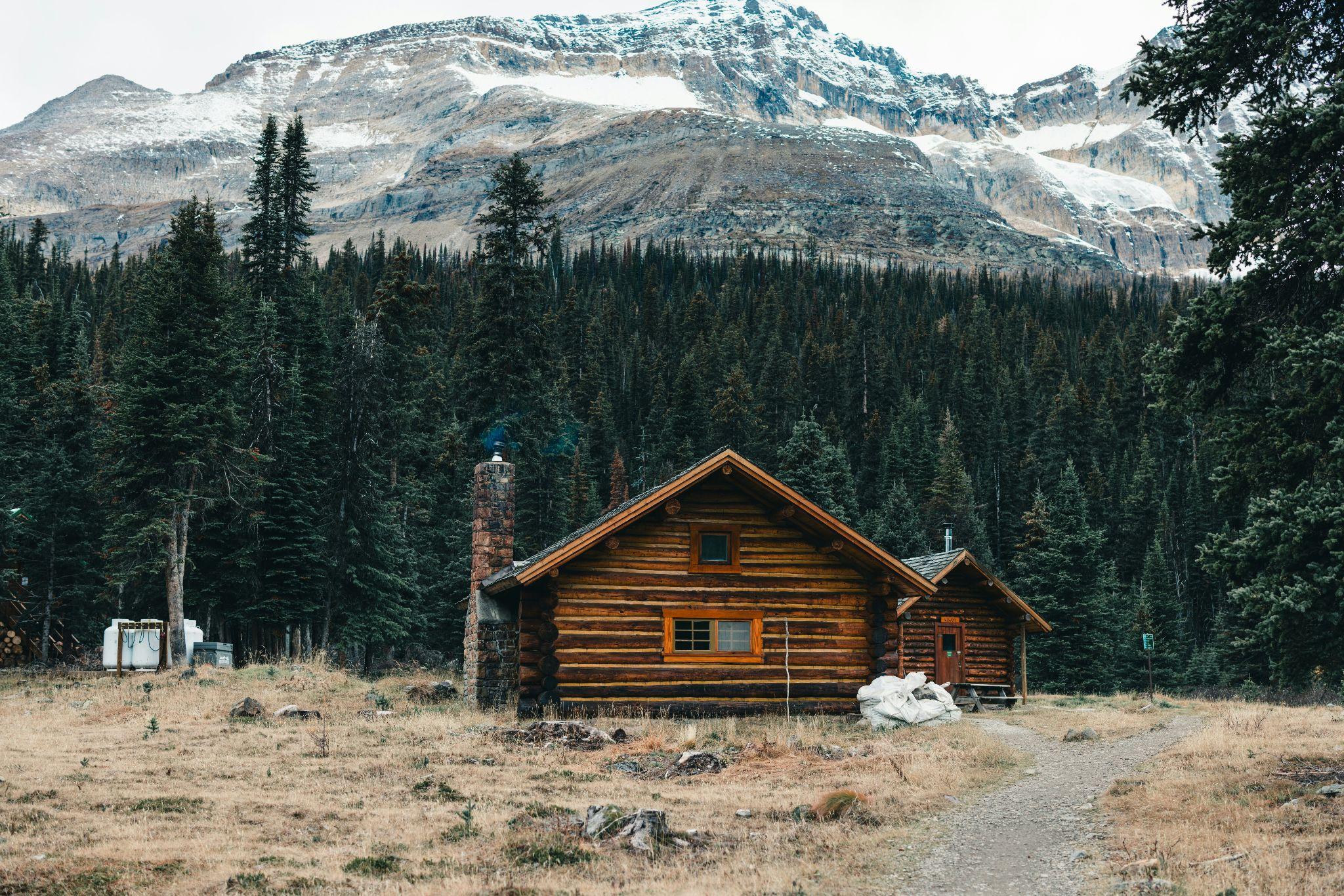
Your crawlspace matters more than you think. Dark and damp equals bug heaven. Good airflow changes that. Install vents around the foundation. Let fresh air circulate. Keep humidity low. Add a vapor barrier on the ground. That stops moisture rising from the soil.
Some folks even add a dehumidifier down there. It sounds extra. But it works. A dry crawlspace is a pest-free crawlspace. Termites hate dry spaces. They need damp mud tubes. No moisture. No tubes. No termites. Simple.
Treating the Wood Before It Goes Up
Pre-treatment is a game changer. Do not wait until bugs show up. Treat your logs before construction. Use borate treatments. They soak into the wood. They repel termites and beetles. They are safe for humans and pets. The treatment lasts for years. Reapply every few seasons for continued protection.
Some builders use pressure treatment for the lowest logs. Those are the most vulnerable ones. An extra layer of defense never hurts. Think of it as a vaccine for your home. A little upfront cost. Big long-term savings.
Regular Inspections Save Headaches
Even the smartest build needs watching. Walk around your home every season. Look for new cracks. Look for sawdust piles. Look for mud tubes on the foundation. Listen for buzzing or scratching sounds. Catch problems early. A small repair costs little. A big infestation costs thousands.
Keep a simple checklist. Check the south side. Check the north side. Check under the eaves. Check the crawlspace. Make it a habit. Your home will reward you. With peace. With quiet. With no unexpected roommates.
A Final Word on Smart Choices
Pest prevention is not complicated. It is just consistent. Choose the right wood. Elevate your home. Seal every gap. Control moisture. Ventilate underneath. Insulate properly. Inspect regularly. That is the whole playbook.
Follow it and your log home stays yours. No uninvited guests. No frantic calls to pest control. Just you and your beautiful wooden sanctuary. Enjoy it. You earned it.