Many homeowners focus on large design decisions during a renovation. Cabinet color, flooring, lighting, and countertops often receive the most attention. Yet smaller details frequently shape how a home feels and functions each day. Elements such as Rocky Mountain cabinet knobs influence comfort, visual balance, and the overall character of a space in ways people may not immediately notice.
Small Details Influence Everyday Living
Cabinet hardware appears throughout kitchens, bathrooms, laundry rooms, and storage spaces. Because people interact with these details constantly, they contribute to the daily experience of living in a home.
Opening drawers, reaching for cabinets, and moving through workspaces become smoother and more comfortable when hardware feels substantial and well designed. Texture, shape, and weight all influence how people respond to these everyday moments.
Even subtle design choices can affect the atmosphere of a room. Thoughtfully selected hardware helps spaces feel more polished and complete. Designers often focus on these details because they understand how smaller elements contribute to the overall quality of an interior.
Homeowners may not always identify the hardware itself as the source of comfort or refinement, yet they often notice the effect it creates.
Cabinet Hardware Supports Visual Cohesion
One of the goals of strong interior design is creating harmony between different materials and finishes. Cabinet hardware plays an important role in this process because it connects cabinetry with lighting, appliances, plumbing fixtures, and architectural accents.
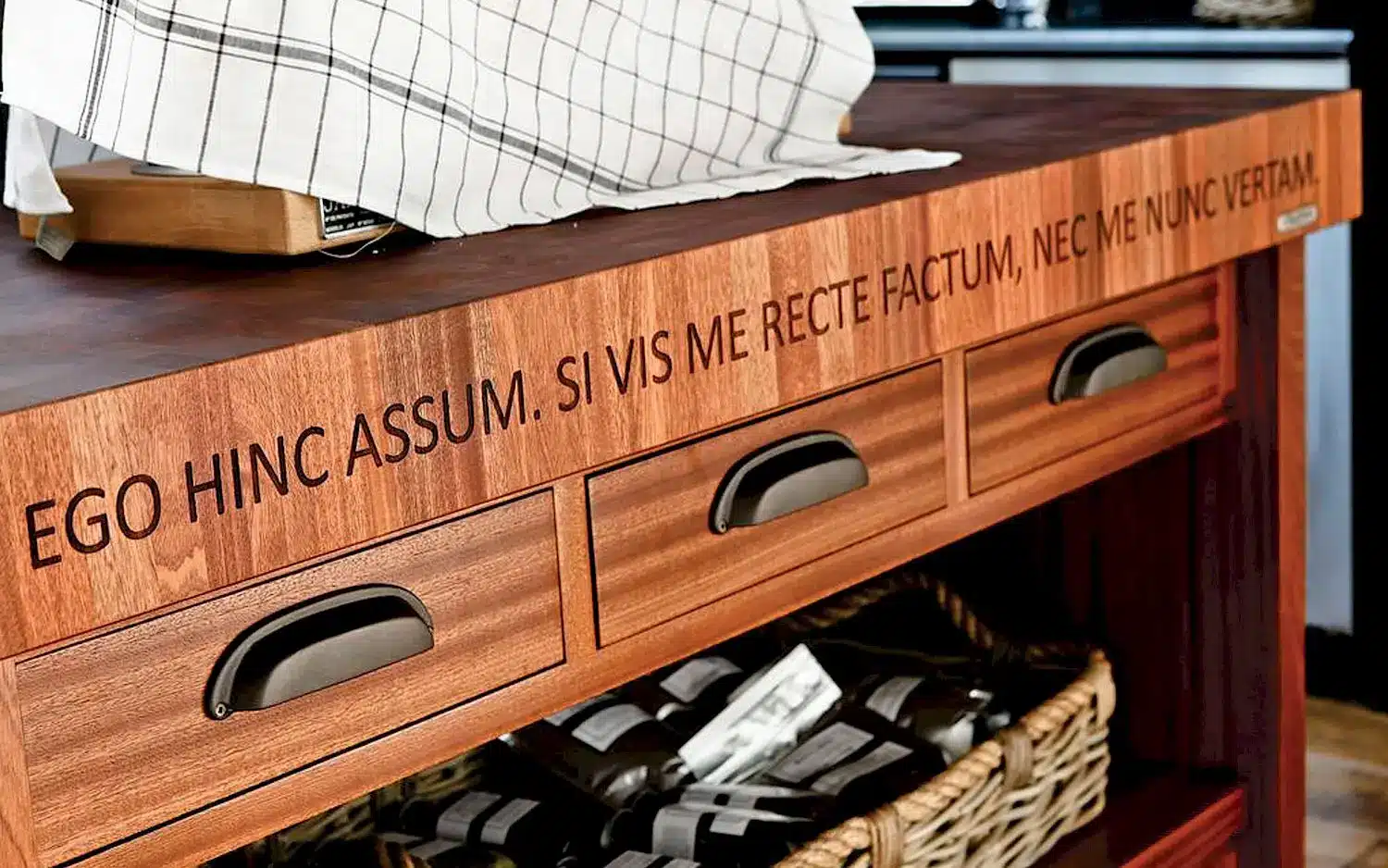
Metal finishes can help unify a room without overwhelming the design. Bronze hardware, for example, often adds warmth and depth that complement both traditional and modern interiors. Repeating similar tones throughout a space creates visual continuity and helps rooms feel intentionally designed.
Scale also matters. Larger knobs and pulls may create bold architectural presence, while smaller profiles support a quieter and more restrained look. Designers carefully consider these proportions because hardware influences how cabinetry feels within the overall space.
Consistency does not require every finish to match perfectly. Many refined interiors combine layered textures and materials while maintaining a shared visual direction. This approach creates warmth and personality without making the home feel overly coordinated.
Material Quality Changes the Experience
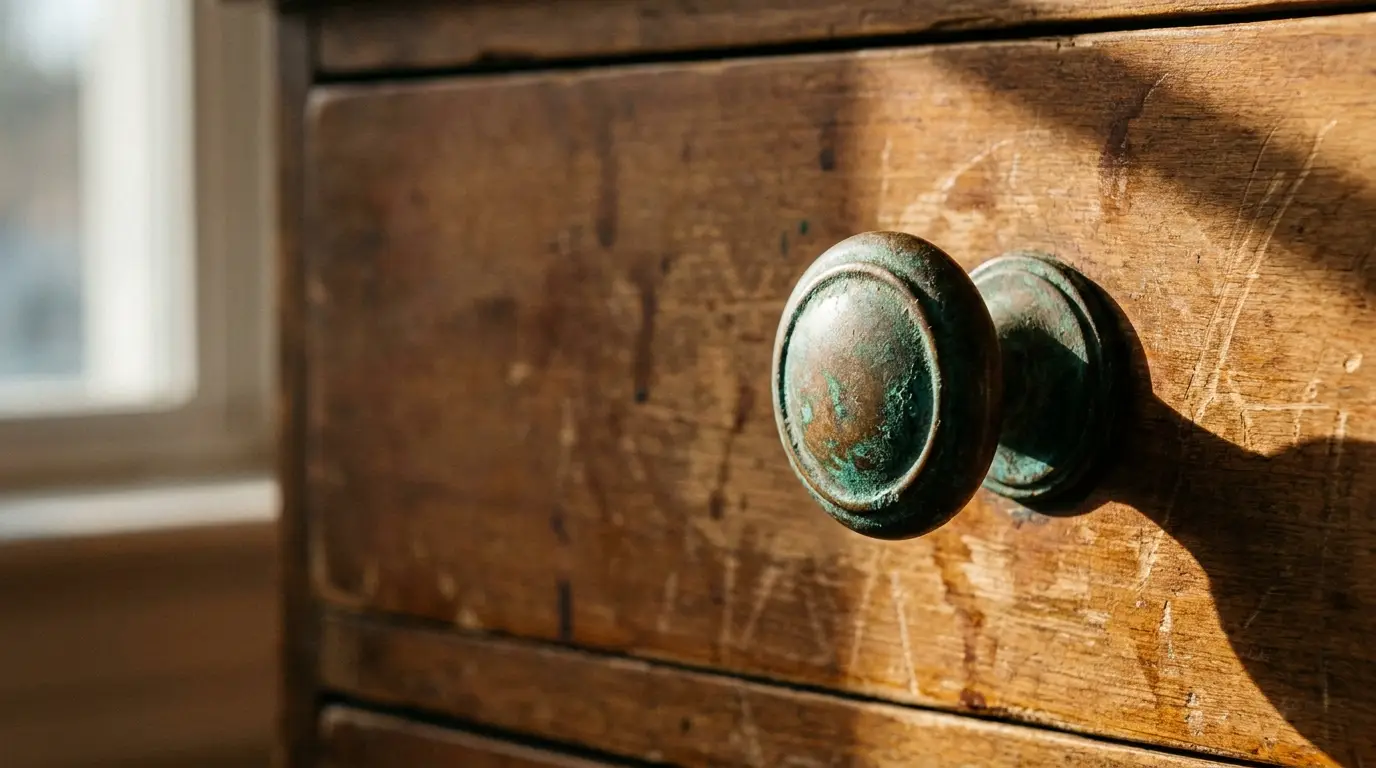
Material selection affects both appearance and long term performance. High quality hardware tends to age more gracefully and maintain its function through years of daily use.
Bronze remains a popular material because it develops natural variation over time. Its evolving patina creates character and authenticity that many homeowners appreciate. Rather than looking worn, the material often becomes richer with age.
Design professionals frequently prefer natural materials because they add depth and tactile quality to interiors. Hand finished surfaces introduce subtle texture that machine produced alternatives rarely achieve.
Durability also matters in highly used spaces such as kitchens and bathrooms. Well crafted cabinet hardware supports smoother movement, stronger reliability, and greater long term value.
These qualities help homeowners create spaces that feel both comfortable and lasting.
Functional Elements Still Shape Design
Many people think of cabinet hardware as purely practical, yet functional details still influence visual design in important ways. Knobs and pulls introduce texture, rhythm, and proportion into cabinetry layouts.
Placement affects both usability and appearance. Properly positioned hardware creates cleaner lines and supports smoother interaction throughout the room. Poorly chosen hardware can interrupt visual flow and reduce the sense of balance within a space.
Cabinet hardware also contributes to the emotional tone of an interior. Warm metal finishes often feel welcoming and grounded, while sharper finishes may create a more formal atmosphere. These subtle differences influence how homeowners and guests experience the room.
Because cabinetry occupies significant visual space in kitchens and storage areas, hardware naturally becomes part of the broader architectural composition.
Craftsmanship Adds Long Term Value
Luxury homes often stand apart because of the attention given to smaller details. High quality hardware reflects craftsmanship through material integrity, precision manufacturing, and thoughtful finishing techniques.
People often recognize quality through touch before they identify it visually. A substantial knob with smooth movement and balanced weight creates a stronger impression than lightweight alternatives designed for convenience alone.
Craftsmanship also supports individuality. Hand finished materials tend to display subtle variation that gives homes a more personal and authentic character.
For architects and interior designers, these details contribute to the overall integrity of a project. Hardware should support the surrounding design rather than compete with it. Thoughtful selections help reinforce the style and atmosphere of the home while improving everyday comfort.
Timeless Homes Depend on Thoughtful Details
Design trends continue to evolve, yet timeless interiors often rely on similar principles. They prioritize durable materials, balanced proportions, and lasting craftsmanship rather than temporary visual statements.
Cabinet hardware supports this timeless approach because it combines function with subtle refinement. Well chosen knobs and pulls continue to feel relevant across changing styles and renovation trends.
Homeowners increasingly seek interiors that feel authentic, comfortable, and built to last. Small details contribute significantly to this experience even when they remain visually understated.
While cabinet hardware may not attract immediate attention during a renovation, it shapes how spaces look, feel, and function every day. These quiet finishing details often play a larger role in the quality and character of a home than many people expect.