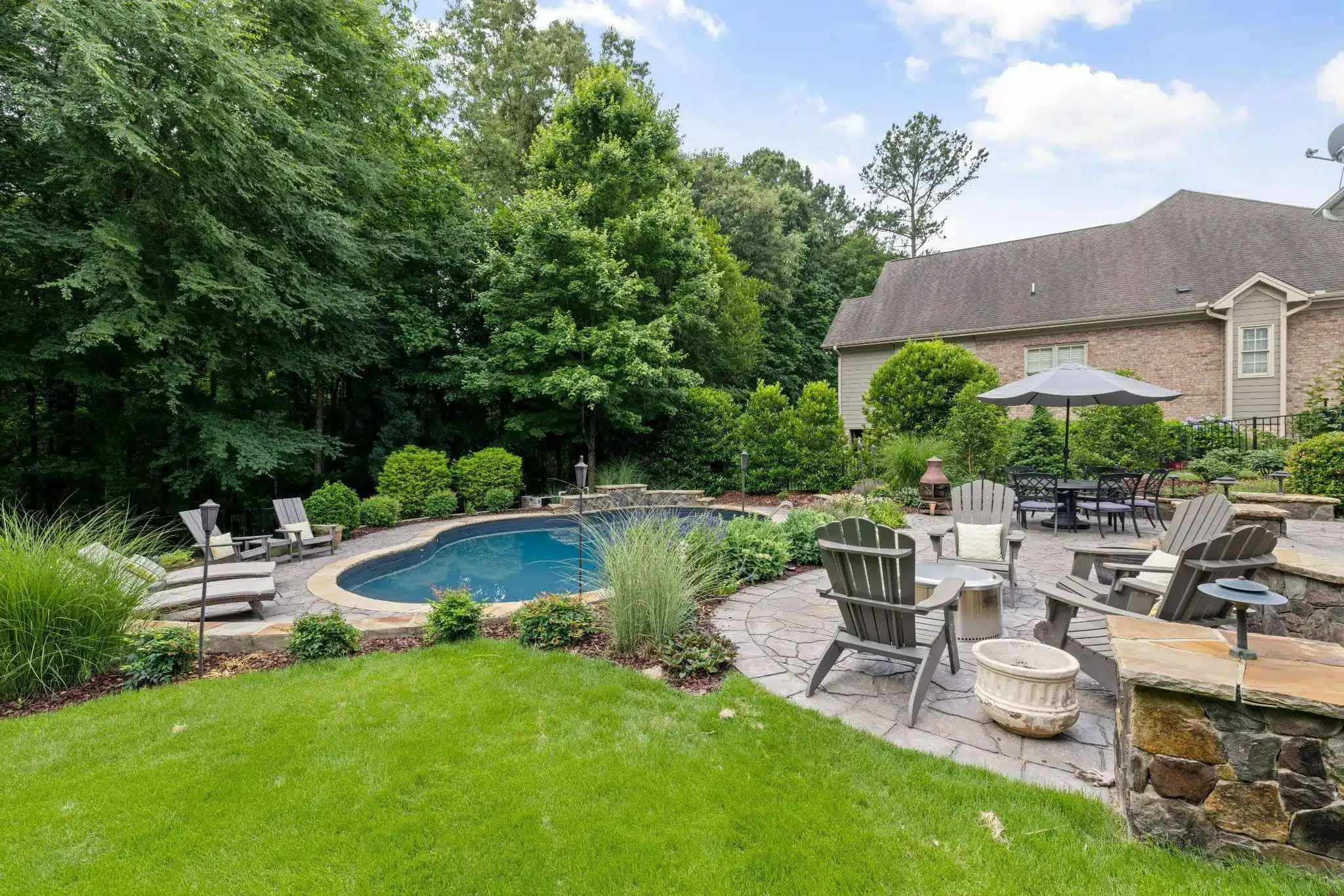
Limited outdoor space doesn’t have to limit what you can do with it. Some of the most impressive backyard transformations happen on compact properties where every square foot serves a purpose. The key is choosing hardscaping features that add function, define zones, and create visual interest without making the yard feel crowded.
In Toronto, where backyard space is often at a premium, thoughtful hardscaping can completely change how a property is used. A small yard can become a comfortable place for dining, relaxing, entertaining, or simply enjoying a bit of privacy after a busy day. The difference often comes down to planning – and knowing which features will work together before anything is built.
That is where professional guidance can make the process easier. For homeowners who want help turning these ideas into a workable plan, OAKS Home Services, one of the top-rated interlock contractors in the Toronto area, offers practical advice on how patios, walkways, seating areas, and planting zones can fit together in a compact backyard. The best projects aren’t necessarily the largest ones – they’re the ones where every feature works together.
Below are several hardscaping ideas that can help maximize a smaller backyard while maintaining a clean, attractive appearance.
1. Interlock Patios That Create a Defined Outdoor Living Area
A well-designed patio often becomes the centrepiece of a backyard. Interlocking pavers are especially effective in compact spaces because they provide visual structure without overwhelming the surrounding landscape.
Large-format pavers tend to work particularly well in smaller yards. Fewer joint lines create a cleaner look and can make the area feel more expansive. Neutral colours such as soft grey, charcoal, or warm beige pair easily with modern and traditional homes alike.
Rather than covering the entire yard with stone, consider creating a dedicated patio zone that leaves room for planting and greenery. This balance helps maintain an open feeling while providing a durable surface for furniture and everyday use.
2. Walkways That Improve Flow and Organization
Many homeowners underestimate the impact of a properly designed walkway. In smaller landscapes, pathways do more than connect one area to another–they help establish a logical layout.
A narrow interlock walkway can guide movement from the back door to a seating area, garden feature, or side gate. Gentle curves often soften the appearance of a rectangular yard, while straight lines support a more contemporary aesthetic. When materials match the patio surface, the entire backyard feels more cohesive and professionally designed.
3. Built-In Seating Areas That Save Space
Outdoor furniture can consume valuable square footage. Built-in seating offers a practical alternative that keeps the yard functional without creating visual clutter.
Low stone seating walls can define the edge of a patio while providing comfortable gathering space. Because the structure serves multiple purposes, homeowners gain additional seating without sacrificing room for circulation. This approach works particularly well around dining spaces or social areas where flexibility matters.
4. Raised Planters That Add Structure and Greenery
Raised planters introduce texture, colour, and dimension while helping organize a compact landscape. Some of the most effective designs incorporate stone planters that complement nearby hardscaping materials. This creates a unified appearance rather than making planting areas feel separate from the rest of the yard.
Benefits of raised planters include:
- Improved visual organization
- Better drainage for many plant varieties
- Easier maintenance and access
- Stronger definition between landscape zones
- Opportunities to introduce seasonal colour
A thoughtfully placed planter can also act as a natural divider between different backyard functions.
5. Fire Pit Zones for Year-Round Enjoyment
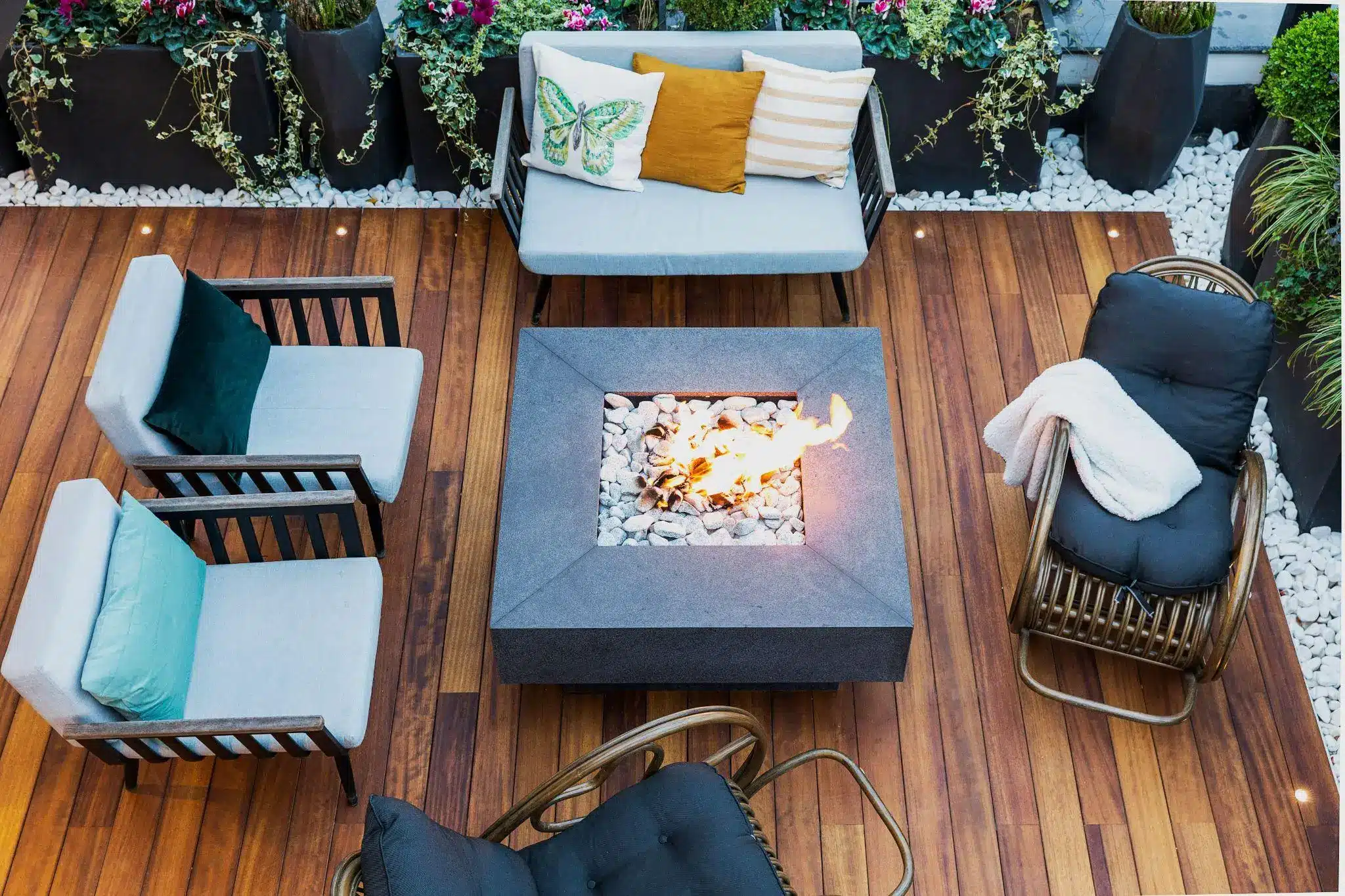
A fire feature can transform a small backyard into a destination. Contrary to popular belief, large spaces are not required to enjoy a fire pit. Compact designs built into an interlock patio create a focal point without dominating the landscape. Circular seating arrangements encourage conversation and help maximize available space.
Material selection matters here. Stone finishes that coordinate with surrounding hardscaping produce a more integrated look than standalone prefabricated units. When designed properly, a fire pit extends the usefulness of outdoor areas well beyond the summer season.
6. Pergolas That Add Height Without Closing In the Space
One challenge with smaller properties is creating definition without making the yard feel enclosed. Pergolas solve this problem by introducing vertical interest while maintaining openness.
A simple structure above a patio can frame an outdoor room, provide partial shade, and support climbing plants. The eye naturally moves upward, which often makes compact landscapes appear larger than they actually are.
Wood, aluminum, and composite materials each offer different design opportunities depending on the architectural style of the home.
7. Lighting and Privacy Screens That Complete the Design
Many backyard projects focus exclusively on daytime appearance. Lighting and privacy elements are often added later, even though they have a major impact on usability.
Low-voltage fixtures installed along pathways or beneath seating walls create a welcoming atmosphere after sunset. Soft illumination highlights textures and improves safety without overwhelming the space.
Privacy screens are equally important in dense Toronto neighbourhoods. Decorative panels, slatted wood features, or carefully positioned structures can block unwanted views while preserving airflow and natural light.
When combined thoughtfully, lighting and screening make the backyard feel more comfortable and intentional throughout the year.
Final Thoughts
A small backyard doesn’t need to feel restrictive. Smart hardscaping choices can add functionality, create visual order, and make the space far more enjoyable to use. Features such as interlock patios, walkways, seating walls, raised planters, fire pit areas, pergolas, lighting, and privacy screens each contribute in different ways.
The most successful projects are rarely about adding more elements. Instead, they focus on selecting the right features and arranging them strategically. With careful planning and professional execution, even a compact Toronto backyard can become an outdoor space that feels welcoming, practical, and surprisingly spacious.